Can I Stop Taking Mounjaro for 2 Weeks?
Introduction
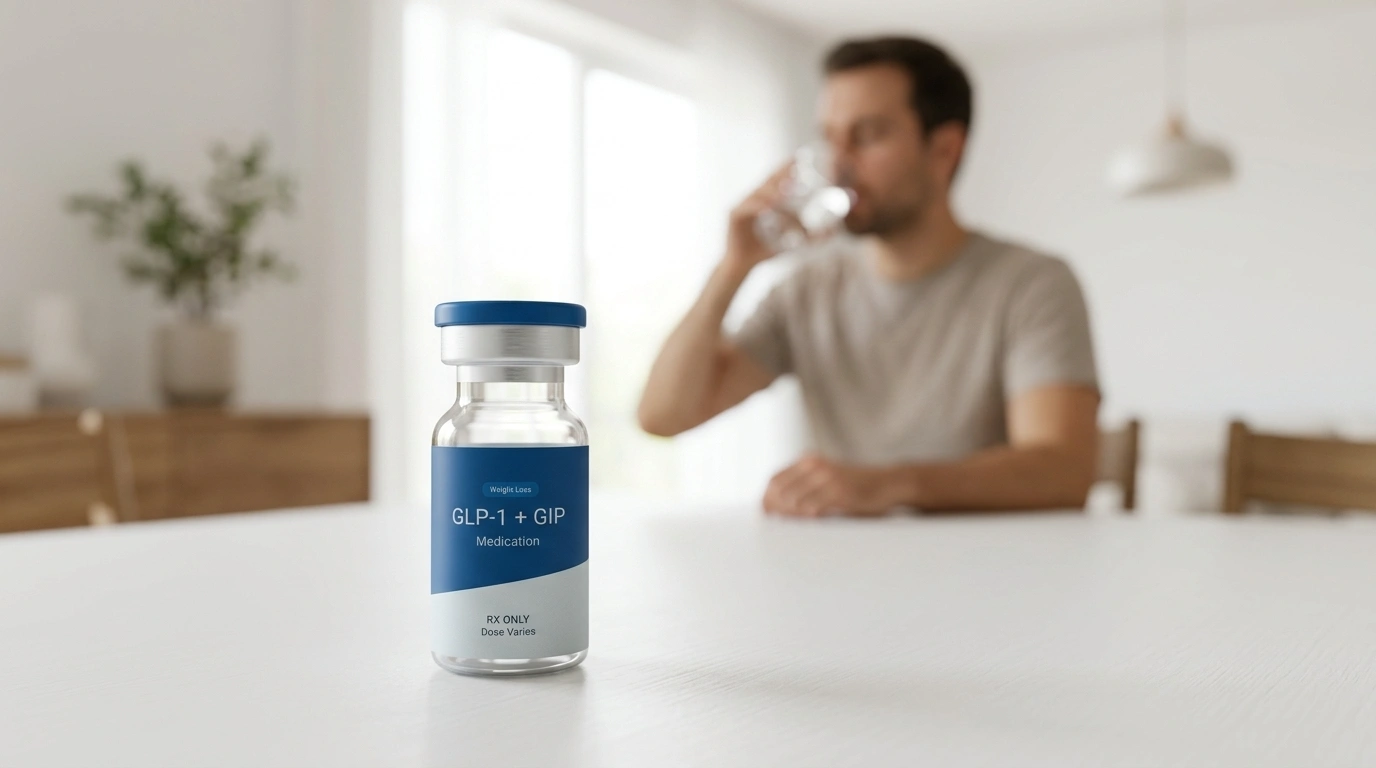
Life rarely follows a perfectly predictable schedule. You might be facing an upcoming surgery, navigating a sudden travel delay, or managing a temporary lapse in your medication supply. When these moments happen, a common question arises: can I stop taking Mounjaro for 2 weeks? Pausing a GLP-1 + GIP medication—even for a short period—is a situation many individuals encounter during their weight loss journey. At TrimRx, we believe that understanding the biological impact of a treatment pause is essential for maintaining your progress and ensuring your safety when you decide to resume.
This post covers why people choose to pause their treatment, what happens to your metabolism during a 14-day gap, and how to safely restart your medication. Taking a short break does not mean your journey has ended. It simply means your plan needs a temporary adjustment to keep you on the path toward sustainable health.
Quick Answer: Yes, you can stop taking Mounjaro® for two weeks, but you must consult a licensed healthcare provider before restarting. A 14-day gap significantly lowers the medication levels in your system, which increases the risk of severe gastrointestinal side effects if you resume at a high dose too quickly.
If you are considering starting or restarting a prescription program, you can complete a free eligibility assessment.
Common Reasons for Pausing Treatment
There are several valid medical and logistical reasons why someone might need to stop their weekly injections for a two-week period. While consistency is the foundation of long-term metabolic health, a planned pause is sometimes the safest course of action. It is always important to coordinate these breaks with a licensed provider to ensure your specific health profile is considered.
Scheduled Medical Procedures and Surgery
One of the most frequent reasons for a two-week pause is a scheduled surgical procedure. Because GLP-1 + GIP medications slow down gastric emptying—the rate at which food leaves your stomach—there are specific risks associated with anesthesia. This precaution helps ensure the stomach is empty during the procedure. An empty stomach significantly reduces the risk of aspiration, which occurs when stomach contents enter the lungs while a patient is sedated. For more context, review this guide to pausing GLP-1 medication around surgery. If you have a procedure scheduled, your surgical team will provide a specific timeline for stopping and restarting your medication.
Managing Severe Side Effects
For some, the side effects of medication—such as intense nausea, vomiting, or gastrointestinal distress—may become difficult to manage. This is especially true during high-stress periods or illness. A provider may suggest a short “drug holiday” to allow the body to recalibrate and for symptoms to subside. This pause allows the concentration of the medication in your bloodstream to decrease, giving your digestive system a break.
If you are dealing with digestive discomfort during treatment, protein and nutrition guidance for GLP-1 users may help you identify questions to discuss with your provider.
Travel and Logistics
Travel can present unique challenges for maintaining a weekly injection schedule. Medication pens often require refrigeration to maintain their stability over long periods. While some can remain at room temperature for a limited time, you might prefer to skip a week or two if you are traveling to remote areas where storage is uncertain. Additionally, delays in pharmacy refills or insurance authorizations can lead to an unplanned two-week gap.
For additional planning, review these practical considerations for traveling with GLP-1 medication.
The Science of a Two-Week Gap
To understand what happens when you skip your doses, you must first understand the concept of “half-life.” The half-life is the amount of time it takes for the concentration of a substance in your body to reduce by exactly half.
Understanding the Half-Life
The medication in Mounjaro®, known as tirzepatide, has a half-life of approximately five days. This means that five days after your last injection, half of the medication is still in your system. Ten days later, about one-quarter remains. By the time you reach the 14-day mark, the levels of the medication in your bloodstream have dropped significantly.
Because the medication levels drop, the biological effects begin to fade. This medication works by mimicking two hormones: GLP-1 (glucagon-like peptide-1) and GIP (glucose-dependent insulinotropic polypeptide). These hormones help regulate blood sugar, slow digestion, and signal to your brain that you are full. As the drug leaves your system, these signals become weaker.
Key Takeaway: After a two-week break, the concentration of the medication in your body is reduced by roughly 75% to 80%. This means your appetite and blood sugar levels may begin to return to their baseline state.
The Return of Food Noise
Many people report a significant reduction in “food noise” while on a GLP-1 + GIP program. Food noise refers to the constant, intrusive thoughts about food and cravings that can derail healthy eating habits. This mental quiet is one of the most effective ways the medication supports weight loss.
When you stop taking the medication for two weeks, you may notice that this food noise begins to return. As the appetite-suppressing effects diminish, you might feel hungry sooner after meals. You may also experience cravings for high-calorie or sugary foods. This is not a failure of willpower. It is a predictable biological response to the decrease in hormone-mimicking signals in the brain.
You can learn more about food noise and GLP-1 treatment if intrusive food thoughts are part of your experience.
Restarting Safely: The 14-Day Rule
The most critical aspect of stopping for two weeks is how you choose to restart. You cannot simply jump back in at a high dose without considering the potential for side effects. Your body’s tolerance to the medication begins to decrease once the drug levels drop.
Why Dose Titration Matters
Titration is the process of gradually increasing a dose to find the most effective amount with the fewest side effects. When you restart after a 14-day break, you are essentially restarting the titration process. Most clinical guidelines suggest that if you miss two or more consecutive doses, you should consult your healthcare provider before taking your next injection.
Taking a high dose after the medication has mostly cleared your system can lead to severe gastrointestinal side effects. These include intense nausea, vomiting, and abdominal pain. In many cases, a provider will recommend moving back down to a lower dose to allow the body to re-acclimate.
For more information about missed doses and restarting, read what to do after missing a weekly GLP-1 injection.
Step-by-Step: Restarting After a Break
Step 1: Consult your provider.
Reach out to your licensed healthcare provider to report the length of your break and any symptoms you experienced during the pause.
Step 2: Follow the restart protocol.
If the break is exactly 14 days, your provider may allow you to continue at your current dose or recommend a temporary step-down. If the break is longer than 14 days, you will likely need to restart at the lowest titration level.
Step 3: Monitor your body.
Pay close attention to how your digestion responds to the first dose back. Eat smaller meals and focus on bland foods for the first 24 to 48 hours.
Step 4: Prioritize hydration.
Drink plenty of water and consider electrolyte supplements. Proper hydration is essential when restarting to help mitigate potential nausea and support metabolic function.
Bottom line: A two-week break is a manageable hurdle, but it requires a careful restart. Never resume a high dose after 14 days without medical clearance, as your GI tolerance has likely reset.
If you need help determining whether a supervised prescription program fits your goals, start the assessment process.
Maintaining Progress Without Medication
A two-week break is a test of the habits you have built while on the medication. While the drug provides a powerful physiological assist, the lifestyle changes you implement are what lead to long-term success. Our personalized programs are designed to help you build these habits so that a temporary pause in medication does not lead to a permanent pause in progress.
Satiety-First Eating
During a 14-day gap, your primary goal is to manage the return of appetite and maintain stable blood sugar. You can do this by focusing on nutrient-dense foods that promote satiety naturally.
- Prioritize Protein: Protein is the most satiating macronutrient. Aim to include a lean protein source like chicken, fish, tofu, or Greek yogurt at every meal to help keep hunger at bay.
- Increase Fiber: Fiber slows down digestion in a way that mimics some of the effects of GLP-1 medications. Vegetables, legumes, and whole grains can help you feel full for longer.
- Focus on Hydration: The brain can sometimes confuse thirst with hunger. Drinking water throughout the day can help manage cravings and support digestion.
For additional nutrition ideas, review this guide to protein intake and eating on a GLP-1.
Habit Stacking and Movement
Use the two-week pause as an opportunity to practice “habit stacking.” This involves taking a small, existing habit and adding a new, healthy one to it. For example, if you already drink a cup of coffee in the morning, stack a 10-minute walk onto that routine.
Movement is particularly important during a break. Physical activity helps improve insulin sensitivity, which is one of the key benefits these medications provide. Even light activity, like a brisk walk after dinner, can help keep your blood sugar levels stable while you are off the medication.
- Aim for 150 minutes of moderate activity per week.
- Incorporate resistance training to preserve lean muscle mass.
- Practice mindful eating to recognize fullness cues without medication.
- Maintain a consistent sleep schedule to regulate hunger hormones.
Key Takeaway: Success in weight loss is about how you handle the interruptions. A two-week pause is a small window of time that can be bridged with high protein, fiber, and consistent movement.
Understanding Your Options
When navigating a pause or a restart, it is helpful to understand the different types of medication available. This can be especially relevant if your pause was caused by supply issues or cost concerns.
Branded vs. Compounded Support
Mounjaro® and Zepbound® are trademarked branded medications that are FDA-approved for specific uses, such as type 2 diabetes or chronic weight management. However, national shortages can sometimes make these branded pens difficult to find, leading to the very two-week gaps many patients fear.
Compounded medications offer an alternative. Compounded tirzepatide is prepared and shipped by FDA-registered, inspected compounding pharmacies. While compounded medications are not FDA-approved, they are often more readily available during branded drug shortages. We connect patients with licensed providers who can determine if a compounded option is appropriate for their personalized program. This ensures that your treatment remains consistent even when retail pharmacy shelves are empty.
| Feature | Branded Medications (e.g., Mounjaro®) | Compounded Tirzepatide |
|---|---|---|
| FDA Status | FDA-approved for specific indications | Not FDA-approved |
| Pharmacy Source | Retail/Commercial pharmacies | FDA-registered compounding pharmacies |
| Availability | Can be affected by national shortages | Often more available during shortages |
| Dosing Format | Fixed-dose auto-injector pens | Vial and syringe for flexible dosing |
The Psychological Impact of a Break
For many, the fear of weight regain during a two-week pause is more taxing than the physiological changes themselves. It is important to remember that weight loss is rarely a perfectly straight line. A temporary break does not erase the metabolic progress you have already made over several months.
Managing the Scale
If you notice the scale move up a pound or two during your break, do not panic. This is often due to changes in water retention or glycogen storage as your insulin levels shift. It is rarely a gain in body fat over such a short period. Staying focused on your long-term goals and maintaining your daily routines will help you transition back into your medication schedule with confidence.
Reframing the Pause
Instead of viewing a two-week break as a failure, view it as a “maintenance practice” period. It allows you to see how your body responds to the habits you have built. If you find your appetite is difficult to manage, it is a sign to lean more heavily into protein and fiber. If you maintain your weight successfully, it is a powerful indicator that your lifestyle changes are taking root.
Next Steps in Your Weight Management Journey
If you are currently facing a situation where you must stop your medication, your first action should be to contact your healthcare provider. They can help you determine the safest way to restart.
For those who are looking for a more personalized, telehealth-based approach to weight loss, we are here to guide you. Our mission at TrimRx is to help individuals embrace healthier lifestyles through science, empathy, and a transparent approach to sustainable weight loss. We provide access to licensed providers who oversee your progress and ensure your treatment plan fits your life—even when that life includes the occasional two-week break.
If you are ready to take the next step, the first move is to complete our free assessment quiz. This helps us understand your health profile and goals, allowing us to connect you with the right resources for your journey.
- Assessment: Complete the quiz to check your eligibility for a personalized program.
- Consultation: Connect with a licensed provider to discuss your medical history and treatment options.
- Support: Gain access to specialized support to help you manage side effects or dosing questions.
- Consistency: Explore programs that offer reliable access to medication from inspected compounding pharmacies.
Note: If you are using GLP-1 + GIP medication for type 2 diabetes, a two-week pause can have significant effects on your blood sugar levels. You must work closely with your primary care physician to monitor your glucose and adjust other medications as needed during any break.
Conclusion
Stopping Mounjaro for 2 weeks is a common experience, but it requires a thoughtful approach to ensure safety and continuity. By understanding the medication’s half-life, preparing for the return of appetite, and following a strict restarting protocol, you can navigate this gap successfully. Whether your pause is due to surgery, travel, or side effects, the key is to stay connected with your clinical team and remain committed to the healthy habits you have developed.
- Pausing is possible but should be supervised by a licensed provider.
- Expect a return of “food noise” as medication levels drop after 5–10 days.
- Never restart a high dose after 14 days without medical guidance.
- Focus on protein, fiber, and hydration to bridge the gap.
“Sustainable weight loss is not about perfection; it is about how you navigate the interruptions. A two-week break is a brief moment in a much larger, life-changing process.”
We are committed to providing the clinical expertise and modern technology needed to deliver personalized treatment programs that work for your real life. If you need a program that offers consistent support through every phase of your journey, consider taking our free assessment quiz.
FAQ
Can I skip Mounjaro for two weeks for a vacation?
Yes, you can skip your medication for two weeks, but you should have a plan for managing your appetite and blood sugar while away. Consult your licensed provider before you leave to discuss a safe restart plan, as you may need to adjust your dose when you return to avoid severe side effects. You can also review this guide to managing a missed GLP-1 dose while traveling.
Will I gain weight if I stop taking my injections for 14 days?
While you may see a small increase on the scale due to changes in water retention, it is unlikely you will gain significant body fat in just two weeks. However, your appetite will return as the medication leaves your system, so focusing on high-protein and high-fiber foods is essential to maintain your progress during the break.
Do I need to start over at the lowest dose if I miss two doses?
This depends on your current dose and how your body has tolerated the medication in the past. If you have been off the medication for 14 days or more, your body’s tolerance has decreased. Many healthcare providers recommend dropping back to a lower dose to prevent severe nausea and vomiting upon restarting.
How long does it take for the medication to completely leave my system?
Tirzepatide has a half-life of about five days. It generally takes about 25 to 30 days for the medication to be fully cleared from your system. However, the appetite-suppressing effects usually begin to fade significantly after the first 7 to 10 days without a dose.
TrimRX does not practice medicine or prescribe medications. Compounded medications are not FDA-approved and are not evaluated by the FDA for safety or efficacy. Results vary by individual and are not guaranteed.
Disclaimer: This content is for informational purposes only and does not constitute medical advice. It is not intended to diagnose, treat, cure, or prevent any disease or condition. Individual results may vary. Always consult a qualified healthcare professional before starting any weight loss program or medication.

Transforming Lives, One Step at a Time
Keep reading
When You and Your Spouse Are Both on Mounjaro
It is increasingly common for both people in a couple to be on the same medication. Sometimes one partner starts and the other follows…

Black Friday Shopping on Mounjaro
For a lot of families, Black Friday is a tradition: lining up before dawn, racing through stores with a list, and shopping until the…

Mounjaro Alternatives: What Else to Consider
If Mounjaro isn’t the right fit, the closest alternatives are other GLP-1 medications, chiefly semaglutide (Ozempic for diabetes, Wegovy for weight), along with a…


