Can I Stop Taking Ozempic on My Own? What to Know
Introduction
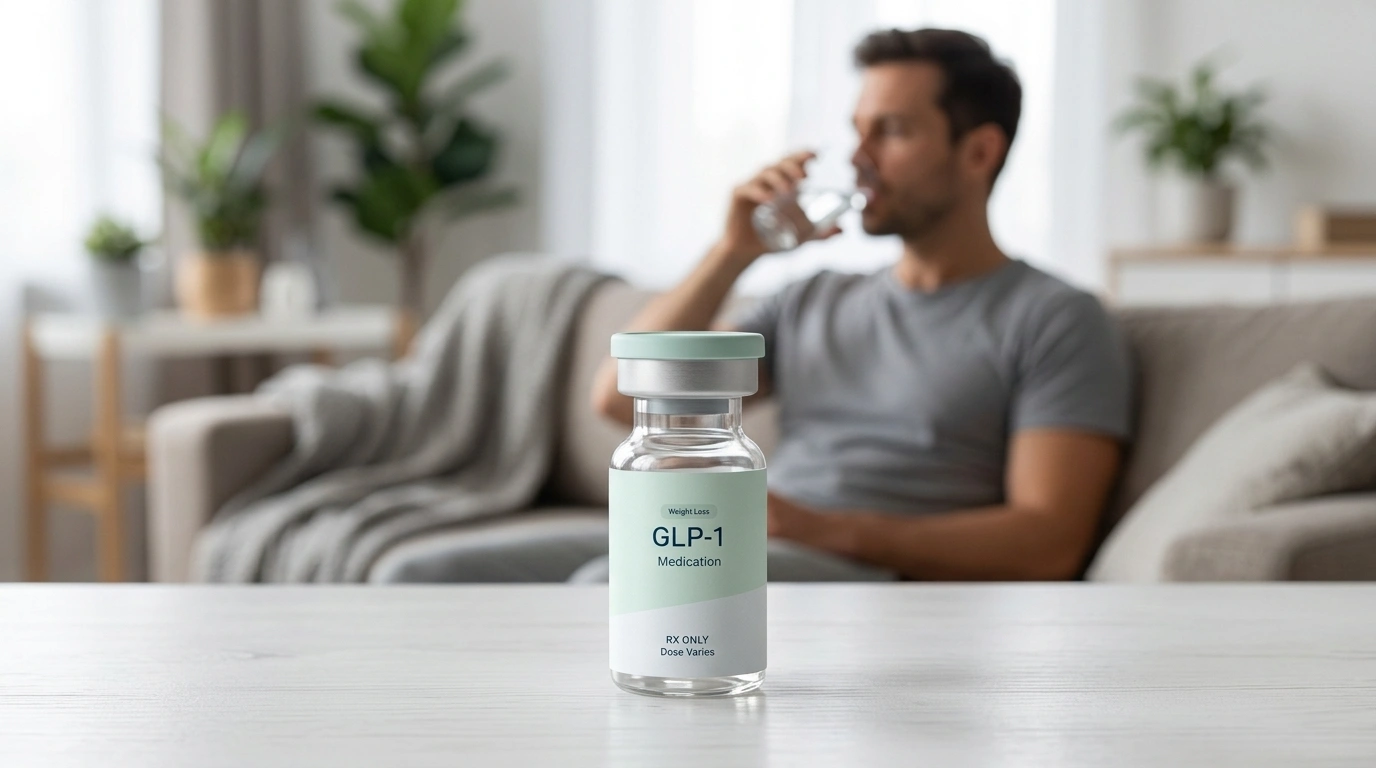
It is a moment many people face after weeks or months of progress: looking at a medication pen and wondering if it is time to move on. Whether you have reached your target weight, are frustrated by persistent nausea, or are facing insurance changes, the question of whether you can stop taking Ozempic® on your own is common. While you technically can stop the medication at any time, doing so without a clinical plan often leads to a rapid return of hunger and potential weight regain. At TrimRx, we believe that how you exit a treatment program is just as important as how you begin it. This post covers the physiological changes that occur when you stop semaglutide, the risks of “cold turkey” cessation, and how to protect your hard-earned results. If you want help deciding whether a personalized program is the right fit, you can take the free assessment quiz before making any changes on your own.
Quick Answer: While stopping Ozempic® suddenly does not cause a traditional drug withdrawal, it usually triggers a rapid return of appetite and rising blood sugar levels. Most clinical experts recommend a supervised tapering process and a focused maintenance plan to prevent “rebound” weight gain.
What Happens in the Body When You Stop Semaglutide
To understand why stopping is a process rather than a single event, you must understand how the medication works. Ozempic® is a brand-name medication containing semaglutide, which is a glucagon-like peptide-1 (GLP-1) receptor agonist. In plain English, it mimics a natural hormone (GLP-1) that your body produces to tell your brain you are full and to help your pancreas manage blood sugar.
When you take this medication, you are essentially “turning up the volume” on those fullness signals. Your digestion slows down, which keeps food in your stomach longer, and your brain feels satisfied with smaller portions. When you stop taking the medication, that “volume” is turned back down.
The Half-Life of the Medication
Semaglutide has a relatively long half-life of about seven days. This means that after your last dose, it takes about five weeks for the medication to be fully cleared from your system. You likely will not feel different the day after a missed dose, but as the concentration of the drug in your blood drops over the following two to three weeks, the physiological effects will begin to fade. For more on long-term semaglutide use, see Semaglutide for Life: What We Know.
The Return of “Food Noise”
Many patients report that the most jarring part of stopping is the return of “food noise”—the constant, intrusive thoughts about eating. Because the medication was suppressing these signals, their return can feel overwhelming. Without the hormonal support to signal satiety, your body may default to its previous metabolic set point, making it difficult to maintain the same eating habits you practiced while on the medication. For the research on rebound appetite and regain, read Does Stopping Semaglutide Cause Weight Gain?.
Can You Stop Suddenly?
Technically, you can stop taking the medication whenever you choose. Unlike certain medications (such as antidepressants or steroids) that can cause dangerous withdrawal symptoms if stopped abruptly, semaglutide is not known to cause a chemical withdrawal. However, “safe” from a withdrawal perspective does not mean “recommended” for your long-term health.
Risks for Individuals with Type 2 Diabetes
If you are using Ozempic® to manage Type 2 diabetes, stopping on your own is significantly more risky. The medication is a primary tool for controlling blood glucose levels. Without it, you may experience a rapid spike in blood sugar (hyperglycemia), which can lead to:
- Extreme thirst and frequent urination
- Persistent headaches and fatigue
- Blurred vision
- Potential long-term damage to the kidneys or nerves
For a broader primer on the hormone semaglutide mimics, what GLP-1 is is a helpful companion.
The Rebound Effect
For those using the medication for weight management, the primary risk of stopping suddenly is “Ozempic rebound.” Research suggests that individuals who stop GLP-1 medications without a transition plan often regain a significant portion of the weight they lost. One prominent study indicated that participants regained roughly two-thirds of their lost weight within one year of stopping the medication.
Why You Should Consult a Healthcare Provider First
We strongly advise against making changes to your prescription regimen without professional guidance. A healthcare provider can help you distinguish between a temporary plateau and a genuine reason to discontinue treatment. Furthermore, if you are experiencing side effects, a provider might suggest a dosage adjustment rather than stopping entirely.
Designing a “Soft Landing”
A licensed provider can help you create a tapering schedule. Instead of dropping from a high dose to zero, you might gradually decrease the dose over several weeks. This gives your digestive system and your appetite-regulating hormones time to adjust, which may reduce the intensity of the hunger surge.
Evaluating Your Maintenance Strategy
If you have reached your goal weight, a provider can help you determine if a “maintenance dose” is appropriate. Some individuals find success by taking a lower dose every two weeks or monthly to keep appetite signals manageable while they focus on lifestyle stability.
Managing the Return of Appetite
If you and your provider decide it is time to stop, you must prepare for the physiological shift. When the medication no longer slows your digestion, you will feel hungry more often and will likely be able to eat larger volumes of food before feeling full.
Focus on High-Satiety Foods To counter the return of hunger, prioritize protein and fiber. Protein is the most satiating macronutrient and helps preserve muscle mass, which is critical for keeping your metabolism active. Fiber slows digestion naturally, mimicking some of the effects of the medication.
The Role of Supplements During and after your transition, targeted nutrition can support your body’s natural pathways. Our GLP-1 Daily Support supplement is designed to provide essential nutrients that may be lacking during weight loss, helping you maintain vitality as your body adjusts to being off the medication.
Key Takeaway: Success after medication depends on preserving the metabolic health you built. Focus on high-protein intake and consistent strength training to ensure your body burns calories efficiently even without hormonal support.
The Importance of Muscle Mass
One of the biggest contributors to weight regain after stopping a GLP-1 is the loss of muscle mass. When you lose weight rapidly, your body often burns muscle along with fat. Since muscle is more metabolically active than fat, having less muscle means your body burns fewer calories at rest.
If you stop the medication and your appetite returns to its original level, but your metabolism is now slower due to muscle loss, weight regain becomes almost inevitable. This is why we emphasize that movement is not just about burning calories; it is about protecting your metabolic engine.
How to Protect Your Results
- Prioritize Strength Training: Engage in resistance exercises at least two to three times per week. This signals to your body to keep its muscle tissue.
- Monitor Your Intake: Even without the medication’s “nudge,” try to keep consistent meal timings to avoid extreme hunger that leads to overeating.
- Hydrate: Water can help create a physical sense of fullness in the stomach, which can be helpful as gastric emptying returns to its normal speed.
Why People Choose to Stop
While many people find success with GLP-1s, there are valid reasons to consider stopping. Understanding these can help you have a more productive conversation with a healthcare provider.
Managing Side Effects
For some, the gastrointestinal side effects—nausea, vomiting, or constipation—do not subside over time. If these symptoms are impacting your quality of life, stopping or switching to a different medication, such as compounded tirzepatide, might be a better path. Tirzepatide works on both GLP-1 and GIP (glucose-dependent insulinotropic polypeptide) receptors, which some patients find better for their specific needs. If switching medications is part of the conversation, How Compounded Tirzepatide Works explains the alternative in more detail.
Financial or Insurance Barriers
The high cost of branded medications like Ozempic®, Wegovy®, Mounjaro®, or Zepbound® can be a major hurdle, especially if insurance coverage changes. In these cases, we often help individuals explore compounded semaglutide or compounded tirzepatide. These medications are prepared by FDA-registered, inspected compounding pharmacies and can offer a more accessible way to continue treatment without the branded price tag.
Reaching a “Goal Weight”
Many people view weight loss medication as a temporary bridge. Once they reach their goal, they want to see if they can maintain it through lifestyle alone. While this is possible, it requires a very disciplined approach to nutrition and activity to counter the body’s natural tendency to return to its previous weight.
Moving from Ozempic® to a Personalized Program
If you are thinking about stopping because of cost or access issues, you don’t have to navigate that journey alone. The TrimRx platform connects you with licensed providers who specialize in metabolic health. We offer a telehealth-first approach, meaning you can discuss your concerns, review your progress, and adjust your treatment plan entirely online. If you’d like a provider to review your options, complete the free assessment quiz to see what is appropriate for you.
Personalized Dosage Adjustments
Rather than stopping “cold turkey” because a dose feels too high or a branded product is too expensive, our partner providers can create a personalized plan. This might include using compounded medications that allow for more precise dosage increments, helping you find the “sweet spot” where you see results without overwhelming side effects.
A Holistic View of Weight Loss
We understand that weight loss is more than just a number on a scale. It is about how you feel, your energy levels, and your long-term health markers. Our program includes:
- Initial medical assessments to ensure eligibility.
- Access to a dedicated team of specialists.
- Medications shipped directly to your door from inspected pharmacies.
- Continuous support to help you navigate transitions, whether you are starting, adjusting, or finishing your program.
Comparing Your Options
If you are considering stopping Ozempic®, you might be looking for alternatives that fit your lifestyle or budget better.
| Feature | Branded Ozempic® | Compounded Semaglutide | Oral Semaglutide |
|---|---|---|---|
| Administration | Weekly Injection | Weekly Injection | Daily Tablet |
| Availability | Subject to Shortages | Generally Stable | Generally Stable |
| Cost | Often requires high insurance | No insurance required | No insurance required |
| Customization | Standard Doses Only | Flexible Dosing | Standard Doses |
| Best For | T2D Management | Personalized Weight Loss | Those who dislike needles |
Bottom line: You have choices. If one path isn’t working for you, a provider can help you transition to a different format or medication rather than stopping your progress entirely.
Steps for a Safe Transition
If you decide that stopping is the right move for you, follow these steps to ensure you protect your health and your results.
Step 1: Consult Your Provider Schedule a telehealth visit or message your care team. Discuss your reasons for stopping and any concerns about weight regain or blood sugar.
Step 2: Establish a Tapering Plan Ask if you can gradually reduce your dose over 4–8 weeks. This can help “ease” your hunger signals back to their baseline rather than hitting you all at once.
Step 3: Increase Protein and Fiber Before you take your last dose, start increasing your intake of lean meats, beans, vegetables, and whole grains. This creates a nutritional safety net for when the medication’s effects fade.
Step 4: Commit to Strength Training If you haven’t started, now is the time. Building muscle is your best defense against the “rebound” weight gain.
Step 5: Monitor Closely Keep a journal of your hunger levels and your weight. If you notice a rapid increase, contact your provider immediately to discuss a maintenance strategy.
The Role of Lifestyle in a Post-GLP-1 World
It is important to remember that GLP-1 medications are tools, not “cures.” Obesity is a chronic condition, much like hypertension or asthma. While the medication can help you lose weight, the underlying biological factors that led to weight gain often remain.
This is why we focus so heavily on the “program” aspect of weight loss. Success isn’t just about the injection; it’s about the habits you build while the medication is making those habits easier to stick to. If you use your time on the medication to learn how to meal prep, how to prioritize protein, and how to stay active, you will be in a much stronger position when you decide to stop.
Preparing for the Long Term
For some, weight management may require long-term support. This doesn’t always mean staying on a full dose of medication forever. For some, it means using our Weight Loss Boost supplement to help manage cravings naturally or staying on a very low “maintenance” dose of a compounded GLP-1. The goal is to find a sustainable rhythm that keeps you healthy and confident.
Conclusion
Stopping Ozempic® is a significant decision that should be made in partnership with a healthcare professional. While you can stop on your own, the physiological changes—including the return of “food noise,” rising blood sugar, and potential weight regain—are much easier to manage with a structured plan. At TrimRx, we are dedicated to helping you navigate every phase of your journey with science, empathy, and personalized care. Whether you are looking to start a new program or need guidance on how to maintain your current results, our platform is here to support your metabolic health.
Our mission is to empower you with the tools and medical expertise needed for sustainable change. If you are ready to take the next step in your weight loss journey, we invite you to take the free assessment quiz to see which personalized program is right for you.
FAQ
Will I gain all the weight back if I stop Ozempic®?
Many people do experience weight regain after stopping, as the appetite-suppressing effects of the medication fade and hunger hormones return to their baseline. However, this is not inevitable; you can mitigate this risk by focusing on high-protein nutrition, consistent strength training, and a supervised tapering plan.
Can I stop Ozempic® “cold turkey”?
While stopping suddenly does not cause a chemical withdrawal, it is generally not recommended, especially for those with Type 2 diabetes who may face dangerous blood sugar spikes. For weight loss patients, a gradual taper is often preferred to help the body adjust slowly to the return of natural hunger signals.
How long does it take for Ozempic® to leave my system?
It takes approximately five to six weeks for semaglutide to be completely cleared from your body after your final dose. However, you will likely begin to feel the return of your normal appetite and a decrease in satiety within two to three weeks.
What should I do if I can’t afford Ozempic® anymore?
If cost or insurance is the reason you want to stop, you may want to discuss compounded semaglutide or compounded tirzepatide with a provider. These options are often more affordable and provide the same active ingredients through FDA-registered compounding pharmacies, allowing you to continue your progress without the branded price tag. If you want help comparing options, see if you qualify with the free assessment quiz.
Disclaimer: This content is for informational purposes only and does not constitute medical advice. It is not intended to diagnose, treat, cure, or prevent any disease or condition. Individual results may vary. Always consult a qualified healthcare professional before starting any weight loss program or medication.

Transforming Lives, One Step at a Time
Keep reading

I Took My Ozempic Two Days in a Row by Accident
Call for guidance now rather than waiting to see how you feel. In the United States, Poison Control is available free and around the…

Why Does My Ozempic Injection Sting More Some Weeks Than Others?
Because more variables change between injections than most people realize. Temperature of the medication, which site you used, how deep the needle went, how…
How to Store Your Ozempic Pen During a Power Outage
Keep the refrigerator door closed. An unopened refrigerator holds a safe temperature for roughly four hours, and a full freezer holds for considerably longer….


