Can I Take HCG and Semaglutide Together?
Introduction
If you have spent years navigating the landscape of weight management, you have likely encountered a variety of tools, hormones, and protocols. Perhaps you have tried the HCG diet in the past or are currently curious about the results associated with GLP-1 medications. When weight loss progress slows down, it is natural to wonder if combining two powerful approaches could maximize your success. You might find yourself asking: can I take HCG and semaglutide together to reach my goals faster?
At TrimRx, we believe that every weight loss journey should be rooted in scientific evidence and personalized care rather than guesswork. The question of combining these two substances is becoming more common as people look for ways to optimize their metabolic health. This article explores the mechanisms of both human chorionic gonadotropin (HCG) and semaglutide, the potential risks of using them concurrently, and why a medically supervised, personalized program is the safest path forward. While some specific clinical scenarios may involve both, combining them without professional guidance can lead to significant health complications.
What is Semaglutide?
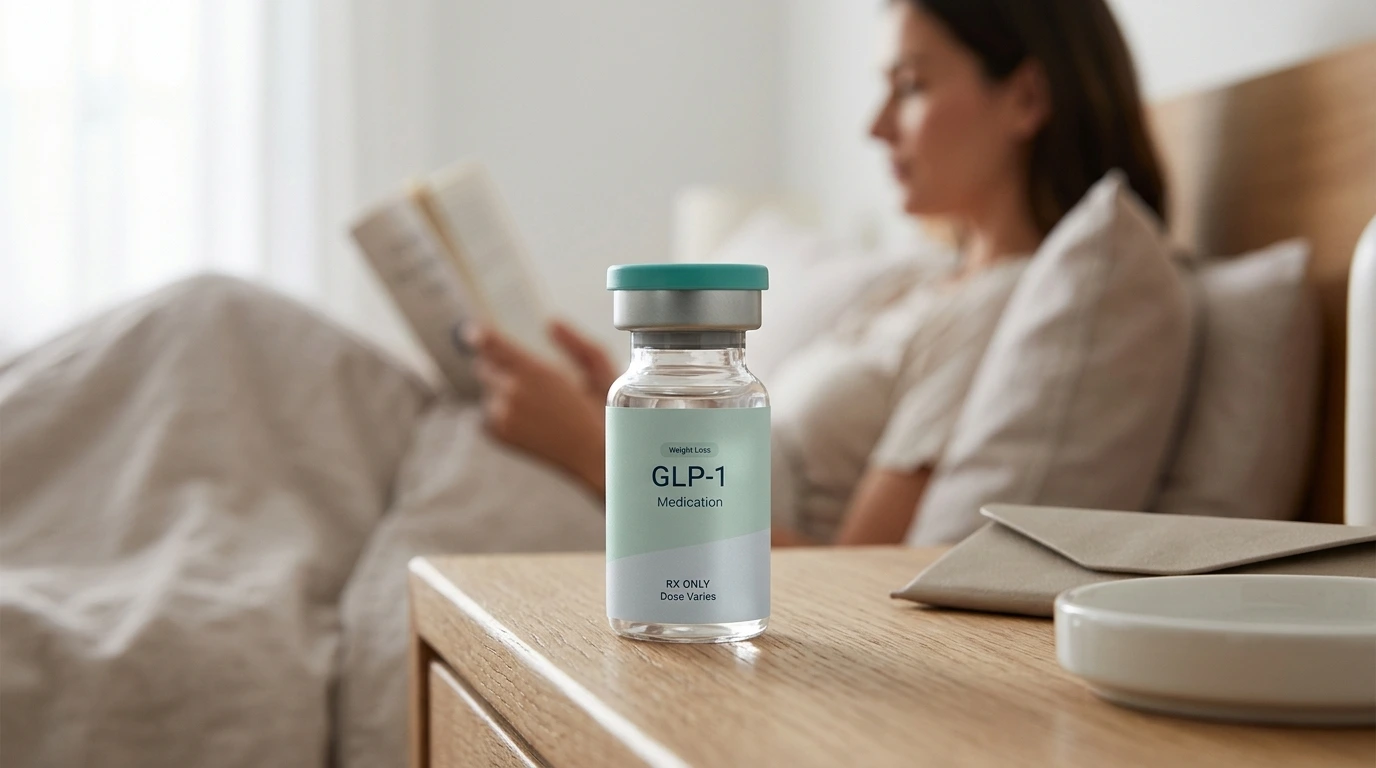
Semaglutide is a medication that belongs to a class of drugs known as glucagon-like peptide-1 (GLP-1) receptor agonists. This medication was originally developed to help manage blood sugar levels in adults with type 2 diabetes. However, researchers discovered that it also had a profound impact on weight management. It is the active ingredient found in branded medications like Ozempic® and Wegovy®.
A GLP-1 receptor agonist mimics a hormone that your body naturally produces in your gut after you eat. This hormone sends signals to your brain to let you know that you are full. It also slows down “gastric emptying,” which is the process of food moving out of your stomach. By slowing this process, semaglutide helps you feel satisfied for a longer period after a meal.
In addition to appetite regulation, semaglutide helps the body manage insulin more effectively. It encourages the pancreas to release the right amount of insulin when blood sugar levels are high and prevents the liver from releasing too much sugar. This dual action supports both metabolic health and sustainable weight loss when combined with lifestyle changes.
For additional context on how GLP-1 medications are used and monitored, review this guide to GLP-1 medication safety and medical supervision.
What is HCG (Human Chorionic Gonadotropin)?
Human chorionic gonadotropin, or HCG, is a hormone that the body naturally produces in large amounts during pregnancy. In a clinical setting, HCG is FDA-approved for specific medical purposes. These include treating certain types of infertility in women and addressing hormonal issues, such as hypogonadism, in men.
The “HCG diet” is a weight loss protocol that became popular several decades ago. This protocol typically involves taking HCG—either through injections, drops, or pellets—while following an extremely low-calorie diet. This diet often limits intake to just 500 to 800 calories per day. Proponents of this method claim that the hormone helps the body burn stored fat while protecting muscle mass during periods of severe calorie restriction.
However, it is important to note the regulatory status of this hormone for weight management. While HCG has approved uses for fertility and hormone replacement, the FDA has not approved HCG for weight loss. The agency has stated that there is no substantial evidence that HCG increases weight loss beyond what is achieved through the restrictive diet itself.
Can I Take HCG and Semaglutide Together?
The direct answer is that you should never combine HCG and semaglutide without the explicit recommendation and supervision of a licensed healthcare provider. Currently, there are no large-scale clinical trials or peer-reviewed studies that establish the safety or effectiveness of taking these two substances together for weight loss.
Quick Answer: There is no established clinical data confirming that combining HCG and semaglutide is safe or more effective than using semaglutide alone. Combining them carries risks of severe nutritional deficiencies and metabolic stress, especially if paired with a low-calorie diet.
When you introduce two different substances that affect your hormones and metabolism, you increase the complexity of your treatment. Semaglutide is designed to be a long-term tool for chronic weight management. The HCG diet is typically used as a short-term, high-intensity intervention. Because they serve different purposes and have different safety profiles, using them at the same time can lead to unpredictable results.
If you are considering prescription treatment, you can complete a free eligibility assessment so a licensed provider can review your health profile.
The Potential Risks of Combining Treatments
Mixing medications and hormones without clinical data creates several safety concerns. Because semaglutide already significantly reduces your appetite, adding another hormone associated with a restricted diet can lead to health issues.
Nutritional Deficiencies and Muscle Loss
One of the greatest risks of combining these treatments is the potential for “malnutrition.” Semaglutide makes you feel full very quickly. If you are also following an HCG protocol that mandates a very low calorie count, you may find it nearly impossible to eat enough food to sustain your body.
When you do not consume enough calories or protein, your body may begin to break down muscle tissue for energy. This is known as muscle wasting. Losing muscle is counterproductive to weight loss because muscle is metabolically active. A lower muscle mass can slow down your metabolism, making it harder to maintain your results in the long run.
For more information, read about protecting lean mass during GLP-1 weight loss.
Gastrointestinal Stress
Both semaglutide and HCG are known to cause gastrointestinal side effects. Common side effects of semaglutide include nausea, vomiting, diarrhea, and constipation. HCG can also cause digestive discomfort in some individuals. Combining the two may amplify these symptoms, leading to severe nausea or dehydration.
Increased Risk of Gallstones
Rapid weight loss is a known risk factor for the development of gallstones. Both the HCG diet and GLP-1 medications can lead to relatively quick drops in weight. When weight loss is accelerated beyond a healthy pace through combination therapy, the stress on the gallbladder increases significantly. This can lead to painful stones or the need for surgical intervention.
Electrolyte Imbalances
Following an extremely low-calorie diet while taking a medication that slows digestion can interfere with your body’s balance of minerals. Electrolytes like potassium, sodium, and magnesium are essential for heart and nerve function. If you are not consuming enough nutrients, you may experience dizziness, fatigue, or even heart palpitations.
Key Takeaway: Combining multiple weight loss agents increases the metabolic “load” on your body. Without clinical supervision, this can lead to muscle loss and nutrient gaps that stall your long-term progress.
For a broader discussion of supplements and nutritional support alongside semaglutide, see this overview of semaglutide, supplements, and fat burners.
Clinical Contexts: When the Combination is Used
While the “HCG diet” combined with semaglutide is generally discouraged for weight loss, there are specific medical scenarios where a provider might prescribe both. This is most common in the field of men’s health and hormone replacement therapy (HRT).
In some cases, men who are using semaglutide for weight loss may also be treated with HCG to address low testosterone levels or to preserve fertility. When men lose a significant amount of weight, their natural hormone levels can shift. A specialist might use HCG to stimulate the body’s natural production of testosterone while the patient uses a GLP-1 to manage their weight.
If you are a man considering this combination for hormonal health, it is vital to work with a specialist who can monitor your blood work regularly. This is not a “DIY” weight loss strategy; it is a clinical intervention for a specific hormonal deficiency.
Comparing the Two Approaches
Understanding the differences between these two methods can help you see why they are rarely used together for the sole purpose of losing weight.
| Feature | Semaglutide (GLP-1) | HCG Protocol |
|---|---|---|
| FDA Approval | Approved for Diabetes & Weight Loss* | Approved for Fertility & Hormones only |
| Mechanism | Mimics GLP-1; slows digestion | Mimics pregnancy hormone; targets fat* |
| Dietary Requirement | Healthy, sustainable calorie deficit | Extremely low calorie (500–800 kcal) |
| Long-term Use | Intended for long-term management | Usually limited to 3–6 week cycles |
| Primary Goal | Appetite control and metabolic health | Rapid fat mobilization (unproven) |
*Note: Branded semaglutide like Wegovy® is FDA-approved for weight loss. Compounded semaglutide is not FDA-approved.
The Role of Personalization in Weight Loss
At TrimRx, we focus on providing a program that is tailored to your specific needs. We understand that there is no such thing as a one-size-fits-all solution for metabolic health. If you feel that your progress on a GLP-1 medication has stalled, the answer is rarely to add an unproven hormone like HCG on your own.
Instead, a personalized program looks at your entire health profile. This may involve adjusting your dosage, evaluating your nutritional intake, or addressing lifestyle factors like sleep and stress. Our platform connects you with licensed providers who can make these adjustments safely. When you use the free assessment quiz, we gather the information necessary to build a plan that prioritizes your long-term health over a quick, unsustainable fix.
The Importance of Medical Supervision
Whether you are interested in semaglutide, tirzepatide, or other weight management options, medical supervision is the common thread in successful outcomes. Telehealth has made it easier than ever to access this professional guidance without the need for in-person waiting rooms.
A provider can help you distinguish between a temporary weight loss plateau and a need for a medication adjustment. They can also screen for contraindications. For example, semaglutide should not be used by individuals with a personal or family history of medullary thyroid carcinoma or Multiple Endocrine Neoplasia syndrome type 2 (MEN 2). Similarly, HCG use must be carefully monitored to ensure it does not negatively impact your natural hormone production.
Sustainable Weight Loss vs. The “Crash Diet” Mentality
The appeal of taking HCG and semaglutide together often stems from a desire for the fastest possible results. However, history has shown that rapid “crash” weight loss often leads to weight regain. This is because the body interprets severe calorie restriction as a sign of starvation, which can lower your basal metabolic rate.
Modern weight loss medications like semaglutide and tirzepatide are designed to move away from the starvation model. They allow you to eat smaller, healthier portions while still feeling satisfied. This approach helps you build new habits that can be maintained for years.
Bottom line: Success in weight management is measured by sustainability. Adding HCG to a semaglutide regimen without medical cause often reinforces a restrictive cycle that is difficult to maintain and potentially harmful to your metabolism.
If your progress has slowed, this guide explains why weight loss plateaus can happen on semaglutide.
How to Get Started Safely
If you are currently taking HCG for fertility or hormone reasons and wish to start a weight loss medication, your first step is a consultation. You must disclose all current medications and supplements to your provider. This ensures that they can monitor for interactions and adjust your program accordingly.
For those who are simply looking to enhance their results, consider the following steps:
- Consult a Professional: Never start or combine hormones and medications on your own.
- Focus on Nutrition: Ensure you are getting adequate protein to protect your muscle mass.
- Monitor Your Progress: Keep track of how you feel, not just the number on the scale.
- Use Support Tools: Consider supplements like GLP-1 Daily Support to help manage common side effects like occasional nausea or digestive changes.
For additional metabolic and energy support during weight loss, explore the Weight Loss Boost supplement.
Why Quality and Sourcing Matter
When researching HCG or semaglutide, you may find various products sold online without a prescription. It is critical to avoid these “black market” or “research only” substances. They are often unverified, potentially contaminated, and dangerous.
We provide a secure and transparent way to access weight loss medications. We partner with FDA-registered, inspected compounding pharmacies to ensure that the medications you receive meet high standards of quality. Whether it is compounded semaglutide or tirzepatide, the medications are prepared specifically for you based on a provider’s prescription.
Moving Toward Your Goals with TrimRx
The journey to a healthier weight is about more than just a single medication or hormone. It is about finding a balance that works for your body and your life. While the idea of combining HCG and semaglutide might seem like a shortcut, the lack of safety data makes it a risky path for most people.
At TrimRx, our mission is to provide you with the tools, technology, and clinical expertise needed for a successful transformation. We prioritize science and empathy, ensuring that you never feel like you are navigating these complex health decisions alone. By focusing on a personalized, telehealth-based approach, we help you achieve results that are both meaningful and lasting.
If you are ready to explore a weight loss plan that is built for your unique health profile, the next step is simple. By participating in our free assessment, you can begin a conversation with a licensed professional who can guide you toward the right treatment.
FAQ
Is it safe to take HCG and semaglutide together for faster weight loss?
There is no clinical evidence to support the safety or efficacy of combining HCG and semaglutide for weight loss. Doing so without medical supervision can lead to severe nutrient deficiencies, muscle loss, and increased gastrointestinal side effects.
Does HCG help prevent muscle loss while taking semaglutide?
While some proponents of the HCG diet claim the hormone protects muscle, the FDA has stated there is no substantial evidence for this in weight loss contexts. To protect muscle while taking semaglutide, it is more effective to focus on adequate protein intake and resistance training. Guidance on this topic is available in this article about preserving muscle during GLP-1 treatment.
Can men take HCG and semaglutide together?
In certain clinical settings, such as testosterone replacement therapy (TRT), a doctor may prescribe both to manage hormones and weight. However, this must be done under strict medical supervision and is not intended as a general weight loss strategy.
What should I do if my weight loss on semaglutide has slowed down?
If you reach a plateau, consult your healthcare provider rather than adding unapproved medications. They may recommend a dosage adjustment, dietary changes, or a different GLP-1 medication based on your progress and health history. You can also complete a free eligibility assessment to begin the evaluation process.
Disclaimer: This content is for informational purposes only and does not constitute medical advice. It is not intended to diagnose, treat, cure, or prevent any disease or condition. Individual results may vary. Always consult a qualified healthcare professional before starting any weight loss program or medication.

Transforming Lives, One Step at a Time
Keep reading
Semaglutide vs Tirzepatide: Comparing Weight Loss, Blood Sugar, and Side Effects
Semaglutide and Tirzepatide are one of the most common comparisons in medical weight loss. The two medications share a clear family resemblance. Both are…

How Much Weight Can You Lose on Semaglutide?
How much weight can you lose on semaglutide? The answer varies depending on your starting weight, dosage, treatment duration, and individual response to the…

Hair Shedding Months Into Semaglutide
It shows up in the shower drain first, then on the pillow, then in the brush. By the time most people search this, they…


