Can I Take My Ozempic Shot at Night? Best Timing for Results
Introduction
Choosing the right moment to start your weekly medication can feel like a significant decision, especially when you are balancing a busy schedule with the hope of minimizing side effects. You might be standing in your kitchen, pen in hand, wondering if an evening dose will help you sleep through potential nausea or if a morning shot is better for your routine. At TrimRx, we know that the “perfect” time is often the one that feels most sustainable for your unique lifestyle. While there is no strict clinical requirement for when to administer your injection, many people find that timing plays a major role in how they feel during their first few days of treatment. This post covers the flexibility of injection timing, the differences between morning and evening doses, and how to manage your schedule for the best results. The best time to take your Ozempic® shot is ultimately the time that allows you to remain consistent every single week.
Quick Answer: Yes, you can take your Ozempic® injection at night. The medication is designed for once-weekly use and remains effective regardless of the time of day it is administered, provided you stay consistent with your chosen day.
Can You Take Your Ozempic Shot at Night?
The short answer is yes. According to the manufacturer’s guidelines and clinical standards, the timing of an Ozempic® (semaglutide) injection does not impact its effectiveness. Because semaglutide is a long-acting medication with a half-life of approximately seven days, it stays in your system at a relatively steady level throughout the week. Unlike medications that require precise timing around meals or sleep cycles to work, the “steady state” of GLP-1 medications means your body focuses on the weekly accumulation rather than the specific hour of the day.
At TrimRx, we emphasize that flexibility is one of the greatest benefits of this treatment. Whether you prefer to take your shot at 8:00 AM or 10:00 PM, the medication will still work to regulate your blood sugar and support your weight management goals. The primary goal is to ensure the medication is administered subcutaneously—meaning under the skin—once every seven days. If you are considering whether prescription treatment may be appropriate for you, you can complete a free eligibility assessment.
How Injection Timing Affects Your Experience
While the time of day doesn’t change how the medication interacts with your receptors, it can certainly change how you experience the medication. Semaglutide belongs to a class of drugs called glucagon-like peptide-1 (GLP-1) receptor agonists. These work by mimicking a hormone that targets areas of the brain that regulate appetite and food intake. They also slow down gastric emptying, which is the process of food leaving your stomach.
This slowing of digestion is exactly what helps you feel full longer, but it is also the primary cause of common side effects like nausea or a “heavy” stomach feeling. Because the peak concentration of the medication in your bloodstream typically occurs 1 to 3 days after the injection, the hours immediately following your shot are when you might first notice these changes. For a broader overview, read this guide to semaglutide side effects and management.
The Argument for Nighttime Injections
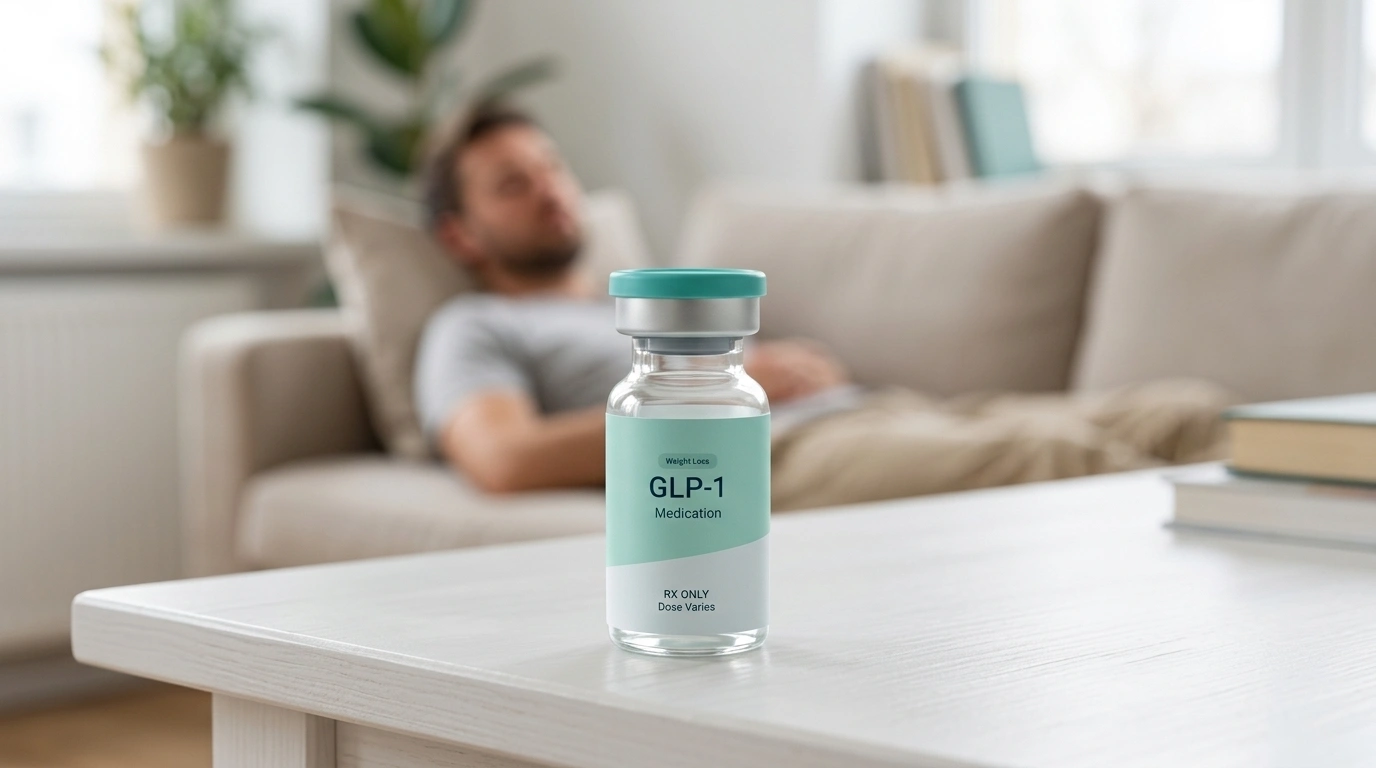
Many individuals choose to take their injection shortly before bed. The logic behind this is simple: if the medication causes mild nausea or fatigue shortly after administration, you may be able to sleep through the peak of those initial symptoms. For someone with a demanding job or a busy morning routine with children, avoiding daytime nausea is a top priority.
Potential Benefits of Nighttime Dosing:
- Sleeping through nausea: If you experience a wave of queasiness a few hours after your shot, being asleep can make this much more manageable.
- Lowered daytime stress: You don’t have to worry about how you will feel during a mid-morning meeting or while running errands.
- Consistent routine: For many, the evening wind-down is the most predictable part of their day, making it easier to remember the weekly dose.
The Argument for Morning Injections
On the other hand, some people prefer to get the task out of the way first thing in the morning. If you are a “morning person” who finds that your energy and focus are highest early in the day, adding your weekly shot to your Saturday or Sunday morning routine might be the best way to ensure you never forget it.
Potential Benefits of Morning Dosing:
- Active monitoring: If you are new to the medication, you might feel more comfortable being awake so you can monitor how your body reacts.
- Avoiding sleep disruption: While rare, some people find that the physical sensation of the injection or the onset of side effects can make it harder to fall asleep if taken right before bed.
- Easier storage access: If your medication is kept in the refrigerator, you are likely already in and out of the kitchen during breakfast time.
Key Takeaway: There is no clinical “best” time to inject semaglutide; the decision should be based on your personal preference and how your body responds to the medication.
Morning vs. Evening: A Comparison
When deciding between a morning or evening injection, it can be helpful to look at how each fits into a standard lifestyle.
| Factor | Morning Injection | Evening Injection |
|---|---|---|
| Side Effect Management | You can manage nausea with small meals during the day. | You may sleep through the initial onset of nausea. |
| Routine Integration | Pairs well with morning coffee or vitamins. | Pairs well with evening skin care or nightly rituals. |
| Memory Cues | Harder to forget if it’s the first thing you do. | May be forgotten if you are overly tired at bedtime. |
| Activity Level | You are upright and moving, which can help some feel better. | You are resting, which is ideal if the shot causes fatigue. |
Managing Side Effects Through Strategic Timing
If you are struggling with side effects, adjusting your timing is one of the first strategies a provider might suggest. Nausea is the most frequently reported side effect of GLP-1 medications. This happens because the medication tells your brain you are full while simultaneously slowing down your stomach.
If you find that you are consistently nauseated the day after your shot, you might try moving a morning injection to the evening. This shift allows the “peak” of that initial dose to occur while you are resting. Conversely, if you find that you have “sulfur burps” or indigestion that keeps you awake at night, moving the shot to the morning might give your body more time to adjust while you are upright and active.
Tips for Reducing Discomfort Regardless of Time
- Stay Hydrated: Dehydration can worsen the feeling of nausea. Drink plenty of water throughout the day of your injection.
- Eat Lightly: On the day of your shot, avoid heavy, greasy, or highly spicy meals. A “heavy” stomach combined with slowed digestion can lead to significant discomfort.
- Injection Site Rotation: You can inject in the abdomen, thigh, or upper arm. Some people report fewer side effects when injecting in the thigh compared to the stomach, though this is largely anecdotal.
The Importance of Consistency
While the hour of the day is flexible, the day of the week is not. Our personalized programs emphasize that the key to weight loss success with semaglutide is maintaining a steady level of the medication in your system. This requires taking the dose on the same day every single week. For additional guidance, explore these tips for sticking to a GLP-1 injection schedule.
If you choose Sunday at 8:00 PM, you should aim for every Sunday evening. This consistency helps your body predict the medication’s arrival and helps maintain the hormonal balance required to suppress appetite effectively.
Changing Your Injection Day
Life happens. Sometimes a weekend trip or a change in work schedule means your current injection day no longer works for you. You can change the day of your weekly injection as long as the time between two doses is at least 48 hours (two days).
For example, if you usually take your shot on Friday but want to move it to Sunday, you can simply wait until Sunday to take your next dose. From that point forward, Sunday becomes your new “shot day.” You should not take two doses within the same 48-hour period, as this can significantly increase the risk of severe gastrointestinal side effects.
Differences Between Injectable and Oral Medications
It is vital to distinguish between the injectable form of semaglutide and the oral version. While injectable Ozempic® and Wegovy® offer total flexibility regarding the time of day and meal timing, oral semaglutide (known by the brand name Rybelsus®) has very strict requirements.
Oral semaglutide must be taken:
- First thing in the morning on an empty stomach.
- With no more than 4 ounces of plain water.
- At least 30 minutes before eating, drinking anything else, or taking other oral medications.
If you are using an oral format, taking it at night is generally not an option, as the medication will not be absorbed properly if there is food in your stomach or if you do not follow the 30-minute fasting window afterward. If you prefer the flexibility of nighttime dosing, the injectable program may be a better fit for your lifestyle. You can also review this comparison of injectable and oral GLP-1 timing.
Practical Tips for Your Injection Routine
Establishing a habit is the best way to ensure long-term success. Even though you only have to remember it once a week, those seven days can fly by, and it is easy for a dose to slip your mind.
Step 1: Set a Recurring Alert Don’t rely on your memory. Set a weekly alarm on your phone or a recurring event in your digital calendar. Label it clearly so you don’t accidentally dismiss it.
Step 2: Link the Shot to a Weekly Event “Habit stacking” is a powerful tool. Pair your injection with something you already do every week, such as taking out the trash, watching a specific Sunday night TV show, or doing your weekly meal prep.
Step 3: Proper Storage and Prep Keep your pens in the refrigerator as directed. If you find the cold liquid uncomfortable, you can take the pen out of the fridge about 30 to 60 minutes before your injection to let it reach room temperature. Just make sure it stays out of direct sunlight and away from extreme heat.
Step 4: Keep a Simple Log Note the date, time, and injection site (e.g., “Left Thigh”) in a notebook or a notes app on your phone. This helps you rotate sites correctly and track how you feel afterward.
Bottom line: Consistency is more important than the specific hour; choose a time that reduces your side effects and fits your weekly rhythm.
What to Do If You Miss a Dose
Missing a dose can cause anxiety, but there is a clear protocol to follow. The steps depend on how much time has passed since your scheduled day. This missed-dose guide for weekly GLP-1 injections can help you review the next steps.
- If it has been 5 days or less: Take the missed dose as soon as you remember. Then, continue with your regular scheduled day for the next dose.
- If it has been more than 5 days: Skip the missed dose entirely. Wait until your next regularly scheduled day to take your next dose.
- Never double up: Do not take two doses at once to make up for a missed one. This can lead to severe nausea, vomiting, or other complications.
If you miss more than two weeks of doses, it is important to contact your healthcare provider or the specialists through our platform. They may recommend restarting at a lower dose to allow your body to re-adjust and avoid a sudden “shock” to your digestive system.
How TrimRx Supports Your Journey
At TrimRx, we believe that weight loss is about more than just a prescription. It is about having a support system that helps you navigate the practicalities of treatment. Our telehealth-first model means you have 24/7 access to a team that can help you decide which medication is right for you and how to manage your dosing schedule. Take the free assessment quiz to explore whether a personalized program may fit your goals.
Whether you are prescribed Ozempic®, Wegovy®, or Compounded Semaglutide, we ensure you have the tools to succeed. Our programs include the medical consultation, the medication, and the ongoing support needed to adjust your plan as your body changes. We also offer specialized supplements, such as GLP-1 Daily Support, which can help provide the nutrients your body needs while your appetite is suppressed.
Conclusion
The flexibility of taking your Ozempic® shot at night or in the morning is a major advantage of GLP-1 therapy. By listening to your body and observing how you react to the medication, you can tailor your injection time to minimize side effects and maximize your comfort. Whether you choose the evening to sleep through nausea or the morning for the sake of routine, the most critical factor is showing up for yourself once every seven days.
Our mission at TrimRx is to provide a science-backed, empathetic environment where you can pursue your health goals with confidence. We focus on the whole person, merging clinical expertise with the convenience of modern telehealth to make sustainable weight loss achievable.
Ready to see which program fits your life? Take our free assessment quiz today to explore personalized options and connect with a licensed provider who can guide you through your first dose and beyond.
FAQ
Does taking Ozempic at night reduce nausea?
Many people report that injecting in the evening helps them sleep through the initial peak of nausea that can occur after a dose. While this is not a clinical guarantee, it is a common and safe strategy used by many to improve their comfort during the first few days of the weekly cycle. You can also review these semaglutide side effect management tips for additional context.
Can I change my Ozempic day from morning to night?
Yes, you can move your injection from the morning to the evening on the same day without any issues. If you wish to change the day entirely, ensure there are at least 48 hours between your last dose and your new scheduled time to avoid an excessive buildup of the medication in your system.
Do I need to take my Ozempic shot with food?
No, injectable semaglutide can be taken with or without food. Because it is administered under the skin rather than through the digestive tract, your meal timing does not affect how the medication is absorbed or how well it works to regulate your hormones.
What happens if I take my Ozempic shot a few hours late?
Taking your shot a few hours later than usual on your scheduled day will not impact the effectiveness of the treatment. The medication has a very long half-life, so a small delay of a few hours is not significant; simply take it as soon as you can and remain on your usual schedule for the following week. If you need help evaluating your treatment options, you can complete a free eligibility assessment.
Disclaimer: This content is for informational purposes only and does not constitute medical advice. It is not intended to diagnose, treat, cure, or prevent any disease or condition. Individual results may vary. Always consult a qualified healthcare professional before starting any weight loss program or medication.

Transforming Lives, One Step at a Time
Keep reading

Can You Sunbathe With an Injection Site Bruise on Ozempic?
You can, and the better answer is to cover that specific spot. Ultraviolet light on skin that is actively healing can trigger post-inflammatory hyperpigmentation,…

Can You Swim Right After Injecting Ozempic?
Essentially yes. Once the needle is out and you have held it in place for the recommended few seconds, the medication is in your…

Can You Take Ozempic While Recovering From Surgery?
The timing of restarting is a decision for your surgical team, and it is worth asking before you leave rather than working it out…


