Can I Take Tirzepatide on a Plane? Your Travel Guide
Introduction
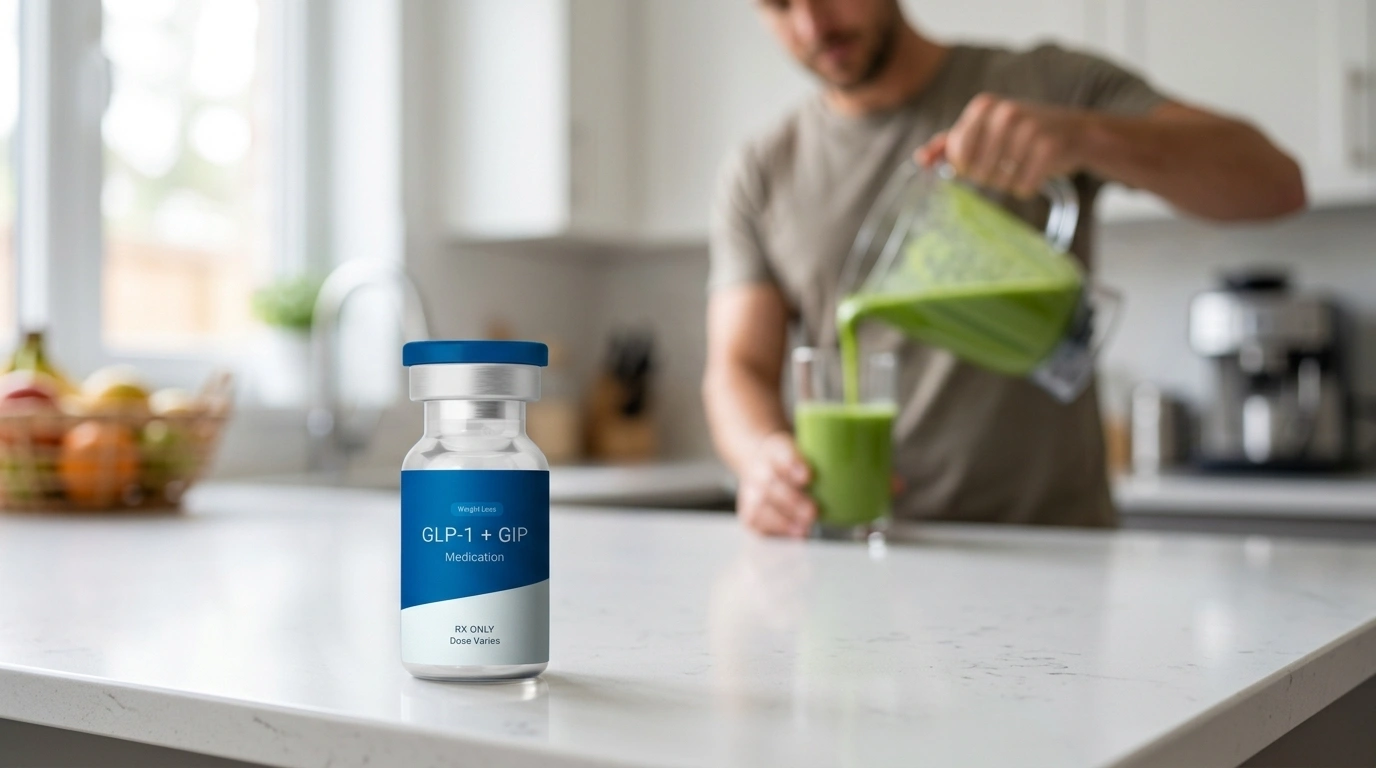
Planning a getaway should be a time of excitement, yet for those of us managing our health with GLP-1 medications, it often brings a wave of logistical anxiety. You might find yourself wondering if your medication will survive a long-haul flight or if a TSA agent will question the pens in your carry-on. The short answer is yes—you can absolutely take tirzepatide on a plane, and with the right preparation, the process is quite straightforward. At TrimRx, we believe that your health journey should fit into your life, not restrict it. Whether you are using Mounjaro®, Zepbound®, or compounded tirzepatide, understanding the specific rules for air travel is essential for maintaining the integrity of your treatment. If you are ready to see whether a personalized program is right for you, you can take the free assessment quiz. This post covers everything from TSA protocols and temperature management to handling time zone shifts so you can travel with confidence.
Navigating TSA and Airport Security
The most common concern for travelers is getting through the security checkpoint without a hassle. The Transportation Security Administration (TSA) has clear guidelines regarding medically necessary liquids and injectables. For a broader look at travel rules for this medication class, our guide on traveling with GLP-1 medications is a helpful companion. Unlike your shampoo or bottled water, prescription medications like tirzepatide are exempt from the standard 3.4-ounce (100ml) liquid limit.
When you reach the security bin, it is helpful to be proactive. You do not necessarily have to wait for an officer to ask; you can simply state that you have medically necessary injectable medications. This transparency often speeds up the process. While you are not legally required to keep your pens in their original packaging for domestic flights, doing so is highly recommended. The pharmacy label acts as an immediate proof of prescription, which can prevent unnecessary delays or questioning.
Quick Answer: Yes, you can bring tirzepatide on a plane. TSA allows both the medication pens and unused syringes in carry-on luggage. You should declare them at the security checkpoint and, if possible, keep them in their original packaging with the prescription label attached.
The Carry-On Rule
There is one rule that is more important than all others: Never put your tirzepatide in checked luggage. The cargo hold of an airplane is not climate-controlled in the same way the cabin is. Temperatures in the hold can drop to freezing levels at high altitudes or reach extreme heat while the plane is sitting on the tarmac. If you want a practical breakdown of how to pack medication safely for flights, the guide on how to travel with compounded semaglutide covers this in more detail.
Freezing is particularly damaging to tirzepatide. If the liquid in your pen freezes, the protein structure of the medication can break down, rendering it ineffective. Even if it thaws and looks normal, it may no longer provide the metabolic support you need. Keeping your medication in your carry-on or personal item ensures it remains in a temperature-stable environment alongside you.
X-Ray Machines and Scanners
A frequent question we hear is whether the radiation from airport X-ray machines will damage the medication. If you want a medication-specific breakdown of airport screening and temperature handling, our semaglutide storage, travel, and handling guide is worth reading. Current clinical consensus and manufacturer guidance indicate that X-ray screening does not affect the stability or safety of GLP-1 (glucagon-like peptide-1) or GIP (glucose-dependent insulinotropic polypeptide) medications like tirzepatide. You can safely let your pens pass through the conveyor belt scanner. If you prefer a manual inspection, you have the right to request one, though it may take slightly longer.
Understanding Tirzepatide Storage and Stability
Tirzepatide is a biologic medication, meaning it is made from complex proteins that are sensitive to their environment. To keep your program on track, you must respect the temperature boundaries of the medication. Whether you are using a branded version like Mounjaro® or Zepbound®, or a version prepared by one of our partner FDA-registered compounding pharmacies, the principles of stability remain similar.
Temperature Windows for Branded Tirzepatide
Branded tirzepatide pens are typically stored in the refrigerator between 36°F and 46°F (2°C to 8°C). However, they are designed to withstand room temperature for a limited time. If you are still deciding which GLP-1 medication fits your lifestyle best before starting treatment, the TrimRx intake quiz walks you through your options based on your health profile and goals.
- Mounjaro® and Zepbound®: These can generally stay at room temperature—up to 86°F (30°C)—for up to 21 days.
- The “No Return” Rule: This is a critical distinction for tirzepatide compared to other GLP-1s. Once a tirzepatide pen has reached room temperature, it should not be put back into the refrigerator. The 21-day clock begins the moment the medication leaves the fridge.
Because of this, if your trip is shorter than three weeks, you may not even need a cooling case, provided your destination and travel path stay below 86°F. If you are traveling to a tropical climate or a location where you cannot guarantee air conditioning, an insulated travel case becomes a necessity.
Compounded Tirzepatide Storage
If you are part of our program and receive compounded tirzepatide, your storage instructions might vary slightly depending on the specific formulation and the pharmacy’s guidance. For readers comparing different GLP-1 storage needs, how long semaglutide stays good for is another useful reference. Generally, compounded medications are also refrigerated to maintain a longer shelf life. Always refer to the specific literature provided with your shipment. If the pharmacy recommends constant refrigeration, you should use a medical-grade cooling pouch for the duration of your flight.
Key Takeaway: Tirzepatide is sensitive to extreme temperatures. While it can survive at room temperature for up to 21 days, it should never be frozen and should be kept away from direct sunlight and heat above 86°F.
Essential Packing List for Your Journey
Preparation is the enemy of stress. When packing for a flight with tirzepatide, consider the following items to ensure your treatment remains seamless:
- Insulated Travel Case: Look for cases designed specifically for insulin or GLP-1 pens. Some use biogel packs, while others use evaporative cooling technology.
- TSA-Approved Ice Packs: If you use gel packs, ensure they are completely frozen solid when you go through security. TSA rules state that “frozen liquid items” are allowed through the checkpoint as long as they are solid at the time of screening. If they are slushy or melted, they may be subject to the 3-1-1 liquid rule.
- Backup Documentation: A digital or paper copy of your prescription and a brief letter from your provider can be invaluable, especially for international travel.
- Travel Sharps Container: You will need a safe place to dispose of used needles or pens. Many pharmacies sell pocket-sized sharps containers specifically for travel. If you do not have one, a heavy-duty plastic bottle with a screw-on lid can serve as a temporary solution until you can dispose of it properly.
International Travel Considerations
Flying across borders adds another layer of complexity. While tirzepatide is not a controlled substance, different countries have varying regulations regarding the import of prescription medications.
Customs and Documentation
When traveling internationally, always keep your medication in its original packaging with the pharmacy label clearly visible. This label links the medication to your identity and your provider’s authorization. We recommend carrying a printed copy of your prescription. In some regions, customs officials may be less familiar with tirzepatide than they are with older medications like insulin. Having your paperwork organized prevents misunderstandings.
Translation and Local Laws
If you are traveling to a country where English is not the primary language, it may be helpful to have a translated note explaining that the pens are for a chronic medical condition. Additionally, check the embassy website of your destination to ensure there are no specific restrictions on the amount of medication you can bring into the country. Most nations allow a 30- to 90-day supply for personal use.
Managing Dosing and Time Zones
One of the benefits of tirzepatide is its once-weekly dosing schedule. This makes it much easier to manage than daily medications when crossing multiple time zones. However, a significant shift in time can still be confusing. For a practical walkthrough of timing, packing, and routine changes, the article on GLP-1 and travel is a helpful next step.
The 48-Hour Window
Most clinical guidance suggests that as long as your doses are at least 3 days (72 hours) apart, you have some flexibility. If you typically take your dose on Monday morning in New York, but you find yourself in London on Monday morning, the 5-hour difference is negligible. You can simply take it at your usual time in the new time zone.
If you are traveling halfway around the world and the time difference is 12 hours or more, you may want to gradually shift your dose by a few hours over the weeks leading up to your trip, or simply take it on the same “calendar day” at your destination. The key is consistency and ensuring you do not skip a dose entirely, as this can lead to a surge in appetite or a return of metabolic symptoms.
Tips for Staying Consistent:
- Phone Alarms: Set a reminder on your phone that is labeled “Medication Dose” and set it to a specific day rather than a specific hour if you are crossing many zones.
- Calendar Sync: Mark your dose days on your digital calendar so you don’t lose track of the days while on vacation.
- Plan Around Travel Days: If your dose day falls exactly on a day when you will be on a 14-hour flight, it may be more comfortable to take the dose the evening before or the morning after your arrival.
Side Effect Management While Traveling
Travel is naturally stressful on the body. Changes in diet, dehydration from cabin air, and disrupted sleep can all exacerbate the common side effects of tirzepatide, such as nausea or indigestion.
Hydration is your best defense. Airplane cabins are notoriously dry, which can lead to dehydration. Since tirzepatide can already affect your fluid balance, it is vital to drink plenty of water before, during, and after your flight. Avoiding excessive caffeine and alcohol during the flight can also help keep your digestive system stable.
If you find that your symptoms flare up during travel, you might consider supplemental support. Our GLP-1 Daily Support supplement is designed to help bridge the gap, providing nutrients that may support digestive comfort and overall well-being during your program. Having these on hand can make the difference between a trip spent in the hotel room and a trip spent exploring.
Storage Comparison: Branded vs. Compounded
To help you visualize your needs, we have created a quick reference for storage requirements. Note that these are general guidelines; always follow the specific instructions provided by your healthcare provider or pharmacy.
| Medication Type | Ideal Storage | Room Temp Limit | Return to Fridge? |
|---|---|---|---|
| Mounjaro® / Zepbound® | 36°F – 46°F | 21 Days (up to 86°F) | No |
| Compounded Tirzepatide | 36°F – 46°F | Varies by Pharmacy | Consult Pharmacy |
| Ozempic® / Wegovy® | 36°F – 46°F | 56 Days / 28 Days | Yes |
Bottom line: While branded tirzepatide offers a 21-day window at room temperature, it is a “one-way street”—once it’s out, it stays out. Always protect your medication from heat over 86°F using an insulated bag.
Frequently Asked Questions About Flying with Tirzepatide
Can I skip a dose of tirzepatide while on vacation?
We generally do not recommend skipping doses, as this can disrupt the steady state of the medication in your system. This may lead to a return of hunger or decreased blood sugar control. If you are concerned about side effects during a specific event, consult your healthcare provider about slightly adjusting your dosing schedule instead of skipping it entirely.
What if my tirzepatide gets too warm on the plane?
If the medication is exposed to temperatures above 86°F for an extended period, it may lose potency. If the liquid in the pen appears cloudy, discolored, or contains visible particles, it should not be used. If you suspect your medication has overheated, contact your healthcare provider or the pharmacy for guidance before your next dose.
Do I need to tell the airline I am carrying needles?
No, you do not need to notify the airline in advance for domestic or most international flights. You only need to declare the medication and syringes to the TSA officers at the security checkpoint. The airline staff on the plane do not need to be informed unless you require assistance with disposal or a medical emergency occurs.
Can I use a regular thermos to keep my pens cold?
While a thermos provides insulation, it does not provide active cooling. If you use a thermos, be very careful not to let the pens touch ice directly, as this could freeze the medication. A dedicated medical cooling case is a much safer and more reliable option for protecting your investment in your health.
Moving Forward with Confidence
Traveling while on a medical weight loss program should be a seamless experience that complements your lifestyle. At TrimRx, we are committed to providing the tools and clinical support you need to navigate these logistical hurdles. Our personalized programs are built on the idea that weight loss is a journey—one that includes vacations, business trips, and life’s adventures.
By following the TSA guidelines, prioritizing carry-on storage, and keeping an eye on temperature, you can ensure that your tirzepatide remains effective no matter where the world takes you. If you are ready to start a program that offers this level of comprehensive support and access to GLP-1 medications, the first step is simple. You can complete the free assessment quiz to see whether our personalized approach is a fit for your goals.
We invite you to take our free assessment quiz to see which personalized program is right for your health profile and goals. Whether you are looking for compounded options or branded treatments, our team of specialists is here to guide you every step of the way—even at 30,000 feet.
FAQ
Does tirzepatide have to be declared at TSA?
Yes, it is best practice to declare your injectable medication and any associated syringes to the TSA officer at the beginning of the screening process. You can simply place them in a separate bin or tell the officer you have medically necessary liquids. This helps prevent delays if the scanner flags the pens for additional inspection.
Will the airplane’s X-ray machine ruin my tirzepatide?
No, the X-ray machines used at airport security checkpoints do not damage tirzepatide or other GLP-1 medications. The radiation levels are low and do not affect the molecular structure or safety of the proteins. You can safely place your medication on the conveyor belt.
Can I put my tirzepatide in my checked bag if I use a cooler?
No, you should never put tirzepatide in checked luggage, even with a cooler. The extreme pressure and temperature fluctuations in the cargo hold are unpredictable and can easily exceed the limits of a travel cooler. Always keep your medication in your carry-on luggage where the environment is controlled.
What should I do if I lose my medication while traveling?
If your medication is lost or stolen during your trip, contact your healthcare provider or the TrimRx support team immediately. Because these are prescription medications, you will need a new authorization, and we can help you navigate the steps for a replacement or advise you on how to manage your program until you return.
Disclaimer: This content is for informational purposes only and does not constitute medical advice. It is not intended to diagnose, treat, cure, or prevent any disease or condition. Individual results may vary. Always consult a qualified healthcare professional before starting any weight loss program or medication.

Transforming Lives, One Step at a Time
Keep reading

Should You Taper Off Tirzepatide or Just Stop? What the Evidence Says
There is very little direct evidence either way, and anyone who tells you otherwise is filling a gap with confidence. The withdrawal trials that…
Stalled on Tirzepatide Even After a Dose Increase: Your Options
The first thing to check is how long it has been since the increase, because most people ask this question too early. A dose…

Why Did Tirzepatide Stop Working After Three Months of Fast Loss?
Five things explain almost all of it, and the first is the least satisfying: the fast stretch was never going to last. Weight loss…


