Can I Use an Expired Ozempic Pen? Understanding Safety, Potency, and Storage
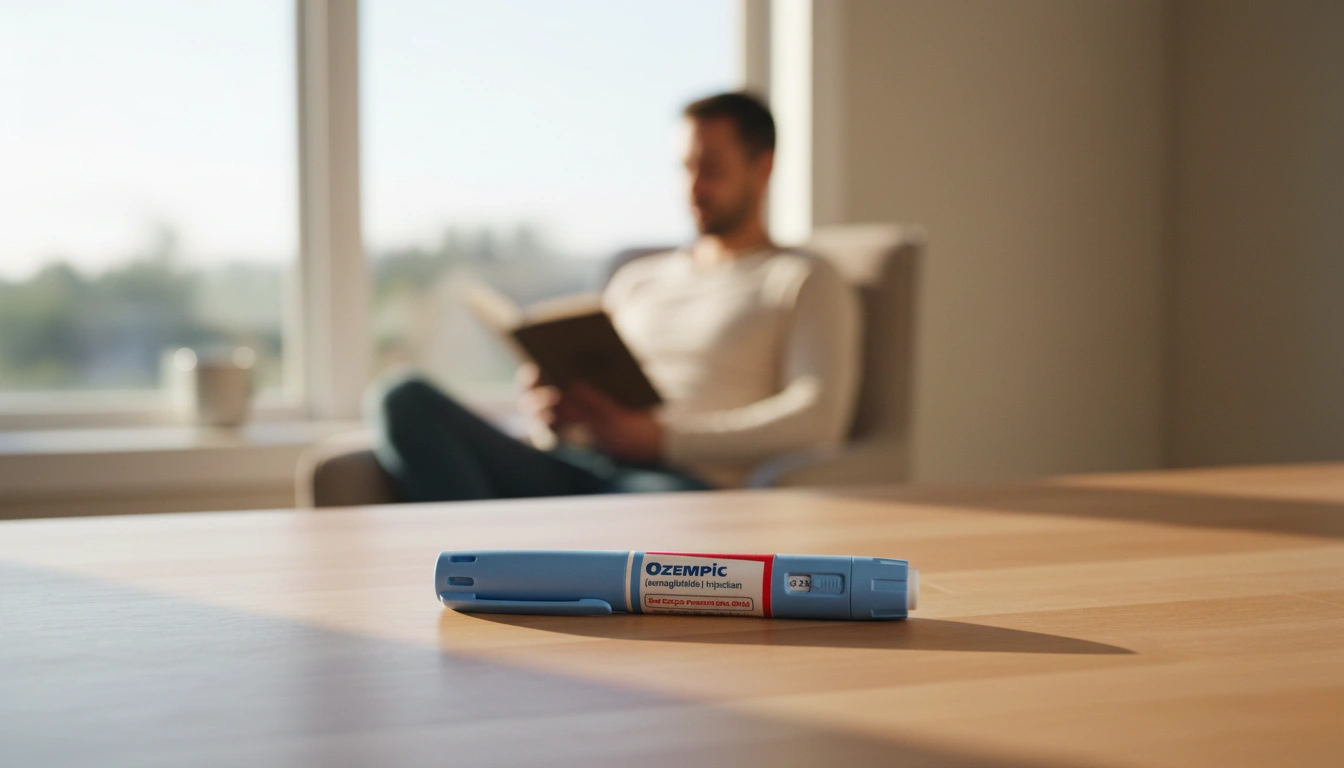
There’s a moment of unsettling realization when you reach for your vital medication, only to notice the expiration date staring back at you. Perhaps it’s an Ozempic® pen, a crucial part of your health management, and the date has just passed, or maybe it’s been sitting in the fridge longer than you remember since you first opened it. This common scenario sparks a critical question: can you use an expired Ozempic pen? The temptation to use what appears to be a perfectly good, albeit expired, medication can be strong, especially given the importance of consistency in your treatment plan and the value of your medication.
At TrimRx, our journey began with a shared vision to help individuals embrace healthier lifestyles by merging cutting-edge telehealth innovations with effective weight loss solutions. We understand these dilemmas, which is why our platform is designed as a user-friendly and supportive space where individuals receive personalized, medically supervised care. Our approach ensures that sustainable weight loss is attainable and tailored to the individual, built on science, empathy, and transparency. This post will delve into the critical factors surrounding medication expiration, specifically for GLP-1 receptor agonists like Ozempic®, shedding light on why these dates matter far more than you might think. We will explore the science behind medication stability, the potential risks of using expired products, and provide clear guidance on proper storage and disposal. By the end, you will have a comprehensive understanding of why adhering to expiration guidelines is paramount for your safety and the effectiveness of your treatment, all within the context of receiving transparent and trustworthy support for your health journey.
Introduction
Imagine you’re preparing for your weekly dose of an important medication, a cornerstone of your health strategy, and as you inspect the pen, you notice the expiration date has passed, or perhaps it’s been more than 56 days since its first use. This isn’t just a minor inconvenience; it’s a critical crossroads for your health. Medications like Ozempic®, a brand-name semaglutide injection, are precision tools in managing conditions such as type 2 diabetes and supporting weight loss. Their effectiveness hinges on their integrity, and that integrity is intrinsically linked to their expiration dates and proper storage.
The significance of medication expiration extends beyond a simple date on a package. For complex biological drugs, often referred to as biologics, like semaglutide, the stability and potency can degrade rapidly after their specified shelf life. Unlike a simple pain reliever that might merely lose a bit of its strength, a biologic can undergo structural changes that render it ineffective or, in rare cases, potentially harmful. This is a topic that impacts millions globally who rely on these advanced therapies to maintain their health and improve their quality of life.
Our purpose with this article is to empower you with essential knowledge regarding the use of expired Ozempic pens and similar GLP-1 medications. We will explore the nuanced differences between expiration dates and beyond-use dates, detailing what actually happens to these protein-based medications over time. Crucially, we’ll outline the significant risks associated with using compromised medication, from reduced efficacy that can undermine your treatment goals to potential safety concerns. We will also provide clear, actionable advice on optimal storage practices and what steps to take if you find yourself with an expired pen.
At TrimRx, we believe in providing compassionate care that respects every individual’s unique journey, combining advanced medical science with modern technology. Our commitment to transparent service means we want you to have all the information necessary to make informed decisions about your health. By understanding the critical role of medication integrity, you can ensure that your path to sustainable weight loss and better health is always safe and effective. Join us as we explore these vital considerations, equipping you with the knowledge to manage your medication with confidence and clarity.
The Science of Medication Expiration: Why Dates Matter for GLP-1s
When it comes to medications, especially advanced biologics like those in the GLP-1 class, the expiration date isn’t an arbitrary marker; it’s a carefully determined timeline backed by rigorous scientific testing. Understanding the distinction between different types of expiration dates and the unique properties of these medications is foundational to appreciating why using an expired Ozempic pen, or any other GLP-1 medication, is not recommended.
Expiration Dates vs. Beyond-Use Dates: A Critical Distinction
On the surface, an expiration date seems straightforward: it’s the date after which a product should not be used. However, for medications, particularly injectables and multi-dose pens, there’s another crucial timeframe to consider: the beyond-use date (BUD).
Manufacturer’s Expiration Date
This is the date printed on the medication packaging, often preceded by “EXP.” It represents the manufacturer’s guarantee that, when stored unopened and under specified conditions, the medication will retain its full potency, quality, and safety up to that specific day. For products like Ozempic® (semaglutide), an unopened pen, properly refrigerated, can remain stable for up to 36 months from its manufacturing date. This date signifies the end of the period during which the drug is chemically and physically stable and microbiologically acceptable. After this date, the manufacturer makes no promises.
Beyond-Use Date (BUD)
The beyond-use date is relevant once a medication has been removed from its original packaging, or, more importantly, when a multi-dose vial or pen has been punctured for the first time. For Ozempic®, once an unused pen is opened and its first dose is administered, a new clock begins. Regardless of the manufacturer’s expiration date on the box, an opened Ozempic pen is only stable for a limited time—typically 56 days (8 weeks) when stored correctly at room temperature or in the refrigerator. This shorter timeframe accounts for potential changes in sterility and chemical stability once the medication is exposed to air and repeated needle punctures.
It’s crucial to mark the date of first use on the pen itself to avoid confusion. This is a practice we strongly encourage as part of responsible medication management, ensuring you always know if your pen is within its safe usage window.
The Fragility of Biologics: Why Semaglutide is Different
Many common medications, like over-the-counter pain relievers, might retain significant potency for years past their expiration dates. However, biologics—medications derived from living organisms, like semaglutide—are entirely different.
Protein-Based Structure and Degradation
Semaglutide is a protein-based medication, specifically a glucagon-like peptide-1 (GLP-1) analog. Proteins are complex molecules, and their precise three-dimensional structure is critical for their biological activity. Think of it like a finely tuned machine; if any part of its intricate structure is altered, its function can be compromised.
Over time, or when exposed to adverse conditions, these protein molecules can undergo physical and chemical changes:
- Aggregation: Protein molecules can clump together, forming aggregates or fibrils. When this happens, the active medication becomes less available for absorption and utilization by the body, effectively reducing the dose you receive.
- Chemical Degradation: Proteins can also break down into smaller, inactive fragments. This chemical alteration directly reduces the amount of active ingredient present in the solution.
- Loss of Potency: Both aggregation and chemical degradation lead to a significant loss of potency. If your semaglutide is degraded, it simply won’t work as effectively in controlling blood sugar or supporting weight loss, leading to suboptimal results.
- Potential Immune Reactions: In some cases, aggregated protein drugs can potentially trigger unwanted immune responses in the body, although this is a less common concern for expired semaglutide specifically.
Visual Cues of Degradation
Always inspect your Ozempic pen before each use. The solution should be clear and colorless. If you notice any cloudiness, discoloration, floating particles, or crystals, these are strong indicators that the protein has started to break down. Such a pen should never be used, even if it appears to be within its printed expiration or beyond-use date. These visual signs are nature’s warning that the medication’s integrity has been compromised.
The Risks of Using Expired GLP-1 Medications
Understanding the fragility of protein-based medications like Ozempic® makes it clear why using an expired pen carries significant risks. These aren’t just minor inconveniences; they can directly impact your health outcomes and safety. Our commitment at TrimRx is to ensure you receive only effective and safe treatment, which is why we stress the importance of understanding these risks.
Reduced Effectiveness: Impact on Blood Sugar and Weight Loss
The most immediate and common risk of using an expired Ozempic pen is a significant reduction in its effectiveness. Semaglutide’s benefits are directly dose-dependent, meaning that higher, consistent doses produce better results for both blood sugar control and weight loss.
Compromised Therapeutic Goals
When a GLP-1 medication loses its potency due to expiration or improper storage, the active ingredient’s concentration diminishes. This means that even if you’re injecting the prescribed volume, the actual amount of active semaglutide your body receives is less than intended.
- For type 2 diabetes management: Reduced potency can lead to worsened blood sugar control. This can manifest as elevated glucose levels, increasing the risk of both immediate complications and long-term issues associated with uncontrolled diabetes. The medication simply won’t be able to stimulate insulin release or slow gastric emptying as effectively.
- For weight management: If you’re utilizing semaglutide for weight loss, a less potent dose means reduced appetite suppression, decreased feelings of fullness, and less impact on cravings. This can hinder your progress towards your weight loss goals, making it harder to adhere to dietary changes and achieve the health benefits you’re working towards.
- Return of Symptoms: For individuals who rely on the medication to manage specific symptoms or conditions, a reduction in effectiveness could lead to the return or worsening of those symptoms.
Our programs at TrimRx are designed for optimal results through medically supervised, personalized care. This includes ensuring that the medications you receive are at their full potency, providing you with the best chance for success on your journey to better health. We meticulously partner with FDA-registered and inspected pharmacies to ensure the integrity of your medication from dispensing to delivery, ensuring your treatment plan remains effective.
Increased Risk of Contamination and Infection
Injectable medications inherently carry a risk of bacterial or fungal contamination. While GLP-1 pens are designed for single-patient use and often contain preservatives, this protection is not indefinite, especially once the pen has been opened.
Compromised Sterility
Over time, or with repeated use of a multi-dose pen, the sterility of the solution can be compromised. Each time a needle is attached and the rubber stopper is punctured, there’s a minute chance of introducing microorganisms from the environment or from the skin. While preservatives help mitigate this risk for the intended usage period, their effectiveness can wane beyond the beyond-use date.
Studies on multi-dose medication vials, in general, have shown that bacterial growth can occur over time, even with proper technique. Injecting a contaminated solution can lead to:
- Local infections: Redness, swelling, pain, or abscesses at the injection site.
- Systemic infections: In more severe but rare cases, bloodstream infections, which can be serious and require immediate medical attention.
The integrity of injectable medications is paramount for patient safety. This is why our commitment to safety at TrimRx extends to every aspect of our service, from the rigorous standards of our partner pharmacies to the detailed guidance we provide on medication handling.
No Safety Guarantees from Manufacturers or Regulators
Once a medication passes its expiration date, the manufacturer no longer guarantees its strength, quality, purity, or safety. Regulatory bodies like the FDA explicitly warn against using expired drugs, stating that their effectiveness cannot be assured, and they could potentially form harmful breakdown products.
Unknown Chemical Changes
While there’s no widespread evidence that expired semaglutide becomes overtly toxic in the same way certain other medications might, the lack of safety data beyond the expiration date means you’re entering an unknown territory. The chemical changes that occur in the protein structure could theoretically lead to unforeseen side effects or reduced bioavailability, making the treatment unreliable.
For these reasons, healthcare providers and regulatory agencies uniformly advise against using expired injectable medications. At TrimRx, we echo this critical advice. Your health is our priority, and that means advocating for practices that ensure the highest standards of safety and efficacy in your weight loss journey. Our comprehensive service ensures that from your initial free assessment quiz to ongoing support, you always have access to safe, effective, and properly managed medications.
Optimal Storage Practices for GLP-1 Medications
While understanding the risks of using expired medication is crucial, preventing that situation through proper storage is equally important. Correctly storing your GLP-1 medications, whether it’s an Ozempic® pen, Compounded Semaglutide, Compounded Tirzepatide, or other forms like Mounjaro® or Zepbound®, ensures their stability and efficacy right up to their designated expiration or beyond-use date. At TrimRx, we prioritize transparent information and provide detailed guidance so you can confidently manage your treatment.
Before First Use: The Refrigeration Rule
For unopened GLP-1 pens, the golden rule is refrigeration. This is critical for maintaining the medication’s long-term stability and ensuring it remains potent until the manufacturer’s printed expiration date.
Specific Temperature Requirements
- Unopened pens should always be stored in the refrigerator at a temperature range typically between 36°F and 46°F (2°C and 8°C). This cool, consistent environment helps preserve the delicate protein structure of the semaglutide or tirzepatide.
- Do not store unopened pens at room temperature for extended periods. While some medications might tolerate brief excursions, consistent refrigeration is essential for maximizing their shelf life before first use.
- Never freeze your medication. Freezing is highly detrimental to protein-based drugs. If a GLP-1 pen has been frozen, even if it thaws, the protein molecules will have clumped together, rendering the medication ineffective and potentially unsafe. If this happens, the pen must be discarded immediately.
When you receive medications through TrimRx, our trusted FDA-registered and inspected pharmacy partners ensure they are shipped and stored according to strict guidelines, setting you up for success from the start.
After First Use: Flexibility and Time Limits
Once you’ve opened a GLP-1 pen and administered your first dose, the storage guidelines shift slightly, and a strict time limit, the beyond-use date (BUD), comes into play.
Room Temperature or Continued Refrigeration
- For Ozempic®, after the first use, the pen can be stored either in the refrigerator (36°F to 46°F / 2°C to 8°C) or at room temperature (typically 59°F to 86°F / 15°C to 30°C).
- Regardless of whether it’s refrigerated or kept at room temperature, an opened Ozempic pen must be used within 56 days (8 weeks). After this period, any remaining medication must be discarded.
- For other GLP-1 medications, especially compounded versions like our Compounded Semaglutide or Compounded Tirzepatide, the beyond-use date after first use may vary, often being shorter (e.g., 28 or 30 days). Always refer to the specific instructions provided with your medication from our FDA-registered and inspected pharmacies.
Protecting from Environmental Factors
- Keep the pen away from direct heat and light. High temperatures can cause rapid degradation of the protein, even if the medication is within its BUD. Avoid leaving pens in hot cars, near windows with direct sunlight, or close to heating vents.
- Always keep the pen cap on when not in use. This protects the medication from light and physical damage.
- Safely remove and discard the needle after each injection. Never store the pen with a needle attached, as this can increase the risk of contamination and air exposure.
We encourage you to set reminders for when your pen was first opened. This simple practice can prevent inadvertent use of medication past its beyond-use date. Our personalized approach at TrimRx includes providing you with the knowledge and support to manage your medication regimen effectively. If you’re considering a personalized weight loss program, you can always take our free assessment quiz to determine your eligibility and discuss specific medication storage needs with our providers.
Traveling with GLP-1 Medications
Traveling requires careful planning for medication storage to maintain its integrity.
- Use insulated travel cases: These can help maintain the correct temperature, especially for unopened pens needing refrigeration. Ensure the medication does not come into direct contact with ice to prevent freezing.
- Carry-on luggage: If flying, always keep your medication in your carry-on bag. Checked baggage compartments can experience extreme temperatures that could damage the medication.
- Avoid extreme temperatures in vehicles: Don’t leave medication in a hot or freezing car for extended periods. Keep it in the main cabin where temperatures are more controlled.
Adhering to these storage guidelines is a cornerstone of safe and effective medication use. It directly supports the results-oriented approach we champion at TrimRx, ensuring that every dose contributes maximally to your health and weight loss journey.
What Healthcare Providers Recommend and TrimRx’s Approach
When it comes to the integrity of medications, particularly injectable biologics like Ozempic®, healthcare providers and regulatory bodies are unequivocal: never use expired or improperly stored medications. This recommendation is rooted in a deep understanding of pharmaceutical science and an unwavering commitment to patient safety and treatment efficacy. At TrimRx, our values align perfectly with this principle, emphasizing a trustworthy and supportive approach to your health.
The Unanimous Medical Stance
Medical professionals and organizations globally emphasize the critical importance of adhering to medication expiration and beyond-use dates.
- FDA Guidelines: The U.S. Food and Drug Administration (FDA) explicitly states that once a drug passes its expiration date, there is no assurance of its safety or effectiveness. The FDA’s primary concern is that expired drugs may not work as intended, and their chemical composition could change in unpredictable ways, potentially leading to harmful breakdown products.
- American Diabetes Association (ADA): For individuals managing diabetes, organizations like the ADA routinely advise patients to check expiration dates on all their medications, including GLP-1 receptor agonists like semaglutide, before each use. Inadequate blood sugar control due to ineffective medication can have severe short-term and long-term consequences.
- U.S. Pharmacopeia (USP): Pharmacy standards, guided by organizations like the USP, often establish strict beyond-use dates for opened multi-dose injectables (e.g., 28 days for many insulin pens) to minimize the risk of contamination and maintain stability. While Ozempic® typically has a 56-day BUD, the principle remains the same: a strict limit after opening.
This cautious stance is adopted because the potential consequences of ineffective medication—whether it’s inadequate blood sugar control leading to complications, or a lack of progress in weight management—far outweigh the perceived benefit of using a compromised dose.
Our Commitment to Safety and Efficacy at TrimRx
At TrimRx, our brand is built on being empathetic, innovative, trustworthy, supportive, results-oriented, and personalized. These pillars directly inform our approach to medication management and patient care:
Partnering for Purity and Potency
We understand that the quality of your medication is paramount. That’s why TrimRx partners exclusively with FDA-registered and inspected pharmacies for the shipping of all weight loss medications. This critical partnership ensures that:
- Medication integrity: From manufacturing to delivery, your prescription medications, whether they are branded options like Ozempic®, Mounjaro®, Zepbound®, or Wegovy®, or expertly formulated Compounded Semaglutide or Compounded Tirzepatide, adhere to the highest standards of quality control. We want to be clear: compounded medications are not FDA-approved, but the pharmacies we work with for all our medications are FDA-registered and inspected.
- Proper handling and storage: Our pharmacy partners are experts in maintaining the correct temperature and environmental conditions during storage and transit, so your medication arrives ready and effective.
- Transparency: We commit to transparent service, ensuring you have confidence in the source and quality of your treatment, with no hidden fees in our comprehensive service, which includes doctor consultations, medication, lab work, unlimited support, and shipping.
Comprehensive and Personalized Support
Our holistic approach extends beyond providing medication. We offer:
- Expert Consultations: Each personalized weight loss program begins with a doctor consultation to assess your health, eligibility, and develop a tailored treatment plan. This is where you can openly discuss any concerns, including medication storage. Take our free assessment quiz to begin your journey with a personalized plan.
- Ongoing Guidance: Our team provides continuous, unlimited support to help you manage your medication schedule, understand storage requirements, and address any questions that arise throughout your journey. This includes guidance on managing refill timing closely and never delaying prescription pickup to avoid running into situations with expired medication.
- Lab Work: Necessary lab work is included to ensure your treatment is safe and effectively monitored.
- Educational Resources: We empower you with accurate, up-to-date information, just like this blog post, to make informed decisions about your health.
We believe that sustainable weight loss should be achieved through science, empathy, and a transparent approach. This means not only offering cutting-edge solutions but also ensuring that every step of your medication journey is secure and fully supported. If you find yourself with an expired Ozempic pen or any other GLP-1 medication, contact your TrimRx provider immediately. They are your best resource for guidance on how to proceed, ensuring your treatment plan remains on track with safe and effective medication.
What to Do When Faced with Expired Medication
Discovering you only have an expired Ozempic pen, or any other expired GLP-1 medication, can be frustrating, especially when you’re deeply committed to your health journey. However, the safest and most responsible course of action is to never use expired medication. The potential risks to your health and the effectiveness of your treatment far outweigh any perceived benefit of using a compromised dose. Our supportive team at TrimRx is here to guide you through these situations, ensuring your path to better health remains clear and consistent.
Immediate Steps: Prioritizing Your Health
If you find yourself with an expired GLP-1 pen, here’s a clear roadmap of what to do:
- Do Not Use It: This is the most crucial step. Resist any temptation to inject the expired medication, even if it’s only a few days past its date or appears visually normal. The risks of reduced efficacy and potential safety issues are simply too high.
- Contact Your Healthcare Provider Immediately: Reach out to your TrimRx provider or your prescribing clinician without delay. Explain the situation. They can:
- Advise on next steps: Your provider can help you understand the implications for your treatment schedule and guide you on when and how to obtain a new prescription.
- Discuss alternatives: In rare cases of supply issues or specific circumstances, they might discuss interim solutions or alternative medications, but the priority will always be securing fresh, effective medication for you.
- Support your continuity of care: We understand that interruptions can be unsettling. Our comprehensive service ensures you have unlimited support, allowing you to reach out for guidance whenever needed.
- Explore Options for New Medication:
- Patient Assistance Programs: If cost is a concern, your healthcare provider can help you explore manufacturer patient assistance programs that may offer financial support for prescribed medications like Ozempic®, Mounjaro®, Zepbound®, or Wegovy®.
- TrimRx’s Personalized Programs: If you’re seeking a safe and effective path forward, remember our personalized weight loss programs offer access to clinically proven prescription medications such as Compounded Semaglutide, Oral Semaglutide, Compounded Tirzepatide, and Oral Tirzepatide. To see if you qualify and to get started with a personalized treatment plan, we encourage you to take our free assessment quiz. This quiz is the first step toward connecting with a provider who can prescribe fresh, properly managed medication.
Supporting Your Wellness Journey with TrimRx
While you’re awaiting a new prescription or exploring your options for a medically supervised weight loss program, TrimRx offers immediate support through our quick-access supplements designed to complement your overall wellness during this journey:
- GLP-1 Daily Support: This supplement is formulated to support your body’s natural metabolic processes and may offer benefits that align with a weight loss regimen. It’s a great way to reinforce healthy habits. Learn more and purchase it directly here: GLP-1 Daily Support.
- Weight Loss Boost: For those looking for additional immediate support for their weight management efforts, our Weight Loss Boost supplement is available to help. It’s designed to provide a complementary aid to your lifestyle changes. Find out more and get yours today: Weight Loss Boost.
These supplements do not require a quiz and are available for immediate purchase, providing accessible support while you work with your provider on your comprehensive medication plan.
Safe Disposal of Expired Medication
Once you’ve identified expired medication, proper disposal is essential to prevent accidental ingestion by others, environmental contamination, or misuse.
- Sharps Containers: For injectable pens, both the pen and any used needles must be disposed of in an FDA-approved sharps container. These are puncture-resistant, leak-proof containers designed specifically for safe needle disposal.
- DIY Sharps Container: If you don’t have an official sharps container, a heavy-duty, opaque plastic container with a secure, puncture-resistant lid (like a laundry detergent bottle) can be used. Label it clearly as “SHARPS – DO NOT RECYCLE.”
- Community Guidelines: Disposal methods for full sharps containers vary by community. Check your local waste management guidelines or inquire at your pharmacy for safe disposal options, such as mail-back programs or community take-back sites. Never throw sharps directly into household trash.
At TrimRx, we stand by you with empathetic support and results-oriented solutions at every step. Dealing with an expired medication can be a setback, but with the right information and our comprehensive care, you can navigate these challenges safely and effectively, continuing confidently on your journey toward sustainable health and well-being.
Conclusion
The question of whether you can use an expired Ozempic pen, or any other GLP-1 medication, ultimately has a clear and resounding answer: it is not recommended. Our exploration has revealed that medication expiration dates and beyond-use dates are not mere suggestions but critical indicators of a drug’s safety, potency, and overall integrity. For protein-based biologics like semaglutide and tirzepatide, these dates account for the delicate molecular structure that can degrade over time or with improper handling, leading to reduced effectiveness and potential safety concerns like contamination.
We’ve delved into the science behind protein degradation, highlighted the significant risks of compromised therapeutic outcomes for blood sugar control and weight loss, and emphasized the increased possibility of infection. We also detailed the vital importance of proper storage—refrigeration for unopened pens, strict time limits for opened pens, and protection from extreme temperatures and light—as these practices are fundamental to ensuring your medication remains effective up to its designated use date. Healthcare providers and regulatory bodies, including the FDA, unanimously support this cautious approach, prioritizing patient safety and treatment efficacy above all else.
At TrimRx, our commitment to your health journey is unwavering. We strive to provide a platform that embodies empathy, innovation, trustworthiness, and personalized care. Our approach ensures that you receive your medications through FDA-registered and inspected pharmacies, giving you peace of mind regarding quality and safety. We offer a comprehensive service that includes doctor consultations, necessary lab work, continuous unlimited support, and transparent shipping—all designed to make sustainable weight loss achievable and safe.
If you ever find yourself with an expired medication, remember our advice: do not use it. Instead, reach out to your healthcare provider immediately. For those ready to embark on a new, supported path to weight loss, we encourage you to take our free assessment quiz to determine your eligibility for our prescription weight loss medications, including Ozempic®, Zepbound®, Compounded Semaglutide, and Compounded Tirzepatide, among others. And for immediate support in your wellness journey, explore our quick-access supplements like GLP-1 Daily Support and Weight Loss Boost.
Your health is an invaluable investment. By adhering to proper medication management and leveraging the expert support and resources available through TrimRx, you are making a powerful choice for a healthier, more vibrant future.
Frequently Asked Questions
How long is an Ozempic pen good for once it’s been opened?
Once an Ozempic® pen has been opened and its first dose administered, it is good for a maximum of 56 days (8 weeks). This applies whether you store it in the refrigerator or at room temperature (between 59°F and 86°F or 15°C and 30°C). After 56 days, any remaining medication in the pen must be safely discarded, even if it appears to be visually fine.
What happens if I accidentally used an expired Ozempic pen?
If you accidentally used an expired Ozempic® pen, the most likely outcome is that the medication may be less effective due to a loss of potency. While there’s no strong evidence that expired semaglutide becomes toxic, its ability to control blood sugar or aid in weight loss may be compromised. Monitor your blood sugar levels closely if you have diabetes and watch for any unusual symptoms. It is crucial to contact your healthcare provider at TrimRx or your prescribing clinician immediately to inform them and receive personalized guidance on how to proceed with your treatment plan.
Can cold or heat damage my Ozempic pen, even if it’s not expired?
Yes, extreme temperatures can significantly damage your Ozempic® pen and other GLP-1 medications, even if they are within their expiration or beyond-use dates. Never freeze your medication, as freezing destroys the delicate protein structure of semaglutide, rendering it ineffective. Similarly, exposing the pen to excessive heat (e.g., leaving it in a hot car or direct sunlight) can also degrade the medication rapidly. Always follow recommended storage temperatures to maintain the medication’s integrity. Our FDA-registered and inspected pharmacy partners ensure proper handling and shipping to protect your medication.
What should I do if I only have an expired Ozempic pen and need a new prescription?
If you only have an expired Ozempic® pen, do not use it. The safest course of action is to contact your healthcare provider immediately to explain the situation and obtain a new, fresh prescription. If you are not currently part of a medically supervised weight loss program, or are looking for comprehensive support, you can take our free assessment quiz at TrimRx to see if you qualify for our personalized prescription weight loss solutions. Our team will guide you through the process, from consultation and lab work to medication delivery, ensuring you have access to safe and effective treatment.

Transforming Lives, One Step at a Time
Keep reading
What to Do If Your Ozempic Pen Malfunctions
You’ve set aside time for your weekly injection, you pick up the pen, and something isn’t right. Maybe the dose button won’t push down,…

Ozempic and Water Retention: What Patients Notice
Water retention on Ozempic sits in a confusing middle ground. Some patients notice puffiness or swelling, particularly in the hands, feet, or ankles, while…
Ozempic and Heartburn: Managing Acid Reflux on GLP-1
Heartburn on Ozempic tends to surprise people. You’re eating less, your meals are smaller, and yet you’re experiencing more acid reflux than before. It…


