Can I Use HSA for GLP-1 Weight Loss Medications?
Introduction
Finding a weight loss solution that actually works is a massive relief, but that relief is often followed by a practical question: how do I pay for it? If you have been looking into GLP-1 medications like semaglutide or tirzepatide, you already know these treatments represent a significant step forward in metabolic health. However, the out-of-pocket costs can feel like a barrier to long-term success. Many people are surprised to learn that their Health Savings Account (HSA) or Flexible Spending Account (FSA) can be a powerful tool to make these medications more affordable. At TrimRx, we believe that financial clarity is just as important as clinical support on your health journey. For more context, review this guide to using an HSA or FSA for GLP-1 medications. This post covers exactly how you can use pre-tax funds for GLP-1 treatments, the documentation you might need, and how to maximize your benefits for sustainable weight management.
Understanding HSA and FSA Eligibility for GLP-1s
Quick Answer: Yes, GLP-1 medications are generally considered eligible medical expenses for both HSA and FSA accounts. Because these are prescription medications used to treat medical conditions like obesity or type 2 diabetes, they typically qualify for payment or reimbursement with pre-tax dollars.
A Health Savings Account (HSA) is a tax-advantaged savings account available to people who have a high-deductible health insurance plan (HDHP). The funds you put into an HSA are not taxed, and the money belongs to you indefinitely—it rolls over from year to year. A Flexible Spending Account (FSA) is similar but is usually set up through an employer and often has a “use-it-or-lose-it” rule at the end of the year.
Both accounts are designed to help you pay for “qualified medical expenses.” According to the IRS, these are costs associated with the diagnosis, cure, mitigation, treatment, or prevention of disease. Because weight management is increasingly recognized as a critical component of metabolic health, medications that support this goal are typically covered. For a closer look at FSA rules, read this guide to using FSA funds for GLP-1 treatment.
What is a GLP-1?
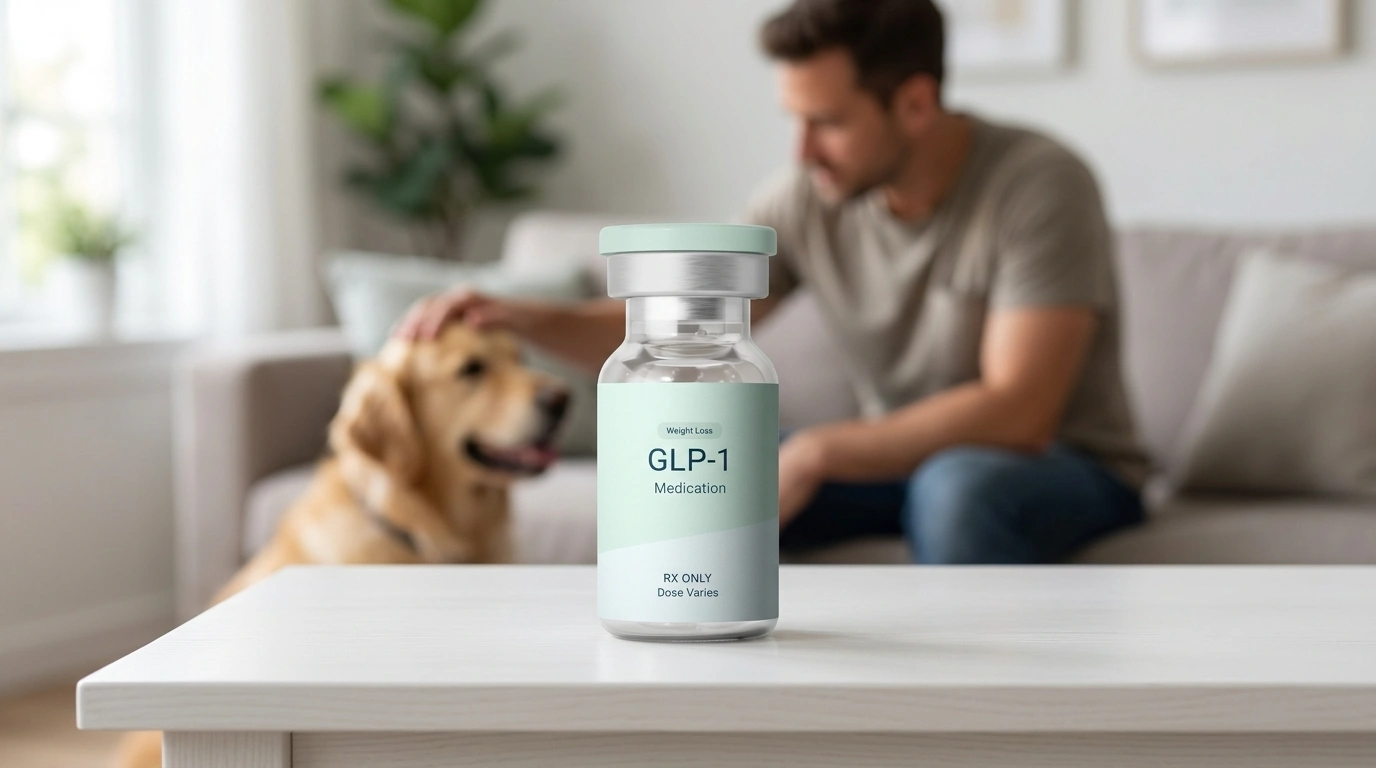
Before diving into the financial specifics, it is helpful to understand what you are paying for. GLP-1 stands for glucagon-like peptide-1. These medications are a class of drugs known as receptor agonists. They work by mimicking a natural hormone your body produces after you eat.
This hormone signals to your brain that you are full, slows down the rate at which your stomach empties, and helps regulate blood sugar levels. By addressing the biological drivers of hunger, GLP-1 medications can help individuals achieve significant weight loss when combined with lifestyle changes. You can also explore how GLP-1 medications support weight management.
Why Using Pre-Tax Dollars Matters
Using an HSA or FSA for your weight loss journey is essentially like getting a significant discount on your treatment. When you use these accounts, you are paying with “pre-tax” dollars. This means the money is taken out of your paycheck before federal, state, and payroll taxes are applied.
For most Americans, this effectively reduces the cost of the medication by 25% to 40%, depending on your tax bracket. If you are investing in a monthly program that includes doctor consultations and medication, those savings add up quickly over a year.
Key benefits of using these accounts include:
- Reduced Taxable Income: Your total taxable income is lowered by the amount you contribute to the account.
- Immediate Savings: You keep more of your hard-earned money while still receiving the same level of care.
- Budgeting Consistency: If you use an HSA, you can build up a balance specifically dedicated to your health goals, ensuring the funds are there when you need them.
Requirements for HSA and FSA Reimbursement
While the IRS generally views prescription weight loss medications as eligible, your specific account administrator might require certain documentation to approve the expense. It is always a good idea to check your plan’s specific “Summary Plan Description” or contact the administrator directly. This HSA and FSA documentation guide explains why prescriptions, receipts, and medical indications may matter.
The Letter of Medical Necessity (LMN)
In many cases, an HSA or FSA provider will request a Letter of Medical Necessity (LMN). This is a simple document from a licensed healthcare provider stating that the medication or program is being used to treat a specific medical condition, such as obesity (usually defined by a BMI over a certain threshold) or hypertension.
When you participate in a medically supervised program, the licensed providers we partner with can often assist in providing the necessary documentation to show that your treatment is medically appropriate. This letter helps “bridge the gap” between a general wellness expense and a qualified medical necessity.
The Importance of a Prescription
To qualify for HSA or FSA reimbursement, the medication must be prescribed by a licensed healthcare professional. This is one reason why telehealth platforms are so popular for GLP-1 access. By connecting with a doctor online, you receive a valid prescription that satisfies the requirements of your tax-advantaged account. If you want to explore whether a prescription program may be appropriate for you, complete a free eligibility assessment.
Key Takeaway: Always save your receipts and your prescription records. Even if you use an HSA debit card at checkout, your account administrator may later request proof that the purchase was for a valid medical expense.
Branded vs. Compounded GLP-1 Medications
When looking into GLP-1 options, you will encounter two main categories: branded medications and compounded medications. Both are typically eligible for HSA/FSA spending, but they are handled differently. This overview of branded and compounded GLP-1 options provides additional background.
Branded Medications
Common branded GLP-1 medications include Ozempic®, Wegovy®, Mounjaro®, and Zepbound®. These are FDA-approved for specific uses like type 2 diabetes or chronic weight management. If your provider writes a prescription for one of these brands and you fill it at a retail pharmacy, you can use your HSA or FSA card just like any other prescription.
It is important to note that many insurance plans do not cover these branded drugs for weight loss, which can make the out-of-pocket cost quite high. This is where your HSA funds become even more valuable, as they can help cover the gap that insurance leaves behind.
Compounded Medications
Due to high demand and frequent shortages of branded drugs, many patients turn to compounded semaglutide or compounded tirzepatide. Compounded medications are prepared by licensed pharmacists to meet the specific needs of a patient.
What you need to know about compounded medications:
- They are prepared in FDA-registered and inspected compounding pharmacies.
- They are NOT FDA-approved in the same way branded drugs are, as they are customized for individual patients.
- They are often more affordable and accessible than branded versions during national shortages.
- They are still prescription medications and generally qualify as HSA/FSA eligible expenses.
At TrimRx, we connect you with providers who can prescribe compounded versions of these medications when appropriate. These medications are shipped directly from regulated pharmacies, and the costs associated with the program are typically eligible for reimbursement through your health accounts.
Telehealth Programs and Eligibility
One question we often hear is whether the “program fee” or “subscription” for a telehealth service is eligible for HSA or FSA use. For more information, read this guide to telehealth and HSA or FSA eligibility.
In most cases, if the fee covers medical services—such as doctor consultations, laboratory work, and the medication itself—it is considered a qualified medical expense. However, if a program includes non-medical “perks” like gym memberships or general wellness coaching, those specific portions of the fee might not be eligible.
The programs we facilitate are designed around clinical care. Because the focus is on medical supervision and prescription treatment, patients often find that their total program costs are eligible for reimbursement. We recommend requesting a detailed itemized receipt if your account administrator asks for a breakdown of your expenses.
How to Start Your Journey Using HSA Funds
If you are ready to use your Health Savings Account to support your weight loss goals, the process is straightforward.
Step 1: Verify your balance and plan rules. Log into your HSA or FSA portal to see how much you have available. Check if they require an LMN for weight loss treatments.
Step 2: Complete a medical assessment. The first step toward any GLP-1 treatment is a clinical evaluation. You can take the free assessment quiz to provide your medical history and health goals. This information is reviewed by a licensed provider to determine if a GLP-1 medication is right for you.
Step 3: Consult with a licensed provider. If you are a candidate for treatment, you will work with a provider to develop a personalized plan. This is the stage where your prescription is generated.
Step 4: Use your HSA/FSA card or pay and reimburse. Many people have a dedicated debit card for their health accounts. You can often use this card directly to pay for your program. If you don’t have a card, you can pay with a personal credit card and then submit your receipt to your account provider for reimbursement.
Maximizing Your Savings for 2025 and Beyond
Strategic planning can help you get the most out of your pre-tax benefits. If you are currently in an “open enrollment” period for your workplace benefits, now is the time to calculate your potential GLP-1 costs for the coming year.
For HSA Users
Since HSA funds never expire, you can contribute the maximum amount allowed by the IRS each year. If you know you will be on a GLP-1 medication for six to twelve months, you can front-load your account to ensure you have the funds ready. This keeps your health journey consistent and stress-free.
For FSA Users
Because FSA funds usually expire at the end of the year, you need to be more precise. Estimate your monthly program costs and contribute exactly that amount. If you find yourself with leftover funds in December, many people use them to stock up on support supplements or other health-related needs.
Supporting Your Treatment
While the medication does the heavy lifting, supporting your body’s nutrition is essential. Supplements like GLP-1 Daily Support or Weight Loss Boost can help manage your journey by ensuring you get the nutrients you need while your appetite is reduced. While supplements are sometimes viewed differently by HSA administrators than prescriptions, they may be eligible if a doctor recommends them as part of your specific treatment plan for a medical condition.
Common Myths About HSA and GLP-1s
There is a lot of misinformation regarding what these accounts will and will not cover. Let’s clear up a few common misconceptions.
Myth: “I can only use my HSA if my insurance covers the medication.” Fact: You can use HSA/FSA funds for any qualified medical expense, regardless of whether your insurance pays a portion or nothing at all. In fact, these accounts are most useful when insurance doesn’t cover a treatment.
Myth: “Compounded medications aren’t eligible because they aren’t ‘brand name’.” Fact: The IRS cares about whether the medication is a prescription used for a medical purpose. Compounded semaglutide and tirzepatide are prescription medications and generally qualify.
Myth: “I have to wait for a reimbursement check to arrive.” Fact: If you have an HSA/FSA debit card, the funds are deducted immediately at the point of sale, just like a standard bank card.
Long-Term Financial Planning for Metabolic Health
Weight loss is not a sprint; it is a long-term commitment to metabolic health. For many, GLP-1 medications are a foundational part of that commitment. When you view your HSA or FSA as a dedicated “health fund,” it changes your perspective on the cost of care.
Instead of seeing the monthly cost as an “extra” expense, you can see it as a pre-planned investment in your future. By reducing your weight and improving markers like blood sugar and blood pressure, you are likely saving yourself thousands of dollars in future medical costs related to chronic conditions.
Bottom line: Using an HSA or FSA for GLP-1 treatment is a smart financial move that makes high-quality, medically supervised weight loss programs accessible to more people.
Taking the Next Step
At TrimRx, our mission is to help you embrace a healthier lifestyle through science and empathy. We provide a transparent, telehealth-first platform that removes the barriers of waiting rooms and confusing pricing. By offering personalized programs that include doctor consultations, lab work, and medication shipped to your door, we make it easy to focus on your progress rather than the logistics.
If you have been waiting to start your journey because of cost concerns, check your HSA or FSA balance today. You may already have the resources you need to take control of your health.
To see if you qualify for a personalized GLP-1 program, the best next step is to complete our free medical assessment. This quick quiz helps our partner providers understand your unique health profile and determine the best path forward for your sustainable weight loss.
FAQ
Can I use my HSA card directly on the TrimRx platform?
In many cases, yes, you can use your HSA or FSA debit card to pay for your personalized program. If your card is declined, it is often due to restrictions placed by your specific plan administrator on “telehealth” or “online pharmacy” categories. In those instances, you can pay with a regular card and submit your receipt for reimbursement.
What if my HSA provider asks for a receipt?
We provide clear, itemized documentation for your program. You can use these records to show that your payment covered medical consultations and prescription medications, which are standard qualified medical expenses under IRS guidelines.
Do I need a Letter of Medical Necessity for my FSA?
It depends on your specific plan. Many FSA administrators require an LMN for any weight loss-related expense to prove it is for a medical condition (like obesity) rather than general cosmetic reasons. The licensed providers we partner with can often assist in providing this documentation for your records.
Can I use my HSA for GLP-1 supplements?
General health supplements are usually not eligible for HSA/FSA reimbursement unless they are specifically recommended by a healthcare provider to treat a diagnosed medical condition. If your provider includes GLP-1 Daily Support as part of your clinical weight loss plan, it may qualify, but you should always check with your plan administrator first.
Disclaimer: This content is for informational purposes only and does not constitute medical advice. It is not intended to diagnose, treat, cure, or prevent any disease or condition. Individual results may vary. Always consult a qualified healthcare professional before starting any weight loss program or medication.

Transforming Lives, One Step at a Time
Keep reading

GLP-1 Medications and Mental Health: What to Expect and When to Get Support
Most of what gets written about GLP-1 medications covers the body. Dosing, appetite, nausea, what to eat, what to expect on the scale. Less…

Mons Pubis Fat Loss on GLP-1s: The “Pubic Area” Change Nobody Mentions
One change that surprises people on GLP-1 medications rarely comes up in conversation: the mons pubis, the soft fat pad over the pubic bone,…

How to Adjust Weight Loss Goals on GLP-1 Medications
Adjust weight goals on GLP-1 meds by tracking body composition and labs, optimizing protein, activity, sleep, and working with your provider on dosing.


