Can I Use Ozempic to Lose Weight? Understanding Its Role and Implications
Introduction
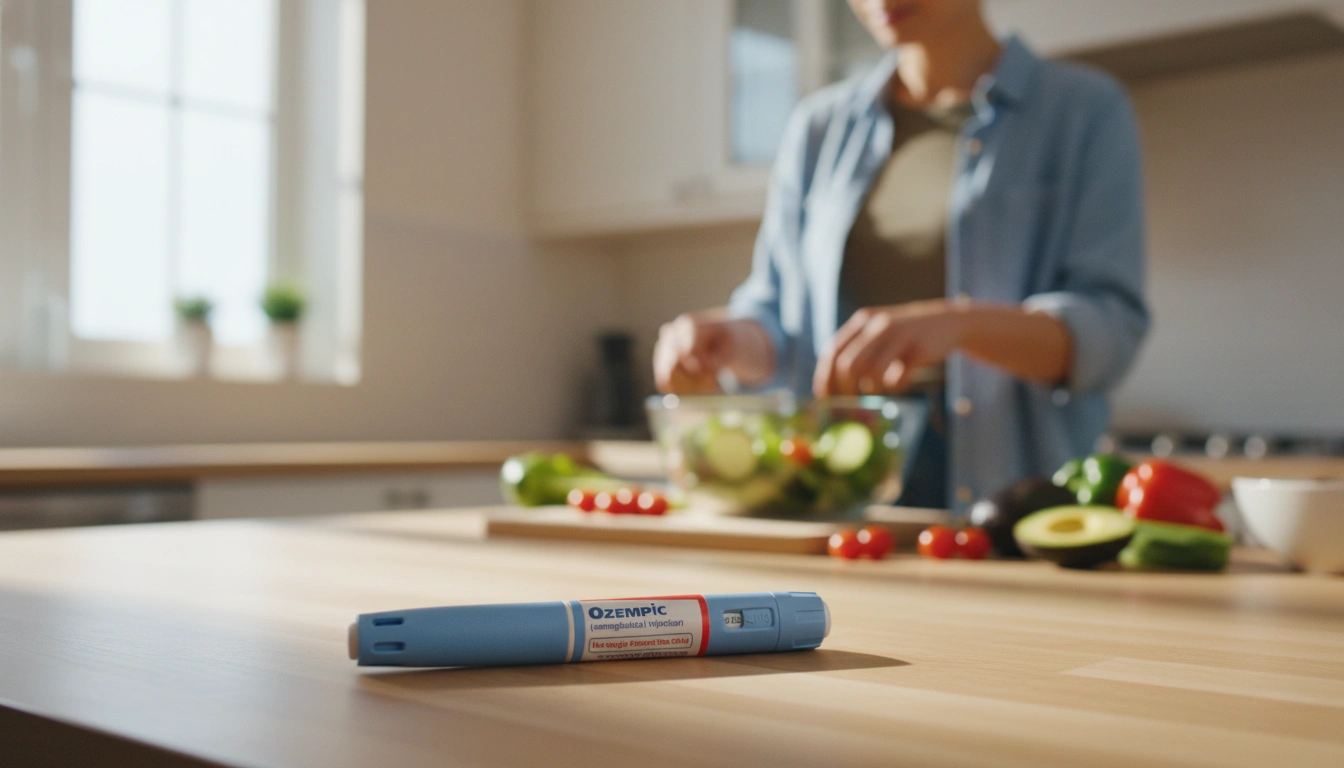
The pursuit of weight loss is a journey that many embark on, often filled with frustration and a plethora of options that promise quick results. Did you know that approximately 42% of American adults are considered obese? This statistic from the Centers for Disease Control and Prevention (CDC) sheds light on the pressing health issue within our society. With obesity linked to various health complications, many individuals are exploring different avenues for effective weight management. One question that surfaces frequently is, can I use Ozempic to lose weight?
In this blog post, we’ll delve into the nuances of Ozempic, a medication originally designed for managing type 2 diabetes, and explore its potential role in weight loss. While the drug is not FDA-approved for this purpose, many people are curious about its effects and how it works. We aim to provide clarity on its usage, potential benefits, side effects, and alternative options. By the end of this post, we hope you’ll have a comprehensive understanding of Ozempic and whether it might be a suitable option for you or someone you know.
Let’s begin our exploration of this topic together, addressing key aspects surrounding Ozempic and its relationship to weight management.
Understanding Ozempic: What Is It?
Ozempic, or semaglutide, received FDA approval in 2017 as a treatment for adults with type 2 diabetes. It serves a crucial role in helping patients manage blood sugar levels by mimicking the action of a natural hormone called GLP-1 (glucagon-like peptide-1). This hormone is responsible for stimulating insulin production, reducing glucose output from the liver, and slowing down gastric emptying, which makes individuals feel fuller for longer.
The formulation is administered via a weekly injection, making it a convenient option for those managing diabetes. However, as awareness of its weight loss potential has grown, many are asking, “Can I use Ozempic to lose weight?”
How Does Ozempic Work?
To answer this question, we first need to understand how Ozempic functions in the body. Upon administration, semaglutide activates GLP-1 receptors in the brain and gastrointestinal tract. This action leads to:
- Increased insulin secretion: This helps to lower blood sugar levels after meals.
- Decreased glucagon secretion: Glucagon is a hormone that raises blood sugar levels, so reducing its secretion assists in maintaining stable glucose levels.
- Delayed gastric emptying: Slower digestion means that food stays in the stomach longer, prolonging the sensation of fullness.
These mechanisms not only help manage diabetes but can also lead to weight loss as a secondary effect. In fact, individuals using Ozempic often report a reduction in appetite, which can contribute to lower caloric intake and subsequent weight loss.
Ozempic vs. Wegovy: What’s the Difference?
It’s essential to distinguish between Ozempic and Wegovy, as both contain semaglutide but are approved for different uses. While Ozempic is primarily for managing type 2 diabetes, Wegovy was specifically approved in 2021 for chronic weight management in adults with obesity or overweight conditions.
Wegovy contains a higher dose of semaglutide compared to Ozempic, which allows for more significant weight loss results. For individuals who do not have diabetes but want to lose weight, Wegovy may be a more appropriate option.
The Weight Loss Debate: Is Ozempic Effective for Shedding Pounds?
Despite the fact that Ozempic is not officially approved for weight loss, anecdotal evidence and some studies suggest that it can lead to significant weight reduction in individuals using it for diabetes management. However, this off-label usage raises several important questions about safety and efficacy.
Clinical Evidence
Clinical trials have shown that individuals taking semaglutide can lose substantial weight. Research indicates that participants in trials for Ozempic experienced weight loss as a consequence of improved appetite control and metabolic changes. However, it is crucial to note that weight loss was not the primary aim of the medication.
A study published in the New England Journal of Medicine highlighted that patients using semaglutide lost an average of 12% of their body weight over a 68-week period. This is a significant reduction, but it is critical for potential users to recognize that results can vary widely based on individual lifestyle choices, including diet and exercise.
Potential Benefits of Using Ozempic for Weight Loss
- Appetite Suppression: Many users report diminished cravings, which can assist in adhering to a calorie deficit.
- Improved Metabolic Health: For individuals with pre-existing health conditions, weight loss can lead to improved overall metabolic health, reducing the risk of heart disease and other obesity-related complications.
- Convenience: The once-weekly injection simplifies adherence compared to daily medications or supplements.
Risks and Considerations
While Ozempic may offer benefits, it is vital to approach its use with caution. Here are some risks associated with using Ozempic for weight loss:
- Off-Label Use: Since Ozempic is not approved for weight loss, using it for this purpose may not be covered by insurance or supported by comprehensive clinical guidelines.
- Shortages for Diabetic Patients: The surge in demand for Ozempic among non-diabetic individuals has led to shortages for those who genuinely need it for diabetes management, raising ethical concerns.
- Side Effects: Common side effects include gastrointestinal issues such as nausea, vomiting, and diarrhea. More severe risks may involve pancreatitis and thyroid tumors, which necessitate discussing these concerns with a healthcare provider.
The Importance of Lifestyle Changes
We believe that weight loss should not solely rely on medication. Sustainable results come from a holistic approach that includes diet, exercise, and behavioral modifications. At TrimRx, we emphasize personalized care and support for individuals embarking on their weight loss journey.
Integrating Lifestyle Modifications
If you are considering using a medication like Ozempic or Wegovy, it’s crucial to also focus on lifestyle changes. Here are some strategies we recommend:
- Nutritional Adjustments: Adopting a balanced diet rich in whole foods can complement any medication and enhance weight loss results.
- Regular Physical Activity: Incorporating exercise can help maintain weight loss and improve overall well-being.
- Behavioral Support: Engaging with a support system or counseling can help address the psychological aspects of weight loss.
Personalized Assessment at TrimRx
If you are curious about how medications like Ozempic or Wegovy might fit into your weight loss strategy, we invite you to take our free assessment quiz. This quiz will help determine your eligibility for personalized weight loss programs tailored to your individual needs. Take the Quiz Here.
Alternatives to Ozempic for Weight Loss
For individuals looking for weight management solutions, there are various alternatives to consider. While Ozempic and Wegovy are popular, other options are available that may be more suitable depending on individual health status and goals.
Medications for Weight Loss
- Wegovy: As mentioned, Wegovy is a higher-dose semaglutide specifically approved for weight loss.
- Mounjaro®: Another medication that has shown promise in weight loss and diabetes management.
- Phentermine: This is an appetite suppressant that has been used for short-term weight management.
Supplements for Support
At TrimRx, we also offer quick-access supplements that can support your weight loss journey:
- GLP-1 Daily Support: This supplement is designed to complement weight loss efforts and provide support for overall wellness during your journey. Explore GLP-1 Daily Support.
- Weight Loss Boost: Another option to enhance your weight loss efforts, this supplement can help you stay on track. Discover Weight Loss Boost.
Conclusion
The question of whether one can use Ozempic to lose weight is complex. While it is true that this medication can lead to weight loss as a side effect, it is not FDA-approved for this purpose and should primarily be used by those managing type 2 diabetes. As we have discussed, the use of Ozempic for weight loss raises ethical considerations and potential health risks that should not be overlooked.
At TrimRx, we understand that weight loss is a multifaceted journey that requires a personalized approach. We encourage anyone considering medication for weight loss to talk to their healthcare provider about the best options available.
If you’re ready to explore personalized weight loss solutions or learn more about how medications and lifestyle changes can work together for effective weight management, we invite you to take our free assessment quiz today. Together, we can navigate your path to a healthier future.
FAQ
Can I use Ozempic for weight loss if I don’t have diabetes?
While some people are prescribed Ozempic for weight loss off-label, it is primarily intended for individuals with type 2 diabetes. Using it for weight loss can lead to shortages for those who truly need it.
What are the side effects of Ozempic?
Common side effects include nausea, vomiting, diarrhea, and stomach pain. Serious side effects can include pancreatitis and thyroid tumors.
How does Wegovy differ from Ozempic?
Wegovy is a higher-dose version of semaglutide specifically approved for weight management, while Ozempic is intended for diabetes management.
Are there any alternatives to Ozempic for weight loss?
Yes, options such as Wegovy, Mounjaro®, and appetite suppressants like phentermine can be explored. Additionally, lifestyle changes and supplements can support your journey.
What should I do if I’m interested in weight loss medications?
We recommend consulting with your healthcare provider to discuss your weight loss goals and explore personalized treatment options. You can also take our free assessment quiz to discover potential pathways tailored to your needs.
By understanding the complexities surrounding Ozempic and its usage, you can make informed decisions about your health and weight management strategies.

Transforming Lives, One Step at a Time
Keep reading

What to Do If Your Ozempic Pen Malfunctions
You’ve set aside time for your weekly injection, you pick up the pen, and something isn’t right. Maybe the dose button won’t push down,…

Ozempic and Water Retention: What Patients Notice
Water retention on Ozempic sits in a confusing middle ground. Some patients notice puffiness or swelling, particularly in the hands, feet, or ankles, while…

Ozempic and Heartburn: Managing Acid Reflux on GLP-1
Heartburn on Ozempic tends to surprise people. You’re eating less, your meals are smaller, and yet you’re experiencing more acid reflux than before. It…


