Can I Work Out on Ozempic? Maximizing Your Weight Loss Journey
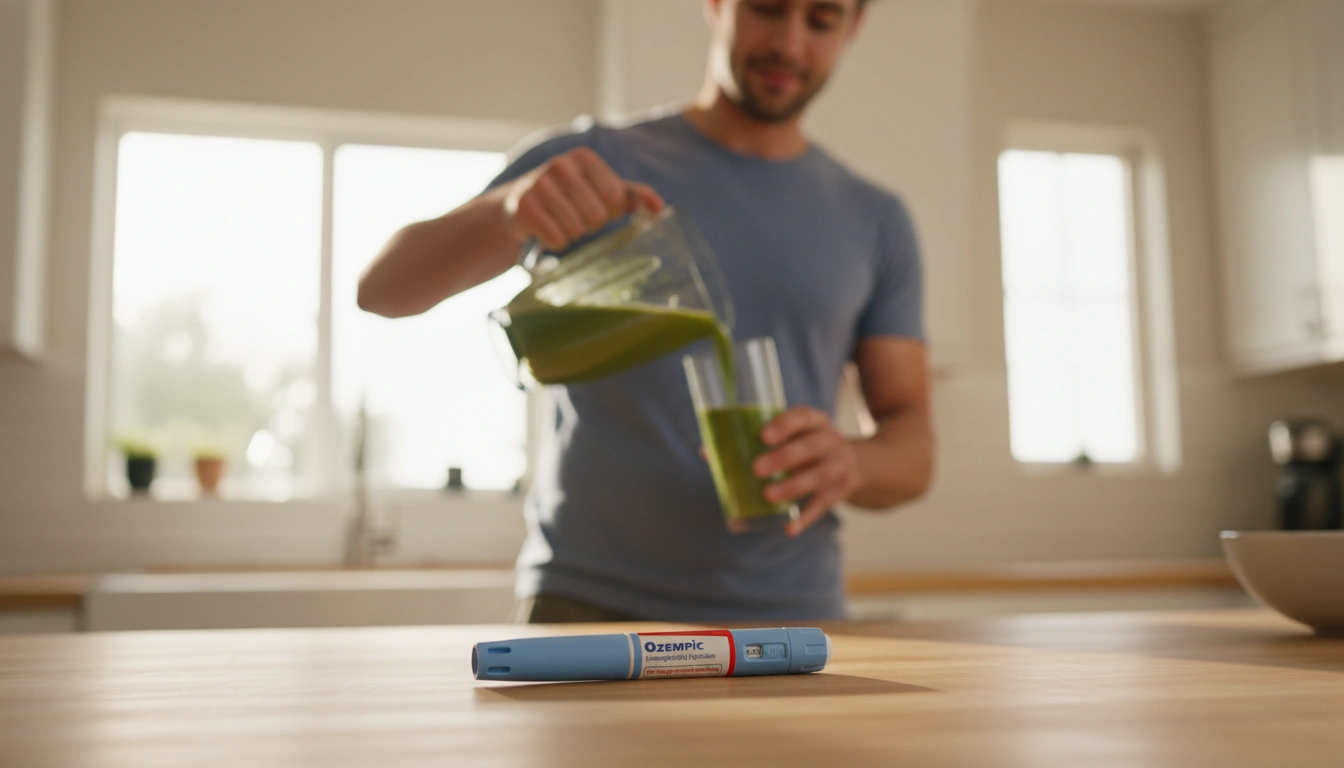
Introduction
Many individuals embarking on a weight loss journey often find themselves at a crossroads, pondering the best way to integrate new medications with their existing or aspiring fitness routines. A common question echoing through health communities is, “Can I work out on Ozempic?” This isn’t merely a logistical query but a fundamental concern about optimizing health outcomes and ensuring safety. The desire to achieve significant and sustainable weight loss often involves a multi-faceted approach, where medication, nutrition, and physical activity converge. However, the path isn’t always clear-cut, especially when considering the nuances of how modern weight loss solutions interact with the body’s physiological responses to exercise.
Our journey at TrimRx began with a shared vision to help individuals embrace healthier lifestyles by merging cutting-edge telehealth innovations with effective weight loss solutions. We understand that navigating the complexities of weight management requires a supportive and informed approach. This is why we’ve committed ourselves to being a user-friendly and supportive space where individuals receive personalized, medically supervised care, all designed to make sustainable weight loss attainable and tailored to the individual. We believe that sustainable weight loss should be achieved through science, empathy, and a transparent approach, addressing every facet of your well-being.
This comprehensive guide aims to illuminate the synergy between GLP-1 medications, such as Ozempic®, and physical activity. We will delve into the critical role exercise plays in enhancing the benefits of these medications, mitigating potential challenges, and fostering long-term health. By the end of this article, you will gain a deeper understanding of how to effectively incorporate exercise into your regimen while on a GLP-1 medication, ensuring you maximize your results and cultivate a healthier, stronger you. We will cover the scientific rationale, practical exercise strategies, essential considerations, and how our personalized programs and supportive supplements can be invaluable companions on this transformative path.
Understanding GLP-1 Medications and Weight Loss
The landscape of weight management has significantly evolved with the introduction of glucagon-like peptide-1 (GLP-1) receptor agonists, which have become pivotal tools in addressing obesity and type 2 diabetes. Medications like Ozempic® (semaglutide) have garnered considerable attention for their dual benefits in blood sugar regulation and substantial weight reduction. However, understanding how these medications work and their comprehensive impact on the body is crucial for anyone considering or currently undergoing such a treatment.
The Science Behind Medications Like Ozempic
Ozempic® and other GLP-1 receptor agonists function by mimicking the natural hormone GLP-1, which is typically released in the gut after eating. This hormone plays a multifaceted role in the body’s metabolic processes. Primarily, it stimulates the release of insulin in response to elevated blood glucose levels, thereby helping to regulate blood sugar. Concurrently, GLP-1 slows down gastric emptying, leading to a prolonged feeling of fullness and reduced appetite. This suppression of appetite is a key mechanism through which these medications facilitate weight loss. By signaling satiety to the brain and slowing the digestive process, individuals often consume fewer calories, leading to a caloric deficit necessary for weight reduction.
While the primary function of Ozempic® is to manage type 2 diabetes by improving glycemic control, its weight loss effects have been widely observed and leveraged. For instance, a higher-dose version of the same active ingredient is also FDA-approved for chronic weight management. It’s important to remember that while these medications are powerful tools, they are typically prescribed as part of a holistic treatment plan that often includes dietary adjustments and increased physical activity. Our commitment at TrimRx is to provide medically supervised care that integrates these elements, offering a personalized path for each individual.
The Link Between Weight Loss and Muscle Preservation
One of the critical considerations when undergoing significant weight loss, regardless of the method, is the potential for muscle mass reduction alongside fat loss. Research indicates that when individuals lose weight, a portion of that loss can come from lean muscle tissue, not just fat. Studies have shown that a notable percentage of total weight lost on GLP-1 agonists can be attributed to muscle mass. This is a significant point because maintaining muscle mass is vital for several aspects of health and well-being.
Muscle tissue is metabolically active, meaning it burns more calories at rest compared to fat tissue. Therefore, preserving muscle mass helps maintain a healthy metabolism, which is essential for preventing weight regain in the long term. Beyond metabolism, muscle plays a crucial role in strength, balance, and overall physical function. Rapid or excessive muscle loss can lead to reduced physical capacity, increased fatigue, and may even impact appearance, with some referring to phenomena like “Ozempic butt” or a general deflated look due to decreased muscle volume.
At TrimRx, we emphasize that while weight loss is a key objective, achieving it safely and effectively means prioritizing body composition. This involves strategies to minimize muscle loss and, ideally, promote muscle growth, ensuring that your weight loss journey leads to a healthier, stronger body, not just a lighter one. This understanding forms the bedrock of our approach, guiding our personalized programs to incorporate all necessary components for comprehensive well-being.
The Imperative of Exercise While Taking GLP-1s
Considering the mechanisms of GLP-1 medications and the critical importance of muscle preservation, the question “can I work out on Ozempic?” transforms into “why must I work out on Ozempic?” The answer lies in the synergistic relationship between medication and physical activity, where exercise doesn’t just complement the drug’s effects but actively enhances them and mitigates potential drawbacks.
Counteracting Muscle Loss
As discussed, a notable concern with rapid weight loss, including that induced by GLP-1 medications, is the potential for losing lean muscle mass. This can negatively impact metabolic rate, strength, and overall physical function. Engaging in regular physical activity, particularly resistance training, is the most effective strategy to preserve muscle mass. When muscles are challenged through strength-building exercises, they receive the stimulus needed to maintain or even grow. This is crucial for several reasons:
- Sustaining Metabolic Rate: Lean muscle mass is a key determinant of your basal metabolic rate (BMR), which is the number of calories your body burns at rest. Preserving muscle ensures your metabolism remains efficient, making it easier to maintain weight loss and avoid plateaus.
- Enhancing Daily Strength and Function: Adequate muscle mass is essential for performing everyday activities with ease, maintaining balance, and supporting joint health. Preventing muscle loss contributes to greater independence and quality of life.
- Improving Body Composition: Focusing on muscle preservation alongside fat loss leads to a more favorable body composition. This means you’re not just lighter, but also stronger and more toned, contributing to a healthier appearance and better overall physical health.
For those on medications like Ozempic®, integrating resistance training becomes non-negotiable for a truly beneficial and sustainable weight loss outcome.
Enhancing Metabolic and Heart Health
Exercise is a cornerstone of metabolic and cardiovascular health, benefits that are further amplified when combined with GLP-1 medications. Regular physical activity helps:
- Regulate Blood Sugar: Exercise improves insulin sensitivity, meaning your body’s cells become more responsive to insulin. This is particularly beneficial for individuals with type 2 diabetes or those at risk, as it helps manage blood glucose levels more effectively. In some cases, consistent physical activity can even reduce the reliance on medication for blood sugar control over time.
- Support Heart Health: Movement strengthens the heart, lowers blood pressure, improves cholesterol profiles by increasing “good” HDL cholesterol, and reduces unhealthy triglycerides. These cardiovascular benefits are critical for long-term health, especially for individuals who may have pre-existing cardiovascular risk factors.
- Break Through Plateaus: During any weight loss journey, it’s common to encounter weight loss plateaus. Exercise, by boosting metabolism and increasing energy expenditure, can help individuals push past these plateaus, facilitating continued progress.
The combination of GLP-1 medications and exercise creates a powerful synergy, where each amplifies the positive effects of the other, leading to more profound and comprehensive health improvements.
Boosting Mood and Energy
Beyond the physical transformations, regular exercise profoundly impacts mental well-being and energy levels. While GLP-1 medications can sometimes lead to initial feelings of fatigue or gastrointestinal side effects, incorporating movement can help counteract these:
- Releasing Endorphins: Physical activity triggers the release of endorphins, natural mood boosters that can alleviate stress, reduce feelings of anxiety, and combat symptoms of depression. This is vital for maintaining a positive mindset throughout your weight loss journey.
- Increasing Energy Levels: Counterintuitively, being active can actually increase your energy. Regular exercise improves cardiovascular fitness and muscle strength, making daily tasks less strenuous and boosting overall vitality, helping to combat any medication-induced tiredness.
- Improving Sleep Quality: Consistent physical activity is linked to better sleep quality. Prioritizing rest is crucial for muscle recovery and overall well-being, complementing the positive effects of both medication and exercise.
Our brand, TrimRx, is empathetic and supportive, recognizing that weight loss is a holistic journey encompassing physical and mental health. We believe in providing compassionate care that respects every individual’s unique journey, combining advanced medical science with modern technology to support not just your body, but your mind too.
Crafting Your Optimal Exercise Plan
Integrating exercise into your life while taking GLP-1 medications like Ozempic® requires a thoughtful and personalized approach. The goal is to maximize benefits—such as fat loss and muscle preservation—while minimizing potential side effects and ensuring safety. Remember, what works best for one person may need adjustments for another, which is why a personalized plan is so vital.
Starting Your Fitness Journey
If you’re new to exercise or returning after a break, the key is to start slowly and gradually increase intensity and duration. Our bodies need time to adapt, especially when undergoing significant metabolic changes. General guidelines from health organizations suggest aiming for at least 150 minutes of moderate-intensity aerobic activity each week, coupled with strength training two or more times per week.
- Low-Impact Beginnings: Begin with low-impact activities that are gentle on your joints. Brisk walking, swimming, cycling (especially stationary biking), or gentle yoga are excellent starting points. These activities help build a foundational level of fitness without excessive strain.
- Listen to Your Body: It’s crucial to pay close attention to how your body feels. Mild discomfort, especially muscle soreness, is normal when starting a new routine. However, sharp pain, dizziness, or severe fatigue are signs to slow down or consult with a healthcare professional.
- Setting SMART Goals: To stay motivated and track progress, set SMART goals: Specific, Measurable, Achievable, Relevant, and Time-bound. For instance, instead of “I want to exercise more,” try “I will walk for 30 minutes, three days a week, for the next month.” This approach provides clarity and helps you build consistent habits. To see if you qualify for our personalized prescription weight loss medications, we encourage you to take our free assessment quiz to help tailor your journey from the start.
The Power of Resistance Training
Resistance training, often referred to as strength training, is paramount for individuals on GLP-1 medications due to its direct impact on muscle mass preservation. It’s not just for bodybuilders; it’s for everyone seeking to maintain strength, boost metabolism, and improve body composition.
- Compound Movements: Focus on compound exercises that work multiple muscle groups simultaneously. Examples include squats, lunges, push-ups, rows, and overhead presses. These movements are highly effective for building overall strength and functional fitness.
- Progressive Overload: To continue challenging your muscles and promoting growth, gradually increase the resistance (weight), repetitions, or sets over time. This principle of progressive overload is fundamental for long-term strength gains.
- Frequency: Aim for at least two, and ideally three, resistance training sessions per week, ensuring you work all major muscle groups. Allow for adequate rest between sessions to enable muscle recovery and growth.
- Bodyweight Exercises: If you’re new to strength training or prefer to work out at home, bodyweight exercises like planks, push-ups, squats, and lunges are highly effective and require no special equipment. As you get stronger, you can add resistance bands or light weights.
Incorporating Aerobic Activity
Aerobic exercise, also known as cardio, is essential for cardiovascular health, endurance, and overall calorie expenditure, supporting the weight loss process.
- Moderate Intensity: Engage in activities that elevate your heart rate and make you slightly breathless but still allow you to hold a conversation. Examples include brisk walking, jogging, cycling, swimming, or dancing.
- Variety is Key: Mix up your aerobic activities to keep your routine interesting and challenge different muscle groups. This also helps prevent boredom and reduces the risk of overuse injuries.
- High-Intensity Interval Training (HIIT): Once you’ve built a solid fitness base, you might consider incorporating HIIT sessions once or twice a week. HIIT involves short bursts of intense exercise followed by brief recovery periods. However, introduce HIIT cautiously, especially if you’re in a calorie deficit, to avoid overtraining.
Flexibility and Mobility
Don’t overlook the importance of flexibility and mobility work. Activities like yoga, Pilates, or simple stretching routines can improve range of motion, reduce muscle stiffness, and decrease the risk of injury. Incorporate these into your routine a few times a week, either as a warm-up, cool-down, or on dedicated recovery days.
Remember, a balanced approach combining strength, cardio, and flexibility is the most effective for achieving holistic health benefits and maximizing results while on GLP-1 medications. Our personalized weight loss programs, developed with this understanding, can guide you in creating an exercise regimen that aligns with your health status and goals.
Essential Considerations for Exercising on GLP-1 Medications
When incorporating physical activity into your routine while taking medications like Ozempic®, it’s essential to be mindful of specific physiological changes and potential side effects. Proactive management of these factors will help ensure your exercise regimen is safe, effective, and sustainable.
Prioritizing Protein Intake
One of the most critical aspects of preserving muscle mass during weight loss with GLP-1 medications is adequate protein intake. Because these medications suppress appetite, it can sometimes be challenging to consume sufficient calories and nutrients, particularly protein.
- Muscle Synthesis: Protein is the building block of muscle. Consuming enough protein provides the amino acids necessary for muscle repair and growth, especially after resistance training.
- Satiety: Protein also contributes to feelings of fullness, which can be beneficial when trying to manage appetite and prevent overeating.
- Recommended Intake: Research suggests that individuals on GLP-1s aiming to prevent muscle loss should strive for a protein intake of around 60-75 grams per day, or even higher depending on activity levels and individual needs. Good sources include lean meats, poultry, fish, eggs, dairy, legumes, and protein supplements.
To support your nutritional needs and overall wellness, we offer supplements like GLP-1 Daily Support, which can complement your dietary efforts.
The Critical Role of Hydration
GLP-1 medications can sometimes cause gastrointestinal side effects such as nausea, vomiting, or diarrhea, which can lead to fluid loss and dehydration. This risk is compounded by physical activity, as exercise also depletes the body’s fluid reserves.
- Preventing Fatigue: Dehydration can lead to fatigue, dizziness, headaches, and reduced exercise performance. Staying well-hydrated is crucial for maintaining energy levels and ensuring effective workouts.
- Supporting Bodily Functions: Water is essential for countless bodily functions, including nutrient transport, temperature regulation, and joint lubrication.
- Electrolyte Balance: During intense or prolonged exercise, especially in warm conditions, you may lose electrolytes through sweat. Replenishing these is vital for preventing muscle cramps and maintaining fluid balance. Consider adding electrolyte-rich fluids or supplements if your workouts are strenuous.
- Daily Intake: Aim to drink plenty of water throughout the day, even on non-workout days. Increase your intake before, during, and after exercise.
Mindful Monitoring of Blood Sugar Levels
Both GLP-1 medications and physical activity can lower blood sugar levels. For individuals managing diabetes or those prone to hypoglycemia, it’s essential to monitor blood glucose carefully, especially when initiating a new exercise routine.
- Hypoglycemia Risk: In rare cases, the combined effect can lead to hypoglycemia (low blood sugar), characterized by symptoms like dizziness, fatigue, blurred vision, rapid heart rate, or headache.
- Pre- and Post-Workout Checks: If you are managing blood sugar, consider checking your levels before and after workouts, especially in the initial weeks.
- Quick-Acting Carbs: Always carry a source of fast-acting carbohydrates (e.g., glucose tablets, fruit juice, or candy) to quickly address any sudden drops in blood sugar.
- Consult Your Doctor: Discuss your exercise plans with your healthcare provider, particularly if you have diabetes, so they can advise on appropriate monitoring and adjustments to your medication if needed.
Listening to Your Body and Adjusting
It’s normal to experience some adjustments as your body adapts to medication and increased physical activity. Our brand is empathetic, recognizing that every individual’s journey is unique.
- Pace Yourself: Avoid pushing too hard, especially in the beginning. Rapid weight loss coupled with high-volume training can place undue stress on the body, potentially leading to increased fatigue or slower recovery.
- Recovery is Key: Ensure you allow adequate rest days for muscle repair and recovery. Overtraining can hinder progress and increase the risk of injury.
- Adjust as Needed: If you experience persistent nausea, severe fatigue, or unusual pain, don’t hesitate to reduce the intensity or duration of your workouts, or take an extra rest day. Your goal is to find your “movement sweet spot” – challenging enough for results, but not so much that it becomes unsustainable.
- Communicate with Your Healthcare Provider: Your exercise plan should be dynamic and adaptable. Regularly communicate any concerns or significant changes in your physical well-being with your healthcare team. Our transparent service at TrimRx ensures that our approach remains consistent, and we prioritize your safety by partnering exclusively with FDA-registered and inspected pharmacies for the shipping of weight loss medications.
The Importance of Quality Sleep
Sleep is a vital, yet often underestimated, component of overall health and successful weight management. It’s during sleep that your body repairs muscles, balances hormones, and consolidates energy.
- Muscle Recovery: Adequate sleep is crucial for muscle recovery and growth, directly supporting your resistance training efforts. Aim for 7-9 hours of quality sleep each night.
- Hormonal Balance: Sleep deprivation can disrupt hormones that regulate appetite and metabolism, potentially sabotaging weight loss efforts. Prioritizing sleep helps maintain these hormones in balance.
- Energy Levels: Good sleep ensures you have the energy and mental clarity to commit to your exercise routine and make healthy food choices.
Managing Stress for Holistic Wellness
The impact of stress on physical and mental health is profound. Chronic stress can influence weight management by affecting hormone levels (like cortisol), which can contribute to fat storage, particularly in the abdominal area.
- Stress Reduction: Incorporating stress-relieving activities such as meditation, mindfulness practices, spending time in nature, or listening to calming music can complement your physical activity and medication regimen.
- Mind-Body Connection: Recognizing the intricate connection between your mind and body allows for a more holistic approach to weight loss. When you manage stress effectively, you’re better equipped to make consistent healthy choices.
By addressing these essential considerations, you create a robust foundation for a safe, effective, and sustainable exercise routine that works harmoniously with your GLP-1 medication. This comprehensive perspective is central to TrimRx’s results-oriented and personalized care approach.
TrimRx’s Holistic Approach to Weight Management
At TrimRx, our entire philosophy is built on the understanding that true weight management extends far beyond a single solution. We recognize that each individual’s journey is unique, necessitating a personalized and comprehensive strategy. Our platform is designed to be a supportive ecosystem where science, empathy, and advanced technology converge to empower you towards sustainable health.
Our Commitment to Personalized Care
Our journey began with a shared vision to help individuals embrace healthier lifestyles by merging cutting-edge telehealth innovations with effective weight loss solutions. We believe that sustainable weight loss should be achieved through science, empathy, and a transparent approach. This commitment to individualized care is at the heart of everything we do.
- Empathetic and Trustworthy: We offer compassionate care that respects every individual’s unique journey. We combine advanced medical science with modern technology to deliver solutions that are not only effective but also aligned with your personal health goals and lifestyle.
- Medically Supervised Programs: Our programs are medically supervised, ensuring that your treatment plan is tailored to your specific needs and health profile. This oversight is crucial for safety and efficacy, allowing for adjustments as your body responds and your needs evolve. We emphasize our commitment to transparent service—highlighting that our approach remains consistent—and our focus on safety by working exclusively with FDA-registered and inspected pharmacies for the shipping of weight loss medications. Please note that TrimRx partners with these pharmacies and does not provide actual medical supervision; instead, we facilitate access to healthcare providers who oversee your treatment.
- Comprehensive Service: We believe in clarity and simplicity. Our comprehensive service includes doctor consultations, necessary lab work, medication, unlimited support, and shipping, all designed with no hidden fees. This transparent approach ensures you know exactly what to expect at every step of your journey.
Exploring Our Personalized Weight Loss Programs
For those seeking robust, medically supervised weight loss solutions, TrimRx offers a range of prescription medications that require a personalized assessment. These powerful tools are integrated into a holistic plan designed to provide significant and lasting results.
- Compounded Semaglutide & Oral Semaglutide: These options provide the benefits of semaglutide, helping to regulate appetite and blood sugar, available in convenient compounded injectable or oral forms through FDA-registered and inspected pharmacies. While compounded medications are not FDA-approved, the pharmacies we partner with adhere to strict quality and safety standards.
- Ozempic® & Wegovy®: For those eligible, we provide access to FDA-approved branded semaglutide options like Ozempic® and Wegovy®, known for their efficacy in managing type 2 diabetes and chronic weight.
- Compounded Tirzepatide & Oral Tirzepatide: Similar to semaglutide, tirzepatide offers a dual-agonist approach to GLP-1 and GIP receptors, potentially leading to even greater weight loss and glycemic control. We offer this through FDA-registered and inspected compounding pharmacies in injectable or oral forms.
- Mounjaro® & Zepbound®: We also facilitate access to FDA-approved branded tirzepatide options like Mounjaro® (for type 2 diabetes) and Zepbound® (for chronic weight management), offering cutting-edge solutions for those who qualify.
To determine your eligibility and receive a personalized treatment plan featuring one of these powerful medications, we encourage you to take our free assessment quiz. This quiz is the first step towards a tailored journey designed specifically for you.
Supporting Your Journey with Quick-Access Supplements
While our prescription programs address the core mechanisms of weight loss, we also understand the importance of ongoing support for overall wellness and to complement your journey. For immediate support and to enhance your well-being, TrimRx offers a selection of quick-access supplements that do not require a quiz.
- GLP-1 Daily Support: This supplement is formulated to provide daily support, working synergistically with your body’s natural processes. It’s designed to assist in maintaining overall wellness, which is especially beneficial for those undergoing weight management. Learn more about how it can enhance your daily routine and purchase it directly through this link: GLP-1 Daily Support.
- Weight Loss Boost: This supplement is crafted to provide an additional edge to your weight loss efforts. It’s designed to support metabolic functions and energy levels, acting as a valuable aid in achieving your goals. Explore its benefits and make it part of your regimen today: Weight Loss Boost.
These quick-access supplements are available for immediate purchase, offering flexibility and convenience to support your health journey at any stage. They embody our results-oriented approach, providing tools that contribute to your success.
Conclusion: Empowering Your Sustainable Weight Loss Journey
The question, “can I work out on Ozempic?” has been thoroughly explored, revealing a resounding “yes” – not just as a possibility, but as a critical component for maximizing your weight loss journey and fostering long-term health. We’ve seen that GLP-1 medications, while powerful tools for appetite suppression and metabolic regulation, work in tandem with physical activity to deliver the most profound and sustainable results. Exercise, particularly resistance training, is indispensable for preserving crucial muscle mass, which in turn safeguards your metabolism, enhances strength, and improves overall body composition. Moreover, combining medication with regular physical activity amplifies benefits for heart health, blood sugar management, mood, and energy levels.
At TrimRx, we stand firm in our belief that sustainable weight loss is a holistic endeavor, achieved through science, empathy, and a transparent approach. Our commitment to you is to provide personalized, medically supervised care that integrates cutting-edge innovations with comprehensive support. We strive to be more than just a provider; we aim to be a partner in your health journey, offering compassionate care and trustworthy solutions.
By understanding the synergy between GLP-1 medications and exercise, prioritizing protein intake, staying meticulously hydrated, monitoring your body’s responses, ensuring quality sleep, and managing stress, you are building a robust foundation for success. This integrated approach not only helps you achieve your weight loss goals but also empowers you to cultivate a healthier, stronger, and more vibrant lifestyle that endures far beyond the initial weight loss phase.
We encourage you to take that vital first step towards a healthier future. To discover how our personalized programs can be tailored to your unique needs and to see if you qualify for our prescription weight loss medications, we invite you to take our free assessment quiz. For immediate support in optimizing your wellness journey, explore our quick-access supplements like GLP-1 Daily Support and Weight Loss Boost. Together, we can unlock your potential for sustainable weight loss and a healthier life.
Frequently Asked Questions
What types of exercise are best when taking Ozempic?
When taking a GLP-1 medication like Ozempic®, a balanced exercise routine that includes both resistance training and aerobic activity is highly recommended. Resistance training (e.g., weights, bodyweight exercises) is crucial for preserving muscle mass, which can be lost during rapid weight loss. Aerobic activity (e.g., brisk walking, cycling, swimming) supports cardiovascular health and contributes to overall calorie expenditure. Starting with low-impact activities and gradually increasing intensity is advisable, always listening to your body’s signals.
How much protein should I consume while working out on Ozempic to prevent muscle loss?
Maintaining adequate protein intake is vital to counteract muscle loss while taking GLP-1 medications. While individual needs vary based on activity level and body weight, a general guideline is to aim for around 60-75 grams of protein per day. Excellent sources include lean meats, fish, poultry, eggs, dairy products, and plant-based options like legumes and tofu. Protein supplements, such as our GLP-1 Daily Support, can also help ensure you meet your daily requirements.
Can Ozempic make me feel too tired to work out?
Some individuals may experience initial fatigue or gastrointestinal side effects when starting Ozempic®. These symptoms usually subside as your body adjusts. To manage potential tiredness and support your workouts, ensure you are prioritizing protein intake, staying well-hydrated, getting adequate sleep, and starting your exercise routine gradually. If fatigue persists or significantly impacts your ability to exercise, it’s always recommended to consult with your healthcare provider or consider exploring options like our Weight Loss Boost supplement.
How can TrimRx help me integrate exercise with my weight loss medication?
TrimRx offers a comprehensive, personalized approach to weight loss that integrates medically supervised programs with holistic wellness strategies. Our platform connects you with healthcare providers who can help tailor an exercise plan that complements your GLP-1 medication regimen, considering your individual health profile and goals. To get started and see if you qualify for our personalized prescription weight loss medications, we encourage you to take our free assessment quiz. We also provide quick-access supplements like GLP-1 Daily Support and Weight Loss Boost to support your overall wellness journey.

Transforming Lives, One Step at a Time
Keep reading

Rybelsus vs Ozempic: Pill vs Injection
Here’s a question that comes up often: if Rybelsus and Ozempic both contain semaglutide, why would you choose one over the other? The same…

Phentermine vs Ozempic: Short-Term vs Long-Term
Phentermine has been around since the 1950s. Ozempic represents a completely different generation of weight loss medicine. If you’re comparing these two options, you’re…

Contrave vs Ozempic: Comparing Weight Loss Medications
When people start researching prescription weight loss medications, Contrave and Ozempic often come up in the same conversation, but they work in fundamentally different…


