Can IBS Cause Weight Loss? The Unseen Connection
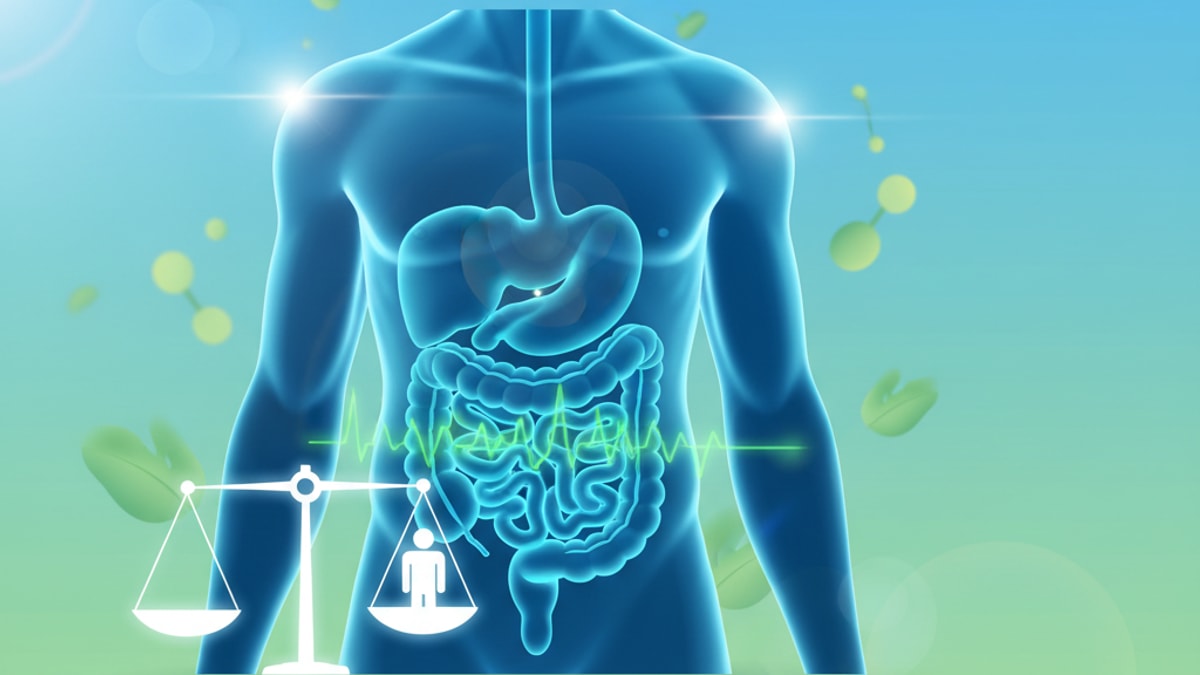
It's a question we hear with increasing frequency, often whispered in frustration after months or even years of digestive turmoil: can IBS cause weight loss? The connection between Irritable Bowel Syndrome and the number on the scale is often confusing, fraught with anxiety, and deeply personal. For many, IBS isn't just about bloating, cramping, or unpredictable bowel habits; it's about a body that feels like it's no longer under their control.
The short answer is yes. It absolutely can. While IBS is technically a functional gut disorder—meaning the gut's structure is normal but it doesn't work correctly—the downstream effects can have a profound impact on your body composition. Our team has worked with countless individuals whose battle with IBS has led to a significant, sometimes dramatic, shift in their weight. This isn't about vanity. It's about health, energy, and a fundamental sense of well-being. Let's get into the mechanics of why this happens and, more importantly, what you can do about it.
The Real Reasons IBS Can Lead to Weight Loss
It's not just one thing. The weight loss seen with IBS is rarely due to a single, simple cause. Instead, it’s a cascade of interconnected factors, a perfect storm of physiological and psychological responses that can chip away at your weight over time. We've seen this pattern play out again and again.
First, there's the issue of nutrient malabsorption, particularly for those with diarrhea-predominant IBS (IBS-D). When food moves too quickly through your digestive tract—a hallmark of IBS-D—your intestines simply don't have enough time to do their job. They can't effectively absorb all the calories, vitamins, and minerals from your food before it's expelled. Think of it like an assembly line that's running too fast; products get missed. Over weeks and months, this consistent caloric deficit can lead to noticeable weight loss. It’s subtle at first, but it adds up.
Then there’s the powerful psychological component: food fear. This is huge. When you know that certain foods, or sometimes any food, can trigger a debilitating bout of cramping, bloating, and urgent bathroom trips, you naturally start to avoid them. Your world of acceptable foods shrinks. You might skip meals before important meetings or social events just to be safe. This self-imposed dietary restriction isn't a conscious choice to lose weight; it's a desperate attempt to manage symptoms. Our experience shows this is one of the most common, yet least discussed, drivers of IBS-related weight loss. It's a survival mechanism that inadvertently creates a chronic calorie deficit.
Let's be honest, nausea and a general loss of appetite are also major players. When your gut is in a constant state of unrest, feeling hungry or excited about food can feel like a distant memory. The constant discomfort, bloating, and low-grade inflammation can effectively switch off your body's natural hunger cues. Eating starts to feel like a chore rather than a pleasure, making it incredibly difficult to consume enough calories to maintain your weight.
And we can't forget the gut-brain axis. It's a two-way superhighway of information between your digestive system and your central nervous system. The stress and anxiety that so often accompany a chronic condition like IBS can put your body into a state of 'fight or flight.' This constant low-level stress revs up your metabolism, causing you to burn more calories even at rest. It's a debilitating cycle: the IBS causes stress, and the stress makes the IBS—and the associated weight loss—even worse.
Finally, an underlying issue for many with IBS is Small Intestinal Bacterial Overgrowth (SIBO). This is a condition where bacteria that should be in the large intestine migrate and proliferate in the small intestine. These misplaced bacteria can interfere with digestion and compete with your body for nutrients, leading to poor absorption and, you guessed it, weight loss.
Does Your IBS Type Affect Weight Changes?
This is a fantastic question because not all IBS is the same. The subtype of IBS you have can definitely influence whether you're more likely to lose or even gain weight.
As we've touched on, weight loss is far more commonly associated with IBS with Diarrhea (IBS-D). The rapid gut transit time is the primary culprit here. Everything is moving too quickly for proper nutrient and calorie absorption to occur. The urgency and frequency associated with IBS-D can also amplify food avoidance, as the fear of an immediate, explosive reaction to eating is very real.
On the other side of the spectrum is IBS with Constipation (IBS-C). With this subtype, weight gain can sometimes be a concern, though it's not a universal rule. The slow transit time means waste remains in the colon for longer, which can lead to persistent bloating and water retention, making the number on the scale tick upwards. Furthermore, some people with IBS-C find that they feel better when eating lower-fiber, higher-carbohydrate foods, which can be more calorie-dense.
Then there's IBS with Mixed Bowel Habits (IBS-M), where you alternate between diarrhea and constipation. For these individuals, weight can fluctuate unpredictably. They might lose a few pounds during a week dominated by diarrhea and then gain it back (and then some, due to water retention) during a constipated phase. This rollercoaster can be incredibly frustrating and makes it difficult to find a stable equilibrium.
It's a complex picture. And it’s why a one-size-fits-all approach to managing IBS and its effect on weight is doomed to fail. A personalized strategy is non-negotiable.
When Unintentional Weight Loss Becomes a Red Flag
We can't stress this enough: while some weight loss can be a feature of IBS, it's critical to know when it might be signaling something more serious. IBS itself doesn't damage the intestinal tissue, but other conditions that mimic its symptoms do. Your health and safety are paramount.
Unintentional weight loss is considered medically significant if you lose more than 5% of your body weight over a 6-to-12-month period without trying. For a 150-pound person, that's about 7.5 pounds. If this is happening to you, it is absolutely essential to see a healthcare provider for a full workup.
Here are some other 'red flag' symptoms that, when paired with weight loss, demand immediate medical attention:
- Blood in your stool (either bright red or dark and tarry)
- Severe, persistent abdominal pain, especially pain that wakes you up at night
- Recurrent fevers
- Signs of anemia, such as persistent fatigue, pale skin, or shortness of breath
- Difficulty swallowing
- A palpable lump or mass in your abdomen
These symptoms are not typical of IBS and could indicate conditions like Inflammatory Bowel Disease (IBD), which includes Crohn's disease and ulcerative colitis, celiac disease, or, in rare cases, cancer. A proper diagnosis is the first and most important step. Don't rely on Dr. Google. Please, get professional medical advice.
A Modern Strategy for Managing IBS and Weight
So, you've been diagnosed with IBS, you're losing weight, and you feel stuck. What now? Regaining control requires a multi-faceted approach that addresses the gut, the brain, and your body's overall metabolic health. This is the framework our team uses to help people find stability.
It starts with confirming the diagnosis and ruling out those red flag conditions. Once you're certain it's IBS, the work begins. The first line of defense is often dietary management, but it needs to be done intelligently. The Low-FODMAP diet is a common tool, but we see it misused all the time. It's not a forever diet; it's a short-term diagnostic tool used to identify your specific trigger foods. The goal is always to reintroduce as many foods as possible to maintain a diverse and nutrient-rich diet.
Next, you have to tackle the gut-brain axis. This isn't 'woo-woo' science; it's established medicine. Techniques like gut-directed hypnotherapy, cognitive-behavioral therapy (CBT), meditation, and even gentle exercise like yoga can significantly calm the nervous system signals that are making your gut over-reactive. Managing stress is not an optional add-on; it's a core part of effective IBS treatment.
But what if you've done all that and your weight is still unstable, or your appetite and cravings are all over the place? This is where modern medical advancements can play a crucial role. Your body's metabolic system—the complex web of hormones that control hunger, satiety, and energy use—is often thrown into disarray by chronic IBS. This is a piece of the puzzle that is so often missed.
This is where we come in. At TrimrX, we specialize in medically-supervised weight management, but our work often intersects with gut health. We've found that addressing the underlying metabolic dysregulation can be a game-changer. Medications like GLP-1 agonists (Semaglutide and Tirzepatide) do more than just help with weight loss. They work directly on the gut and brain to regulate appetite, slow gastric emptying (which can be hugely beneficial for some with IBS-D), and improve your body's hormonal response to food. By stabilizing the metabolic system, you can break the cycle of food fear, poor appetite, and unintentional weight loss.
It's about creating a foundation of metabolic health so that dietary and lifestyle changes can actually work. It’s not a magic bullet, but for many, it's the missing link in their management plan. If you're curious about how this could fit into your journey, a great first step is to Take Quiz to see if you might be a candidate for our program.
Here’s a look at how different approaches stack up:
| Management Strategy | Primary Goal | How It Works | Best For | Potential Downsides |
|---|---|---|---|---|
| Dietary Changes (Low-FODMAP) | Symptom reduction | Systematically removes and reintroduces fermentable carbs to identify triggers. | Individuals with clear food-related IBS triggers. | Can be overly restrictive if not done properly; requires professional guidance. |
| Stress Management (CBT/Yoga) | Calm the gut-brain axis | Reduces nervous system over-activity that contributes to gut hypersensitivity. | Anyone with IBS, especially if stress is a known trigger. | Requires consistent practice; may not be sufficient on its own. |
| Probiotics & Prebiotics | Improve gut microbiome | Introduces beneficial bacteria and fibers to support a healthy gut environment. | People with dysbiosis (imbalanced gut bacteria). | Efficacy can vary widely by strain; finding the right one can be trial-and-error. |
| Medically-Supervised Programs (GLP-1s) | Metabolic & appetite regulation | Uses medication to influence hormones that control hunger, satiety, and gut motility. | Individuals with significant weight instability and appetite dysregulation. | Requires medical supervision; not a first-line treatment for IBS alone. |
Can a Medically-Supervised Approach Be the Answer?
For the right person, yes. Let’s be very clear: medications like Semaglutide are not a direct 'cure' for IBS. However, they address some of the key downstream effects that make life with IBS so difficult.
Think about it. If your appetite is gone and the thought of eating causes anxiety, a medication that helps normalize your hunger signals can be transformative. It can give you the confidence to eat regular, nourishing meals without the overwhelming fear of an immediate flare-up. By slowing down how quickly your stomach empties, it can help those with IBS-D feel fuller for longer and potentially reduce the urgency and frequency of bowel movements. This gives your body a better chance to absorb the nutrients it so desperately needs.
This is why the 'medically-supervised' part is so important. This isn't about just getting a prescription. It's about having a clinical team that understands the nuanced interplay between gut health, metabolism, and your overall well-being. It's about creating a holistic plan where medication supports your dietary efforts, stress management techniques, and lifestyle changes. It's comprehensive.
Our philosophy at TrimrX is to look at the whole person. We understand that your struggles with weight may be deeply intertwined with a chronic condition like IBS. Our goal is to provide a tool that helps restore balance to your system, allowing you to get off the digestive rollercoaster and back to living your life. This approach isn't for everyone, but for those who have tried everything else, it can be the key that finally unlocks progress. If you feel this resonates with your experience, we encourage you to Start Your Treatment Now by beginning our simple intake process.
Regaining your health and a stable weight when you have IBS is entirely possible. It requires a thoughtful, patient, and comprehensive strategy. It means moving beyond just managing symptoms and starting to address the root causes of the instability, including the powerful metabolic factors at play. Your journey with IBS doesn't have to be defined by unintentional weight loss and food anxiety. There is a path forward, and it begins with seeking expert, compassionate care that sees the complete picture.
Frequently Asked Questions
How much weight loss is considered ‘significant’ with IBS?
▼
Medically, unintentionally losing more than 5% of your body weight in 6 to 12 months is considered significant. If this is happening, we strongly recommend consulting a healthcare provider to rule out other underlying conditions.
Can IBS cause weight gain instead of weight loss?
▼
Yes, it can. Weight gain is more commonly associated with constipation-predominant IBS (IBS-C) due to slower gut transit, bloating, and water retention. Dietary choices made to manage constipation can also sometimes be higher in calories.
Will treating my IBS help me regain the weight I lost?
▼
Often, yes. Effective IBS management that reduces symptoms like diarrhea and nausea can improve nutrient absorption and appetite. This, combined with a nutrient-dense diet, typically allows your body to return to a healthy, stable weight.
Is the Low-FODMAP diet a weight loss diet?
▼
No, it is not designed for weight loss. The Low-FODMAP diet is a temporary diagnostic tool to identify food triggers for IBS symptoms. Its primary goal is symptom management, not calorie restriction.
Does stress make IBS-related weight loss worse?
▼
Absolutely. Stress activates the gut-brain axis, which can worsen IBS symptoms like diarrhea and also increase your metabolic rate. This combination can definitely accelerate or exacerbate unintentional weight loss.
What’s the first step if I’m losing weight and have digestive issues?
▼
The most critical first step is to see a doctor for a proper diagnosis. It’s essential to rule out more serious conditions like IBD or celiac disease before assuming your symptoms and weight loss are solely due to IBS.
Can I take medications like Semaglutide or Tirzepatide if I have IBS?
▼
Many people with IBS can safely use GLP-1 medications under medical supervision. These drugs can affect gut motility, so it’s crucial to work with a clinical team, like ours at TrimrX, that can tailor the treatment to your specific IBS subtype and symptoms.
How does food fear contribute to weight loss in IBS?
▼
Food fear, or sitophobia, leads to conscious or subconscious food restriction to avoid triggering painful symptoms. Over time, this avoidance can lead to a significant and sustained calorie deficit, causing unintentional weight loss.
Could my weight loss be from SIBO instead of IBS?
▼
It’s possible, as the two conditions often overlap. Small Intestinal Bacterial Overgrowth (SIBO) can cause malabsorption of fats and carbohydrates, leading to weight loss. Many experts believe SIBO is an underlying cause of IBS for a large number of people.
Will I have to avoid my trigger foods forever?
▼
Not necessarily. The goal of an elimination diet is to identify specific triggers. Many people find their tolerance levels can change over time, especially as they improve their overall gut health and manage stress levels.
What kind of doctor should I see for IBS and weight loss?
▼
A gastroenterologist is the best specialist to diagnose and manage IBS and rule out other conditions. For addressing the metabolic and weight component, a team specializing in medically-supervised weight management can be an invaluable part of your care team.

Transforming Lives, One Step at a Time
Keep reading

Do You Need a Prescription for GLP-1s? The 2026 Answer
Wondering ‘do you need a prescription for glp 1’ in 2026? Yes. We explain why a doctor’s oversight is critical for safe, effective results.

How to Get GLP-1 Covered By Insurance: Our 2026 Playbook
Struggling with how to get glp-1 covered by insurance? Our 2026 guide breaks down prior authorizations, appeals, and documentation.

Traveling with GLP-1s in 2026: Your Essential Trip-Proof Plan
Don’t let travel disrupt your GLP-1 treatment. Learn how to travel with glp 1 medications safely and stress-free in our 2026 expert guide.


