Can Inositol Actually Help You Lose Weight? Our Team Explains
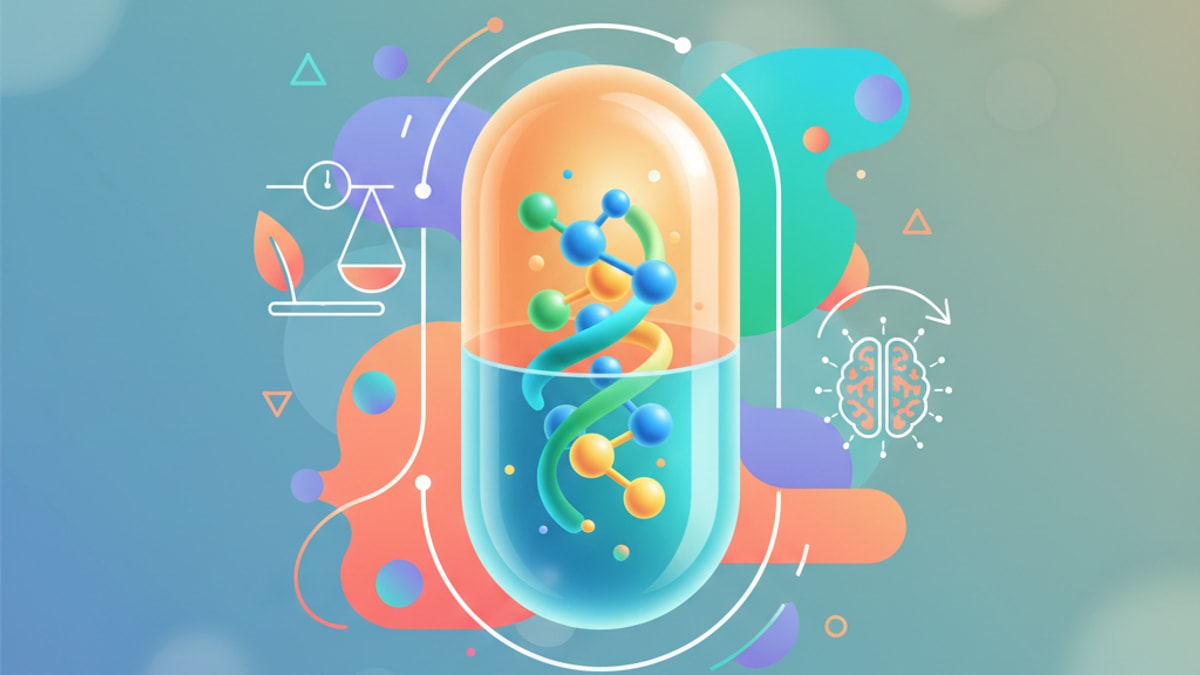
What Exactly Is Inositol? (And Why Is It Everywhere?)
Let's be honest. If you're invested in your health, you've probably seen inositol pop up somewhere. It’s on blogs, in supplement aisles, and mentioned in forums as a potential game-changer for everything from mood to metabolic health. But what is it, really? It sounds complex, but the concept is surprisingly straightforward.
Inositol is a type of sugar molecule—a carbocyclic sugar, to be specific—that your body produces from glucose. It’s also found naturally in a variety of foods like fruits (especially cantaloupe and citrus), beans, grains, and nuts. For a long time, it was informally referred to as vitamin B8, but that's a bit of a misnomer since our bodies can synthesize it. It's not a true vitamin. Its role, however, is absolutely critical. Think of it as a fundamental building block for cellular communication. It's a key structural component of your cell membranes and, most importantly for our conversation today, it acts as a 'secondary messenger' in a whole host of biological processes. This means it helps translate signals from hormones, like insulin, into action inside the cell. Without it, the messages get lost. The wires get crossed.
There are nine different forms, or isomers, of inositol, but two of them get the most attention in the clinical world: myo-inositol (MI) and D-chiro-inositol (DCI). They are the stars of the show. Your body maintains a delicate, specific balance of these two forms in different tissues, and when that balance is thrown off, things can start to go sideways, particularly with your metabolism. This imbalance is where the connection to weight management really begins.
The Big Question: Can Inositol Cause Weight Loss?
So, here's the billion-dollar question. Will taking an inositol supplement make you shed pounds? The answer isn't a simple yes or no. It’s more nuanced, and frankly, more interesting than that. Our team’s experience shows that direct, dramatic weight loss from inositol alone is rare. It’s not a thermogenic fat burner or an appetite suppressant in the traditional sense.
Instead, its power lies in addressing one of the most formidable, stubborn root causes of weight gain: insulin resistance.
This is a concept we discuss with patients constantly here at TrimrX. When your body is insulin resistant, your cells don't respond properly to the hormone insulin. Think of insulin as the key that unlocks your cells to let glucose (sugar) in for energy. If the locks on your cells are rusty (resistant), your pancreas has to pump out more and more insulin—yelling louder, essentially—to get the job done. This state of high circulating insulin, called hyperinsulinemia, is a catastrophic metabolic state. It signals your body to store fat, particularly around the midsection, and it blocks your body from burning stored fat for fuel. It also leads to relentless cravings for sugar and refined carbs. It’s a vicious cycle.
This is where inositol steps in. Myo-inositol and D-chiro-inositol act as messengers that help fix the faulty signaling pathway. They help the 'rusty locks' on the cells work properly again. When cells become more sensitive to insulin, your body doesn't need to produce as much of it. As insulin levels normalize, several things happen:
- Fat storage signals decrease.
- Fat burning signals can finally get through.
- Blood sugar stabilizes, reducing energy crashes and cravings.
So, can inositol cause weight loss? Indirectly, yes. By helping to correct the underlying metabolic dysfunction of insulin resistance, it creates an environment where your body is no longer fighting against itself. It makes weight loss possible again for people who have been stuck. It’s not the direct cause, but rather the catalyst that allows diet and lifestyle changes to finally work.
Inositol's Starring Role in PCOS and Metabolic Health
A huge portion of the research spotlighting inositol’s benefits is focused on Polycystic Ovary Syndrome, or PCOS. This is no coincidence. PCOS is a complex endocrine disorder that affects millions of women, and one of its central features is profound insulin resistance. For many women with PCOS, the constant battle with weight gain, irregular cycles, and other hormonal symptoms is directly tied to this metabolic issue.
This is where the data gets really compelling.
Numerous clinical studies have shown that supplementing with a specific ratio of myo-inositol to D-chiro-inositol (typically 40:1, which mimics the natural ratio in our plasma) can have a dramatic positive effect. We're talking significant improvements in insulin sensitivity, a reduction in circulating androgens (like testosterone), and the restoration of regular ovulation. And what happens when you improve these foundational metabolic and hormonal markers? Weight management becomes achievable. The weight loss observed in these studies is almost always a secondary, welcome consequence of restoring metabolic harmony.
Our clinical team has observed this time and again. When a patient’s underlying metabolic condition is properly addressed, the seemingly impossible struggle with cravings and persistent weight gain begins to ease. It’s not about willpower; it’s about biology. Inositol, for this specific population, can be a critical tool in recalibrating that biology. It helps their bodies hear the hormonal signals they’ve been screaming all along. The result isn't just a number on the scale; it's a feeling of being back in control.
Beyond PCOS: Is It Effective for General Weight Loss?
This is the logical next question. If it works so well for a condition defined by insulin resistance, what about the general population struggling with weight? Can a person without PCOS benefit?
The evidence here is still emerging but looks promising, especially for individuals with Metabolic Syndrome. This is a cluster of conditions—including high blood pressure, high blood sugar, excess body fat around the waist, and abnormal cholesterol or triglyceride levels—that occur together, increasing your risk of heart disease, stroke, and type 2 diabetes. And what’s at the heart of Metabolic Syndrome? You guessed it: insulin resistance.
Research suggests that inositol can help improve several components of this syndrome. It can help lower triglycerides, improve HDL ('good') cholesterol, and reduce blood pressure. By tackling these issues, it's once again addressing the metabolic chaos that fuels weight gain. Some studies also hint at inositol's potential to influence neurotransmitters like serotonin and dopamine, which could play a role in mood and appetite regulation. Better mood and fewer cravings can certainly contribute to better dietary choices and, consequently, weight loss.
However, we can't stress this enough: inositol is not a magic pill. For an individual with significant weight to lose, it’s unlikely to be the sole solution. It's a supportive player. A fantastic one, potentially, but not the star quarterback. The non-negotiable foundations of weight loss—nutrition, consistent physical activity, stress management, and adequate sleep—are still the core of any successful plan. Inositol can make those efforts more effective by ensuring your body’s internal chemistry is working with you, not against you.
Comparing Inositol to Other Weight Loss Approaches
It's crucial to understand where a supplement like inositol fits into the broader landscape of weight management. It's one tool in a very large toolbox. To provide some clarity, our team put together a simple comparison of different approaches. This isn't about which one is 'best,' but about understanding the right tool for the right job.
| Approach | Primary Mechanism | Best For | Potential Effectiveness |
|---|---|---|---|
| Inositol Supplementation | Improves insulin sensitivity; supports hormonal balance. | Individuals with diagnosed insulin resistance, PCOS, or Metabolic Syndrome. | Moderate, often as a supportive element to facilitate weight loss from other efforts. |
| Diet & Exercise | Calorie deficit; improved cardiovascular health and muscle mass. | Everyone. This is the non-negotiable foundation of long-term health and weight management. | Varies widely based on consistency, intensity, and individual biology. Can be very effective but slow. |
| GLP-1 Medications (e.g., Semaglutide) | Mimics natural hormones to regulate appetite, slow digestion, and improve insulin response. | Individuals with significant weight to lose, often with weight-related health conditions. | High. Clinically proven for substantial and sustained weight loss under medical supervision. |
As you can see, these approaches aren't mutually exclusive. In fact, they work on different parts of the same complex system. Inositol helps fine-tune the cellular machinery, diet and exercise provide the right fuel and demand, and advanced medical treatments like the GLP-1 programs we offer at TrimrX can powerfully reset the body's entire metabolic and appetite-regulating system. The key is a comprehensive strategy.
How We See Inositol Fitting into a Modern Weight Loss Plan
So, where does that leave us? At TrimrX, we're focused on a medically-supervised, science-backed approach to weight loss. We leverage cutting-edge treatments like Semaglutide and Tirzepatide because they are clinically proven to address the deep biological drivers of obesity. But we also recognize the importance of a holistic plan.
Here’s our professional take: Inositol can be an incredibly valuable part of a weight management strategy, particularly for individuals who have a confirmed issue with insulin signaling. It’s a targeted tool for a specific problem.
If you suspect you have insulin resistance or have been diagnosed with PCOS, discussing inositol with your healthcare provider is a very smart move. It could be the missing link that helps your body respond better to the healthy lifestyle changes you’re already making. But—and this is a big but—it shouldn't be your only strategy, especially if you have 30, 50, or 100+ pounds to lose. The level of metabolic and hormonal dysregulation present in significant obesity often requires a more powerful intervention to break the cycle.
This is precisely why programs like ours exist. We go beyond just one single mechanism. Our approach combines powerful, FDA-approved medications that work on appetite centers in the brain and gut with personalized coaching on nutrition and lifestyle. We're not just trying to fix one part of the engine; we're giving the entire system a comprehensive tune-up. For those who are ready to move beyond the supplement-of-the-month cycle and explore a clinically-backed path to lasting change, you can Take Quiz on our site to see if our program is the right fit for your biology and your goals.
Inositol can prepare the soil. A comprehensive medical program plants the seeds, waters them, and ensures they grow.
Potential Side Effects and What to Watch For
No responsible discussion of a supplement is complete without touching on safety. The good news is that inositol is generally considered very safe and is well-tolerated by most people. Because it's a substance naturally found in the body and in food, the risk of adverse effects is low, particularly at standard dosages.
However, 'safe' doesn't mean 'zero side effects.' When taken in very high doses (typically over 12 grams per day), inositol can cause some mild gastrointestinal distress. This usually includes things like:
- Nausea
- Gas and bloating
- Diarrhea
- Headache
Our recommendation is always the same: start low and go slow. If you and your doctor decide to try inositol, begin with a lower dose and gradually increase it to allow your body to adjust. And, of course, choosing a high-quality supplement from a reputable brand is non-negotiable. The supplement industry can be a bit of a wild west, so quality matters. Always consult with your healthcare provider before starting any new supplement, especially if you are pregnant, breastfeeding, or taking other medications, particularly those that affect blood sugar or mood.
Ultimately, the journey to a healthy weight is deeply personal. For some, inositol might be a fantastic supporting actor, helping to set the stage for success by improving metabolic function. For others, a more comprehensive, medically-guided approach is needed to truly move the needle. The key is to stop guessing and start addressing the real, underlying biology.
It’s about finding the right combination of tools that work for your unique body. It's about building a sustainable plan that doesn't just focus on the scale, but on restoring your health from the inside out. If you're ready to find that combination with expert guidance, we're here to help you Start Your Treatment Now.
Frequently Asked Questions
What is the recommended dosage of inositol for weight loss?
▼
There’s no single official dosage, but most clinical studies focusing on insulin resistance and PCOS use a range of 2 to 4 grams of myo-inositol, often combined with a small amount of D-chiro-inositol, taken once or twice daily. It’s critical to consult with a healthcare provider to determine the right dose for your specific needs.
Which form of inositol is best for weight management?
▼
The most researched combination for metabolic health is a 40:1 ratio of myo-inositol (MI) to D-chiro-inositol (DCI). This ratio mimics the natural balance in the body and has shown the most promise in studies related to insulin sensitivity and PCOS.
How long does it take for inositol to work for weight loss?
▼
Inositol is not a quick fix. Because it works by improving underlying metabolic function, it can take at least three to six months of consistent use to see noticeable changes in metabolic markers and, subsequently, weight. Patience is key.
Can men take inositol for weight loss?
▼
Absolutely. While much of the research is focused on women with PCOS, men with insulin resistance or Metabolic Syndrome can also benefit. It helps improve insulin sensitivity regardless of gender, which is a key factor in weight management for many men.
Does inositol specifically target belly fat?
▼
Indirectly, it may. Belly fat (visceral fat) is strongly linked to high insulin levels and insulin resistance. By helping to lower insulin and improve sensitivity, inositol can help the body stop preferentially storing fat in the abdominal area, but it’s not a spot-reduction tool.
Can I get enough inositol from food instead of supplements?
▼
While many foods contain inositol, achieving the therapeutic doses used in clinical studies (2-4 grams) through diet alone would be very difficult. For addressing specific issues like insulin resistance, supplementation is generally necessary to reach those concentrated levels.
Is inositol the same as berberine or metformin?
▼
No, they are different substances with different mechanisms. While all three can improve insulin sensitivity, metformin is a prescription drug, and berberine is a plant-based compound. Inositol is a sugar alcohol that works as a secondary messenger within the cell’s insulin signaling pathway.
Are there any medications I shouldn’t take with inositol?
▼
You should always consult your doctor before starting inositol, especially if you take medication for diabetes or mood disorders like SSRIs. Because inositol can affect blood sugar and neurotransmitters, professional guidance is essential to avoid any potential interactions.
Does TrimrX prescribe inositol in its weight loss programs?
▼
Our primary focus at TrimrX is on comprehensive, medically-supervised programs using powerful, FDA-approved medications like GLP-1s. While we provide holistic guidance that may include supplement recommendations like inositol for the right patient, it is not a core component of our primary treatment protocol.
Can inositol help with sugar cravings?
▼
Yes, this is one of its most reported benefits. By helping to stabilize blood sugar and improve how your cells use glucose, inositol can reduce the dramatic blood sugar swings that often lead to intense cravings for sugar and refined carbohydrates.
Is it safe to take inositol long-term?
▼
Inositol is generally considered safe for long-term use, as it’s a natural substance in the body. Many people take it for years to manage conditions like PCOS. As always, it’s best to have this conversation with your healthcare provider for personalized advice.
Will I regain weight if I stop taking inositol?
▼
If the underlying lifestyle factors that contributed to insulin resistance are not addressed, it’s possible that the metabolic issues and subsequent weight could return. Inositol is a tool to help manage the condition, not a permanent cure without foundational diet and exercise changes.

Transforming Lives, One Step at a Time
Keep reading

Do You Need a Prescription for GLP-1s? The 2026 Answer
Wondering ‘do you need a prescription for glp 1’ in 2026? Yes. We explain why a doctor’s oversight is critical for safe, effective results.

How to Get GLP-1 Covered By Insurance: Our 2026 Playbook
Struggling with how to get glp-1 covered by insurance? Our 2026 guide breaks down prior authorizations, appeals, and documentation.

Traveling with GLP-1s in 2026: Your Essential Trip-Proof Plan
Don’t let travel disrupt your GLP-1 treatment. Learn how to travel with glp 1 medications safely and stress-free in our 2026 expert guide.


