Can Mounjaro Help With Cholesterol?
Introduction
Finding out your cholesterol levels are creeping upward can feel like a setback, especially when you are already working hard to manage your weight. You might feel like you are doing everything right—choosing the salads, hitting the gym—yet the blood work doesn’t reflect your effort. Many people exploring medical weight loss are now asking if modern treatments can do more than just lower the number on the scale, so take the free assessment quiz to see if a personalized program may fit your goals. At TrimRx, we believe that understanding the full metabolic picture is essential for long-term health. While Mounjaro® is primarily known for its impressive weight loss results, research suggests it may also play a significant role in improving your lipid profile. This article explores how Mounjaro interacts with your cholesterol levels, what the clinical data shows, and how a personalized program can help you achieve a healthier heart.
How Mounjaro Works in the Body
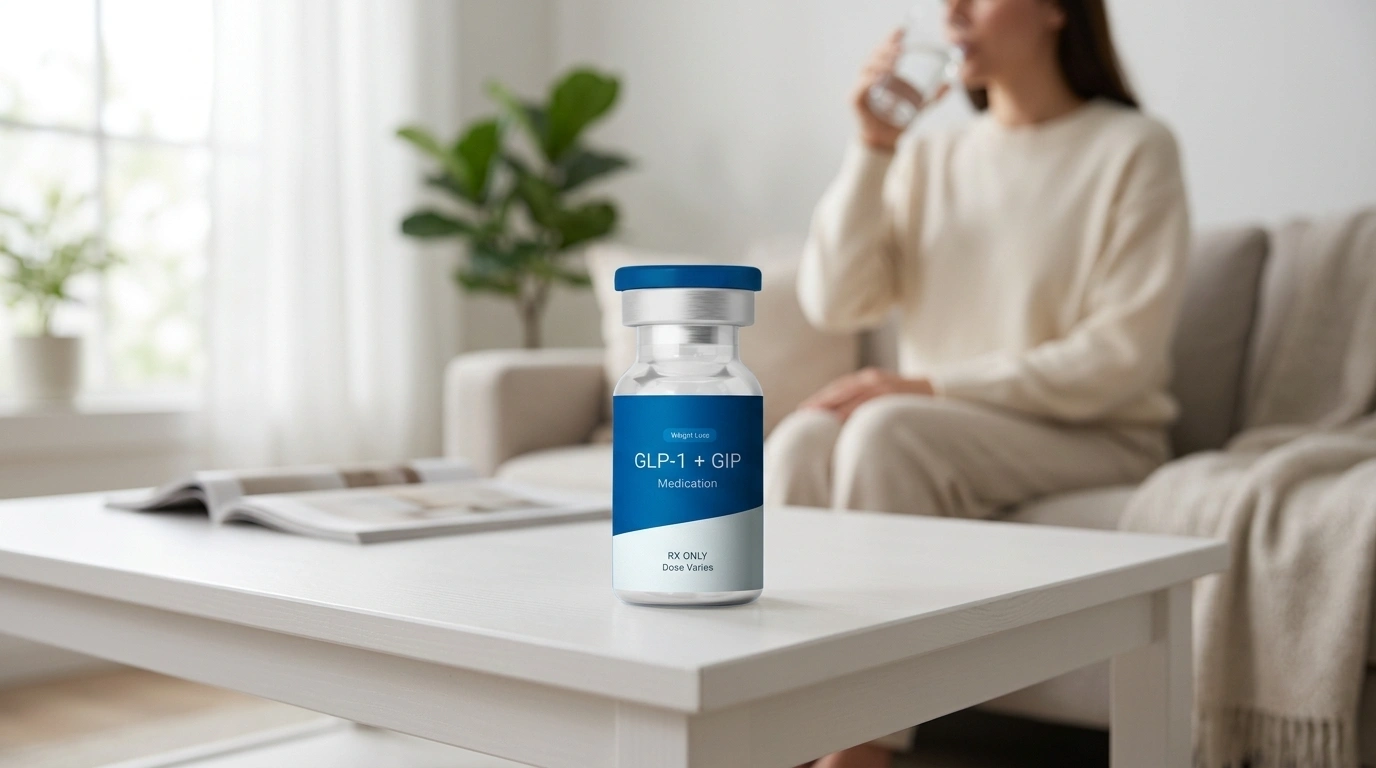
Before looking at cholesterol specifically, it is helpful to understand what Mounjaro is and how it functions. If you want a deeper look at the mechanism behind this medication, our tirzepatide guide breaks it down in more detail. Mounjaro is the brand name for tirzepatide, a medication that belongs to a class of drugs known as dual GIP and GLP-1 receptor agonists. These are molecules that mimic natural hormones in your body: glucagon-like peptide-1 (GLP-1) and glucose-dependent insulinotropic polypeptide (GIP).
When you take this medication, it targets receptors in the brain and digestive system to regulate appetite and blood sugar. The GLP-1 component helps you feel full faster and slows down how quickly your stomach empties. The GIP component is thought to further enhance how the body breaks down sugar and fats. By addressing these two pathways simultaneously, the medication helps reduce overall caloric intake and improves how your body processes energy.
Quick Answer: Yes, Mounjaro can help improve cholesterol levels. Clinical studies indicate it can significantly lower triglycerides and bad cholesterol (LDL) while potentially increasing good cholesterol (HDL), largely through weight loss and improved insulin sensitivity.
The Relationship Between Weight and Cholesterol
To understand if Mounjaro can help with cholesterol, we must look at the link between body weight and blood fats. If you want a broader overview of how this treatment class works, our GLP-1 explainer is a helpful companion read. When the body carries excess weight, particularly around the midsection, it often leads to a state of insulin resistance. This means your cells don’t respond well to insulin, causing the liver to produce more “bad” cholesterol and fewer “good” particles.
LDL (Low-Density Lipoprotein): Often called “bad” cholesterol, high levels can lead to plaque buildup in your arteries.
HDL (High-Density Lipoprotein): Known as “good” cholesterol, this helps remove other forms of cholesterol from your bloodstream.
Triglycerides: A type of fat found in your blood. High levels are often a sign of metabolic distress.
When an individual loses a significant amount of weight, their metabolic health often resets. The liver becomes more efficient, and the inflammation associated with carrying extra weight begins to subside. This natural shift is one of the primary reasons medications like tirzepatide show such positive effects on heart health markers.
What the Clinical Research Says
The impact of tirzepatide on cholesterol has been closely monitored during large-scale clinical trials, such as the SURPASS and SURMOUNT programs. For a closer look at metabolic markers and lipid changes, you may also want to read our low-dose tirzepatide and metabolic health article. These studies looked at thousands of individuals with type 2 diabetes or obesity to see how their bodies changed over time.
Reductions in Triglycerides
One of the most notable findings in these trials was the dramatic reduction in triglycerides. Many participants saw their triglyceride levels drop by 15% to 30%. This is significant because high triglycerides are a major independent risk factor for heart disease.
Impact on LDL and HDL
While the reduction in LDL (bad) cholesterol was more modest than the drop in triglycerides, it was still measurable. Most participants experienced an LDL reduction between 5% and 8%. Additionally, many saw a slight increase in their HDL (good) cholesterol levels.
Key Takeaway: Mounjaro appears to have a “dose-dependent” effect on cholesterol. This means that individuals on higher doses who achieve more significant weight loss typically see the greatest improvements in their lipid profiles.
Is Mounjaro a Replacement for Statins?
It is important to clarify that while Mounjaro may support better cholesterol levels, it is not a direct replacement for statins or other dedicated cholesterol-lowering medications. Statins work specifically by blocking an enzyme in the liver that produces cholesterol. They have decades of data proving they reduce the risk of heart attack and stroke.
Mounjaro, on the other hand, improves cholesterol primarily as a secondary benefit of weight loss and improved metabolic function. If a healthcare provider has prescribed a statin for you, you should never stop taking it without a direct consultation. Many patients find that using a weight loss program alongside their existing heart medications provides a “dual-action” approach to cardiovascular health.
Comparing the Two Approaches
| Feature | Statins (e.g., Atorvastatin) | Mounjaro (Tirzepatide) |
|---|---|---|
| Primary Goal | Lower LDL cholesterol | Manage blood sugar & weight |
| LDL Reduction | Typically 30% to 50% | Typically 5% to 8% |
| Triglyceride Impact | Moderate | Significant (15% to 30%) |
| Weight Impact | Generally neutral | Significant loss (up to 20%+) |
| How it’s taken | Daily oral tablet | Once-weekly injection |
Can You Take Mounjaro and Statins Together?
Many people who are candidates for a medical weight loss program are already taking cholesterol medication. Current medical research indicates that there are no known significant drug-to-drug interactions between tirzepatide and common statins like Lipitor® (atorvastatin) or Crestor® (rosuvastatin).
In fact, taking them together can be quite effective. As the weight loss from the GLP-1/GIP medication kicks in, the underlying metabolic strain on your heart decreases. Your provider may even find that as you reach a healthier weight, your required dose of cholesterol medication might eventually be reviewed.
Note: Always disclose all current medications, including supplements and over-the-counter drugs, during your health assessment. This ensures your personalized plan is safe and effective for your specific health profile.
The Role of Insulin Sensitivity
A major reason Mounjaro helps with cholesterol is its effect on insulin sensitivity. Insulin is a hormone that tells your body how to use or store sugar. When you are insulin resistant, your body struggles to process fats correctly. This often leads to a condition called “dyslipidemia,” where your fat levels in the blood become unbalanced.
By mimicking GIP and GLP-1, tirzepatide helps the body become more sensitive to insulin. When your body processes sugar better, it also starts to process lipids (fats) better. This systemic improvement is why many patients see their blood work improve across multiple categories, not just weight.
Lifestyle Factors That Support Better Cholesterol
While medication can be a powerful tool, it works best when supported by a healthy foundation. At TrimRx, we emphasize that our programs are most successful when paired with sustainable lifestyle changes. If your goal is to lower your cholesterol while on a GLP-1 medication, the GLP-1 Daily Support supplement can be a helpful part of a nutrition-first routine.
- Focus on Soluble Fiber: Foods like oats, beans, and lentils help bind cholesterol in the digestive tract and remove it from the body.
- Prioritize Healthy Fats: Swap saturated fats (like butter or fatty meats) for unsaturated options like avocado, olive oil, and walnuts.
- Monitor Protein Intake: As you lose weight, it is vital to maintain muscle mass. Ensure you are getting enough lean protein to support your metabolism.
- Stay Active: Even moderate walking can help boost your HDL (good) cholesterol levels.
If you want extra support while you focus on consistency and energy, the Weight Loss Boost supplement is another option to consider.
Step-by-Step: Managing Cholesterol on Your Journey
Step 1: Get a baseline blood test. / Work with a provider to check your current LDL, HDL, and triglyceride levels before starting any new program.
Step 2: Start your personalized program. / Use your medication as directed, focusing on consistent dosing and gradual titration.
Step 3: Adjust your nutrition. / Increase your intake of heart-healthy fats and fiber to support the medication’s effects.
Step 4: Re-evaluate after 3-6 months. / Repeat your blood work to see how your lipid profile has responded to your weight loss and metabolic changes.
Why a Personalized Approach Matters
Everyone’s body responds differently to weight loss medications. Some people may see their cholesterol drop rapidly, while others may see a slower, more gradual change. This is why a “one-size-fits-all” approach rarely works for long-term health.
Our programs focus on the individual. We connect you with licensed providers who review your medical history and health goals to determine the best course of action. If you want to learn more about how patients begin treatment, our how to get tirzepatide for weight loss guide explains the process. Whether you are prescribed Compounded Tirzepatide or Compounded Semaglutide, the goal is the same: sustainable weight management that supports your heart and overall well-being.
Bottom line: Mounjaro is not a dedicated cholesterol drug, but its ability to drive significant weight loss and improve insulin sensitivity often results in much healthier blood fat levels.
Potential Side Effects and Precautions
While Mounjaro is generally well-tolerated, it is a prescription medication and can cause side effects. The most common issues are gastrointestinal, such as nausea, diarrhea, or constipation. These are usually mild and tend to decrease as your body adjusts to the medication.
Regarding cholesterol specifically, some people worry if rapid weight loss can temporarily cause a spike in cholesterol. This can happen occasionally because as fat cells shrink, they release stored cholesterol into the bloodstream. However, this is typically a temporary “mobilization” phase and usually settles into a lower baseline as weight stabilizes.
Important: If you have a history of pancreatitis, gallbladder problems, or a family history of specific thyroid cancers (MTC), you must discuss these with a healthcare professional, as these may be contraindications for GLP-1/GIP medications.
The TrimRx Advantage
Navigating the world of weight loss medications can be overwhelming. We aim to make the process transparent and accessible. Through our telehealth platform, you get access to medical expertise without the need for an in-person office visit.
Our mission is to help you embrace a healthier lifestyle through science and empathy. We provide high-quality compounded medications, which are prepared in FDA-registered and inspected compounding pharmacies. While compounded versions of tirzepatide and semaglutide are not FDA-approved themselves, they offer an accessible way for patients to receive the treatment they need under medical supervision.
Summary: A Heart-Healthy Future
Choosing to address your weight is one of the most significant steps you can take for your heart. While the scale is a helpful metric, the improvements happening inside your body—like lower triglycerides and better-balanced cholesterol—are what truly contribute to a longer, healthier life. Mounjaro® offers a powerful way to jumpstart this process by tackling the hormonal and metabolic hurdles that make traditional dieting so difficult.
Key Takeaway: Combining medical weight loss with heart-healthy habits creates a synergistic effect that can transform your cardiovascular profile far beyond what weight loss alone could achieve.
If you are ready to see how a personalized weight loss program can impact your health markers, the first step is simple: complete the free assessment quiz. By taking that step, you can provide the information our partnered providers need to see if you are a candidate for a GLP-1 or GIP treatment plan.
Our team is dedicated to supporting you every step of the way, providing the tools and medical guidance necessary for a successful journey. Let us help you move toward a future where you feel confident in your body and your blood work.
FAQ
Does Mounjaro lower LDL (bad) cholesterol?
Yes, clinical trials have shown that Mounjaro can lead to a modest reduction in LDL cholesterol, typically ranging from 5% to 8%. This effect is primarily driven by the significant weight loss and improved metabolic health that occurs during treatment.
Is Mounjaro more effective for cholesterol than Ozempic?
While both medications improve cholesterol profiles, some studies suggest that Mounjaro (tirzepatide) may have a slightly stronger impact on triglycerides and LDL than Ozempic® (semaglutide). If you want a broader explanation of how these medications work, our How GLP-1 Works article is a helpful companion read. This is likely because tirzepatide targets two hormone receptors (GIP and GLP-1) rather than just one, often leading to greater overall weight loss.
Can I stop taking my statin if I start Mounjaro?
You should never stop or change the dose of your statin without consulting your healthcare provider first. While Mounjaro may improve your cholesterol, it is not a direct replacement for statins, and the two medications are often used together to provide the best cardiovascular protection.
How long does it take to see cholesterol improvements on Mounjaro?
Most patients begin to see changes in their lipid profiles after they have achieved significant weight loss, which usually occurs within 3 to 6 months of starting the program. Your provider will typically recommend follow-up blood work at these intervals to monitor your progress.
Disclaimer: This content is for informational purposes only and does not constitute medical advice. It is not intended to diagnose, treat, cure, or prevent any disease or condition. Individual results may vary. Always consult a qualified healthcare professional before starting any weight loss program or medication.

Transforming Lives, One Step at a Time
Keep reading

Mounjaro Alternatives: What Else to Consider
If Mounjaro isn’t the right fit, the closest alternatives are other GLP-1 medications, chiefly semaglutide (Ozempic for diabetes, Wegovy for weight), along with a…

Mounjaro vs Zepbound: Same Drug, Two Brands
Like their semaglutide counterparts, Mounjaro and Zepbound are the same medication (tirzepatide) sold under two names for two purposes: Mounjaro is approved for type…

Retatrutide vs Mounjaro: Triple Agonist vs Dual Agonist
The core difference between retatrutide and Mounjaro comes down to how many hormone targets each hits: retatrutide activates three receptors, while Mounjaro (tirzepatide) activates…


