Can NAD+ Actually Help You Lose Weight? A Scientific Look
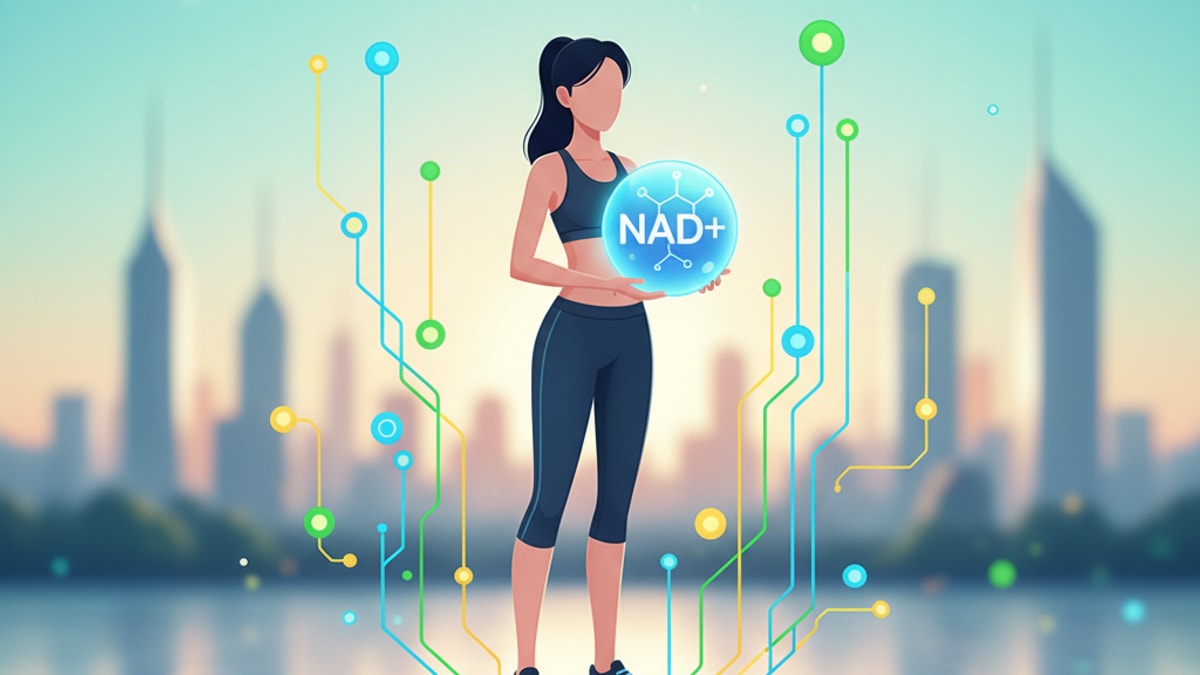
Let's be direct. The wellness world is sprawling, and it’s flooded with promises. Every week, it seems there's a new 'miracle' supplement or bio-hack that claims to hold the key to effortless weight loss. It's exhausting. Our team sees the confusion this creates every single day. One of the molecules currently getting a lot of attention is NAD+, or Nicotinamide Adenine Dinucleotide. The buzz is significant, with claims linking it to everything from anti-aging to enhanced metabolic function.
The big question we keep hearing is: can NAD help with weight loss? It’s a valid question, and it deserves a straightforward, science-backed answer, not just marketing hype. As a team dedicated to medically-supervised weight management, we’ve spent years analyzing metabolic pathways and understanding what truly moves the needle. So, we're going to break it down—what NAD+ is, what it does for your metabolism, and its realistic place in a serious weight loss journey.
First, What Exactly is NAD+?
Before we can talk about weight loss, you need to understand the star of the show. NAD+ isn't a supplement in the traditional sense, like vitamin C or iron. It’s a coenzyme. Think of it as a critical 'helper molecule' that’s present in every single cell of your body. Its job is absolutely fundamental to life itself.
Imagine your cells are tiny engines. Food is the fuel, but that fuel is useless without a spark plug to ignite it and a series of gears to convert that ignition into energy. NAD+ is a massive part of that machinery. It’s essential for converting the nutrients you eat into adenosine triphosphate (ATP), which is the primary energy currency your cells use to function. Without enough NAD+, this entire energy production line grinds to a halt. Seriously. It’s that important.
But its role doesn't stop there. NAD+ is also a key player in activating a group of proteins called sirtuins. Sirtuins are often called 'longevity genes' because they play a massive role in cellular repair, reducing inflammation, and regulating metabolic health. The catch? Sirtuins are completely dependent on NAD+ to do their job. No NAD+, no sirtuin activity. This connection is at the very heart of the conversation about NAD+ and its potential benefits for everything from aging to metabolic health.
Here’s the problem we all face: our natural levels of NAD+ decline as we age. It’s a significant, sometimes dramatic, drop. Some studies suggest that by the time you're 50, you might have half the NAD+ levels you had in your 20s. This decline is linked to many of the hallmark signs of aging, including that frustrating, seemingly inevitable metabolic slowdown. That's why people are so interested in finding ways to boost it.
The Connection Between NAD+, Metabolism, and Your Weight
Now we get to the core of the issue. How does a cellular coenzyme impact the number on the scale? The link is all about metabolic efficiency. A healthy metabolism isn't just about burning calories; it’s about how efficiently your cells can perform their jobs, and that efficiency is directly tied to energy production.
Your mitochondria are the powerhouses of your cells, responsible for that ATP energy conversion we talked about. As NAD+ levels decline with age, mitochondrial function often becomes sluggish and inefficient. They produce less energy and more oxidative stress (free radicals), which further damages the cell. It’s a vicious cycle. This cellular slowdown is what you feel as a slower metabolism. You might notice you have less energy, recovery from exercise takes longer, and it’s suddenly much harder to lose weight (and easier to gain it) even if your diet and exercise habits haven’t changed.
This is where boosting NAD+ comes into the picture. The theory is that by replenishing your cells' supply of this critical coenzyme, you can help restore mitochondrial function. You're essentially giving those cellular powerhouses the tool they need to burn fuel more cleanly and efficiently. A more efficient engine burns more fuel. In your body, that fuel is glucose and fatty acids. So, by supporting the very foundation of cellular energy, NAD+ can help create an internal environment that is more conducive to fat burning and less prone to fat storage.
Furthermore, by activating those sirtuins, NAD+ helps improve insulin sensitivity. Poor insulin sensitivity, or insulin resistance, is a major driver of weight gain, particularly stubborn abdominal fat. When your cells are resistant to insulin, your body has to pump out more of it to get glucose into your cells for energy. High insulin levels are a powerful signal for your body to store fat. By helping sirtuins do their job, NAD+ can support a healthier response to insulin, which is a critical, non-negotiable element of sustainable weight management. We can't stress this enough: managing your insulin response is paramount.
So, Is It a Weight Loss Miracle?
Let’s be perfectly honest. No. NAD+ is not a magic weight loss pill. Our experience shows that anyone promising that is oversimplifying a very complex biological process. Taking an NAD+ precursor supplement or getting an IV infusion won't cause pounds to melt away on its own, especially not in the way that clinically-proven medical treatments do.
Think of it this way: NAD+ is like performing a high-level tune-up on your car’s engine. A tuned-up engine will run smoother, get better gas mileage, and perform more optimally. But if you keep putting low-quality fuel in the tank and never take it out for a drive, you’re not going to see its full potential. You still have to do the work.
Here’s what boosting NAD+ can do as part of a larger strategy:
- Enhance Energy Levels: One of the most commonly reported effects of NAD+ boosting is an increase in both mental and physical energy. This isn't a jittery, caffeine-like buzz. It’s a feeling of sustained, cellular energy. For someone struggling with the fatigue that often accompanies a weight loss journey, this can be a game-changer. More energy makes it easier to be physically active, push harder during workouts, and stay motivated.
- Support a More Efficient Metabolism: By optimizing mitochondrial function, NAD+ helps your body become better at utilizing fat and carbohydrates for fuel rather than storing them.
- Improve Metabolic Health Markers: As mentioned, its role in improving insulin sensitivity is crucial. This can help break the cycle of fat storage driven by insulin resistance.
- Aid in Muscle Recovery: Better cellular repair mechanisms mean you might recover from exercise faster, allowing for more consistent training.
Essentially, NAD+ works in the background. It sets the stage for success. It won't directly block calorie absorption or eliminate your appetite, but it can make the entire process of losing weight feel less like an uphill battle against your own body.
How Can You Boost Your NAD+ Levels?
If you're interested in supporting your NAD+ levels, there are several avenues to explore, each with its own set of pros and cons. It’s not a one-size-fits-all situation, and the right choice depends on your goals, budget, and lifestyle.
- Lifestyle Interventions: You can support your body's natural NAD+ production through exercise (especially high-intensity interval training), caloric restriction or fasting, and minimizing alcohol consumption, which depletes NAD+.
- Diet: Eating foods rich in NAD+ precursors like niacin (vitamin B3), found in turkey, beef, and legumes, and tryptophan, found in poultry and nuts, can help. But getting a therapeutic dose from diet alone is incredibly difficult.
- Oral Supplements: This is the most common approach. The two most popular precursors are Nicotinamide Riboside (NR) and Nicotinamide Mononucleotide (NMN). They are molecules that your body can convert into NAD+. They are convenient and non-invasive, but their bioavailability (how much actually gets used by your cells) can be a point of debate.
- IV Therapy: Intravenous (IV) administration delivers NAD+ directly into your bloodstream, bypassing the digestive system entirely. This offers 100% bioavailability and is the most potent way to rapidly increase your NAD+ levels. However, it’s also the most expensive and time-consuming option, often requiring several hours per session at a clinic.
Here’s a quick breakdown to help you compare the primary methods:
| Feature | Oral Supplements (NR/NMN) | IV NAD+ Therapy |
|---|---|---|
| Bioavailability | Lower; must pass through the digestive system. | 100%; delivered directly to the bloodstream. |
| Convenience | Very high. Can be taken daily at home. | Low. Requires appointments at a clinic. |
| Cost | Moderate. Monthly cost for daily supplements. | High. Can cost several hundred to over a thousand dollars per session. |
| Speed of Effect | Gradual. Levels build up over weeks or months. | Rapid. Effects can often be felt during or shortly after the first session. |
| Best For | Daily maintenance, long-term cellular health support. | Acute restoration, rapid energy boost, addressing significant depletion. |
A Professional Perspective: NAD+ vs. Clinically-Proven Treatments
This is where we need to have a really practical conversation. At TrimrX, our entire focus is on providing treatments that deliver real, measurable, and sustainable results for our patients. While the science of NAD+ is incredibly promising for overall cellular health, it's crucial to position it correctly within a weight management plan.
NAD+ is a foundational health tool. It optimizes the system. But for individuals who need to lose a significant amount of weight, it is not a primary intervention. It’s a supporting actor, not the lead role. The lead roles are played by powerful, targeted therapies that directly address the core drivers of obesity.
This is where GLP-1 receptor agonists like Semaglutide and Tirzepatide come in. These are the medications at the heart of our programs, and for good reason. Unlike NAD+, which works indirectly on cellular metabolism, GLP-1s work directly on the hormonal signaling that controls hunger and satiety.
Here's the difference:
- GLP-1 Medications (Semaglutide/Tirzepatide): These treatments mimic natural hormones that tell your brain you're full. They significantly reduce appetite and cravings, slow down stomach emptying so you feel full longer, and improve how your body uses insulin. The effect on weight loss is direct, powerful, and clinically documented in extensive trials.
- NAD+ Boosting: This approach improves the underlying efficiency of your cells. It can make you feel more energetic and may help your body burn fuel better, but it doesn't fundamentally change the powerful hunger signals being sent from your gut to your brain.
Our team has found that the most effective and transformative results come from using the right tool for the job. For substantial weight loss, that tool is a medically-supervised program built around proven treatments like GLP-1s. They address the biggest hurdle for most people: controlling appetite and rewiring the body's relationship with food.
Could NAD+ therapy be a beneficial addition to a GLP-1 program? Absolutely. We see it as a synergistic relationship. While a GLP-1 medication helps you reduce calorie intake by controlling hunger, NAD+ can help ensure your body is burning the fuel it does get as efficiently as possible. It supports the energy levels needed for the increased physical activity we encourage. This approach—combining a powerful, targeted medical treatment with foundational cellular health support—is comprehensive. It’s intelligent. It's the future of personalized weight management. If you’re tired of trying things that don't work and are ready to see what a targeted medical approach can do, we encourage you to Start Your Treatment and see the difference for yourself.
The Bottom Line: Setting Realistic Expectations
So, can NAD help with weight loss? Yes, it can help. It can support your metabolism, boost your energy, and improve your overall cellular health, creating a more favorable environment for weight loss to occur.
But it is not, on its own, a powerful weight loss agent. It's a piece of a much larger, more intricate puzzle. The non-negotiable pieces of that puzzle remain a balanced diet, regular physical activity, adequate sleep, and stress management. And for many people, the catalyst that makes all those other pieces finally fall into place is a targeted medical intervention that addresses the underlying biology of weight gain.
We've seen countless individuals come to us after spending thousands of dollars on supplements and bio-hacks with little to show for it. The shift happens when they move from chasing marginal gains to adopting a strategy that addresses the root cause. NAD+ is a fascinating, important molecule that plays a vital role in keeping you healthy. It's an investment in your long-term cellular function. But when your primary, difficult, often moving-target objective is significant weight loss, you need to lead with the most effective, evidence-based tools available.
Thinking about your own journey is the first step. Understanding your body's unique needs is critical. If you're curious about where you stand and what a personalized, medically-guided plan could look like for you, why not Take Quiz? It’s a simple way to get clarity and see if our program is the right fit to finally help you achieve your goals.
Frequently Asked Questions
How long does it take to see weight loss results from NAD+?
▼
NAD+ is not a direct weight loss agent, so you shouldn’t expect to see results on the scale from it alone. Users often report feeling increased energy and mental clarity within a few days to weeks, which can then support weight loss activities like exercise. Any metabolic benefits would be gradual over months.
What’s the difference between NAD+, NMN, and NR?
▼
NAD+ is the active coenzyme your cells use. NMN (Nicotinamide Mononucleotide) and NR (Nicotinamide Riboside) are precursor molecules, meaning your body converts them into NAD+. Think of NMN and NR as the raw ingredients and NAD+ as the final product.
Is IV NAD+ therapy better than oral supplements for weight loss?
▼
IV therapy provides 100% bioavailability, making it much more potent for rapidly increasing NAD+ levels. However, neither method is a primary weight loss treatment. IV therapy is better for quickly restoring depleted levels, while oral supplements are more for daily maintenance.
Can I take NAD+ supplements while on a GLP-1 medication like Semaglutide?
▼
Generally, yes, as they work through different mechanisms. However, it is absolutely essential to consult with your healthcare provider before adding any new supplement to your regimen, especially when you are on a prescription medication. Our medical team always provides personalized guidance on this.
Will NAD+ help me lose stubborn belly fat specifically?
▼
There is no scientific evidence that NAD+ specifically targets belly fat. While improving insulin sensitivity can help reduce the tendency to store fat in the abdominal area over time, you cannot spot-reduce fat. Fat loss occurs systemically throughout the body.
Is NAD+ a stimulant like caffeine?
▼
No, it is not a stimulant. The energy boost from NAD+ comes from improving the efficiency of your cells’ natural energy production (ATP). It feels more like a sustained, clean energy rather than the jittery, artificial rush you get from stimulants.
Are there any side effects of boosting NAD+?
▼
Oral supplements are generally well-tolerated, but some people may experience mild side effects like nausea or flushing. IV therapy can cause a feeling of pressure in the chest and stomach discomfort during the infusion, which is managed by adjusting the drip rate.
Is NAD+ therapy FDA-approved for weight loss?
▼
No. NAD+ supplements and IV therapy are not approved by the FDA as a treatment for weight loss or any other medical condition. They are considered wellness interventions that support cellular health.
How do I know if my NAD+ levels are low?
▼
While direct testing is available, it’s not yet common in standard clinical practice. Signs of potentially low NAD+ levels often overlap with signs of aging, such as chronic fatigue, mental fog, and a general feeling of metabolic slowdown. A decline is a natural part of the aging process.
Can I get enough NAD+ from food alone to lose weight?
▼
It is highly unlikely. While a healthy diet provides the necessary precursors (like vitamin B3), you cannot eat enough food to significantly raise your NAD+ levels to a therapeutic dose that would influence metabolism in a noticeable way. Supplementation or IV therapy is required for that.
Will boosting NAD+ prevent my metabolism from slowing as I age?
▼
It may help mitigate the decline, but it won’t prevent it entirely. Supporting NAD+ levels can help maintain better mitochondrial function, which is a key factor in metabolic rate. However, aging is a complex process involving hormonal changes and loss of muscle mass that also impact metabolism.

Transforming Lives, One Step at a Time
Keep reading

Do You Need a Prescription for GLP-1s? The 2026 Answer
Wondering ‘do you need a prescription for glp 1’ in 2026? Yes. We explain why a doctor’s oversight is critical for safe, effective results.

How to Get GLP-1 Covered By Insurance: Our 2026 Playbook
Struggling with how to get glp-1 covered by insurance? Our 2026 guide breaks down prior authorizations, appeals, and documentation.

Traveling with GLP-1s in 2026: Your Essential Trip-Proof Plan
Don’t let travel disrupt your GLP-1 treatment. Learn how to travel with glp 1 medications safely and stress-free in our 2026 expert guide.


