Can Ozempic Cause Diarrhea After Taking It for a Year?
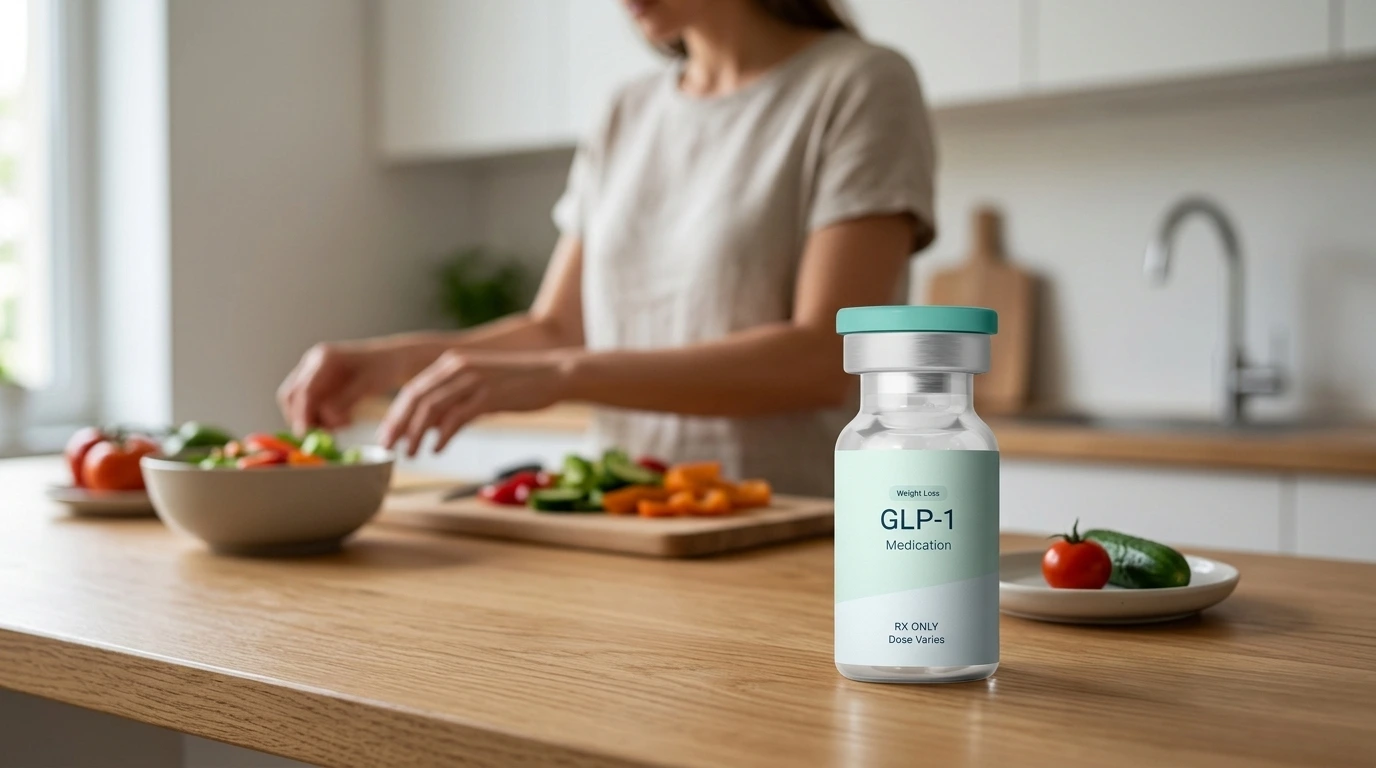
Introduction
You have reached a significant milestone: one year on your weight loss or metabolic health journey. The initial hurdles of adjusting to a new routine are behind you, and you have likely seen meaningful changes in your body and energy levels. However, a sudden or persistent shift in your digestive health—specifically the onset of diarrhea—can feel like an unexpected setback. You might be wondering why a side effect usually associated with the first few weeks of treatment is appearing now.
At TrimRx, we believe that understanding the “why” behind your body’s signals is the first step toward reclaiming comfort and staying on track with your goals. While gastrointestinal issues are common when starting a GLP-1 (glucagon-like peptide-1) receptor agonist like Ozempic®, experiencing them after twelve months requires a closer look at your dosage, diet, and biological changes. This post covers the potential causes of late-onset diarrhea, how to manage symptoms through lifestyle adjustments, and when it is time to consult your healthcare provider about your treatment plan. If you are considering a medically supervised GLP-1 program, you can complete a free eligibility assessment.
The Mechanism of GLP-1 and Your Gut
To understand why diarrhea occurs, it is essential to understand how semaglutide works within the digestive system. Ozempic® is a brand-name medication containing semaglutide, a GLP-1 receptor agonist. This medication mimics a natural hormone in your body that regulates blood sugar and appetite. One of its primary functions is to slow down gastric emptying, which is the speed at which food leaves your stomach and enters your small intestine. This process helps you feel full for longer periods and prevents sharp spikes in blood sugar.
While slowed digestion is beneficial for weight management, it fundamentally changes how your GI tract processes nutrients. In some individuals, these changes can trigger the “stool reflex.” This occurs when the presence of food in the upper digestive tract stimulates the colon to move existing waste along more quickly to make room. If this reflex becomes overactive or if the body is struggling to process specific nutrients, the result is often loose, watery stools.
For additional background, read how semaglutide affects digestion and may contribute to diarrhea.
Key Takeaway: GLP-1 medications like semaglutide work by slowing down the digestive process, which can occasionally lead to an overactive colon response or “stool reflex,” resulting in diarrhea even after long-term use.
Why Diarrhea Might Start After One Year
It is a common misconception that side effects only happen during the “titration” phase—the period when you are gradually increasing your dose. While it is true that most people experience the brunt of digestive upset in the first month, “late-onset” diarrhea after a year of treatment is possible and usually linked to a few specific factors.
1. Recent Dosage Increases
Even after a year, your healthcare provider may decide to adjust your dosage to help you overcome a weight loss plateau or further stabilize your A1C levels. Any change in the concentration of semaglutide in your system can restart the adjustment period for your gut. Your body may have been perfectly acclimated to a 1.0 mg dose but finds the jump to a higher therapeutic dose more challenging to process. For more context, review this guide to weekly semaglutide dosing and gradual dose escalation.
2. Changes in Dietary Habits
After a year on a medication, it is natural to feel more confident and perhaps slightly less vigilant about dietary choices. “Dietary creep” happens when small amounts of high-fat, greasy, or sugary foods slowly return to your daily routine. Because GLP-1 medications change how you malabsorb certain fats and sugars, a meal that caused no issues before you started the medication might trigger an immediate bout of diarrhea now.
3. Cumulative Effects on the Microbiome
Recent research suggests that long-term use of GLP-1 receptor agonists can shift the balance of bacteria in your gut (the microbiome). While these shifts are often positive for metabolic health, they can sometimes lead to temporary imbalances. These imbalances may affect how your body ferments fiber or processes bile acids, leading to changes in stool consistency after months of stability.
4. Bile Acid Processing
The gallbladder and liver play a role in how we digest fats. Because semaglutide affects the entire digestive chain, it can sometimes alter how bile acids are processed in the intestines. If bile acids are not reabsorbed correctly, they can act as a natural laxative in the colon, leading to what is known as bile acid malabsorption.
Managing Late-Onset Diarrhea
If you are experiencing diarrhea after a year of treatment, the goal is to calm the digestive tract without disrupting your progress. Most cases of diarrhea on GLP-1 medications are mild and can be managed with specific lifestyle interventions. You can also review these practical strategies for managing semaglutide-related diarrhea.
Prioritize Hydration and Electrolytes
The most significant risk associated with chronic diarrhea is dehydration. When your body loses fluids too quickly, it also loses essential minerals like sodium, potassium, and magnesium.
- Drink clear liquids: Focus on water, bone broth, or herbal teas.
- Use electrolyte replacements: Look for sugar-free options to avoid further irritating the gut.
- Sip, don’t gulp: Large amounts of liquid hitting the stomach at once can trigger the stool reflex.
During treatment, GLP-1 Daily Support may provide additional nutritional support alongside a balanced routine.
Implement the “Bland Diet” Strategy
When symptoms flare up, returning to a “bland” or low-residue diet for 24 to 48 hours can give your intestines a much-needed break. This involves choosing foods that are easy to break down and unlikely to cause gas or irritation.
| Food Category | Recommended (Eat This) | Avoid (Limit This) |
|---|---|---|
| Proteins | Baked chicken, tofu, white fish, eggs | Fried meats, spicy sausage, fatty beef |
| Carbohydrates | White rice, toast, saltines, plain pasta | Whole grains, bran, high-fiber cereals |
| Vegetables | Boiled carrots, peeled zucchini, squash | Broccoli, cauliflower, raw kale, onions |
| Fruits | Bananas, applesauce, melons | Prunes, berries with seeds, citrus fruits |
Modify Eating Patterns
How you eat is often just as important as what you eat when managing GLP-1 side effects. For more guidance, explore diet and lifestyle practices that support semaglutide treatment.
- Smaller, frequent meals: Instead of three large meals, try five “mini-meals.” This prevents the stomach from becoming overly full, which reduces the pressure on the lower GI tract.
- Chew thoroughly: Digestion begins in the mouth. Breaking food down mechanically makes the job easier for your stomach and intestines.
- Stop before you are full: Because of delayed gastric emptying, your brain’s “fullness signal” might lag behind your stomach’s actual capacity.
The Role of Supplements and OTC Support
In some instances, lifestyle changes alone may not be enough to stop the frequency of bowel movements. There are several over-the-counter (OTC) and supplemental options that may support your gut health while on a weight loss program.
- Probiotics: Introducing beneficial bacteria may help rebalance a microbiome that has been altered by long-term medication use. We recommend looking for strains like Lactobacillus or Bifidobacterium.
- Soluble Fiber: While high-insoluble fiber (like bran) can worsen diarrhea, soluble fiber (like psyllium husk) absorbs water and can help “bulk up” the stool.
- Antidiarrheal Medications: OTC options like loperamide (Imodium®) or bismuth subsalicylate (Pepto-Bismol®) can be used for short-term relief.
For people who also need nutritional and energy support during weight loss, Weight Loss Boost is another available supplement option.
Note: Always consult your healthcare provider before starting any new OTC medication or supplement, especially if you are taking other prescriptions for diabetes or blood pressure.
When to Contact Your Healthcare Provider
While diarrhea is often a manageable side effect, it can sometimes indicate a more serious underlying issue or a need for a clinical adjustment. You should reach out to your medical team if you experience any of the following:
- Signs of Dehydration: Dizziness, extreme thirst, dark-colored urine, or a rapid heart rate.
- Severe Abdominal Pain: While mild cramping is common, intense or persistent pain in the upper abdomen could signal issues with the pancreas or gallbladder.
- Blood in Stool: This is not a standard side effect of Ozempic® and requires immediate medical evaluation.
- Duration: If the diarrhea lasts for more than a few days without improvement despite dietary changes.
- Fever or Vomiting: If diarrhea is accompanied by a high fever or the inability to keep liquids down.
In some cases, your provider may suggest a “dose de-escalation,” which involves temporarily moving to a lower dose to allow your gut to settle before trying to increase it again. If you need professional guidance about eligibility and personalized treatment, you can start with a free assessment quiz.
Personalized Care with TrimRx
Navigating the complexities of long-term weight loss treatment requires more than just a prescription; it requires a partner who understands the nuances of metabolic health. At TrimRx, we specialize in providing a telehealth-first approach that prioritizes your comfort and long-term success.
Our programs are designed to be fully personalized. We understand that a side effect appearing after a year is frustrating, and our dedicated team of specialists is available to help you troubleshoot these moments. Whether you are using compounded medications or navigating the transition between different GLP-1 therapies, we provide the medical supervision and support necessary to ensure your journey remains sustainable.
Through our platform, you have 24/7 access to guidance and a comprehensive service model that includes everything from the initial doctor consultation to the shipping of medications from FDA-registered compounding pharmacies. We are here to help you embrace a healthier lifestyle with science and empathy, ensuring that a temporary digestive hurdle doesn’t stop your progress.
Steps to Take Right Now
If you are currently struggling with diarrhea after a year on your medication, follow these steps to regain control:
Step 1: Assess your recent intake. / Look back at the last 48 hours of meals. Identify any high-fat, high-sugar, or highly processed foods that may have triggered the reaction.
Step 2: Increase electrolyte-rich fluids. / Start sipping on a sugar-free electrolyte drink or bone broth immediately to prevent dehydration.
Step 3: Switch to the BRAT diet. / Focus on Bananas, Rice, Applesauce, and Toast for the next few meals to allow your digestive system to rest.
Step 4: Monitor and document. / Keep a simple log of your symptoms, frequency of bowel movements, and any associated pain to share with your healthcare provider.
Key Takeaway: Late-onset diarrhea is often a signal that your body needs a temporary “reset” in terms of diet or a consultation regarding your current dosage.
Conclusion
Experiencing diarrhea after taking Ozempic® for a year is more common than many patients realize. Whether it is caused by a recent dosage increase, a shift in dietary habits, or the natural evolution of your gut microbiome, it is a manageable hurdle on your path to better health. By focusing on hydration, choosing bland foods, and eating smaller meals, you can usually resolve the issue quickly.
Our mission at TrimRx is to provide you with the tools and clinical expertise to handle every phase of your weight loss journey. We believe in a transparent, science-backed approach that treats you as an individual, not just a patient. If you are ready to take the next step in your personalized health journey, we invite you to see if you qualify for a personalized program.
FAQ
Can Ozempic® cause diarrhea to start suddenly after a year?
Yes, it is possible for side effects to emerge or resurface after long-term use. This is often due to a recent change in dosage, a shift in your diet, or the cumulative effect of the medication on how your body processes fats and bile acids. For a broader overview, read about common GLP-1 side effects and how they are managed.
Is it dangerous to have diarrhea for several days while on a GLP-1?
The primary danger is dehydration and electrolyte imbalance, which can strain the kidneys. If diarrhea is severe, persistent, or accompanied by intense pain and vomiting, you should contact your healthcare provider immediately to ensure your safety.
Should I stop taking my medication if I develop diarrhea after a year?
You should never stop a prescribed GLP-1 medication abruptly without consulting your healthcare provider. Stopping suddenly can cause blood sugar spikes; instead, speak with a professional about potentially adjusting your dose or modifying your diet to manage the symptoms. If you are exploring whether a supervised treatment plan is appropriate, you can take the free assessment quiz.
What foods are most likely to trigger diarrhea after a year on semaglutide?
High-fat, greasy, and fried foods are the most common culprits, as the medication changes how your body digests fats. Additionally, large amounts of fiber, sugary drinks, and “sugar-free” products containing sugar alcohols (like xylitol) can also trigger loose stools.
Disclaimer: This content is for informational purposes only and does not constitute medical advice. It is not intended to diagnose, treat, cure, or prevent any disease or condition. Individual results may vary. Always consult a qualified healthcare professional before starting any weight loss program or medication.

Transforming Lives, One Step at a Time
Keep reading
Can You Eat Dumplings on Ozempic?
Dumplings appear in cuisines around the world: Chinese jiaozi and potstickers, dim sum, Japanese gyoza, Korean mandu, Polish pierogi, Nepali momos, and many more….

Can You Eat Mac and Cheese on Ozempic?
Mac and cheese is classic comfort food. It is soft, warm, familiar, and easy to eat, which is exactly why it can be tempting…
Can You Eat Beef Jerky on Ozempic?
Beef jerky and meat sticks are popular high-protein snacks. They are shelf-stable, easy to carry, and need no preparation, which makes them handy when…


