Can Ozempic Help With Menopause Weight Gain and Metabolic Health?
Introduction
Statistics indicate that the average woman gains approximately 1.5 pounds per year during her midlife transition, with many seeing an average increase of 12 pounds within eight years of reaching menopause. This shift isn’t merely a matter of lifestyle; it is a profound biological recalibration that often leaves individuals feeling as though their own bodies have become unfamiliar territory. If you have noticed that your usual diet and exercise routines are no longer yielding the results they once did, you are participating in a nearly universal experience for those navigating the hormonal fluctuations of perimenopause and menopause. At TrimRx, we recognize that this stage of life requires more than just “willpower”—it requires a scientifically backed, empathetic approach to health that respects the unique physiological changes occurring within you.
The purpose of this blog post is to explore the intersection of modern medical innovation and menopausal health, specifically addressing the question: can ozempic help with menopause? We will delve into how glucagon-like peptide-1 (GLP-1) receptor agonists, such as semaglutide, may provide a supportive pathway for managing the weight gain and metabolic shifts that often accompany the decline of estrogen. Our scope covers the biological mechanisms of menopausal weight gain, the clinical role of medications like Ozempic® and Wegovy®, the importance of preserving muscle mass, and how our personalized programs at TrimRx can help you navigate this transition with confidence.
What makes this discussion unique is our focus on the “whole person.” We don’t just see a number on a scale; we see a complex interplay of hormones, metabolism, and quality of life. By the end of this article, you will understand how these advanced treatments work, the importance of medical supervision, and how to determine if a personalized weight loss plan is the right fit for your journey. Together, we will examine how merging cutting-edge telehealth innovations with compassionate care can make sustainable health attainable during one of life’s most significant transitions.
The Biological Shift: Why Menopause Changes Everything
To understand how medications like Ozempic® might play a role in your health, we must first look at the underlying biological changes that occur during the menopausal transition. Menopause is defined as the point in time twelve months after a person’s last period, but the years leading up to it—perimenopause—can involve significant hormonal volatility.
The Estrogen Connection and Insulin Sensitivity
Estrogen is a multifaceted hormone that does much more than regulate reproduction. It plays a critical role in how the body distributes fat and processes glucose. As estrogen levels decline, many individuals experience a phenomenon known as “adipose migration.” This is where fat that was once stored in the hips and thighs begins to relocate to the midsection, or the visceral area. Visceral fat is metabolically active and can contribute to increased inflammation and a higher risk of cardiovascular issues.
Furthermore, the drop in estrogen often leads to a decrease in insulin sensitivity. When your cells become less responsive to insulin, your body may struggle to convert blood sugar into energy, leading to higher circulating insulin levels. High insulin levels can act as a signal to the body to store fat rather than burn it, creating a frustrating cycle where weight gain becomes increasingly difficult to reverse through traditional means. This is where we see the “metabolic brakes” being applied, making weight management feel like an uphill battle.
The Role of Hunger Hormones: Ghrelin and Leptin
Hormonal shifts also disrupt the delicate balance between ghrelin (the “hunger hormone”) and leptin (the “satiety hormone”). In a pre-menopausal state, estrogen helps keep these hormones in check. However, during the transition, many find that ghrelin levels rise while leptin sensitivity decreases. This results in what many call “food noise”—persistent, intrusive thoughts about eating or difficulty feeling full even after a balanced meal.
At TrimRx, we believe that understanding these hormonal drivers is the first step toward reclaiming control. We view weight loss through a lens of science and empathy, acknowledging that these changes are biological, not moral. To see how your unique hormonal profile might align with our clinical solutions, you can take our free assessment quiz here.
Can Ozempic Help With Menopause? Understanding the Mechanism
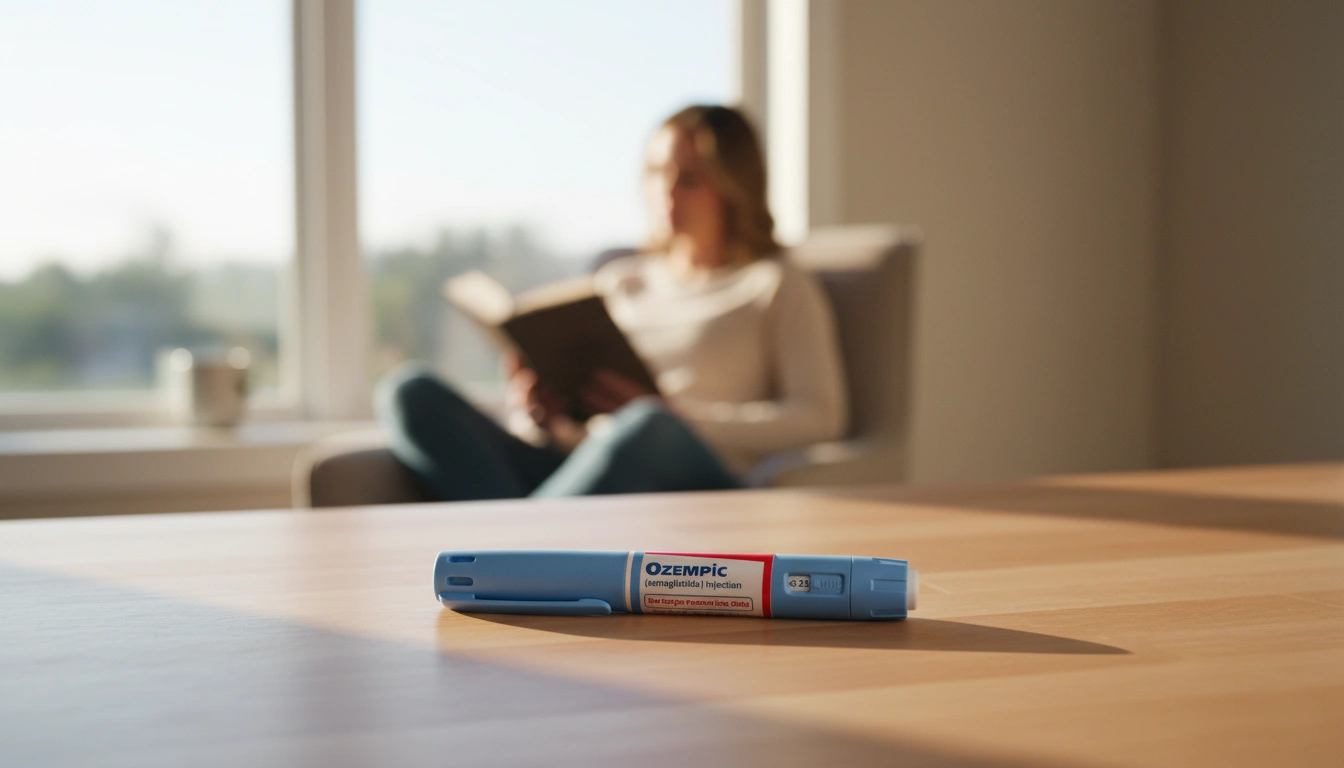
When we ask if Ozempic® can help with menopause, we are really looking at how its active ingredient, semaglutide, addresses the metabolic disruptions mentioned above. While Ozempic® is specifically FDA-approved for the treatment of type 2 diabetes, its sister medication, Wegovy®, is FDA-approved for chronic weight management. Both utilize semaglutide to mimic a natural hormone in the body called GLP-1.
How GLP-1 Receptor Agonists Work
GLP-1 is a hormone naturally produced in the gut in response to food. It performs several key functions that are particularly beneficial during menopause:
- Appetite Regulation: It sends signals to the brain’s hypothalamus to increase feelings of fullness and decrease hunger. This effectively quietens the “food noise” that many menopausal individuals experience.
- Slowing Gastric Emptying: It slows down the rate at which food leaves the stomach. This leads to prolonged satiety, meaning you feel fuller for a longer period after eating.
- Insulin Modulation: It stimulates the pancreas to release the right amount of insulin when blood sugar levels are high and helps reduce the amount of sugar the liver produces.
For an individual navigating the insulin resistance common in menopause, these mechanisms can be transformative. By restoring a more efficient metabolic response, semaglutide allows the body to access stored fat for energy more effectively.
Addressing the “Meno-Belly”
The redistribution of fat to the abdomen isn’t just an aesthetic concern; it’s a health concern. Clinical data suggests that GLP-1 medications are highly effective at reducing visceral fat. By targeting the metabolic pathways that lead to abdominal weight gain, these treatments help mitigate the increased risk of type 2 diabetes and heart disease that often spikes during the post-menopausal years. At TrimRx, we prioritize your long-term health, ensuring that any medication prescribed is part of a comprehensive, medically supervised plan. You can explore our personalized weight loss programs to see if you qualify for these innovative treatments.
The Synergistic Benefits of Weight Loss and Symptom Relief
While weight loss is often the primary goal, the secondary benefits of managing weight during menopause can be just as significant. Research suggests that there is a strong correlation between body mass index (BMI) and the severity of vasomotor symptoms, such as hot flashes and night sweats.
Hot Flashes and Night Sweats
Excess body fat can act as an insulator, making it harder for the body to dissipate heat. Additionally, adipose tissue is involved in hormone metabolism, which can further fluctuate the internal temperature regulation systems. Many individuals find that as they achieve a healthier weight through our programs, the frequency and intensity of hot flashes decrease. This improvement in physical comfort can lead to better sleep quality, which is often a major hurdle during the menopausal transition.
Mental Health and Quality of Life
The psychological toll of menopause-related weight gain should not be underestimated. Many individuals report a decline in self-esteem and an increase in anxiety or depressive symptoms as their bodies change. By providing a reliable tool for weight management, we help our members regain a sense of agency over their health. Our brand personality is rooted in being supportive and results-oriented, ensuring that you feel empowered rather than overwhelmed.
To support your body’s daily needs while navigating these changes, we also offer quick-access options like our GLP-1 Daily Support, which is designed to complement your journey by providing essential nutrients that support overall wellness.
Preserving Muscle Mass: A Critical Menopausal Priority
One of the most important considerations when using any weight loss medication during menopause is the preservation of muscle mass. Beginning in their 30s, women can lose 3% to 5% of their muscle mass per decade. This process, known as sarcopenia, often accelerates during menopause due to the decline in estrogen, which is essential for muscle protein synthesis.
The Metabolism-Muscle Connection
Muscle tissue is metabolically active; it burns more calories at rest than fat tissue does. When you lose weight rapidly—whether through calorie restriction or medication—there is a risk that a portion of that weight loss will come from muscle rather than fat. For a menopausal individual, losing muscle can further slow the metabolism, making it easier to regain weight once the medication is discontinued.
To combat this, we emphasize a high-protein diet and resistance training as core components of our personalized plans. We also recommend our Weight Loss Boost supplement to help support your metabolic rate and energy levels as you work toward your goals.
Bone Density and Long-term Health
Similar to muscle mass, bone density often declines during menopause, increasing the risk of osteoporosis. Weight-bearing exercise combined with appropriate supplementation is vital. When we supervise your weight loss journey, we aren’t just looking at the scale; we are looking at your body composition to ensure that the weight you lose is primarily fat, while your “engines”—your muscles and bones—remain strong and healthy.
The TrimRx Approach: Science, Empathy, and Transparency
At TrimRx, our journey began with a shared vision to help individuals embrace healthier lifestyles by merging cutting-edge telehealth innovations with effective weight loss solutions. We understand that the path through menopause is deeply personal, and a “one-size-fits-all” approach simply does not work.
Personalized Medically Supervised Care
Our platform is a user-friendly and supportive space where individuals receive personalized care. For those interested in prescription options like Compounded Semaglutide, Oral Semaglutide, or branded medications like Ozempic®, Wegovy®, and Zepbound®, the first step is always our comprehensive assessment. We partner with FDA-registered and inspected pharmacies to ensure that the medications you receive are of the highest quality.
It is important to note that while we facilitate the shipping of weight loss medications through these pharmacies, our focus is on the entire service—including doctor consultations, lab work, and unlimited support. We believe that sustainable weight loss should be achieved through science, empathy, and a transparent approach. This means no hidden fees and a consistent level of service regardless of your dosage changes.
Is Ozempic Right for You?
Not everyone in menopause requires medication, but for those with a BMI of 30 or higher (or 27 with weight-related comorbidities), it can be a life-changing tool. If you have a history of pancreatitis, medullary thyroid carcinoma, or are currently pregnant, these medications are generally not recommended. Our clinical team works to ensure that your medical history is thoroughly reviewed before any treatment plan is initiated. To begin this process, we invite you to take our free assessment quiz.
Navigating Side Effects and Transitions
Like any clinical intervention, GLP-1 medications come with potential side effects. The most common are gastrointestinal, including nausea, constipation, or occasional vomiting. These symptoms often occur during the initial “titration” phase when the body is adjusting to the medication.
Managing Gastrointestinal Comfort
We advise our members to focus on small, frequent meals and to stay well-hydrated. Avoiding high-fat, greasy foods can also significantly reduce the likelihood of nausea. Our GLP-1 Daily Support can be an excellent addition to your routine during this time, helping to bridge any nutritional gaps that may arise if your appetite is significantly reduced.
The Question of Long-Term Use
A common concern is whether one must stay on Ozempic® or semaglutide forever. Obesity and metabolic dysfunction are often chronic conditions. For many, maintaining the weight loss and the metabolic benefits (like improved blood sugar) may require long-term management. However, some individuals find that after reaching their goal weight and stabilizing their menopausal symptoms, they can maintain their results through the lifestyle habits—such as increased protein intake and regular strength training—that they developed during our program.
Integrating Lifestyle: The Foundation of Success
While we are proud to offer advanced medical solutions, we always emphasize that medication is a tool, not a “magic bullet.” The most successful outcomes occur when clinical treatment is paired with intentional lifestyle adjustments.
Nutritional Strategies for Menopause
Focusing on protein is non-negotiable. Aiming for a specific amount of protein at every meal helps maintain muscle mass and keeps you feeling satisfied. Additionally, focusing on fiber-rich vegetables can help manage blood sugar levels and support digestive health, which can sometimes be slowed by GLP-1 medications.
Movement and Strength
Cardiovascular exercise is excellent for heart health, but for menopausal weight loss, strength training is the “gold standard.” Lifting weights or performing bodyweight exercises two to three times a week signals to your body that it needs to keep its muscle tissue, even as the fat stores are being reduced.
Stress and Sleep
Chronic stress leads to elevated cortisol levels, which is a primary driver of abdominal fat storage. Prioritizing sleep hygiene and stress-reduction techniques—like yoga or mindful breathing—can lower cortisol and make your weight loss efforts more effective. If you’re looking for an extra edge in your metabolism, our Weight Loss Boost is formulated to support your body’s natural energy-burning processes.
Conclusion
Navigating the complexities of menopause requires a partnership between you and your healthcare providers. The question of “can ozempic help with menopause” is answered by looking at the science of metabolic health: by addressing insulin resistance, regulating appetite, and quieting the mental chatter of “food noise,” semaglutide offers a potent solution for those struggling with hormonal weight gain.
At TrimRx, we are committed to providing a transparent, supportive, and innovative environment where you can access these treatments safely. Whether you are interested in our personalized prescription programs or our quick-access wellness supplements, we are here to support your journey toward a healthier, more vibrant version of yourself.
Weight gain in midlife is not your fault—it is a biological challenge that deserves a biological solution. By combining advanced medical science with a focus on nutrition and strength, we can help you turn the page on menopause and embrace this new chapter with vitality. Are you ready to see if you qualify for a personalized plan? Click here to take our assessment quiz and let’s start this journey together.
Frequently Asked Questions
1. Is it safe to take Ozempic® or semaglutide if I am also on Hormone Replacement Therapy (HRT)?
Generally, yes, many individuals use both GLP-1 medications and HRT concurrently. However, because semaglutide slows down the rate at which your stomach empties, it may theoretically affect the absorption of oral medications, including oral progesterone or estrogen. If you are on oral HRT, your provider may suggest monitoring your symptoms closely or switching to transdermal options (like patches or gels) which bypass the digestive system. Always consult with your healthcare provider to ensure your specific regimen is optimized.
2. How much weight can I expect to lose during menopause using these medications?
Clinical studies on semaglutide have shown that many individuals lose between 10% and 15% of their initial body weight over a period of 6 to 12 months. In menopause, the rate of weight loss may be slightly more gradual due to the underlying metabolic shifts, but the results remain significant. Combining the medication with a high-protein diet and resistance training is the best way to ensure that the weight lost is primarily fat and not muscle.
3. Will Ozempic® help with my hot flashes?
While Ozempic® and other semaglutide-based medications are not specifically designed to treat hot flashes, there is a known link between body weight and vasomotor symptoms. Many individuals find that as they lose weight—particularly visceral fat—the frequency and severity of their hot flashes and night sweats decrease. This is likely due to improved thermoregulation and a reduction in the inflammatory markers produced by excess adipose tissue.
4. What happens if I stop taking the medication once I reach my goal?
Obesity and metabolic resistance are often chronic conditions. Clinical data shows that many people who discontinue GLP-1 medications may experience a return of appetite and some weight regain. However, at TrimRx, we focus on helping you build sustainable lifestyle habits during your treatment. By increasing your muscle mass and refining your nutritional approach while on the medication, you are in a much stronger position to maintain your progress long-term. Some individuals may choose to stay on a maintenance dose, while others transition to lifestyle-only management.

Transforming Lives, One Step at a Time
Keep reading

How to Get Ozempic or Semaglutide in Miami
Miami’s wellness culture runs deep, and GLP-1 medications have become a significant part of that conversation across the city. From Brickell to Coral Gables…

How to Get Ozempic or Semaglutide in Los Angeles
Los Angeles has no shortage of wellness clinics, concierge medicine practices, and weight loss programs promising access to the latest treatments. Semaglutide is at…

How to Get Ozempic or Semaglutide in Chicago
Chicago residents looking for semaglutide have more options than they might realize, and fewer of those options require setting foot in a clinic than…


