Can Type One Diabetics Take Mounjaro?
Introduction
Managing weight while living with Type 1 diabetes can feel like a constant, uphill battle against biology. For many, the very tool used to stay alive—insulin—can contribute to stubborn weight gain, creating a frustrating cycle of increasing dosages and rising numbers on the scale. You may have heard about the remarkable results people are seeing with newer medications like Mounjaro®, and naturally, you might wonder if this tool could work for you too. At TrimRx, we understand that weight management for those with Type 1 diabetes requires a level of precision and care that goes beyond standard programs. This article explores the current clinical landscape of using Mounjaro for Type 1 diabetes, the risks and benefits involved, and how a personalized medical approach is essential for safety. While not currently FDA-approved for this specific condition, the conversation around its off-label use is rapidly evolving.
How Mounjaro Works and Why It Is Different
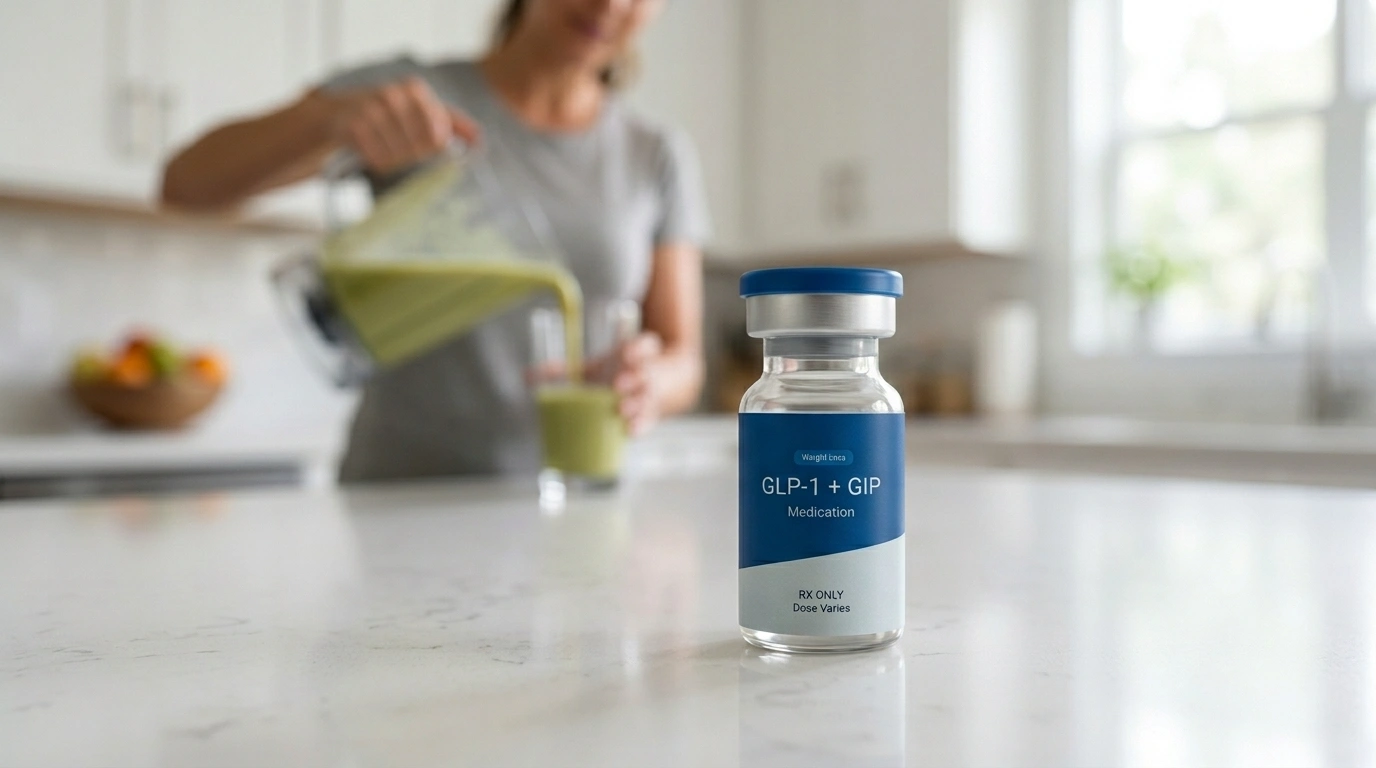
To understand if someone with Type 1 diabetes can use this medication, we must first look at what it actually does in the body. Mounjaro, known by the generic name tirzepatide, is a dual-action medication. It belongs to a class of drugs called receptor agonists, specifically targeting two different hormones: glucagon-like peptide-1 (GLP-1) and glucose-dependent insulinotropic polypeptide (GIP). For additional background, see this guide to how tirzepatide works and affects insulin resistance.
In a person with Type 2 diabetes, these hormones tell the pancreas to release more of its own insulin after a meal. However, in Type 1 diabetes, the pancreas has lost the ability to produce insulin. This is the primary reason why the medication is not currently FDA-approved for Type 1. If the goal were simply to “kickstart” the pancreas, the medication would fail.
But the benefits of these hormones go far beyond insulin production. They also act on the liver to stop it from releasing too much sugar into the bloodstream when you are not eating. Furthermore, they slow down gastric emptying, which is the speed at which food leaves your stomach. This leads to a longer feeling of fullness and a slower rise in blood sugar after meals. Perhaps most importantly, these hormones interact with the brain’s “satiety centers” to reduce what many patients call “food noise”—the constant, intrusive thoughts about eating. You can also review this deeper explanation of how GLP-1 medications work.
The Concept of Insulin Resistance in Type 1 Diabetes
A growing number of individuals are facing what clinicians sometimes call “double diabetes.” This occurs when a person with Type 1 diabetes—an autoimmune condition—develops the insulin resistance typically associated with Type 2 diabetes. This often happens because of weight gain, which can be a side effect of intensive insulin therapy.
When the body becomes resistant to insulin, you have to take more and more to achieve the same blood sugar levels. Because insulin is a growth-promoting and fat-storing hormone, these higher doses can lead to further weight gain. It is a metabolic trap. This is where medications like tirzepatide become an interesting option for off-label use. By increasing insulin sensitivity, the medication may help a person with Type 1 diabetes achieve better glucose control with significantly less injected insulin. Read more about tirzepatide and insulin resistance to understand this metabolic pathway.
Key Takeaway: While Mounjaro cannot replace insulin in Type 1 diabetes, it may help address underlying insulin resistance, potentially leading to lower overall insulin requirements and improved weight management.
Clinical Research and Off-Label Use
Current clinical guidelines from organizations like the American Diabetes Association (ADA) note that while Mounjaro is not approved for Type 1 diabetes, it may be considered in specific cases through shared decision-making between a patient and their endocrinologist. This is known as “off-label” prescribing. For more context, review this overview of tirzepatide use in Type 1 diabetes.
Recent observational studies have provided a glimpse into how this looks in practice. In some small-scale trials, participants with Type 1 diabetes who were also living with obesity saw significant results. Some reported losing upwards of 15% to 20% of their body weight over the course of a year. More impressively, many were able to reduce their total daily insulin dose by 20% to 50% because the medication made their bodies much more responsive to the insulin they were injecting.
However, it is vital to note that these studies were conducted under extremely close medical supervision. The researchers monitored blood sugar levels and ketone levels constantly to prevent dangerous complications. In the “real world,” this level of monitoring is something we emphasize as a cornerstone of any metabolic health journey.
The Critical Risk of Diabetic Ketoacidosis (DKA)
The most significant concern for any person with Type 1 diabetes considering this medication is the risk of Diabetic Ketoacidosis (DKA). DKA is a life-threatening condition that occurs when the body doesn’t have enough insulin to allow blood sugar into the cells for use as energy. The body then begins to burn fat for fuel, producing a buildup of acids in the bloodstream called ketones.
When you take a medication that lowers your blood sugar and reduces your need for insulin, there is a risk that your insulin dose might be lowered too much. If the insulin level drops below a certain threshold, DKA can occur even if your blood sugar numbers look relatively normal. This is sometimes called “euglycemic DKA,” and it is particularly dangerous because it can be harder to catch early.
Symptoms of DKA include:
- Nausea and vomiting
- Abdominal pain
- Excessive thirst
- Fruit-scented breath
- Confusion or extreme fatigue
If you are using a GLP-1 or dual agonist off-label, you must have a plan for monitoring ketones, especially during the first few weeks of treatment or during any dose increases.
Managing Hypoglycemia and Insulin Adjustments
Another major hurdle is the risk of hypoglycemia, or dangerously low blood sugar. Because tirzepatide makes you much more sensitive to insulin, your usual dose of basal or bolus insulin could suddenly become too powerful.
For an individual with Type 1 diabetes, starting this medication usually requires a proactive reduction in insulin. Many specialists recommend reducing the total daily insulin dose by 10% to 20% on the very first day of treatment to create a “safety buffer.” You will likely find that you need to adjust your “carb ratios” (how much insulin you take per gram of carbohydrates) and your “correction factors” (how much one unit of insulin lowers your blood sugar).
Another factor is the slowed digestion. Because food stays in the stomach longer, the peak rise in blood sugar after a meal might happen much later than it used to. If you take your mealtime insulin at the usual time, you might experience a low shortly after eating, followed by a high several hours later. This requires a shift in how you time your injections, often moving toward a “split bolus” or “extended bolus” if you use an insulin pump.
The Importance of Professional Supervision
We cannot overstate the importance of working with a licensed healthcare provider when exploring these options. Weight loss is a complex metabolic process, and when you add the variables of Type 1 diabetes, the need for expert guidance becomes absolute.
A telehealth platform like ours connects you with providers who understand these nuances. Through our personalized programs, we help individuals navigate the complexities of modern weight loss medications. For those who are eligible, we provide access to treatments that are monitored for safety and efficacy. If you are exploring prescription weight management, you can complete a free eligibility assessment.
When you start a program through us, you aren’t just getting a prescription; you are gaining a dedicated support team. This team helps you interpret your body’s signals, manage side effects, and ensure that your weight loss journey supports your long-term health rather than complicating it.
Compounded Medications and Branded Options
In the current market, there is a distinction between branded medications and compounded versions. Branded medications like Mounjaro®, Zepbound®, Ozempic®, and Wegovy® are FDA-approved for specific indications like Type 2 diabetes or chronic weight management.
Due to high demand and shortages, some patients seek compounded tirzepatide or compounded semaglutide. It is important to understand that compounded medications are not FDA-approved. However, they are prepared by FDA-registered and inspected compounding pharmacies. At TrimRx, we work exclusively with high-quality compounding pharmacies to ensure that our patients receive medications that meet strict safety standards.
Whether you are using a branded product or a compounded version, the underlying medicine requires the same level of respect and medical oversight, especially for those managing Type 1 diabetes.
Common Side Effects and Satiety Support
Even for those who do not have diabetes, these medications can cause gastrointestinal side effects. These are usually most prominent during the “titration” phase—the period when you are gradually increasing your dose to allow your body to adjust. Our guide to common GLP-1 side effects provides additional information about these symptoms.
Common side effects include:
- Nausea: Usually most noticeable the day after an injection.
- Diarrhea or Constipation: Changes in digestion speed can affect bowel habits.
- Heartburn: Slower stomach emptying can sometimes lead to acid reflux.
For a person with Type 1 diabetes, vomiting is a particularly serious side effect because it can quickly lead to dehydration and DKA. Managing these symptoms is not just about comfort; it is a vital part of staying safe.
Note: If you experience severe vomiting or are unable to keep fluids down, you must contact your healthcare provider immediately, as this increases the risk of metabolic instability.
To help manage these transitions, we often recommend supportive measures. Our GLP-1 Daily Support supplement is designed to help maintain nutrient balance and digestive comfort during treatment. Additionally, our Weight Loss Boost supplement can provide extra support for those looking to optimize their metabolic health alongside their prescribed program.
Step-by-Step: How to Safely Explore Your Options
If you have Type 1 diabetes and are frustrated with your weight, taking the next step should be a deliberate process. Here is how we recommend approaching it:
- Conduct a Self-Assessment: Use our free assessment quiz to provide your health history and goals. This helps determine if you are a candidate for a medically supervised program.
- Consult with a Specialist: You must speak with a provider who is comfortable managing “off-label” use and understands how to adjust insulin regimens.
- Establish a Baseline: Before starting, ensure your A1C and kidney function are recently tested.
- Create a Safety Kit: Ensure you have a working continuous glucose monitor (CGM), a reliable blood glucose meter, and a way to test for ketones (either urine strips or a blood ketone meter).
- Start Low and Go Slow: Never skip doses or increase your dosage faster than recommended. The goal is to find the “minimum effective dose” that provides satiety without causing severe side effects.
The TrimRx Approach to Sustainable Weight Loss
Our mission is to help individuals embrace healthier lifestyles through a transparent, science-backed, and empathetic approach. We believe that weight loss should not be a struggle you face alone, especially when managing a chronic condition like Type 1 diabetes. Our personalized approach to Mounjaro and Type 1 diabetes explains how individualized care can fit into this discussion.
Our programs are telehealth-first, meaning you can access clinical expertise without the stress of waiting rooms or in-person visits. We offer a comprehensive service model where doctor consultations, lab work, and unlimited support are all included. We are committed to helping you find a sustainable path to health that respects the unique needs of your body.
Conclusion
The question of whether a person with Type 1 diabetes can take Mounjaro is not a simple yes or no. While it is not FDA-approved for this use, clinical evidence and real-world experience suggest it can be a powerful tool for weight loss and insulin sensitivity when used under expert medical supervision. However, the risks—particularly DKA and hypoglycemia—are significant and require constant vigilance. By choosing a personalized, medically supervised program, you can navigate these risks safely. Our goal is to empower you with the tools and support needed to achieve lasting metabolic health. If you are considering prescription weight management, see if you qualify for a personalized program.
Bottom line: Mounjaro may offer metabolic benefits for Type 1 diabetics struggling with weight, but it must be managed as an “off-label” therapy with strict insulin monitoring and professional guidance.
FAQ
Is Mounjaro FDA-approved for Type 1 diabetes?
No, Mounjaro is currently only FDA-approved for the treatment of Type 2 diabetes. Any use for Type 1 diabetes is considered “off-label,” meaning a doctor prescribes it based on their professional judgment and the patient’s specific health needs.
Does Mounjaro replace the need for insulin in Type 1 diabetes?
Absolutely not. People with Type 1 diabetes do not produce insulin and will always require insulin injections or an insulin pump to survive. Mounjaro may reduce the amount of insulin needed by improving sensitivity, but it can never replace it.
What are the biggest risks for a Type 1 diabetic taking Mounjaro?
The primary risks are Diabetic Ketoacidosis (DKA) and severe hypoglycemia. Because the medication can lower blood sugar and reduce insulin needs, it is possible for insulin levels to drop too low, triggering DKA even if blood sugar appears normal.
How can I start a weight loss program if I have Type 1 diabetes?
The first step is to undergo a medical evaluation. You can start by taking our free assessment quiz, which allows our partner providers to review your health profile and determine if a personalized treatment program is a safe and appropriate option for you.
Disclaimer: This content is for informational purposes only and does not constitute medical advice. It is not intended to diagnose, treat, cure, or prevent any disease or condition. Individual results may vary. Always consult a qualified healthcare professional before starting any weight loss program or medication.

Transforming Lives, One Step at a Time
Keep reading

Volunteering at a Holiday Meal on Mounjaro
Serving a Thanksgiving or holiday meal at a shelter, a church hall, or a community center is one of the most meaningful ways to…

Volunteering at a Home Build on Mounjaro
Volunteer home builds bring together church groups, families, and friends to frame walls, hang drywall, paint, install siding, and plant yards, often for a…

Taking a Tai Chi Class on Mounjaro
Tai chi is a slow, flowing practice that builds balance, leg strength, and calm. Classes are offered at senior centers, community colleges, parks, and…


