Can U Drink Alcohol While Taking Ozempic?
Introduction
Navigating social situations while on a medical weight loss journey can feel like a balancing act. Whether it is a celebratory toast at a wedding or a casual happy hour with colleagues, the question of whether you can safely enjoy a drink often arises. At TrimRx, we understand that sustainable weight loss is about more than just what you eat; it is about how your treatment fits into your real life. This article covers the safety considerations, potential side effects, and physiological interactions that occur when you mix alcohol with Ozempic®. While there is no direct chemical interaction that makes the combination strictly forbidden for everyone, the way your body processes both substances can lead to significant discomfort or health risks. Our goal is to help you understand these interactions so you can make informed choices alongside your healthcare provider. If you are considering prescription treatment, you can see if you qualify for a personalized program.
The Basics of Ozempic® and Alcohol
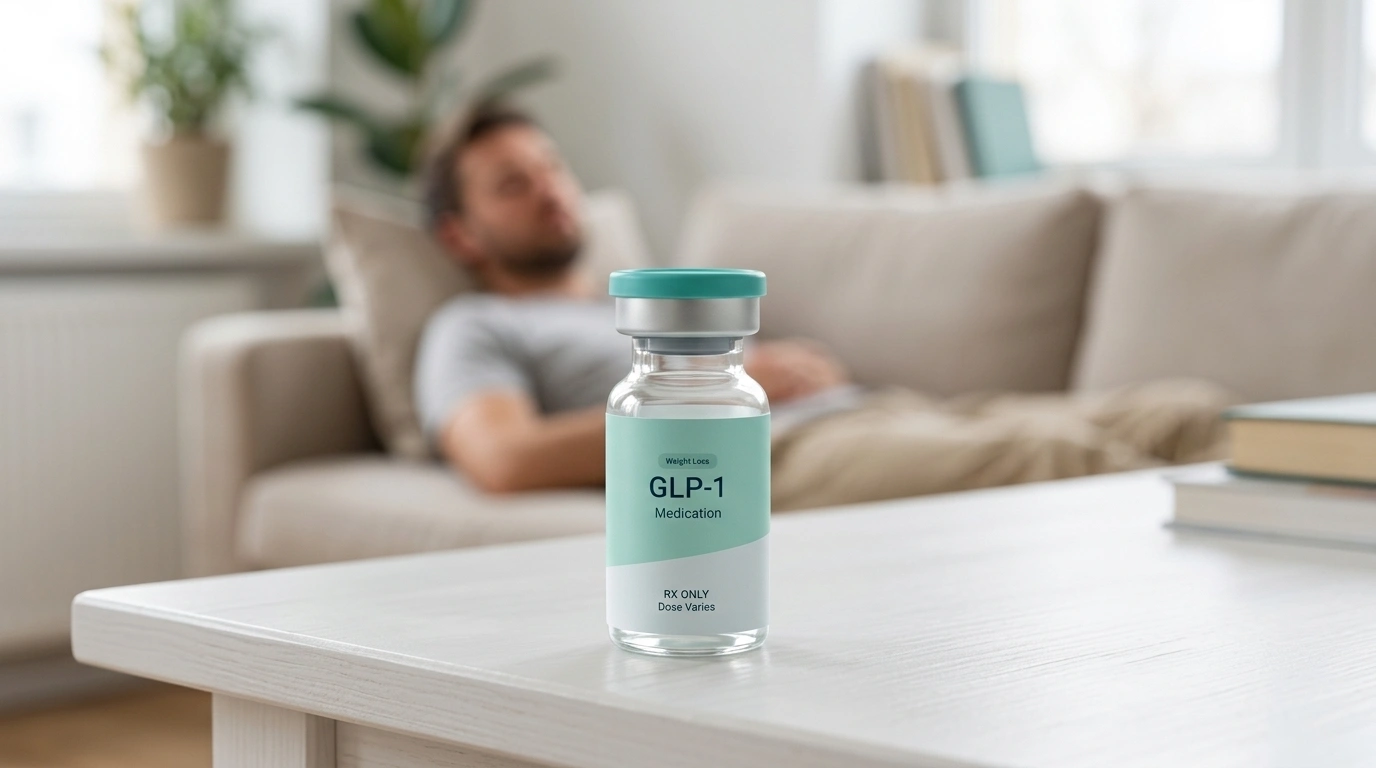
Ozempic® is a brand-name prescription medication that contains the active ingredient semaglutide. Semaglutide is a glucagon-like peptide-1 (GLP-1) receptor agonist, which is a type of medicine that mimics a natural hormone in your body. This hormone helps regulate blood sugar levels by prompting the pancreas to release insulin and slowing down the rate at which your stomach empties. While originally approved for the treatment of type 2 diabetes, it is frequently used off-label to support weight management. For a related discussion, read Semaglutide and Alcohol: What Science Says.
When you consume alcohol, your body prioritizes its metabolism above almost everything else. Alcohol is a toxin that the liver must break down and clear from your system. Because both semaglutide and alcohol influence your metabolism, blood sugar, and digestive speed, they can interact in ways that are not immediately obvious.
Indirect Interactions vs. Chemical Conflicts
There is no known direct chemical interaction between Ozempic® and alcohol. This means that alcohol does not “cancel out” the medication, nor does the medication change the chemical structure of the alcohol in your blood. However, they have overlapping effects on the body that can amplify each other.
Key Takeaway: The primary concern with drinking while on a GLP-1 medication is not a toxic drug-to-alcohol reaction, but rather how the combined effects on digestion and blood sugar might make you feel.
Side Effect Amplification: What to Expect
The most common reason individuals choose to limit or avoid alcohol while taking semaglutide is the increased risk of gastrointestinal distress. Because the medication already changes how your digestive system functions, adding alcohol—which is a known stomach irritant—can create a “perfect storm” for discomfort. For more context on common reactions, see Understanding the Side Effects of GLP-1 Medications.
Gastrointestinal Distress
Ozempic® works by slowing down gastric emptying, which is the process of food moving from the stomach into the small intestine. This is why you feel full for longer periods. Alcohol also has the potential to slow down or irritate the digestive lining. When combined, many people report the following:
- Intense Nausea: The feeling of “morning sickness” or persistent queasiness is a common side effect of GLP-1s. Alcohol can significantly worsen this sensation.
- Vomiting: Because the alcohol stays in your stomach longer due to delayed emptying, it has more time to irritate the stomach lining, which may lead to more frequent vomiting.
- Acid Reflux: Both substances can relax the lower esophageal sphincter, making heartburn or GERD symptoms more likely.
Dehydration and Hangovers
Both alcohol and GLP-1 medications can contribute to dehydration. Alcohol is a diuretic, meaning it encourages your body to flush out fluids. Many patients on weight loss programs already struggle to maintain adequate hydration because the medication can reduce their thirst cues.
When you are dehydrated, your body cannot process alcohol as efficiently. This often leads to hangovers that feel much more severe than what you may have experienced before starting your treatment. You might find that even one or two drinks result in a lingering headache, fatigue, and dizziness the following day.
Blood Sugar Management and Hypoglycemia
For individuals using Ozempic® to manage type 2 diabetes, the interaction with alcohol is a more serious clinical concern. The medication is designed to lower your blood sugar by increasing insulin production when you eat.
Alcohol also lowers blood sugar. When you drink, your liver is busy processing the alcohol and temporarily stops releasing stored glucose (sugar) into your bloodstream. This combination can lead to hypoglycemia, or dangerously low blood sugar. For a broader look at the risk profile, read Is GLP-1 Safe? An Unflinching Look at the Data in 2026.
Warning: The symptoms of hypoglycemia—such as dizziness, confusion, and shakiness—can look very similar to the symptoms of being intoxicated. This can make it difficult for you or others to realize you are experiencing a medical emergency rather than just “having a few too many.”
The Pancreas and Kidney Health
While rare, there are two serious conditions that require caution when mixing these substances: pancreatitis and kidney strain.
- Pancreatitis: Inflammation of the pancreas is a listed, though uncommon, side effect of GLP-1 medications. Chronic or heavy alcohol use is also a leading cause of pancreatitis. While there is no definitive proof that moderate drinking on Ozempic® causes this, the cumulative stress on the pancreas is something to discuss with your doctor.
- Kidney Health: Severe dehydration from vomiting or diarrhea (common side effects of the medication) can strain the kidneys. Adding the diuretic effect of alcohol increases this risk. If you experience persistent digestive issues, adding alcohol could push your body into a state of acute renal distress.
How Alcohol Impacts Your Weight Loss Goals
Even if you do not experience severe side effects, alcohol can hinder the progress of your weight loss program. At TrimRx, our personalized programs focus on sustainable habits, and understanding how “empty calories” affect your biology is a key part of that process.
- High Caloric Density: Alcohol provides seven calories per gram, which is nearly as much as fat. These calories offer no nutritional value and can quickly add up, offsetting the caloric deficit created by your medication and diet.
- Lowered Inhibitions: Drinking often leads to “disinhibited eating.” You may find it harder to listen to your body’s fullness cues after a drink, leading you to snack on high-calorie, low-nutrient foods that you would otherwise avoid.
- Metabolic Slowdown: When your liver is processing alcohol, it temporarily stops burning fat. If you drink frequently, you may find your weight loss plateaus even while staying on your prescribed dosage.
The Phenomenon of Reduced Cravings
One of the most fascinating developments in the study of GLP-1 medications is the reported reduction in “food noise” and, for many, “drink noise.” Many patients report that they simply no longer have the desire to drink alcohol.
The Role of Dopamine
Research suggests that GLP-1 receptors are present in parts of the brain responsible for the reward system. Normally, when you drink alcohol, your brain releases dopamine, which creates a feeling of pleasure or relaxation. Ozempic® may dampen this reward response.
If the “reward” of drinking is removed, you may find that a glass of wine no longer tastes as good or provides the same stress relief. Some clinical trials are even investigating semaglutide as a potential treatment for alcohol use disorder because of this effect on the brain’s dopamine pathways.
Bottom line: You might find that the question of whether you can drink is answered by the fact that you simply no longer want to.
Practical Tips for Safe Socializing
If you and your healthcare provider decide that occasional, moderate alcohol consumption is acceptable for you, follow these steps to minimize risks:
Step 1: Consult your provider. / If you are still deciding whether treatment is right for you, take the free assessment quiz and discuss the results with the professional supervising your program.
Step 2: Never drink on an empty stomach. / Having food in your system helps slow the absorption of alcohol and protects your stomach lining. This is especially important for preventing blood sugar crashes.
Step 3: Prioritize hydration. / For every alcoholic beverage you consume, drink at least 8 to 16 ounces of water. This helps combat the diuretic effects of alcohol and the naturally dehydrating effects of your medication.
Step 4: Choose low-sugar options. / Avoid sugary mixers, syrups, and sweet wines. These can cause a rapid spike and then a crash in blood sugar. Stick to clear spirits with soda water or a dry glass of wine.
Step 5: Start very slow. / Your tolerance will likely be much lower than it was before you started your medication. Have half a drink and wait 30 to 60 minutes to see how your stomach and head feel before continuing.
Myth: “I can skip my Ozempic® dose on the day I plan to drink to avoid side effects.” Fact: Semaglutide stays in your system for several weeks. Skipping a single dose will not prevent interactions, but it will disrupt your treatment consistency and potentially lead to more side effects when you restart.
A Balanced Approach to Health
Successful weight management is about finding a lifestyle that you can maintain for years, not just weeks. This often means finding a way to enjoy social events without compromising your health or your progress. If you want a bigger-picture overview of treatment options, GLP-1 Weight Loss Programs: Complete Beginner’s Guide for 2026 can help frame the conversation. At TrimRx, we aim to provide the clinical support and guidance needed to navigate these choices safely. Whether you are using Compounded Semaglutide, Wegovy®, or another personalized treatment plan, your safety and comfort are the priority.
The mission of TrimRx is to combine medical expertise with empathetic care. We believe that by understanding the science behind how your body reacts to things like alcohol while on medication, you are better equipped to succeed in your long-term health journey.
FAQ
Is it dangerous to have one drink on Ozempic®?
For most people, having one drink is not considered life-threatening, but it can significantly increase the risk of nausea, vomiting, and low blood sugar. The safety of a single drink depends on your overall health, whether you have diabetes, and how your body has been reacting to the medication. If you are considering treatment, complete the free assessment quiz and speak with a healthcare provider before consuming alcohol during treatment.
Does Ozempic® change your alcohol tolerance?
Many patients report a significantly lower tolerance for alcohol while taking GLP-1 medications. This is often due to the way the medication slows digestion and affects the brain’s reward centers. You may find that you feel the effects of alcohol much faster or that you experience a much worse hangover the following day after very little consumption. For a related discussion, read Can You Drink on Semaglutide? What You Need to Know for Your Weight Loss Journey.
Can I drink alcohol if I am taking compounded semaglutide instead of Ozempic®?
The active ingredient in both Ozempic® and many compounded versions is semaglutide, so the risks remain the same. Regardless of whether you are using a branded medication or a version prepared by a licensed compounding pharmacy, the physiological interaction with alcohol—specifically regarding blood sugar and digestion—is identical.
Will drinking alcohol stop me from losing weight on my program?
Alcohol can slow down your weight loss progress in several ways. It is high in calories, can lead to poor food choices, and causes the liver to prioritize alcohol metabolism over fat burning. While an occasional drink may not halt progress entirely, regular consumption can lead to weight loss plateaus. If you want to find out whether GLP-1 treatment is right for you, take the free assessment quiz.
Disclaimer: This content is for informational purposes only and does not constitute medical advice. It is not intended to diagnose, treat, cure, or prevent any disease or condition. Individual results may vary. Always consult a qualified healthcare professional before starting any weight loss program or medication.

Transforming Lives, One Step at a Time
Keep reading
I Took My Ozempic Two Days in a Row by Accident
Call for guidance now rather than waiting to see how you feel. In the United States, Poison Control is available free and around the…

Why Does My Ozempic Injection Sting More Some Weeks Than Others?
Because more variables change between injections than most people realize. Temperature of the medication, which site you used, how deep the needle went, how…

How to Store Your Ozempic Pen During a Power Outage
Keep the refrigerator door closed. An unopened refrigerator holds a safe temperature for roughly four hours, and a full freezer holds for considerably longer….


