Can Wegovy Stop Working After a Year? Managing Plateaus and Long-Term Success
Introduction
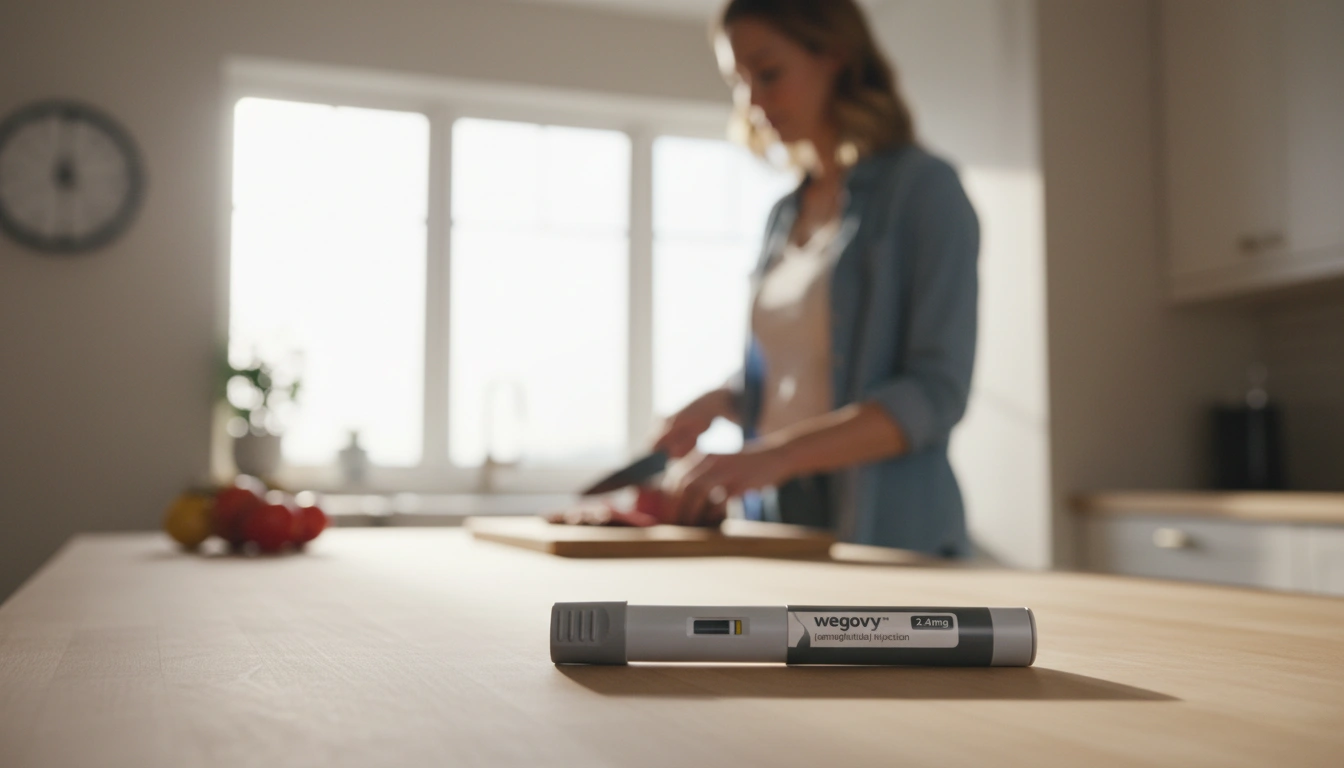
Did you know that nearly half of all individuals who begin modern weight loss medications like Wegovy® find themselves at a crossroads within the first twelve months? While the initial transformation can feel like a breakthrough, many encounter a point where the scale simply refuses to budge. This phenomenon often leads to a pressing question: can Wegovy stop working after a year? It is a moment of frustration that many face, but it is also a vital turning point where understanding the biology of your body becomes the key to unlocking the next phase of your journey.
At TrimRx, our journey began with a shared vision to help individuals embrace healthier lifestyles by merging cutting-edge telehealth innovations with effective weight loss solutions. We understand that weight loss is rarely a straight line. Our platform is a user-friendly and supportive space where individuals receive personalized, medically supervised care—all designed to make sustainable weight loss attainable and tailored to the individual. We believe that sustainable weight loss should be achieved through science, empathy, and a transparent approach. Whether you are just starting or have noticed your progress slowing, we are here to provide the insights and tools needed to navigate these transitions.
In this article, we will explore the biological mechanisms behind weight loss plateaus, the reasons why medication effectiveness may appear to shift after a year, and the scientific reality of metabolic adaptation. We will also discuss how to differentiate between a temporary stall and the need for a treatment adjustment. By the end of this post, you will have a clear understanding of how to maintain your momentum and whether you might benefit from a personalized treatment plan to keep reaching your goals.
Our discussion is divided into sections covering the science of GLP-1 receptors, the “set point” theory of the human body, and practical strategies for breaking through stalls. We will also highlight how our Weight Loss Boost and other supportive supplements can play a role in your overall wellness strategy. Together, we will navigate the complexities of long-term weight management with transparency and expert-backed information.
The Science of How Wegovy Functions in the Body
To understand why a plateau might occur, we first need to look at how these medications interact with our internal systems. Wegovy®, which contains the active ingredient semaglutide, is an FDA-approved medication that mimics a naturally occurring hormone called glucagon-like peptide-1 (GLP-1). This hormone is typically released by the gut after we eat, signaling to the brain that we are full and satisfied.
The Role of GLP-1 Receptors
The medication acts as a GLP-1 receptor agonist. This means it binds to the same receptors as your natural hormones but stays active in the body much longer. Under normal circumstances, your body’s natural GLP-1 is broken down within minutes. The synthetic version used in Wegovy® is designed to resist this breakdown, providing a consistent signal to the brain’s appetite centers. This constant “fullness” signal helps reduce cravings and “food noise,” making it easier to maintain a calorie deficit.
Slowing Gastric Emptying
In addition to its effects on the brain, the medication slows down the rate at which food leaves the stomach. This process, known as gastric emptying, ensures that you feel physically full for a longer duration after a meal. For many, this is the “magic” of the medication—it aligns the mind’s sense of satiety with the stomach’s physical state. However, the body is a highly adaptive machine, and over time, it may begin to compensate for these changes. If you feel like these effects are waning, you might want to take our free assessment quiz to see if a dosage adjustment or a different approach is right for you.
Why Progress May Stall After a Year
It is common for individuals to experience a weight loss plateau after approximately 60 weeks of treatment. This isn’t necessarily because the medication has “stopped working” in a literal sense, but rather because the body has reached a state of metabolic equilibrium.
Metabolic Adaptation and the “Set Point”
The human body is biologically wired for survival, which often means protecting its energy stores (fat). When you lose a significant amount of weight, your metabolism may slow down to compensate for the lower calorie intake. This is known as metabolic adaptation. Your body essentially becomes more efficient at using fewer calories.
The “set point” theory suggests that the body has a preferred weight range it tries to maintain. As you move further away from your original weight, your body may increase hunger hormones and decrease your resting metabolic rate to pull you back toward that set point. After a year on Wegovy®, many people find that their calorie burn now equals their calorie intake, resulting in a plateau.
Reaching the Maximum Dosage
Wegovy® treatment involves a titration process where the dose is gradually increased to the maintenance level of 2.4 mg. At TrimRx, we emphasize a transparent approach where our service remains consistent regardless of these dosage changes. However, once an individual reaches the maximum dose, there is no further room to increase the medication’s strength. If the body has fully adapted to the 2.4 mg dose and weight loss has stalled, it may indicate that the body has reached its current physiological limit with that specific molecule.
The Reality of Non-Responders
It is important to note that clinical data suggests approximately 10% to 15% of individuals may be “non-responders” to semaglutide. For these individuals, the weight loss may be minimal from the start, or it may stop much earlier than the one-year mark. Biology is diverse, and what works for one person may not work for another. This is why we focus on personalized weight loss programs that consider your unique medical profile.
The Impact of Discontinuing Medication
A significant concern for many is what happens if they stop the medication after a year, especially if they feel it is no longer as effective. Recent research, including studies from the University of Cambridge, has provided a clearer picture of the “rebound” effect.
The Weight Regain Trajectory
Data indicates that after stopping GLP-1 medications, individuals typically regain about 60% of their lost weight within the first year. This regain tends to plateau at around 75% of the original weight loss after 60 weeks of cessation. This means that while 25% of the weight loss might be sustained, the majority of the weight often returns.
This happens because the “brakes” on the appetite are removed. When the artificial GLP-1 leaves the system, hunger hormones can return with a vengeance. Furthermore, if the body’s natural GLP-1 production was suppressed during treatment, the transition can be even more abrupt. To support your body during the journey, many find that incorporating GLP-1 Daily Support helps maintain overall wellness and gut health.
Body Composition Concerns: Fat vs. Muscle
One of the most critical aspects of weight regain is the composition of that weight. During the initial weight loss phase, it is estimated that 40% to 60% of the weight lost can be lean muscle mass. If an individual stops the medication and regains the weight, the regained weight is often primarily fat. This can lead to a worse body fat-to-muscle ratio than before the treatment started. Protecting muscle mass through resistance training and high protein intake is essential for anyone on a GLP-1 journey.
Strategies for Breaking Through a One-Year Plateau
If you find that the medication seems less effective after a year, it is time to reassess your strategy. A plateau is not a sign of failure; it is a sign that your body has adapted and requires a new stimulus.
Re-Evaluating Caloric Intake and Nutrition
As you lose weight, your body requires fewer calories to function. A calorie deficit that worked when you were 50 pounds heavier may now be your maintenance level.
- Track Mindfully: Sometimes “lifestyle creep” happens, where portion sizes slowly increase.
- Protein Focus: Ensure you are consuming enough protein to protect muscle mass and increase satiety.
- Fiber and Gut Health: Support your digestive system with fiber-rich foods. For additional support, consider our GLP-1 Daily Support, which is designed to complement your journey.
Adjusting Physical Activity
If you have been doing the same workout for a year, your body has likely become very efficient at it. To break a plateau, you may need to increase the intensity or change the type of exercise. Resistance training is particularly important because muscle tissue burns more calories at rest than fat tissue. Building muscle can help “rev up” a metabolism that has slowed down due to weight loss.
Exploring Alternative Medications
For some, the answer may lie in switching to a different type of medication. While Wegovy® targets the GLP-1 receptor, other medications like Mounjaro® or Zepbound® (tirzepatide) are “dual agonists.” They target both the GLP-1 receptor and the glucose-dependent insulinotropic polypeptide (GIP) receptor. Studies have shown that this dual action can sometimes lead to more significant weight loss in individuals who have plateaued on semaglutide. We offer a variety of options including Ozempic®, Mounjaro®, and Compounded Tirzepatide through our personalized program.
It is important to clarify that while we partner with FDA-registered and inspected pharmacies for the shipping of medications like Compounded Semaglutide and Compounded Tirzepatide, these compounded versions themselves are not “FDA-approved” in the same way branded Ozempic® or Wegovy® are. However, they provide an essential alternative for those seeking tailored care.
The TrimRx Approach to Sustainable Weight Loss
At TrimRx, we believe that medication is just one piece of the puzzle. Our brand personality is empathetic, innovative, and results-oriented. We recognize that every individual’s journey is unique, and a “one size fits all” approach rarely leads to long-term success.
Personalized, Medically Supervised Care
We offer comprehensive service that includes doctor consultations, medication, lab work, and unlimited support. Our focus is on safety and transparency. We work exclusively with FDA-registered and inspected pharmacies to ensure the highest standards for the medications our customers receive. By choosing a personalized plan, you are not just getting a prescription; you are getting a partnership in health. To see which plan fits your needs, complete our free assessment quiz.
Supplements to Enhance Your Journey
For those looking for immediate support without a prescription, or to boost their current results, we offer quick-access supplements.
- Weight Loss Boost: This supplement is designed to support your metabolism and energy levels as you work toward your goals. You can find it here: Weight Loss Boost.
- GLP-1 Daily Support: Perfect for those on a GLP-1 medication who want to ensure their gut health and nutrient intake remain optimal. Learn more at GLP-1 Daily Support.
Common Myths About Wegovy and Plateaus
There is a significant amount of misinformation regarding weight loss medications. Let’s address some of the most common myths we hear from individuals reaching the one-year mark.
Myth 1: “The medication has lost its potency.”
Unless the medication was stored incorrectly (e.g., left in high heat), the chemical potency does not change. What changes is your body’s sensitivity to the signal or your body’s compensatory mechanisms. It is rarely the drug failing; it is usually the body adapting.
Myth 2: “If I plateau, I should just stop taking it.”
Stopping the medication abruptly often leads to a rapid return of hunger and subsequent weight regain. A plateau is usually a sign that you are at a “maintenance” dose for your current weight. If you wish to lose more, a change in strategy—not necessarily cessation—is required.
Myth 3: “I don’t need to exercise if the drug is working.”
Exercise is crucial for maintaining lean muscle mass. As discussed, losing muscle can lower your metabolic rate, making it harder to maintain weight loss in the long run. Physical activity is a non-negotiable part of a healthy lifestyle.
Managing the Emotional Challenges of a Plateau
The mental struggle of a weight loss stall can be just as difficult as the physical one. When you have been seeing progress for months, a flat line on the scale can feel like a setback. It is important to remember that health is not just a number on a scale.
Focusing on Non-Scale Victories
Are your clothes fitting better? Do you have more energy to play with your children or grandchildren? Is your blood pressure or blood sugar in a healthier range? These “non-scale victories” are often more indicative of true health improvements than the specific number on the scale. At TrimRx, we encourage our community to celebrate these wins as part of their personalized journey.
The Power of Support and Empathy
Weight loss can feel lonely, but you don’t have to do it alone. Our supportive space is designed to provide the empathy and encouragement you need when things get tough. We believe in science-led solutions, but we also believe in the power of a compassionate approach.
Looking Ahead: Long-Term Maintenance
For many, Wegovy® and similar GLP-1 medications are seen as long-term or even lifelong tools. Obesity is a chronic condition, much like hypertension or diabetes, and it often requires ongoing management.
Developing Sustainable Habits
The goal of medication is often to provide the “breathing room” needed to develop healthier habits. By reducing cravings and hunger, these drugs allow you to practice portion control and make better food choices without feeling like you are in a constant battle with your biology. Over a year, these practices can become ingrained habits that help you maintain your weight even if the rate of loss slows down.
Monitoring Health Biomarkers
Regular lab work and consultations are a vital part of our service. By monitoring your health biomarkers, we can ensure that the medication is still providing the metabolic benefits you need, even if the weight loss has plateaued. This holistic view of health is what sets our personalized weight loss programs apart.
FAQs
1. Is it normal for weight loss to stop after a year on Wegovy®?
Yes, it is very common. Most clinical studies show that weight loss tends to plateau around the 60-week mark. This happens because the body’s metabolism adapts to the lower weight and calorie intake, reaching a point of equilibrium where calories burned equal calories consumed.
2. Can I switch from Wegovy® to another medication if I plateau?
Many individuals find success by switching to a different medication, such as Tirzepatide (found in Mounjaro® or Zepbound®), which targets two hunger hormones instead of one. If you feel your current progress has stalled, we recommend taking our assessment quiz to discuss alternative options with a healthcare provider.
3. Will I regain all the weight if I stop taking the medication?
Research suggests that individuals who stop GLP-1 medications without a long-term maintenance plan typically regain about 60-75% of their lost weight within a year. This is why many healthcare providers view these medications as long-term treatments for the chronic condition of obesity.
4. How can I boost my metabolism while on Wegovy®?
Focusing on resistance training to build muscle mass is the most effective way to support your metabolism. Additionally, ensuring adequate protein intake and staying hydrated are essential. Some individuals also use Weight Loss Boost to support their energy levels and overall wellness during their journey.
Conclusion
The journey to a healthier you is a marathon, not a sprint. While the question “can Wegovy stop working after a year” is common, the reality is more about biological adaptation than medication failure. Your body is a complex system that strives for balance, and plateaus are a natural, albeit frustrating, part of that process.
At TrimRx, we are committed to helping you navigate these challenges with a blend of advanced medical science and compassionate care. Our goal is to make sustainable weight loss attainable through personalized plans that adapt as you do. Whether you need to adjust your dosage, explore new medication options like Compounded Tirzepatide, or support your body with our GLP-1 Daily Support, we are here to support every step of your unique journey.
Remember, a plateau is not the end of the road—it is simply a signal to refine your map. By staying informed, remaining consistent, and seeking personalized support, you can maintain your health gains and continue moving toward your long-term wellness goals. Together, we can turn a temporary stall into a foundation for lasting success.

Transforming Lives, One Step at a Time
Keep reading

Maximizing Your Results: How Should I Eat on Wegovy for Sustainable Success
Wondering how should I eat on Wegovy? Discover the best foods to prioritize protein, manage side effects, and maximize weight loss results with our expert guide.

Is Wegovy a Single Use Pen? Understanding Your Weight Loss Injection
Wondering is Wegovy single use pen? Learn about the one-and-done design, how to administer your dose safely, and how TrimRx supports your weight loss journey.
Does Wegovy Help Lower Blood Sugar and Improve Metabolic Health?
Does Wegovy help lower blood sugar? Discover how this GLP-1 medication stabilizes glucose, improves insulin sensitivity, and supports sustainable weight loss.


