Can You Die Taking Ozempic? Understanding the Real Risks and Safety Data
Introduction
The rise of Ozempic® has sparked a global conversation about weight loss, metabolic health, and the future of medicine. However, with this popularity comes a wave of headlines that can feel frightening for those considering the treatment. If you have ever scrolled through news alerts and wondered if a medication meant to help you could actually be life-threatening, you are not alone. Concerns about safety are a natural and responsible part of any health journey. At TrimRx, we believe that transparency is the foundation of a successful wellness program. We want to provide you with a clear, science-backed look at the risks associated with semaglutide. This article covers clinical safety data, potential serious side effects, and how professional supervision can help manage these risks. While serious complications are rare, understanding the facts is essential for making an informed decision about your health. If you are thinking about a personalized program, you can take our free assessment quiz to see whether you may be a fit.
Quick Answer: While deaths associated with Ozempic® are extremely rare relative to the millions of people using the medication, serious complications can occur. Most risks involve the gallbladder, pancreas, or kidneys, and are often manageable when the medication is used under strict medical supervision and appropriate dosing.
The Reality of Safety Data and Reported Risks
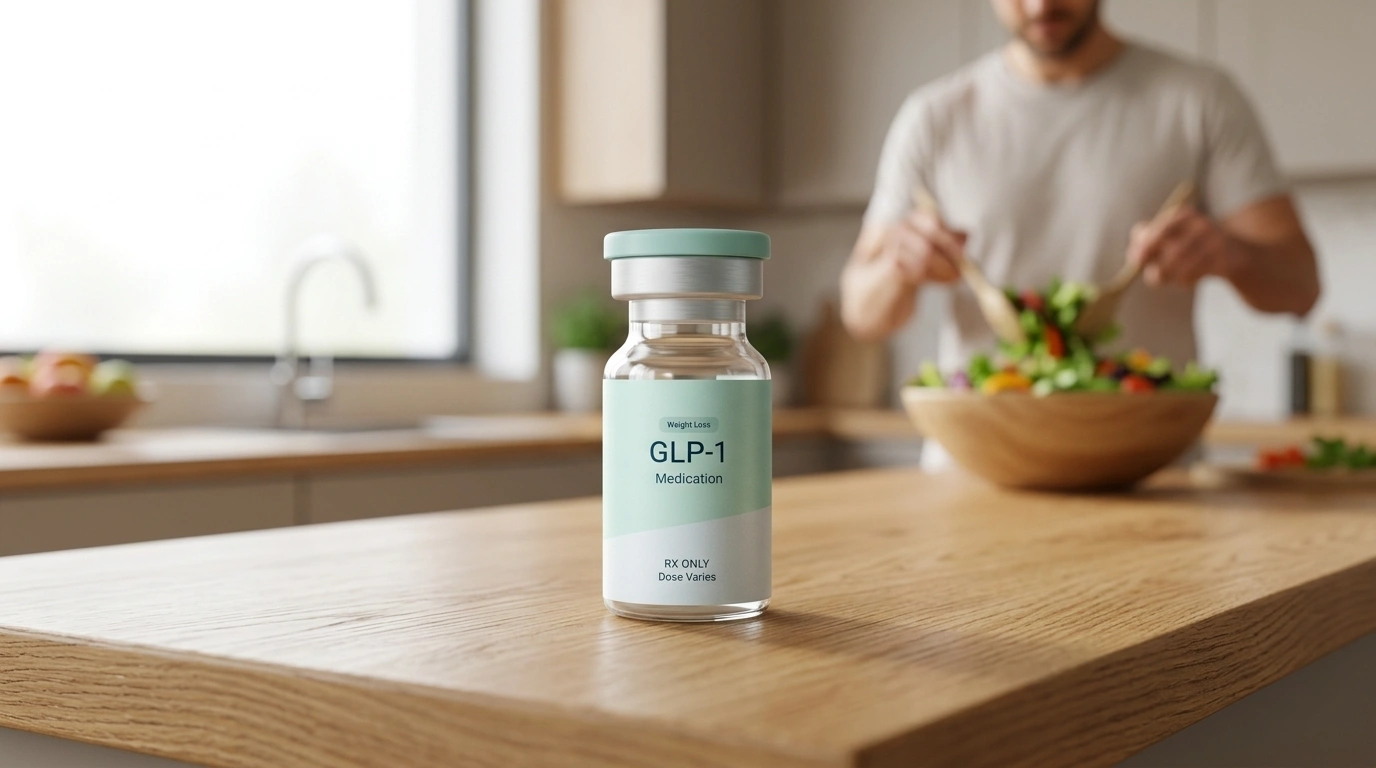
When discussing the safety of a medication like Ozempic® (a brand name for semaglutide), it is important to look at the numbers. Semaglutide is a GLP-1 receptor agonist. This means it mimics a hormone called glucagon-like peptide-1, which naturally tells your brain you are full and helps your body manage blood sugar. For readers who want a clearer overview of the medication itself, our semaglutide injections guide is a helpful companion.
Data from the Food and Drug Administration (FDA) Adverse Event Reporting System (FAERS) is often cited in news reports. This database allows patients and doctors to report any health issue that occurs while someone is taking a medication. Since 2018, there have been reports of deaths among individuals taking semaglutide or tirzepatide. However, these reports show an association in time, not necessarily a direct cause. If you want a broader primer on the hormone class behind these medications, our How Does GLP-1 Work? guide explains the science in more detail.
Many people taking these medications have existing conditions like type 2 diabetes, heart disease, or severe obesity. These conditions themselves carry high health risks. It is also important to note that millions of people use these medications safely every day.
Understanding FAERS Data
The FAERS database is a critical tool for “safety signals.” If a specific problem happens frequently, the FDA investigates it. It is not a list of proven deaths caused by the drug. Instead, it is a collection of observations. For most people, the benefits of weight loss and blood sugar control far outweigh the statistical risks of a severe event.
Serious Complications That Require Attention
While the most common side effects are mild digestive issues, there are serious conditions that everyone should be aware of before starting treatment. These are rare, but they are the primary reasons medical supervision is required for GLP-1 medications.
Pancreatitis
Pancreatitis is an inflammation of the pancreas, the organ that produces insulin and digestive enzymes. Research suggests a small increase in the risk of acute pancreatitis for those on GLP-1 medications.
Symptoms of pancreatitis include:
- Severe abdominal pain that may spread to your back
- Nausea and persistent vomiting
- Fever and a rapid pulse
- Tenderness when touching the abdomen
If you experience these symptoms, you must contact a healthcare provider immediately. Chronic or necrotizing pancreatitis (where part of the organ dies) is a severe medical emergency.
Thyroid Cancer Risks
In rodent studies, semaglutide was shown to increase the risk of thyroid C-cell tumors. It is not yet known if this same risk applies to humans. Because of this, the medication carries a “black box warning.” Individuals with a personal or family history of Medullary Thyroid Carcinoma (MTC) or Multiple Endocrine Neoplasia syndrome type 2 (MEN 2) should not use this medication.
Acute Kidney Injury
Some patients have reported acute kidney injury while taking semaglutide. This often happens because of severe dehydration. If the medication causes intense vomiting or diarrhea, your body loses fluid rapidly. Without enough fluid, the kidneys cannot filter waste properly. This highlights the importance of staying hydrated throughout your treatment program.
Key Takeaway: Most severe risks associated with semaglutide, such as kidney issues, are secondary complications caused by untreated side effects like dehydration. Proactive monitoring and communication with a clinical team are the best ways to stay safe.
Gastrointestinal Health: Gastroparesis and Ileus
The way Ozempic® works is by slowing down “gastric emptying.” This means food stays in your stomach longer, which helps you feel full. In rare cases, this process can slow down too much. If you want a deeper look at how these symptoms show up in real life, our semaglutide side effects guide breaks down the most common concerns.
Gastroparesis (Stomach Paralysis)
Gastroparesis occurs when the stomach muscles stop moving food into the small intestine. While the medication is designed to slow this process, a complete stop is a medical concern. Symptoms include feeling full after only a few bites, severe bloating, and vomiting undigested food hours after eating.
Ileus (Intestinal Obstruction)
Ileus is a condition where the intestines stop their normal contractions. This can lead to a blockage. The FDA recently updated labels for several GLP-1 drugs to include warnings about ileus. Signs of a blockage include:
- Inability to pass gas or have a bowel movement
- Severe abdominal cramping
- Abdominal swelling
These conditions are generally rare, but they underscore why starting at a low dose and slowly increasing it is the safest approach. We ensure that our personalized programs prioritize this slow titration to give your body time to adjust.
The Danger of Hypoglycemia
Hypoglycemia, or dangerously low blood sugar, is another potential risk. This is primarily a concern for individuals who are also taking other medications for type 2 diabetes, such as insulin or sulfonylureas.
When blood sugar drops too low, your brain and body lack the energy they need to function. Symptoms of low blood sugar include:
- Dizziness and shakiness
- Confusion or irritability
- Fast heartbeat
- Fainting or loss of consciousness
Severe hypoglycemia can be life-threatening if not treated immediately with a source of glucose. If you are using medication for diabetes, your healthcare provider must carefully coordinate your dosage to prevent these dangerous drops.
Can You Overdose on Semaglutide?
Overdosing on Ozempic® or compounded semaglutide is a serious concern, often stemming from confusion about dosing instructions. Because these are typically once-weekly injections, taking the medication too often or taking too high a dose can overwhelm the body. If you are comparing safety questions across compounded options, our compounded semaglutide safety guide offers more context.
Why Overdose is Unique with GLP-1s
Semaglutide has a long “half-life.” This means it stays in your system for a long time. It takes about one week for the level of the drug in your blood to drop by half. If you take too much, you cannot simply “wait a few hours” for it to wear off. The symptoms of an overdose—intense vomiting, severe nausea, and low blood sugar—can last for days.
Preventing Dosing Errors
To prevent an overdose, always follow these steps:
- Check the dose: Verify the exact amount your provider has prescribed.
- Use a calendar: Only take the injection once every seven days.
- Do not “double up”: If you miss a dose, consult your provider rather than taking extra medication.
Myth: Taking more of the medication will lead to faster weight loss. Fact: Taking more than your prescribed dose significantly increases the risk of severe side effects and overdose without improving long-term weight loss results.
The Risks of Unregulated or “Fake” Medications
As demand for weight loss drugs has increased, so has the presence of counterfeit products sold online. These “fake” versions of Ozempic® are extremely dangerous. They may contain the wrong ingredients, incorrect dosages, or harmful bacteria because they are not produced in sterile, regulated environments.
We take safety seriously by connecting our members with FDA-registered, inspected compounding pharmacies. These pharmacies follow strict quality control standards. Using a reputable platform like ours ensures that you are receiving high-quality compounded semaglutide or compounded tirzepatide that has been prepared correctly for your specific needs.
How We Personalize Safety for Every Member
Weight loss is not a one-size-fits-all process. A medication that is safe for one person might be risky for another based on their medical history. This is why we do not offer “instant” prescriptions.
The Assessment Process
Every journey begins with a free assessment quiz. This allows licensed healthcare providers to review your health profile, including your BMI, heart health, and any history of metabolic issues. By screening for contraindications (reasons why a drug might be unsafe for you), we reduce the risk of serious complications before you even take your first dose. You can complete the free assessment quiz whenever you are ready to take the next step.
Ongoing Clinical Support
Our program includes 24/7 access to a team of specialists. If you experience a side effect that feels unusual, you don’t have to guess what to do. You can reach out for guidance on whether to adjust your lifestyle, change your timing, or consult a doctor. This continuous loop of care is what makes telehealth a safe and effective option for modern weight loss.
Comparing the Options: Semaglutide vs. Tirzepatide
When considering safety, it is also helpful to understand the differences between the two primary types of GLP-1 medications. Both have shown high efficacy, but they work slightly differently. For a closer look at tirzepatide specifically, see our tirzepatide weight loss guide.
| Feature | Semaglutide (Ozempic®, Wegovy®) | Tirzepatide (Mounjaro®, Zepbound®) |
|---|---|---|
| Mechanism | GLP-1 receptor agonist | Dual GLP-1 and GIP receptor agonist |
| Common Use | Weight loss and Type 2 Diabetes | Weight loss and Type 2 Diabetes |
| Administration | Once-weekly injection or daily oral | Once-weekly injection or daily oral |
| Primary Risks | GI issues, Pancreatitis, Thyroid | GI issues, Pancreatitis, Thyroid |
Both medications carry similar safety warnings. Some studies suggest tirzepatide may lead to more weight loss, but it may also carry a slightly higher risk of certain side effects due to its increased potency. Your healthcare provider will help you choose the option that fits your health goals and risk profile.
Managing Side Effects to Stay Safe
Most people who experience side effects find they are manageable. However, the way you handle these side effects can determine if they turn into a serious health risk.
Hydration and Electrolytes
Dehydration is the biggest hidden danger of GLP-1 therapy. Because the medication reduces your thirst and hunger, it is easy to forget to drink water. This can lead to fainting, dizziness, and kidney strain. We often recommend focused support, such as our GLP-1 Daily Support supplement, to help maintain nutrient levels and hydration while on the program.
Nutrition and Muscle Mass
Losing weight too quickly can lead to muscle loss. This can leave you feeling weak and increase the risk of falls or fatigue. It is essential to focus on high-protein intake and light resistance training. A personalized program helps you lose fat while protecting your muscle tissue, and some readers also look at the Weight Loss Boost supplement for additional support during weight loss.
When to Seek Emergency Care
While we provide extensive support, you should seek immediate medical attention if you experience:
- Signs of an allergic reaction (swelling of the throat, tongue, or face)
- Shortness of breath or trouble swallowing
- Severe, persistent pain in the upper stomach
- Yellowing of the skin or eyes (jaundice)
- Sudden, severe changes in vision
The Role of Compounded Medications
Because of the high demand for branded medications, many people turn to compounded semaglutide. It is vital to understand what this means for your safety. If you want a more detailed breakdown of the tradeoffs, our compounded semaglutide risks and benefits guide is a useful resource.
Compounded medications are customized versions of a drug made by a pharmacist. They are not FDA-approved in the way that Ozempic® or Wegovy® are. However, they are a legal and necessary option when branded drugs are in short supply.
At TrimRx, the compounded medications provided through our partner pharmacies are prepared in facilities that are FDA-registered and inspected. This ensures that the medication is prepared with high standards for purity and accuracy. This personalized approach allows for dosage adjustments that can help minimize side effects, making the treatment safer and more comfortable for you.
Steps for a Safe Weight Loss Journey
If you are ready to start, following a clear process is the best way to ensure your safety.
Step 1: Complete the Assessment Take the free assessment quiz. This provides the clinical team with the data they need to ensure you are a safe candidate for GLP-1 therapy.
Step 2: Consult with a Licensed Provider A healthcare professional will review your history and discuss potential risks. They will decide if compounded semaglutide or another option is right for you.
Step 3: Start at the Lowest Dose Always begin with a “starter dose.” This allows your body to build a tolerance to the hormone and reduces the likelihood of severe GI distress.
Step 4: Monitor and Communicate Keep a log of how you feel. Use our platform to ask questions and report any side effects. Regular check-ins allow for dosage adjustments that keep you on the path to success.
Step 5: Focus on Lifestyle The medication is a tool, not a total solution. Combine it with healthy eating and movement to achieve sustainable results that last even after the medication is finished.
Conclusion
The question “can you die taking Ozempic” is a serious one that deserves an honest answer. While the risk of death is statistically very low, the potential for serious complications is real. These risks—such as pancreatitis, kidney issues, or severe hypoglycemia—are why these medications require a prescription and ongoing medical oversight. At TrimRx, we believe that you deserve to reach your health goals without sacrificing safety. Our mission is to provide an empathetic, science-backed platform that puts your well-being first. By merging clinical expertise with modern telehealth, we help you navigate the complexities of GLP-1 medications with confidence.
Bottom line: When used correctly under medical supervision, semaglutide is a safe and effective tool for many people. The key to safety is personalization, slow titration, and constant communication with your care team.
If you are ready to take a realistic and supported step toward a healthier version of yourself, your journey starts with a simple evaluation. You can take our free assessment quiz to begin your personalized weight loss program.
FAQ
Is it safe to take Ozempic if I don’t have diabetes?
Yes, the active ingredient semaglutide is often prescribed for chronic weight management in individuals without diabetes, provided they meet certain BMI requirements or have weight-related health issues. However, you must be screened by a healthcare provider to ensure it is appropriate for your specific health profile. If you want to check your eligibility, you can take our free assessment quiz.
What is the most dangerous side effect of semaglutide?
While rare, the most serious side effects include acute pancreatitis and potential thyroid tumors. More common but still serious risks include acute kidney injury, often caused by severe dehydration from nausea and vomiting, which is why staying hydrated and monitored is essential. For a closer look at real-world side effects, see our semaglutide side effects guide.
Can semaglutide cause permanent stomach damage?
Conditions like gastroparesis, or stomach paralysis, have been reported in rare cases. While most people find that gastric emptying returns to normal after stopping the medication, anyone experiencing severe, persistent vomiting or inability to eat should consult their provider immediately.
How do I know if the medication I am getting is safe?
To ensure safety, only obtain medications through a licensed telehealth platform or a local pharmacy with a valid prescription. Avoid buying “semaglutide” from unregulated social media sites or websites that do not require a medical consultation, as these products may be counterfeit or contaminated.
Disclaimer: This content is for informational purposes only and does not constitute medical advice. It is not intended to diagnose, treat, cure, or prevent any disease or condition. Individual results may vary. Always consult a qualified healthcare professional before starting any weight loss program or medication.

Transforming Lives, One Step at a Time
Keep reading

I Took My Ozempic Two Days in a Row by Accident
Call for guidance now rather than waiting to see how you feel. In the United States, Poison Control is available free and around the…

Why Does My Ozempic Injection Sting More Some Weeks Than Others?
Because more variables change between injections than most people realize. Temperature of the medication, which site you used, how deep the needle went, how…

How to Store Your Ozempic Pen During a Power Outage
Keep the refrigerator door closed. An unopened refrigerator holds a safe temperature for roughly four hours, and a full freezer holds for considerably longer….


