Can You Drink Protein Shakes While on Mounjaro?
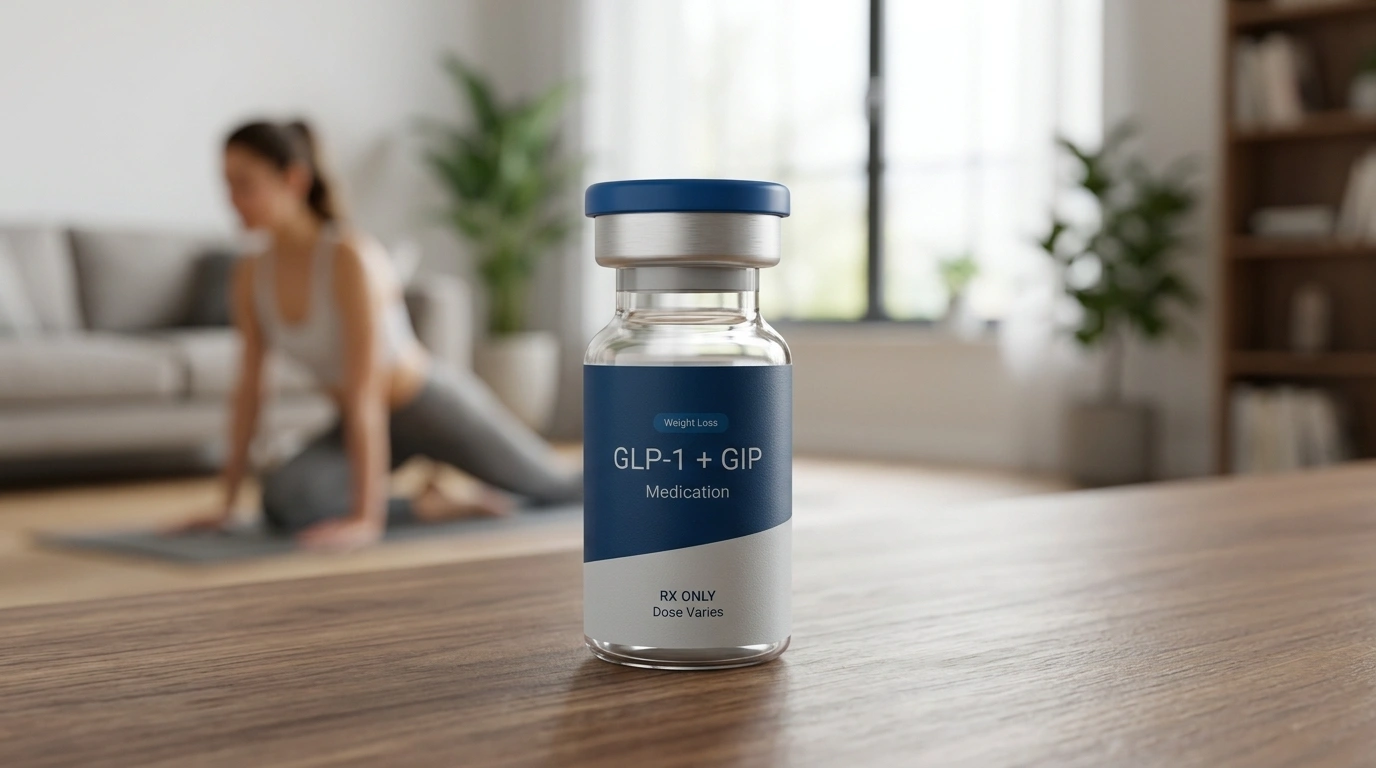
Table of Contents
- Introduction
- Why Protein is Vital During Weight Loss Treatment
- The Benefits of Drinking Protein Shakes on Mounjaro®
- How Tirzepatide Works in the Body
- Choosing the Best Protein Shake for Your Journey
- Managing Potential Side Effects with Liquid Nutrition
- Integrating Shakes into a Personalized Program
- Step-by-Step: How to Use Protein Shakes Effectively
- Compounded Tirzepatide vs. Branded Medications
- The Importance of Professional Guidance
- Tips for Success with Protein Shakes
- The TrimRx Approach
- FAQ
Introduction
Finding the right balance in your diet can feel like a secondary job when you are navigating a medical weight loss journey. If you have been prescribed Mounjaro® (Tirzepatide), you may have noticed a significant shift in your appetite and how your body responds to certain foods. A common question that arises is whether protein shakes are a safe and effective addition to your daily routine. At TrimRx, we believe that understanding the “why” behind your nutritional choices is just as important as the medication itself.
This article will explore the relationship between high-protein supplements and GLP-1/GIP medications. We will cover why protein is the most critical macronutrient during rapid weight loss, how to choose the right shake to avoid digestive upset, and how our personalized approach helps you maintain your health while reaching your goals. The short answer is yes—protein shakes are often a vital tool for success when used correctly. For more guidance, read our overview of the best protein for weight loss.
Why Protein is Vital During Weight Loss Treatment
When you use a medication like Mounjaro®, which is a dual-acting glucose-dependent insulinotropic polypeptide (GIP) and glucagon-like peptide-1 (GLP-1) receptor agonist, your body undergoes significant metabolic changes. These hormones work by slowing down the speed at which your stomach empties and signaling to your brain that you are full. While this is excellent for weight management, it often leads to a much lower calorie intake.
Protecting lean muscle mass is the primary reason protein should be your top priority. When the body is in a significant calorie deficit, it doesn’t just burn fat; it can also break down muscle tissue for energy. Losing too much muscle can lower your metabolic rate, making it harder to maintain your results long-term. High-quality protein provides the amino acids necessary to signal to your body that it should preserve muscle while prioritizing fat loss. Our guide to protein-forward eating on GLP-1 medications covers this strategy in greater detail.
Key Takeaway: Consuming adequate protein while on Tirzepatide helps protect your metabolic rate by preserving lean muscle mass during active weight loss.
The Benefits of Drinking Protein Shakes on Mounjaro®
Drinking your protein can often be easier than eating it, especially during the first few days after a weekly injection when appetite suppression is at its peak. Many individuals find that a heavy meal of chicken or beef feels too “heavy” in the stomach due to delayed gastric emptying.
Liquid nutrition is often more tolerable. Because Tirzepatide slows digestion, solid food stays in the stomach longer, which can lead to feelings of extreme fullness or even nausea. A protein shake is typically digested more quickly than a solid piece of meat, providing the nutrients you need without the physical discomfort of a large meal. If you are preparing for treatment, our guide on what to expect with the first dose of tirzepatide may also be helpful.
Consistency is the foundation of success. Meeting a daily protein goal—often recommended between 60 to 100 grams depending on your health profile—can be daunting through whole foods alone when you aren’t hungry. A shake provides a predictable, concentrated dose of protein that can be consumed slowly throughout the morning or afternoon.
Quick Answer: Yes, you can and should drink protein shakes while on Mounjaro® if you struggle to meet your protein goals through whole foods. They help maintain muscle mass and are often easier to digest when appetite is low.
How Tirzepatide Works in the Body
To understand why your diet needs to shift, it helps to understand the science of the medication. Tirzepatide is unique because it targets two different hormone receptors. The GLP-1 receptor agonist component helps regulate blood sugar and slows gastric emptying. The GIP component is thought to further improve how the body breaks down sugar and fat.
Delayed gastric emptying is the term for food moving more slowly from your stomach into your small intestine. This is a primary mechanism for weight loss, but it is also the reason why nutritional choices matter so much. If you drink a protein shake that is loaded with sugar or artificial sweeteners, those ingredients will sit in your stomach longer, potentially leading to bloating, gas, or “sulfur burps.”
Satiety signaling means your brain receives the message that you have eaten enough much sooner than usual. Because you will be eating smaller portions, every bite—or sip—needs to be nutrient-dense. This is why many clinical providers recommend a “protein-first” approach to every meal. You can also review how tirzepatide affects digestion and common side effects.
Choosing the Best Protein Shake for Your Journey
Not all protein shakes are created equal. When you are on a personalized program, the quality of your supplements matters. Choosing the wrong shake can lead to the very side effects you are trying to avoid.
Look for High Protein, Low Sugar
Many commercially available shakes are essentially “milkshakes” in disguise, packed with 20 grams of sugar or more. This can cause a spike and subsequent crash in blood sugar, which is counterproductive to the goals of a GLP-1 medication. Aim for shakes with less than 3 to 5 grams of sugar per serving.
Prioritize Protein Isolate
Whey protein isolate is often the gold standard because it has been filtered to remove most of the lactose and fat. This makes it easier on the stomach. If you are plant-based, look for a blend of pea and rice protein to ensure you are getting a complete amino acid profile.
Beware of Sugar Alcohols
Ingredients like erythritol, xylitol, or sorbitol are common in “low-carb” shakes. However, these can cause significant bloating and diarrhea in some people. Since your digestion is already slowed by the medication, these sugar alcohols can ferment in the gut, causing discomfort.
Check the Fiber Content
Constipation is a common side effect of medications like Tirzepatide. Some protein shakes include added fiber (like chicory root or inulin). While fiber is good, a sudden increase in fiber through a shake can cause gas. It is often better to get your fiber from whole vegetables and use the shake strictly for protein.
Bottom line: Choose a protein isolate with minimal sugar and few artificial additives to ensure the best digestion and metabolic results.
Managing Potential Side Effects with Liquid Nutrition
Side effects are a reality for many people starting their weight loss journey. Nausea, especially in the first 24 to 48 hours after an injection, is frequently reported. For additional guidance, read how to manage tirzepatide side effects.
Using shakes to curb nausea. It may seem counterintuitive to eat when you feel nauseous, but an empty stomach can actually make the feeling worse. Sipping on a cold, low-sugar protein shake throughout the day can keep your stomach from being completely empty and provide a steady stream of energy.
Hydration and electrolytes. Many protein powders are designed to be mixed with water. This helps you hit two goals at once: protein intake and hydration. We often suggest adding an electrolyte powder to your routine if you find yourself feeling fatigued or experiencing headaches, as the body sheds water quickly during the initial stages of weight loss.
Note: If you experience severe or persistent vomiting, abdominal pain, or the inability to keep liquids down, you must contact your healthcare provider immediately, as these could be signs of a more serious issue.
Integrating Shakes into a Personalized Program
At TrimRx, we emphasize that medication is only one piece of the puzzle. A truly effective program involves a partnership between you and a clinical team to monitor how your body responds to the treatment. This is why we offer a comprehensive service that includes doctor consultations and unlimited support.
The role of the assessment quiz. Before starting any program, we require a free assessment quiz. This helps determine your eligibility and allows a licensed provider to tailor a plan to your medical history and goals. Whether you are prescribed compounded tirzepatide or another GLP-1 medication, your nutritional needs will be a cornerstone of your success. You can complete a free eligibility assessment to begin.
Supplements for extra support. In addition to prescription options, we offer quick-access supplements like GLP-1 Daily Support. These are designed to bridge the gap in your nutrition, especially when your appetite is low. While a protein shake provides the building blocks for muscle, a daily support supplement can provide the micronutrients and gut-health foundations that might be missing from a reduced-diet plan.
Step-by-Step: How to Use Protein Shakes Effectively
If you are new to using protein shakes alongside your medication, follow these steps to ensure a smooth transition:
- Step 1: Start with a half-serving. / Before committing to a full shake, try a half-serving to see how your stomach reacts to the specific brand and ingredients.
- Step 2: Sip, don’t chug. / Drinking a shake too quickly can overwhelm a stomach that is processing food slowly. Take 30 to 60 minutes to finish your drink.
- Step 3: Monitor your timing. / Many people find that drinking a shake in the morning helps set a stable blood sugar tone for the rest of the day.
- Step 4: Keep it cold. / Cold liquids are often better tolerated than room-temperature ones if you are experiencing mild nausea.
- Step 5: Prioritize whole foods when possible. / Use shakes as a supplement, not a total meal replacement. Your body still needs the vitamins and minerals found in whole vegetables and fruits.
Compounded Tirzepatide vs. Branded Medications
It is important to understand the landscape of the medications being discussed. Mounjaro®, Wegovy®, Ozempic®, and Zepbound® are branded medications that are FDA-approved for specific uses, such as type 2 diabetes or chronic weight management. For more context, read about the differences between compounded tirzepatide and Mounjaro.
Our platform connects patients with licensed providers who may prescribe compounded medications when appropriate. Compounded semaglutide and compounded tirzepatide are prepared by FDA-registered, inspected compounding pharmacies. These medications contain the same active ingredients as the branded versions but are custom-made.
Note: Compounded medications are not FDA-approved. However, they are a common alternative used by healthcare providers to ensure patients have access to necessary treatments during branded medication shortages or for specific patient needs.
The Importance of Professional Guidance
While it might be tempting to DIY your weight loss journey using information found online, professional supervision is critical. A weight loss journey involving GLP-1 or GIP medications affects your hormones, your blood sugar, and your cardiovascular system.
A licensed healthcare provider can help you determine the correct dosage and monitor your progress. They can also provide specific advice on your protein intake based on your lab work and activity level. If you are not seeing the results you expect, or if side effects are hindering your daily life, a provider can make the necessary adjustments to your program. If you are considering prescription support, find out if GLP-1 medications may be right for you.
Key Takeaway: Never attempt to manage prescription weight loss medications without the direct supervision of a qualified healthcare professional.
Tips for Success with Protein Shakes
To get the most out of your nutritional strategy, keep these final tips in mind:
- Vary your sources: Don’t rely on the same shake every single day. Mix in different flavors or plant-based options to avoid “palate fatigue.”
- Add “boosters”: If you need more calories or nutrients, blend your protein powder with a handful of spinach, a tablespoon of chia seeds, or a small amount of almond butter.
- Track your intake: Use a simple app or journal to track your daily protein. It is easy to overestimate how much you are getting.
- Listen to your body: If a certain brand of shake makes you feel bloated or uncomfortable, stop using it and try a different protein source.
By focusing on high-quality protein, you are setting yourself up for a sustainable transformation. You aren’t just losing weight; you are reshaping your body and improving your metabolic health.
The TrimRx Approach
We are committed to helping you navigate the complexities of modern weight loss. Our platform is built on the belief that everyone deserves access to high-quality, medically supervised care without the barriers of traditional doctor’s offices. By combining telehealth convenience with clinical expertise, we provide a path toward sustainable health that is both science-backed and deeply empathetic.
Our mission is to support you at every stage, from the initial assessment to the maintenance of your goal weight. Whether you are looking for prescription programs or specialized supplements like Weight Loss Boost, we are here to provide the tools and guidance you need. For additional energy support while pursuing weight loss, explore the Weight Loss Boost supplement.
To see if you are eligible for our personalized weight loss program, the first step is simple. Take the free assessment quiz to connect with a licensed provider and begin your journey toward a healthier, more vibrant you.
FAQ
Can I use protein shakes as meal replacements while on Mounjaro®?
While protein shakes are a great way to supplement your intake, they should not entirely replace whole foods. Whole foods provide essential fiber, vitamins, and minerals that are difficult to replicate in a powder. It is best to use shakes to fill the gaps when you cannot finish a full meal or need a quick protein boost.
Will protein shakes prevent “muscle wasting” on Tirzepatide?
Protein shakes provide the necessary amino acids to support muscle maintenance, which is vital during rapid weight loss. However, they work best when combined with resistance training or regular physical activity. Consuming enough protein is a defensive strategy to ensure your body burns fat instead of lean tissue.
What is the best time of day to drink a protein shake?
Many people find success drinking a shake in the morning to start the day with a high-protein baseline. Others prefer to have one after a workout or in the evening if they didn’t meet their protein goal during the day. There is no “perfect” time; the most important factor is meeting your total daily protein requirement.
Do I need to worry about the calories in protein shakes?
While protein is important, calories still matter for weight loss. Most high-quality protein shakes contain between 120 and 200 calories. When integrated into a balanced plan, these calories are a worthwhile investment in your muscle health, but you should still be mindful of added ingredients like milk, fruit, or nut butters that can significantly increase the total calorie count.
Disclaimer: This content is for informational purposes only and does not constitute medical advice. It is not intended to diagnose, treat, cure, or prevent any disease or condition. Individual results may vary. Always consult a qualified healthcare professional before starting any weight loss program or medication.

Transforming Lives, One Step at a Time
Keep reading

Mounjaro Alternatives: What Else to Consider
If Mounjaro isn’t the right fit, the closest alternatives are other GLP-1 medications, chiefly semaglutide (Ozempic for diabetes, Wegovy for weight), along with a…

Mounjaro vs Zepbound: Same Drug, Two Brands
Like their semaglutide counterparts, Mounjaro and Zepbound are the same medication (tirzepatide) sold under two names for two purposes: Mounjaro is approved for type…

Retatrutide vs Mounjaro: Triple Agonist vs Dual Agonist
The core difference between retatrutide and Mounjaro comes down to how many hormone targets each hits: retatrutide activates three receptors, while Mounjaro (tirzepatide) activates…


