Can You Drink Soda on Zepbound?
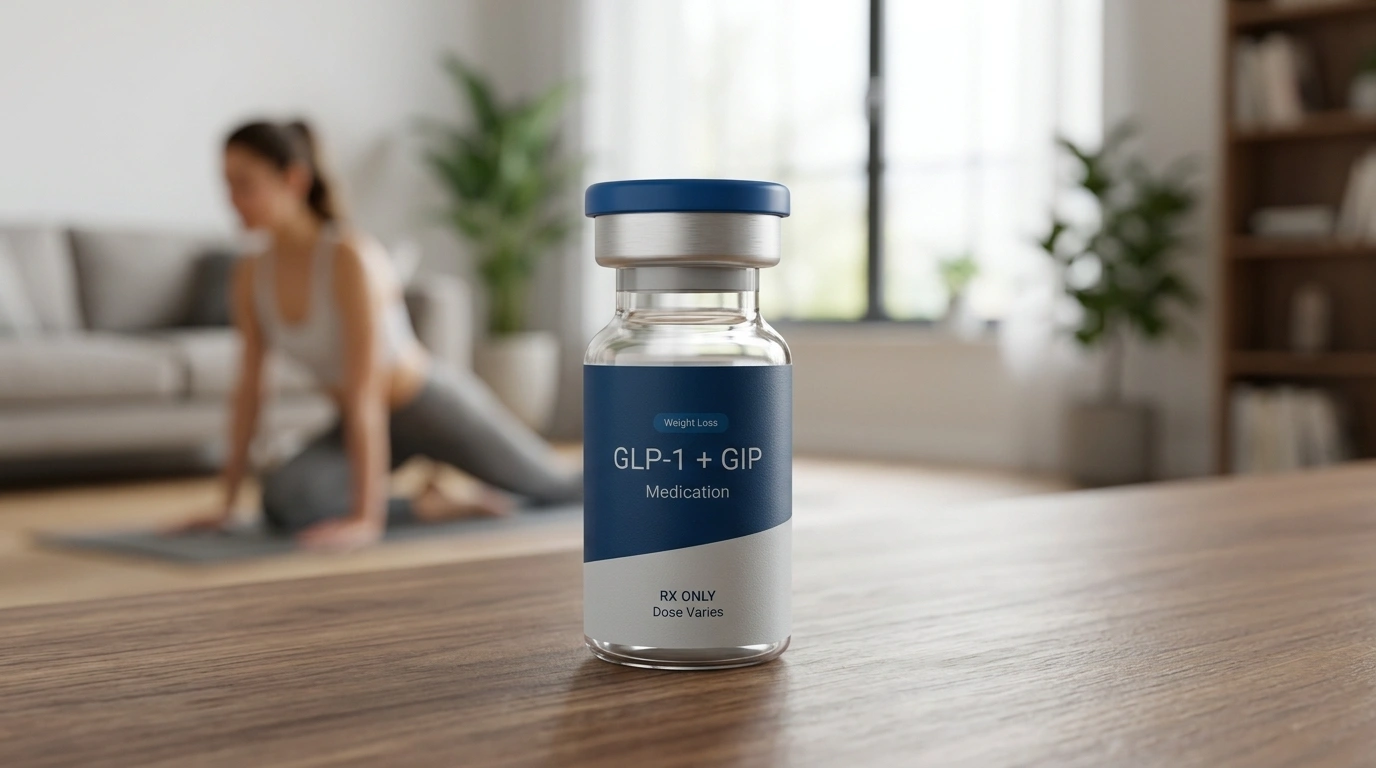
Table of Contents
- Introduction
- How Zepbound® Changes Your Digestion
- The Impact of Carbonation on a Slowed Stomach
- Sugar Content and Metabolic Goals
- What About Diet Soda?
- The Connection to Acid Reflux
- How to Manage the Transition Away from Soda
- Better Alternatives for Hydration
- The Role of Personalized Support
- When to Consult Your Provider
- Conclusion
- FAQ
Introduction
Standing in the beverage aisle or sitting at a restaurant, you might find yourself hesitating over a familiar choice: a crisp, cold soda. When you start a journey with a medication like Zepbound®, your relationship with food and drink often undergoes a significant shift. You may wonder if that bubbly refreshment will interfere with your progress or, more importantly, how your body will react to it. At TrimRx, we believe that understanding the “why” behind dietary choices is the key to sustainable success and comfort during your treatment.
While there is no strict medical rule that forbids drinking soda, the way this medication interacts with your digestive system makes carbonated and sugary drinks a complex choice. This article explores the physiological reasons why soda might cause discomfort, how it impacts your weight loss goals, and how you can navigate these choices while following a personalized program. Our goal is to help you feel empowered to make decisions that support your metabolic health without feeling deprived. If you are exploring whether a personalized prescription program may be appropriate for you, you can complete a free eligibility assessment.
How Zepbound® Changes Your Digestion
To understand why soda might feel different now, it is helpful to look at how the medication works within your body. Zepbound® is a brand name for tirzepatide, a dual-acting medication that mimics two natural hormones: glucagon-like peptide-1 (GLP-1) and glucose-dependent insulinotropic polypeptide (GIP). These hormones play a critical role in how your body processes nutrients and signals fullness to your brain.
One of the primary mechanisms of a GLP-1 and GIP receptor agonist is the slowing of gastric emptying. This means the food and liquid you consume stay in your stomach for a longer duration than they did before you started the medication. While this is excellent for keeping you feeling full and satisfied on smaller portions, it creates a unique environment in your digestive tract. For additional context, review this guide to tirzepatide side effects and digestive changes.
When the “exit door” of your stomach remains closed for longer, anything you put inside it—including the carbon dioxide found in soda—takes more time to move through. This delayed processing is the foundation for many of the common side effects associated with the medication and is the main reason why your favorite beverage might suddenly feel like a burden on your system.
The Impact of Carbonation on a Slowed Stomach
The most immediate issue many people face when drinking soda on Zepbound® is the carbonation itself. Soda is infused with carbon dioxide gas to create those signature bubbles. Under normal circumstances, your stomach processes this gas relatively quickly through burping or passing it into the small intestine.
However, because the medication slows down the movement of your stomach contents, that gas has nowhere to go. It becomes trapped in the upper digestive tract. This can lead to several uncomfortable physical sensations. A related guide on taking Zepbound® with a full stomach also discusses how carbonation may contribute to digestive pressure.
- Significant Bloating: As the gas expands in your stomach, it can cause a visible and painful distension of the abdomen.
- Excessive Burping: Your body may attempt to expel the trapped gas upward, leading to frequent and sometimes uncomfortable burping.
- Increased Nausea: The pressure from the trapped gas can trigger the nausea receptors in your stomach lining, making you feel queasy long after you have finished your drink.
- Abdominal Pressure: A “heavy” feeling in the chest or upper stomach is common when carbonation sits in a stomach that is already full or processing food slowly.
Key Takeaway: Because your stomach empties more slowly while on a GLP-1 medication, the gas from carbonated drinks can become trapped, leading to intense bloating, pressure, and nausea.
Sugar Content and Metabolic Goals
Beyond the physical discomfort of the bubbles, the sugar content in traditional soda presents a challenge to your weight loss and metabolic health goals. Zepbound® is designed to improve insulin sensitivity and help regulate blood sugar levels. Consuming high-sugar beverages can work against these clinical benefits.
Blood Sugar Spikes
Standard sodas are often loaded with high fructose corn syrup or sucrose. When you consume these liquid sugars, they enter the bloodstream rapidly. While the medication helps your body manage these spikes more efficiently than it would otherwise, consistently flooding your system with refined sugar can blunt the effectiveness of the treatment.
Empty Calories and Satiety
One of the greatest benefits of a personalized weight loss program is learning to prioritize nutrient-dense foods that keep you feeling energized. Soda provides “empty calories”—energy with zero nutritional value. Since the medication naturally reduces your appetite, every calorie you consume becomes more important. Filling your limited daily “appetite budget” with liquid sugar can leave you feeling fatigued or lacking the essential proteins and vitamins your body needs to maintain muscle mass during weight loss. These principles also appear in this guide to healthy, sustainable weight loss strategies.
What About Diet Soda?
Many individuals switch to diet or “zero sugar” sodas thinking they are a safer alternative while on a GLP-1 medication. While diet sodas do solve the blood sugar and calorie issue, they are not entirely without risk.
Diet sodas still contain carbonation, meaning the risk of bloating and gas remains exactly the same as with regular soda. Additionally, the artificial sweeteners used in these drinks—such as aspartame, sucralose, or erythritol—can sometimes cause their own set of issues. Some people report that artificial sweeteners increase their cravings for sweet foods or cause mild gastrointestinal upset, which may be magnified when the stomach is processing things more slowly. For broader information about gastrointestinal reactions, see this overview of common tirzepatide injection side effects.
The Connection to Acid Reflux
Acid reflux and heartburn are common side effects for those starting their weight loss journey with GLP-1 medications. Soda is a double-threat when it comes to reflux. First, most sodas are highly acidic, which can irritate the esophageal lining. Second, the carbonation increases internal pressure, which can force stomach acid back up into the esophagus—especially since the food is already sitting in the stomach longer.
If you are already experiencing “heartburn” as you adjust to your medication, avoiding soda is often one of the first lifestyle adjustments a healthcare provider will suggest. You can also read about why tirzepatide may cause nausea for more information about digestive symptoms during treatment.
Quick Answer: You can technically drink soda on Zepbound®, but it is not recommended for most. The carbonation often causes severe bloating and gas due to slowed digestion, and the sugar can hinder your weight loss progress.
How to Manage the Transition Away from Soda
If soda has been a daily habit for you, giving it up entirely might feel daunting. However, many people find that their “taste” for soda naturally diminishes while on the medication. You may find that it tastes overly sweet or that the bubbles feel “too sharp.”
If you choose to try a soda, consider these steps to minimize discomfort:
- Pour it over ice: Letting the soda sit for a few minutes or stirring it can help release some of the carbonation before you drink it.
- Sip slowly: Avoid “gulping” the beverage, which introduces even more air into your digestive system.
- Watch the timing: Try not to drink soda during a large meal when your stomach is already working hard to process solids.
- Listen to your body: If you feel a “full” or “tight” sensation after just a few sips, it is a sign from your body to stop.
Better Alternatives for Hydration
Staying hydrated is vital when you are on a weight loss program. Dehydration can often be mistaken for hunger and can worsen side effects like constipation or fatigue. If you are looking for that “fizz” or a hint of flavor without the discomfort of soda, consider these alternatives. For more guidance, explore this article about hydration and metabolic health during weight loss.
- Flat Water with Fruit: Infusing water with lemon, lime, cucumber, or berries provides flavor without the acid or gas.
- Herbal Teas: Cold-brewed peppermint or ginger tea can actually help soothe the stomach and reduce nausea.
- Diluted Electrolytes: Many people on weight loss medications benefit from electrolyte supplements to maintain energy levels.
- Low-Carbonation Seltzer: If you must have bubbles, some lightly carbonated waters are less aggressive than traditional sodas, though you should still proceed with caution.
The Role of Personalized Support
Navigating dietary changes is one of the most challenging parts of any health journey. This is why a one-size-fits-all approach rarely works. At TrimRx, we focus on providing a platform where you can access personalized programs tailored to your specific health profile and lifestyle needs.
Weight loss is not just about the medication you take; it is about how that medication fits into your life. Whether you are using compounded tirzepatide or another treatment option, having access to a team that understands your challenges—like giving up a favorite drink—makes a significant difference in your long-term success. Through our platform, we connect you with licensed providers who can help you manage side effects and optimize your nutrition as you progress.
Bottom line: While drinking soda is possible, the combination of slowed gastric emptying and carbonated gas often leads to significant physical discomfort, making water or non-carbonated flavored drinks a much better choice for your comfort and goals.
When to Consult Your Provider
While bloating and gas from a soda are usually temporary, it is important to track your symptoms. If you find that you are experiencing persistent vomiting, severe abdominal pain, or an inability to keep liquids down, you should contact a healthcare professional immediately.
When you participate in a medically supervised program, you have the benefit of professional guidance to help you distinguish between a simple dietary reaction and a side effect that requires a dosage adjustment. We recommend keeping a simple log of what you drink and how it makes you feel during the first few weeks of your program. If you are considering medically supervised support, you can find out if you qualify for a personalized program.
Conclusion
The journey toward better metabolic health is a series of small, daily choices. While you can drink soda on Zepbound®, the physical reality of how the medication works often makes it an uncomfortable experience. By slowing down your digestion, the medication asks you to be more mindful of what you consume. Choosing to limit or avoid soda can help you avoid unnecessary bloating, reduce acid reflux, and keep your calorie intake focused on the nutrients that will help you feel your best.
At TrimRx, our mission is to help individuals embrace healthier lifestyles through science, empathy, and a transparent, personalized approach to sustainable weight loss. We are here to support you in making the shifts that lead to a happier, healthier version of yourself.
If you are ready to take the next step in your journey, the best place to start is with our free assessment quiz. This helps determine your eligibility for a personalized program and connects you with the resources you need to reach your goals.
FAQ
Does diet soda still cause bloating on Zepbound®?
Yes, diet soda can still cause significant bloating because it contains carbonation. The carbon dioxide gas is what creates the bubbles, and when your stomach empties slowly due to the medication, this gas can become trapped and cause discomfort regardless of the calorie count. For additional information, review this guide to managing tirzepatide side effects.
Can I drink soda if I am on a compounded version of the medication?
The effects of carbonation and sugar remain the same whether you are taking a branded medication or a version prepared by FDA-registered, inspected compounding pharmacies. Because the active ingredient (tirzepatide) works by slowing gastric emptying, the risk for gas and bloating persists across all forms of the treatment.
Will one soda ruin my weight loss progress?
One soda will not derail your entire journey, but consistent consumption of high-sugar beverages can slow your progress. Liquid calories are easily overconsumed and don’t provide the satiety that solid foods do, which can make it harder to stay within your personalized nutritional goals.
Why does soda taste different since I started my medication?
Many people report changes in taste or “aversion” to certain foods and drinks while on GLP-1 and GIP medications. Highly sweet or heavily carbonated drinks may become less appealing as your body’s metabolic signaling changes, which many find actually helps them naturally transition to healthier hydration habits.
Disclaimer: This content is for informational purposes only and does not constitute medical advice. It is not intended to diagnose, treat, cure, or prevent any disease or condition. Individual results may vary. Always consult a qualified healthcare professional before starting any weight loss program or medication.

Transforming Lives, One Step at a Time
Keep reading

Kids’ Birthday Party on Zepbound
If you have young children, birthday parties are a regular part of life: your own child’s, and the steady stream of classmates’ parties most…
Water Aerobics on Zepbound
For people with painful knees, hips, or backs, water aerobics and pool exercise are often the first kind of exercise that feels possible. The…

New Year’s Eve on Zepbound
New Year’s Eve is built around staying up late. There is usually a big dinner or a party spread, drinks through the evening, champagne…


