Can You Drink Wine on Mounjaro?
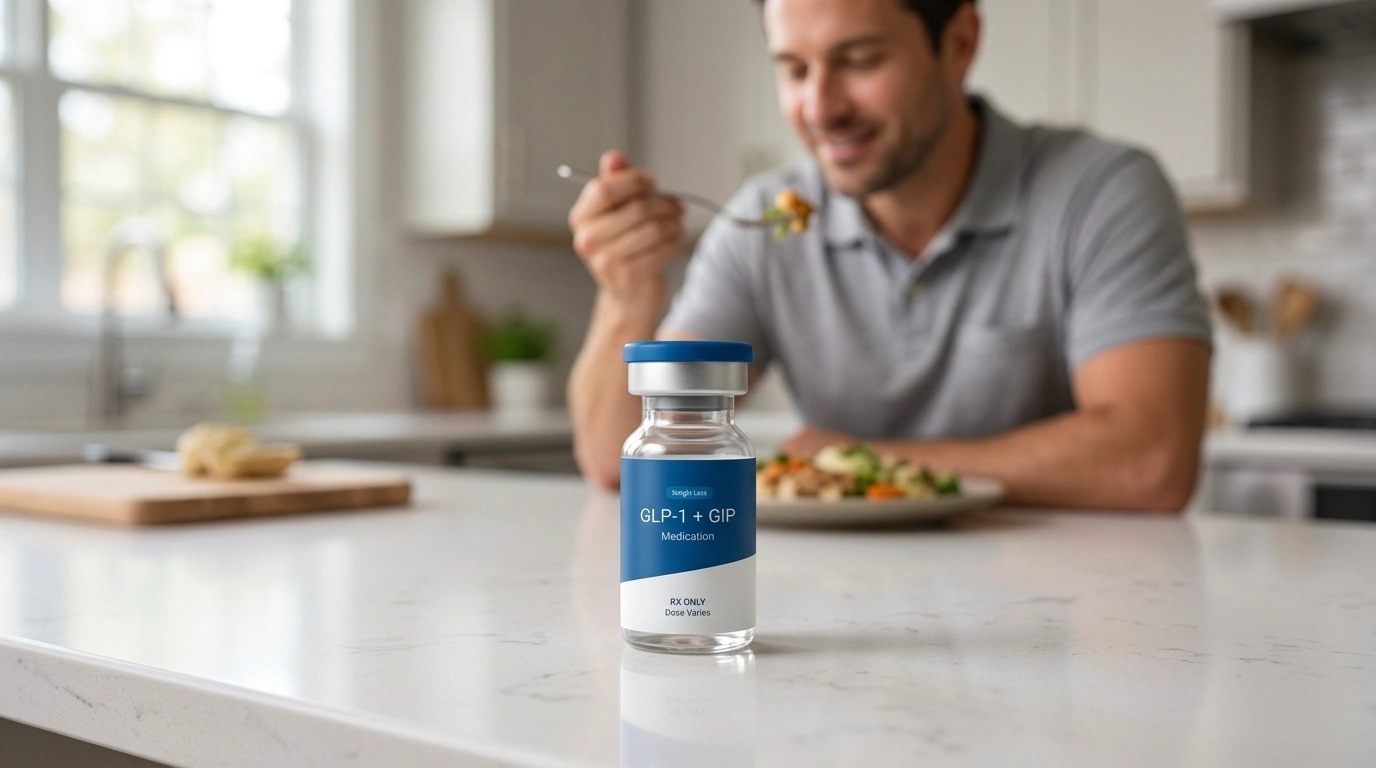
Table of Contents
- Introduction
- How Tirzepatide Interacts With Your Body
- Managing Gastrointestinal Side Effects
- Blood Sugar and Hypoglycemia Risks
- Impact on Weight Loss and Metabolic Goals
- Dehydration and Kidney Health
- The Risk of Pancreatitis
- How to Navigate Wine in Social Settings
- Why a Personalized Program Matters
- Conclusion
- FAQ
Introduction
Standing at a social gathering with a glass of wine in hand can feel different when you are on a medical weight loss journey. If you have recently started a medication like Mounjaro®, you might wonder how your evening glass of Cabernet or Chardonnay fits into your new lifestyle. The short answer is that while there is no absolute ban on alcohol, the interaction between your medication and wine is more complex than a simple yes or no. At TrimRx, we believe that understanding the science behind your treatment is the key to making informed choices that support your long-term health goals.
This post will cover how alcohol interacts with tirzepatide—the active ingredient in Mounjaro®—and what you should watch for to ensure your progress stays on track. We will also discuss managing side effects and how to navigate social settings safely. If you want to see whether a personalized program is a fit, you can take the free assessment quiz.
How Tirzepatide Interacts With Your Body
To understand why wine might affect you differently now, it is helpful to look at how Mounjaro® works. This medication is a dual GIP (glucose-dependent insulinotropic polypeptide) and GLP-1 (glucagon-like peptide-1) receptor agonist. These are naturally occurring hormones in your body that regulate blood sugar and appetite. By mimicking these hormones, the medication helps your pancreas release the right amount of insulin, slows down how quickly your stomach empties, and signals to your brain that you are full.
Because the medication slows gastric emptying—the process by which food and liquid leave your stomach—anything you consume stays in your system longer. This includes wine. For a deeper look at how alcohol and tirzepatide can overlap, see our guide to drinking on tirzepatide.
Key Takeaway: Mounjaro® slows down digestion and changes how your body processes sugar, which directly impacts how you might react to the alcohol and sugar found in wine.
Managing Gastrointestinal Side Effects
The most common side effects of tirzepatide are gastrointestinal in nature. Many individuals experience nausea, indigestion, or a general feeling of fullness. Wine, which is naturally acidic and often high in sugar, can act as a significant trigger for these issues.
Alcohol acts as an irritant to the stomach lining. When combined with a medication that already slows down the digestive tract, even one glass of wine can lead to increased bloating or acid reflux. Some people find that certain types of wine, such as heavy reds or very sweet dessert wines, are more difficult to tolerate than others. If side effects are already a concern, our semaglutide side effects guide offers useful context on what digestive symptoms can look like on a GLP-1.
Nausea can be intensified by alcohol. If you are already managing mild nausea as your body adjusts to your medication, adding alcohol can push that discomfort from manageable to disruptive. It is often recommended to wait until your body has stabilized on a specific dosage before introducing alcohol to see how you respond. For nutritional support during treatment, the GLP-1 Daily Support supplement may be worth exploring.
Quick Answer: You can technically drink wine, but many people find their tolerance is much lower. Alcohol may worsen common side effects like nausea, reflux, and bloating due to slowed stomach emptying.
Blood Sugar and Hypoglycemia Risks
One of the primary functions of Mounjaro® is to help regulate blood glucose levels. It does this by stimulating insulin secretion when blood sugar is high and reducing the amount of sugar the liver produces. Alcohol can complicate this process by interfering with the liver’s ability to release glucose into the bloodstream.
Hypoglycemia, or low blood sugar, is a potential risk. While the risk is generally lower when the medication is used alone compared to when it is used with insulin, alcohol can still cause blood sugar levels to drop unexpectedly. This is especially true if you are drinking wine on an empty stomach or after a period of fasting. Our article on alcohol and Zepbound covers how tirzepatide and alcohol can overlap on blood sugar balance.
The symptoms of low blood sugar can mimic being tipsy. Dizziness, shakiness, and confusion are signs of hypoglycemia but are often mistaken for the effects of the wine itself. This makes it harder to recognize when your body is in distress. If you choose to have a glass of wine, it is vital to do so alongside a meal that contains complex carbohydrates and protein to help stabilize your levels.
Impact on Weight Loss and Metabolic Goals
Beyond the immediate physical reactions, it is important to consider how wine affects your overall progress. Most people start a program with us to achieve sustainable weight loss and improved metabolic health. Wine is a source of “empty calories”—calories that provide little to no nutritional value.
- Caloric density: A standard five-ounce pour of wine contains roughly 120 to 150 calories. If you have multiple glasses a week, these can add up and potentially slow your rate of weight loss.
- Lowered inhibitions: Alcohol can lower your resolve when it comes to food choices. You may find yourself reaching for high-calorie snacks or larger portions that you would otherwise avoid.
- Metabolic priority: When you consume alcohol, your liver prioritizes breaking it down over burning fat or processing other nutrients. This can temporarily stall the fat-burning processes your medication is helping to support.
At TrimRx, our personalized programs emphasize that while perfection isn’t the goal, consistency is. For added energy support during weight loss, the Weight Loss Boost supplement is designed to fit alongside a broader health plan.
Dehydration and Kidney Health
Both alcohol and GLP-1 medications can influence your hydration levels. Mounjaro® can sometimes lead to a decreased drive for thirst, meaning you might forget to drink enough water throughout the day. Alcohol is a diuretic, which means it encourages the body to lose fluids.
Dehydration can worsen medication side effects. When you are dehydrated, feelings of nausea and fatigue become much more pronounced. Severe dehydration also puts unnecessary strain on your kidneys. If you decide to drink wine, the standard rule of thumb is to drink at least one full glass of water for every glass of wine you consume.
Note: If you experience persistent vomiting or diarrhea after drinking alcohol while on medication, consult your healthcare provider immediately to prevent severe dehydration and electrolyte imbalances.
The Risk of Pancreatitis
While rare, there is a known association between GLP-1 medications and an increased risk of pancreatitis, which is inflammation of the pancreas. Heavy alcohol consumption is also a leading cause of pancreatitis. Combining the two could theoretically increase your risk.
Signs of pancreatitis include severe abdominal pain that may radiate to your back, fever, and persistent vomiting. It is a serious medical condition that requires immediate attention. For a broader look at how tirzepatide and alcohol can affect your treatment experience, see our tirzepatide alcohol overview.
How to Navigate Wine in Social Settings
If you choose to continue drinking wine while on your medication, a cautious and mindful approach is best. Everyone’s body reacts differently to the combination of tirzepatide and alcohol.
Step 1: Test the waters at home. Before drinking at a party or restaurant, try having a very small amount of wine at home. This allows you to monitor how your stomach reacts in a controlled environment where you can easily rest if you feel unwell.
Step 2: Choose your wine wisely. Drier wines generally have lower sugar content than sweet or sparkling varieties. Many people find that a dry white wine or a light red is easier on the digestive system than syrupy dessert wines or heavy, tannic reds.
Step 3: Prioritize hydration and nutrition. Never drink wine on an empty stomach. Ensure you have eaten a balanced meal and have been drinking water consistently throughout the day.
Step 4: Listen to your body’s signals. If you take a few sips and feel full or slightly nauseous, stop. The medication changes your reward system, and you may find that you simply don’t enjoy the taste or the feeling of alcohol as much as you used to.
Myth: “I can just skip my dose if I plan on drinking wine this weekend.” Fact: Tirzepatide stays in your system for several days. Skipping a dose will not prevent interactions and can disrupt your treatment progress and blood sugar stability.
Why a Personalized Program Matters
Navigating the nuances of medication, diet, and lifestyle is much easier when you have professional guidance. At TrimRx, we do not just provide access to medications; we provide a platform for comprehensive care. Our telehealth model connects you with licensed providers who can help you understand your body’s specific needs.
Whether you are using branded medications like Mounjaro® or Zepbound®, or exploring options like Compounded Tirzepatide, your treatment should be tailored to your health history. Having a dedicated team means you can ask questions about alcohol, side effects, and nutrition whenever they arise. If you are ready to see whether prescription treatment is the right fit, you can complete the free assessment quiz.
Bottom line: While occasional, moderate consumption of wine may be tolerated by some, it carries risks of increased side effects and can interfere with your weight loss goals. A personalized medical consultation is the best way to determine what is safe for you.
Conclusion
The journey toward better health doesn’t mean you have to lose your social life, but it does require a new level of mindfulness. While you can drink wine on Mounjaro®, doing so requires a careful balance to avoid uncomfortable side effects and ensure you are still moving toward your goals. If alcohol has slowed your progress, our guide to weight loss plateaus on GLP-1s may help explain why.
At TrimRx, our mission is to help individuals embrace healthier lifestyles through science, empathy, and a transparent approach. We provide the tools and medical supervision necessary to navigate these choices with confidence. If you are ready to take the next step in your health journey, our team is here to support you every step of the way, and you can take the free assessment quiz when you are ready.
FAQ
Will drinking wine on Mounjaro make me sick?
It depends on the individual, but many people report increased nausea, heartburn, and bloating when mixing the two. Because the medication slows down your digestion, the alcohol stays in your stomach longer, which can irritate the lining and trigger gastrointestinal distress. It is best to start with a very small amount to see how your body responds.
Does wine slow down weight loss while on Tirzepatide?
Yes, wine can potentially slow your progress because it contains “empty calories” and can lead to lower inhibitions regarding food choices. Additionally, your liver will prioritize processing alcohol over burning fat, which can temporarily stall your metabolic progress. If you want a structured next step, you can take the free assessment quiz to see what a personalized plan may look like.
Can I have a glass of wine to celebrate a special occasion?
Most healthcare providers suggest that an occasional, small glass of wine is acceptable once your body has adjusted to the medication. However, it is important to drink plenty of water, eat a balanced meal beforehand, and monitor yourself for any signs of low blood sugar or severe indigestion. If you are still working through side effects, the GLP-1 Daily Support supplement may offer supportive nutrition alongside your routine.
Is there a specific type of wine that is safer to drink?
While no alcohol is completely “safe” from interactions, dry wines like Sauvignon Blanc or Pinot Noir typically have less sugar than sweet Rieslings or dessert wines. Lower sugar content may help reduce the risk of blood sugar spikes and subsequent crashes. Regardless of the type, moderation remains the most important factor for safety and comfort. If you are trying to keep your energy steady while losing weight, the Weight Loss Boost supplement may be a helpful fit.
Disclaimer: This content is for informational purposes only and does not constitute medical advice. It is not intended to diagnose, treat, cure, or prevent any disease or condition. Individual results may vary. Always consult a qualified healthcare professional before starting any weight loss program or medication.

Transforming Lives, One Step at a Time
Keep reading

Mounjaro Alternatives: What Else to Consider
If Mounjaro isn’t the right fit, the closest alternatives are other GLP-1 medications, chiefly semaglutide (Ozempic for diabetes, Wegovy for weight), along with a…

Mounjaro vs Zepbound: Same Drug, Two Brands
Like their semaglutide counterparts, Mounjaro and Zepbound are the same medication (tirzepatide) sold under two names for two purposes: Mounjaro is approved for type…

Retatrutide vs Mounjaro: Triple Agonist vs Dual Agonist
The core difference between retatrutide and Mounjaro comes down to how many hormone targets each hits: retatrutide activates three receptors, while Mounjaro (tirzepatide) activates…


