Can You Drink Wine While Taking Mounjaro? Safety and Tips
Introduction
Finding a balance between health goals and social life is a common challenge for anyone on a weight loss journey. You might be at a dinner party or a family gathering, wondering if having a single glass of wine will derail your progress or cause an unpleasant reaction with your medication. At TrimRx, we understand that sustainable weight loss is about more than just a prescription; it is about navigating real-world choices with confidence and clarity. If you’re ready to see whether a personalized program fits your goals, take the free assessment quiz.
This article examines the relationship between alcohol and Mounjaro® (tirzepatide), a dual GIP and GLP-1 receptor agonist used for weight management and type 2 diabetes. We will explore how wine affects your body while on this medication, the potential side effects to watch for, and how your weight loss results might be impacted. Our goal is to provide evidence-based guidance so you can make informed decisions while participating in our personalized treatment programs.
Quick Answer: While there is no known direct “toxic” interaction between wine and Mounjaro, drinking alcohol can significantly worsen gastrointestinal side effects and increase the risk of low blood sugar. It is generally recommended to limit consumption or abstain, especially when starting the medication or increasing your dosage.
Understanding the Interaction Between Wine and Mounjaro®
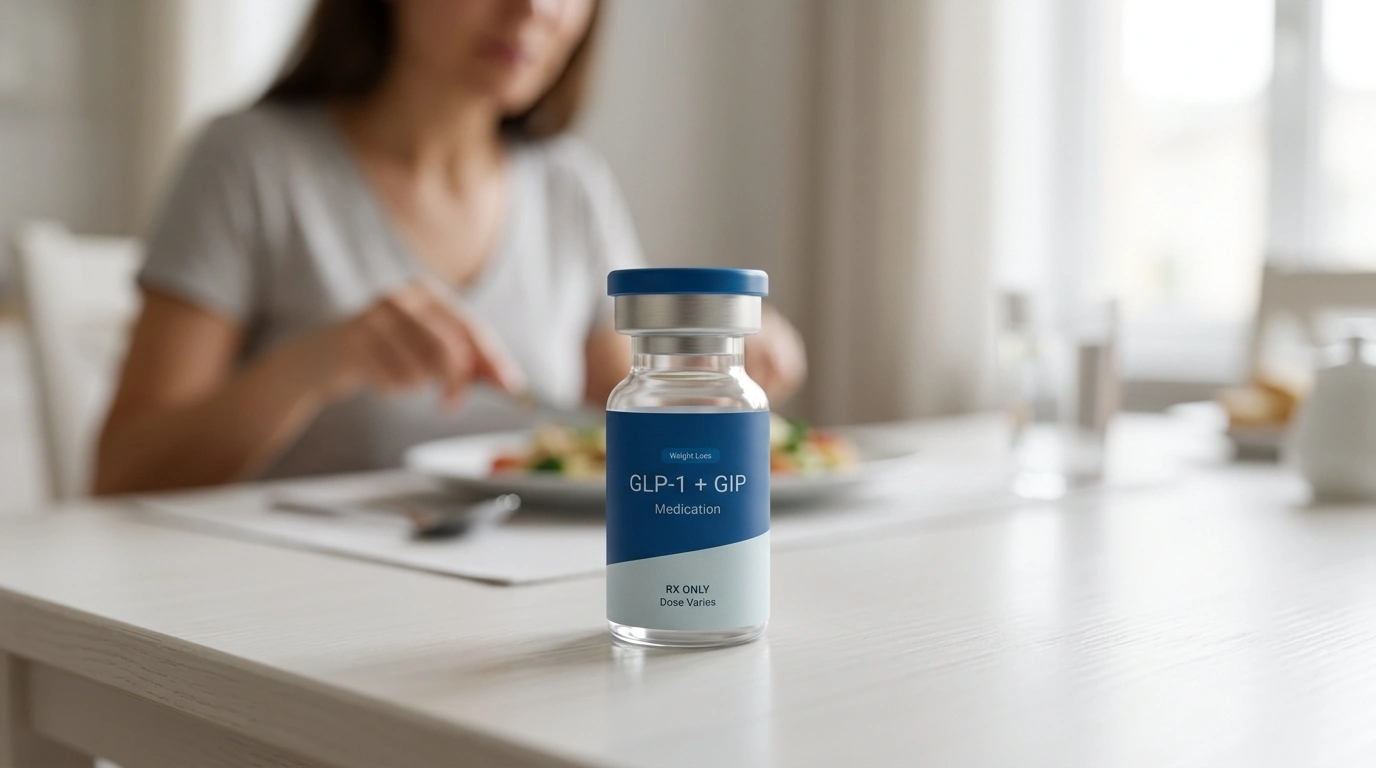
To understand if you can drink wine while taking Mounjaro, you first need to understand how the medication works. Tirzepatide is a receptor agonist, which means it mimics two natural hormones in your body: glucagon-like peptide-1 (GLP-1) and glucose-dependent insulinotropic polypeptide (GIP). These hormones are responsible for telling your brain you are full and helping your pancreas release the right amount of insulin. If you want a deeper primer on the hormone itself, see our GLP-1 explainer.
One of the primary ways this medication works is by slowing down gastric emptying. This is the process by which food (and liquid) moves from your stomach into your small intestine. When you take a medication that slows this process, anything you consume stays in your stomach for a longer period.
When you drink wine, this delay in digestion can change how your body absorbs the alcohol. You might find that the effects of the wine take longer to appear, but then feel much more intense once the alcohol finally enters your bloodstream.
The Role of Blood Sugar Regulation
Both alcohol and GLP-1 medications impact how your body manages glucose (blood sugar). Mounjaro® is designed to lower blood sugar by encouraging insulin secretion when you eat. Alcohol, particularly when consumed in larger amounts or on an empty stomach, can actually prevent your liver from releasing stored glucose into your blood.
When these two factors combine, the risk of hypoglycemia (dangerously low blood sugar) increases. For individuals with type 2 diabetes, this is a critical safety concern. Even for those using the medication solely for weight loss, low blood sugar can lead to dizziness, confusion, and fainting.
Potential Side Effects of Combining Alcohol and Mounjaro®
Many people find that their tolerance for alcohol changes significantly after starting a GLP-1 or GIP medication. Even a single glass of wine can sometimes lead to a “hangover” feeling much sooner than expected.
Gastrointestinal Distress
The most common side effects of Mounjaro® involve the digestive system. These include nausea, vomiting, diarrhea, and stomach pain. Alcohol is a known irritant to the lining of the stomach and can also cause nausea and digestive upset. If nausea is already a concern, our nausea management guide is a helpful companion read.
Combining the two often intensifies these symptoms. Because your stomach is emptying more slowly, the wine sits in your stomach longer, increasing the likelihood of acid reflux, heartburn, and persistent nausea.
Dehydration Risks
Alcohol is a diuretic, meaning it encourages your body to lose fluids through urine. Many patients on weight loss medications already struggle with staying hydrated because the medication suppresses thirst cues along with hunger cues. For a closer look at why hydration matters during treatment, see our hydration and metabolism guide.
If you experience vomiting or diarrhea as a side effect of the medication and then add the dehydrating effects of wine, you run the risk of severe dehydration. This can put unnecessary strain on your kidneys and lead to extreme fatigue and headaches.
Increased Sensitivity and “The Wall”
Many people report hitting a “wall” after just a few sips of wine. You may feel intoxicated more quickly, or conversely, you may feel nothing for an hour and then suddenly feel overwhelmed by the effects of the alcohol. This unpredictable absorption makes it very difficult to gauge your limit safely.
Key Takeaway: Combining wine and GLP-1 medications can create a “double hit” on your digestive system, leading to worsened nausea and a higher risk of dehydration.
Impact on Your Weight Loss Progress
Even if you do not experience severe side effects, there is the question of how wine affects your actual weight loss results. Success with a TrimRx program relies on maintaining a caloric deficit and supporting your metabolic health. If you want extra metabolic support while your appetite is lower, the Weight Loss Boost supplement can fit that role.
The Problem of Empty Calories
Wine is high in “empty calories,” meaning it provides energy but no significant vitamins, minerals, or protein. A standard five-ounce glass of dry wine contains roughly 120 to 125 calories. If you have two glasses, you have added 250 calories to your day. Over the course of a week, a nightly glass of wine can easily account for nearly 1,000 calories, which may be enough to stall your progress entirely.
Metabolism and Fat Burning
When you consume alcohol, your body views it as a toxin that needs to be cleared. Your liver prioritizes breaking down the alcohol over almost every other metabolic process, including burning fat. While your body is busy processing the wine, your fat-loss journey essentially goes on “pause.” For those working hard to see changes on the scale, this metabolic delay can be frustrating.
Lowered Inhibitions and Food Choices
Alcohol is well-known for lowering inhibitions. Mounjaro® works by reducing “food noise”—those constant, intrusive thoughts about eating. However, alcohol can override the medication’s ability to help you make disciplined choices. After a glass or two of wine, you may find yourself reaching for high-calorie, high-fat snacks that you would normally avoid. If you want to understand that appetite shift more deeply, our food noise guide is a useful next read. This can lead to overeating and physical discomfort, as your slowed digestion cannot handle a sudden influx of heavy food.
Bottom line: While wine may not stop the medication from working, it adds extra calories and can trigger cravings that work against your weight loss goals.
The “GLP-1 Effect”: Why You Might Not Even Want Wine
Interestingly, many patients report a surprising side effect: they simply lose the desire to drink. Recent research suggests that GLP-1 and GIP medications may interact with the reward centers in the brain.
Normally, drinking wine releases dopamine, creating a feeling of pleasure or relaxation. However, these medications may “turn down the volume” on that reward signal. Many people find that wine no longer tastes the same, or they simply do not get the same “buzz” or enjoyment from it.
If you find yourself naturally losing interest in your evening glass of wine, this is a common experience. It can actually be a helpful tool in your weight loss journey, as it naturally reduces your caloric intake without making you feel like you are “missing out.”
Myth: You need to force yourself to drink socially while on Mounjaro. Fact: Many users find they naturally lose the “craving” for alcohol, making it much easier to skip the drink entirely.
Tips for Drinking Wine Safely on Mounjaro®
If you decide to enjoy a glass of wine while on your program, doing so mindfully can help reduce the risk of side effects. We recommend the following steps to ensure you stay safe and comfortable.
Step 1: Prioritize Hydration
Before you have a sip of wine, drink at least 16 ounces of water. For every glass of wine you consume, follow it with another full glass of water. This helps combat the diuretic effects of the alcohol and keeps your digestive system moving.
Step 2: Never Drink on an Empty Stomach
Because Mounjaro® lowers your blood sugar, drinking on an empty stomach is a recipe for hypoglycemia. Ensure you have a meal containing protein and complex carbohydrates before having wine. This helps stabilize your blood sugar and provides a “buffer” for your stomach lining.
Step 3: Start with a Small Pour
Your tolerance is likely much lower than it used to be. Start with half a glass of wine and wait at least 30 to 45 minutes to see how you feel. If you feel any hint of nausea or dizziness, stop drinking immediately.
Step 4: Choose Dry, Low-Sugar Wines
Sugar can worsen the gastrointestinal side effects of GLP-1 medications and contribute to “dumping syndrome” or rapid fluctuations in blood sugar. Opt for very dry wines like:
- Sauvignon Blanc
- Pinot Grigio
- Cabernet Sauvignon
- Pinot Noir Avoid sweet dessert wines, Rieslings, or wine-based cocktails with sugary mixers.
Step 5: Monitor Your Dosing Schedule
The side effects of Mounjaro® are often most intense in the 24 to 48 hours following your weekly injection. If you plan to have a glass of wine, it may be better to do so toward the end of your “dose week,” when the medication levels in your bloodstream are at their lowest and your side effects have subsided.
Note: If you have recently increased your dosage, wait at least a week before consuming any alcohol to see how your body adjusts to the new strength.
When to Avoid Alcohol Entirely
There are certain situations where we strongly advise avoiding wine and all other alcoholic beverages. Safety is always the priority in our personalized programs.
- During the Onboarding Phase: If you have just started your program, your body is going through significant metabolic shifts. Give yourself at least four weeks of sobriety to understand how the medication affects your energy, mood, and digestion.
- If You Have a History of Pancreatitis: Both GLP-1 medications and heavy alcohol use are linked to an increased risk of pancreatitis (inflammation of the pancreas). If you have ever had this condition, alcohol should be avoided entirely.
- If You Experience Persistent Nausea: If the medication is already making you feel unwell, adding wine will almost certainly lead to vomiting and further distress.
- If You Have Kidney Issues: Because of the high risk of dehydration, those with pre-existing kidney concerns must be extremely cautious.
Important: Always consult with your healthcare provider about your alcohol consumption habits. If you are unsure whether a personalized program is appropriate, take the free assessment quiz. They can provide personalized advice based on your medical history and current health markers.
How TrimRx Supports Your Lifestyle Choices
At TrimRx, we believe that weight loss should fit into your life, not the other way around. Our telehealth-first platform is designed to give you the tools you need to succeed, including access to licensed providers who can answer your specific questions about lifestyle choices like drinking wine. For readers interested in longer-term treatment planning, our long-term tirzepatide guide is a useful next step.
When you join our program, you are not just getting a prescription. You are getting a comprehensive support system. Whether you are prescribed Compounded Semaglutide, Compounded Tirzepatide, or one of the branded options like Zepbound® or Wegovy®, our team is here to help you navigate side effects and optimize your results.
Our personalized approach means we look at your whole health profile. If you find that side effects are making it difficult to enjoy your life, your provider can help adjust your plan. We also offer quick-access supplements like GLP-1 Daily Support supplement to help manage common hurdles like digestive discomfort or nutrient gaps.
Finding New Social Rituals
If you find that wine no longer fits into your life while taking Mounjaro®, it can be a great opportunity to explore new social rituals. Many of our patients find success with:
- Sparkling water with fresh lime or cucumber.
- Herbal iced teas with a splash of pomegranate juice.
- “Mocktails” made with bitters and club soda (check for sugar content).
- Focusing social gatherings around activities like walking, bowling, or visiting galleries rather than sitting at a bar.
Sustainable weight loss is about finding what works for your body today. If wine makes you feel unwell or slows your progress, it may be worth taking a break until you reach your goal weight and transition to a maintenance phase.
Conclusion
The short answer to whether you can drink wine while taking Mounjaro® is yes, but with significant caveats. While there is no direct chemical interaction that makes the combination inherently “poisonous,” the practical reality is that alcohol often makes the weight loss journey harder and more uncomfortable. Between the increased risk of nausea, the potential for low blood sugar, and the added empty calories, wine is best enjoyed in strict moderation, if at all.
Our mission at TrimRx is to help you embrace a healthier lifestyle through science and empathy. We provide the medical supervision and high-quality treatments needed for lasting change, all delivered through a transparent, online platform. By listening to your body and making mindful choices about things like alcohol, you set yourself up for the best possible outcome.
If you are ready to see how a personalized program can help you reach your goals, your journey starts with our assessment. Take the free assessment quiz today to see which program is right for your unique health profile.
FAQ
Does wine make Mounjaro less effective for weight loss?
Wine does not directly stop the medication from working on a cellular level, but it can counteract the results. Alcohol contains empty calories and can slow your metabolism, while also lowering your inhibitions, which may lead to overeating and stalling your weight loss progress.
Why do I feel sick after just one glass of wine on this medication?
Mounjaro® slows down your gastric emptying, meaning the wine stays in your stomach longer and can irritate the lining. Additionally, the medication already causes gastrointestinal side effects like nausea, and alcohol can significantly intensify these feelings.
Can I drink wine if I have type 2 diabetes and take Mounjaro?
You must be extremely cautious, as both the medication and alcohol can lower your blood sugar. This combination increases the risk of hypoglycemia, which can be dangerous. Always discuss your alcohol consumption with your doctor and monitor your blood sugar levels closely if you choose to drink. If you want help deciding whether a personalized program is a fit, take the free assessment quiz and review your history with a provider.
Is there a “best” type of wine to drink while on a GLP-1 program?
If you choose to drink, opt for dry wines with the lowest possible sugar content, such as a dry Sauvignon Blanc or a Pinot Noir. Avoid sweet wines, sparkling wines with high dosage (sugar), and cocktails, as sugar can worsen digestive side effects.
Disclaimer: This content is for informational purposes only and does not constitute medical advice. It is not intended to diagnose, treat, cure, or prevent any disease or condition. Individual results may vary. Always consult a qualified healthcare professional before starting any weight loss program or medication.

Transforming Lives, One Step at a Time
Keep reading

Mounjaro Alternatives: What Else to Consider
If Mounjaro isn’t the right fit, the closest alternatives are other GLP-1 medications, chiefly semaglutide (Ozempic for diabetes, Wegovy for weight), along with a…

Mounjaro vs Zepbound: Same Drug, Two Brands
Like their semaglutide counterparts, Mounjaro and Zepbound are the same medication (tirzepatide) sold under two names for two purposes: Mounjaro is approved for type…

Retatrutide vs Mounjaro: Triple Agonist vs Dual Agonist
The core difference between retatrutide and Mounjaro comes down to how many hormone targets each hits: retatrutide activates three receptors, while Mounjaro (tirzepatide) activates…


