Can You Eat Avocado on Mounjaro? Healthy Fat Tips
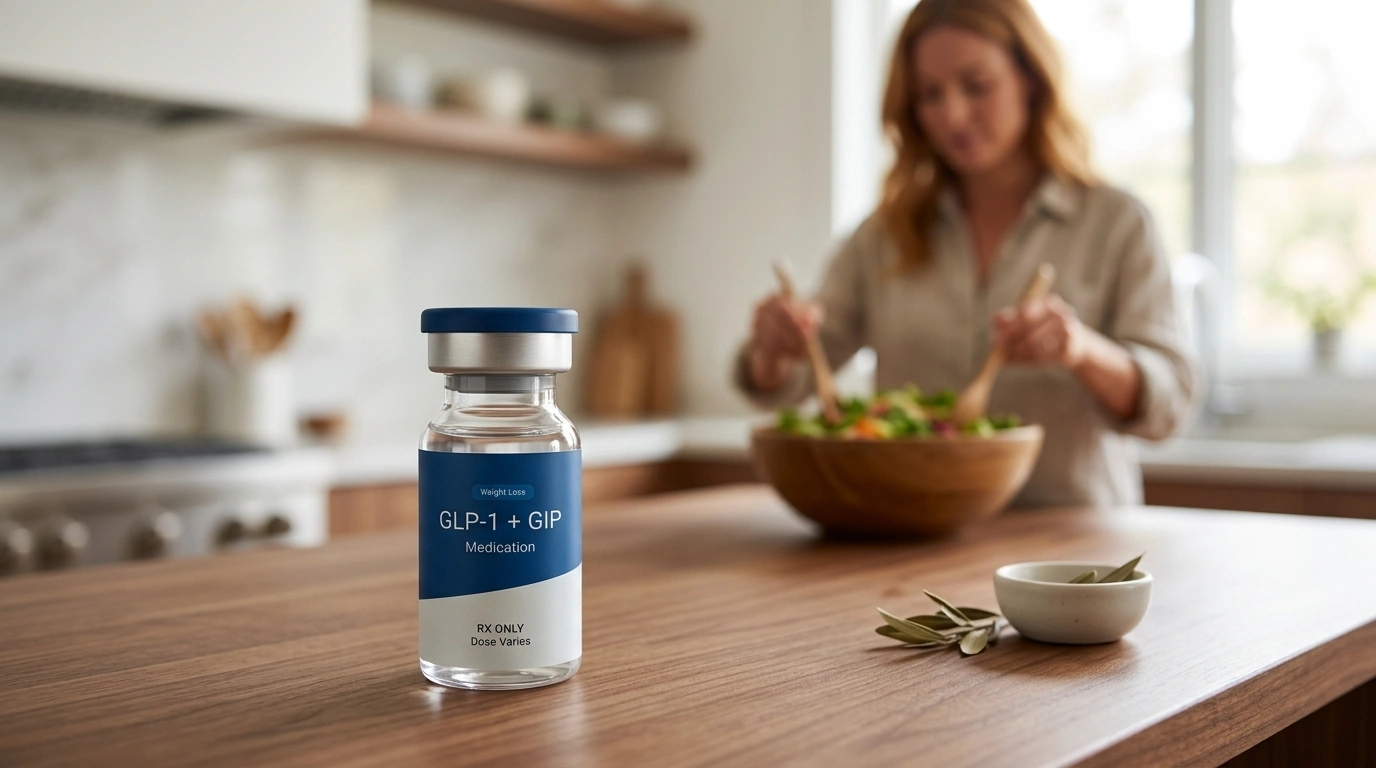
Table of Contents
- Introduction
- How Mounjaro® Changes Your Digestion
- Is Avocado Allowed on Your Weight Loss Journey?
- Managing Potential Side Effects
- Best Practices for Eating Avocado on Mounjaro®
- Avocado vs. Other Fat Sources
- The Role of Fiber in Your Journey
- Common Myths About Fats and Weight Loss Medications
- When to Consult Your Provider
- Building a Sustainable Eating Pattern
- Strategies for Integrating Avocado into Meals
- Conclusion
- FAQ
Introduction
Starting a weight loss journey with a medication like Mounjaro® often leads to many questions about what belongs on your plate. You might find yourself staring at a grocery store shelf, wondering if your favorite “healthy fats” will still agree with your body. Many individuals transitioning to medical weight loss find that their digestion changes significantly, making once-favorite foods feel different. If you’re new to the science behind these medications, our What Is GLP-1? breakdown is a helpful place to start. At TrimRx, we believe that understanding the relationship between your nutrition and your medication is the key to long-term success and comfort. This post covers the safety of eating avocado while on tirzepatide, how it interacts with your digestion, and how to manage your portions for the best results. While avocado is a nutrient-dense superfood, its high fat content requires a strategic approach when your digestion is slowed by medication.
How Mounjaro® Changes Your Digestion
To understand why a food like avocado matters, it is important to understand how Mounjaro® works in the body. This medication is a dual-acting treatment that mimics two natural hormones: glucagon-like peptide-1 (GLP-1) and glucose-dependent insulinotropic polypeptide (GIP). These hormones are receptor agonists, which means they bind to specific receptors in your body to trigger certain responses.
One of the primary ways these medications support weight loss is by slowing down gastric emptying. This is the medical term for the speed at which food leaves your stomach and enters your small intestine. When this process slows down, you feel fuller for a longer period of time, which helps reduce overall calorie intake. However, this delayed digestion also means that foods stay in your stomach longer.
Because fats naturally take longer to digest than carbohydrates or proteins, eating high-fat foods—even healthy ones like avocado—can sometimes lead to a “backup” in the digestive tract. This is why some people experience symptoms like bloating or nausea when they consume rich foods. For a deeper look at how this shows up with treatment, see our guide to tirzepatide side effects and how to manage them. We often see that a personalized approach to meal timing and portioning helps our members navigate these changes effectively.
Key Takeaway: Mounjaro® slows down your digestion to help you feel full, which means high-fat foods like avocado stay in your stomach longer than they used to.
Is Avocado Allowed on Your Weight Loss Journey?
The short answer is yes, you can absolutely eat avocado while taking Mounjaro®. In fact, avocado is one of the most nutrient-dense foods you can include in a balanced diet. It is packed with monounsaturated fats, which are heart-healthy fats that support cardiovascular wellness.
However, the “how” and “when” of eating avocado become more important when you are on a medication that affects your metabolic rate and digestion. While some diets suggest avoiding high-fat foods entirely to prevent side effects, we advocate for a more nuanced approach. Instead of cutting out healthy fats, the goal is to integrate them in a way that supports your energy levels without overtaxing your digestive system.
The Nutritional Benefits of Avocado
Avocado offers several benefits that can actually support your weight loss goals when used correctly:
- Potassium: Many people on weight loss medications need to keep a close eye on their electrolytes. Avocado is a powerhouse of potassium, which supports muscle function and hydration.
- Fiber: Constipation is a common side effect of GLP-1 and GIP medications. Avocado provides a significant amount of dietary fiber, which can help keep things moving through the digestive tract.
- Satiety: The healthy fats in avocado can help you feel more satisfied after a meal, reducing the urge to snack on processed foods later in the day.
Managing Potential Side Effects
While avocado is healthy, its high fat and fiber content can occasionally clash with the slowed digestion caused by your medication. If you eat a large amount of avocado at once, you may experience specific gastrointestinal (GI) symptoms.
Nausea and Fullness Because fats are the last things to leave the stomach, an avocado-heavy meal might sit in your stomach for several hours. This can lead to a feeling of intense fullness that eventually turns into nausea. If nausea is your biggest concern, our GLP-1 nausea management guide explains practical ways to stay more comfortable. This is especially common in the first few days after your weekly injection when the medication is at its peak concentration in your system.
Bloating and Gas The fiber in avocado is excellent for long-term gut health, but if your body isn’t used to high fiber—or if the fiber is sitting in your stomach longer than usual—it can ferment slightly, leading to gas and bloating.
Acid Reflux Foods that stay in the stomach longer increase the pressure on the lower esophageal sphincter. For some individuals, this results in heartburn or acid reflux, particularly if they eat avocado close to bedtime.
If you need extra nutritional support while your appetite is lower, GLP-1 Daily Support is designed for people looking for a simple supplement routine during treatment.
Quick Answer: Yes, you can eat avocado on Mounjaro®, but it is best to start with small portions, such as one-quarter of a fruit, to see how your stomach handles the healthy fats and high fiber content.
Best Practices for Eating Avocado on Mounjaro®
If you want to keep avocado in your diet while using our personalized programs, we recommend following a few simple steps to ensure you stay comfortable.
Step 1: Start with Small Portions
Instead of eating a whole avocado or a large bowl of guacamole, start with a thin slice or two. A standard serving for someone on a GLP-1 medication might be just one-quarter of an avocado. This allows you to get the nutritional benefits without overwhelming your stomach.
Step 2: Mind Your Timing
Try to eat your healthy fats earlier in the day. Avoid consuming avocado in the three to four hours before you plan to go to sleep. Giving your body plenty of upright time to begin the digestion process can significantly reduce the risk of nighttime acid reflux.
Step 3: Pair with Lean Protein
Pairing avocado with a lean protein, like grilled chicken or turkey, can help balance the meal. Protein is essential for maintaining muscle mass during weight loss, and the small amount of fat from the avocado can help your body absorb fat-soluble vitamins from your vegetables.
Step 4: Listen to Your Body’s Cues
The “fullness” signals you receive while on Mounjaro® are much stronger than they were before. If you find that you are halfway through a meal containing avocado and you feel a sense of pressure or mild “ick” in your stomach, stop eating. It is better to save the rest for later than to push through and feel ill for the next few hours.
Avocado vs. Other Fat Sources
When we look at the dietary choices available to those on a medical weight loss program, not all fats are created equal. One of the reasons we encourage avocado in moderation is that it is a whole-food source of fat.
Saturated and Trans Fats Fried foods, heavy creams, and fatty meats are often much harder for the body to process while on medication. These “heavy” fats are more likely to trigger severe nausea and diarrhea compared to the monounsaturated fats found in avocados or olive oil.
Monounsaturated Fats The fats in avocados are generally better tolerated by the digestive system than the fats found in a fast-food burger. However, because they are still fats, they must be managed with care.
Bottom line: Choosing whole-food fat sources like avocado is always preferable to processed fats, but portion control remains the most important factor for digestive comfort.
The Role of Fiber in Your Journey
Fiber is a double-edged sword when you are using weight loss medications. On one hand, it is your best defense against the constipation that often accompanies these treatments. On the other hand, too much fiber too fast can cause significant discomfort.
A single avocado contains about 10 to 13 grams of fiber. For many people, that is nearly half of their daily requirement. When your stomach is moving slowly, that fiber stays in the digestive tract longer. If you are experiencing constipation, a small amount of avocado might help. However, if you are already feeling bloated, adding more fiber might worsen the sensation.
For more detail on what can help when fiber and hydration need to work harder, see our post on GLP-1 constipation strategies. If you find that your digestion needs additional support beyond what whole foods can provide, we offer options like Weight Loss Boost to help support your routine during treatment.
Common Myths About Fats and Weight Loss Medications
There is a lot of misinformation online regarding what you “can” and “cannot” eat while on Mounjaro® or similar medications like Zepbound® (another brand of tirzepatide).
Myth: You must follow a low-fat diet to avoid getting sick. Fact: You don’t need to eliminate all fats, but you do need to be selective. Healthy fats are necessary for brain health and hormone production. The key is choosing the right fats and limiting the quantity.
Myth: Avocado will stop the medication from working. Fact: No food “stops” the medication from working. However, eating very high-calorie, high-fat meals frequently can slow down your weight loss progress by offsetting the calorie deficit created by the medication’s appetite suppression.
If constipation has become one of your biggest concerns, this GLP-1 constipation remedies guide can help you think through practical next steps.
When to Consult Your Provider
While dietary adjustments can solve most issues with avocado and other fats, it is important to stay in touch with your healthcare team. If you find that you cannot tolerate even small amounts of healthy fats without severe vomiting, persistent pain, or extreme bloating, you should reach out to a professional.
At TrimRx, our platform connects you with licensed providers who can help you adjust your dosage or offer clinical guidance if your side effects become unmanageable. We believe that weight loss should not be a struggle against your own body; it should be a supported transition to a healthier lifestyle.
Building a Sustainable Eating Pattern
The ultimate goal of using medications like Mounjaro® is to build habits that last a lifetime. This includes learning how to enjoy nutrient-dense foods like avocado in a way that respects your body’s new boundaries.
Instead of viewing the dietary restrictions as a list of “forbidden” items, try to see them as a way to fine-tune your nutrition. When you prioritize lean proteins, fiber-rich vegetables, and controlled portions of healthy fats, you are providing your body with the fuel it needs to lose weight safely and maintain muscle mass.
For many of our members, the journey starts with a simple assessment. If you want a clearer next step, you can take the free assessment quiz and see whether a personalized weight loss program is the right fit for you. If you are still refining your food choices, our GLP-1 diet guide is a helpful companion piece.
Strategies for Integrating Avocado into Meals
If you are a fan of avocado and want to keep it in your routine, consider these “Mounjaro®-friendly” ways to serve it:
- Avocado Toast (Light): Use one slice of whole-grain toast and spread only two tablespoons of mashed avocado. Top with an egg for protein.
- Smoothie Booster: Add a very small wedge of avocado to a protein shake. It adds creaminess without the heavy volume of a solid meal.
- Salad Garnish: Instead of using a heavy, oil-based dressing, use a few small cubes of avocado to provide that “creamy” texture to your greens.
- Taco Topping: Skip the cheese and sour cream on your chicken tacos and use a small amount of fresh avocado instead. This swaps processed fats for whole-food fats.
If you’re comparing how different digestive symptoms show up on treatment, our article on tirzepatide bloating offers another useful perspective.
By focusing on these small, intentional additions, you can enjoy the flavor and health benefits of avocado without the risk of an upset stomach.
Conclusion
Navigating your diet on Mounjaro® is all about balance and listening to your body’s signals. Avocado is a nutrient-dense food that offers essential healthy fats, potassium, and fiber, making it a valuable addition to your weight loss journey. However, because the medication slows your digestion, it is vital to practice portion control and be mindful of how your body reacts to higher fat content.
At TrimRx, we are dedicated to providing a science-backed, empathetic approach to weight loss. We know that every individual’s body responds differently to medication and nutrition, which is why we emphasize personalized care and constant support. Our mission is to help you reach your goals through a program that fits your unique lifestyle, combining modern telehealth with clinical expertise.
Key Takeaway: You can enjoy avocado while on weight loss medication, but smaller portions and careful timing are essential to prevent digestive discomfort.
If you are ready to take the next step in your health journey, the best way to start is by completing our free assessment quiz. This helps us understand your needs and match you with a program designed for your success.
FAQ
Can I eat guacamole while taking Mounjaro®?
Yes, you can eat guacamole, but you should be very careful with the portion size and what you pair it with. Instead of fried tortilla chips, which add more heavy fat, try dipping raw vegetables like cucumbers or bell peppers into a small serving (2-3 tablespoons) of guacamole.
Why does avocado make me feel so full on this medication?
Avocado is high in monounsaturated fats and fiber, both of which take a long time to break down in the stomach. Since Mounjaro® already slows your gastric emptying, the avocado stays in your stomach significantly longer than it would normally, creating a prolonged sensation of fullness or even nausea.
Will eating avocado help with the constipation caused by Mounjaro®?
Avocado is a good source of dietary fiber, which can help support regular bowel movements. However, if you are already experiencing significant backup, you should also focus on high water intake and perhaps a dedicated supplement, as fiber alone can sometimes cause more bloating if the digestive tract is very slow.
Is it better to eat avocado in the morning or evening while on weight loss meds?
It is generally better to eat avocado and other fats earlier in the day, such as at breakfast or lunch. This gives your body more time to digest the fats before you lie down for sleep, which can help prevent acid reflux and nighttime indigestion.
Disclaimer: This content is for informational purposes only and does not constitute medical advice. It is not intended to diagnose, treat, cure, or prevent any disease or condition. Individual results may vary. Always consult a qualified healthcare professional before starting any weight loss program or medication.

Transforming Lives, One Step at a Time
Keep reading

Mounjaro Alternatives: What Else to Consider
If Mounjaro isn’t the right fit, the closest alternatives are other GLP-1 medications, chiefly semaglutide (Ozempic for diabetes, Wegovy for weight), along with a…

Mounjaro vs Zepbound: Same Drug, Two Brands
Like their semaglutide counterparts, Mounjaro and Zepbound are the same medication (tirzepatide) sold under two names for two purposes: Mounjaro is approved for type…

Retatrutide vs Mounjaro: Triple Agonist vs Dual Agonist
The core difference between retatrutide and Mounjaro comes down to how many hormone targets each hits: retatrutide activates three receptors, while Mounjaro (tirzepatide) activates…


