Can You Eat Onions on Mounjaro? Healthy Diet Tips
Introduction
Starting a new weight loss journey often brings a wave of questions about what is actually allowed on your plate. You might find yourself standing in the produce aisle, holding a bag of onions, and wondering if this kitchen staple will help or hinder your progress. Navigating these dietary choices is a vital part of the process, especially when using advanced medications like Mounjaro®. At TrimRx, we believe that understanding the relationship between your food and your treatment plan is the key to sustainable success. If you’re wondering whether prescription support is a fit for you, you can take the free assessment quiz to get started. In this article, we will answer the specific question of whether onions are a safe addition to your meals and how to optimize your nutrition for the best possible results. Ultimately, onions are a healthy, non-starchy vegetable that fits well into most metabolic health programs, though there are a few digestive considerations to keep in mind.
What Is Mounjaro® and How Does It Work?
To understand how specific foods like onions affect your body, it is helpful to first understand how your medication functions. Mounjaro® is a brand-name injectable prescription medication that contains the active ingredient tirzepatide. It is primarily used to improve blood sugar control in adults with type 2 diabetes, though it is frequently prescribed for weight management because of its significant impact on appetite and metabolic function.
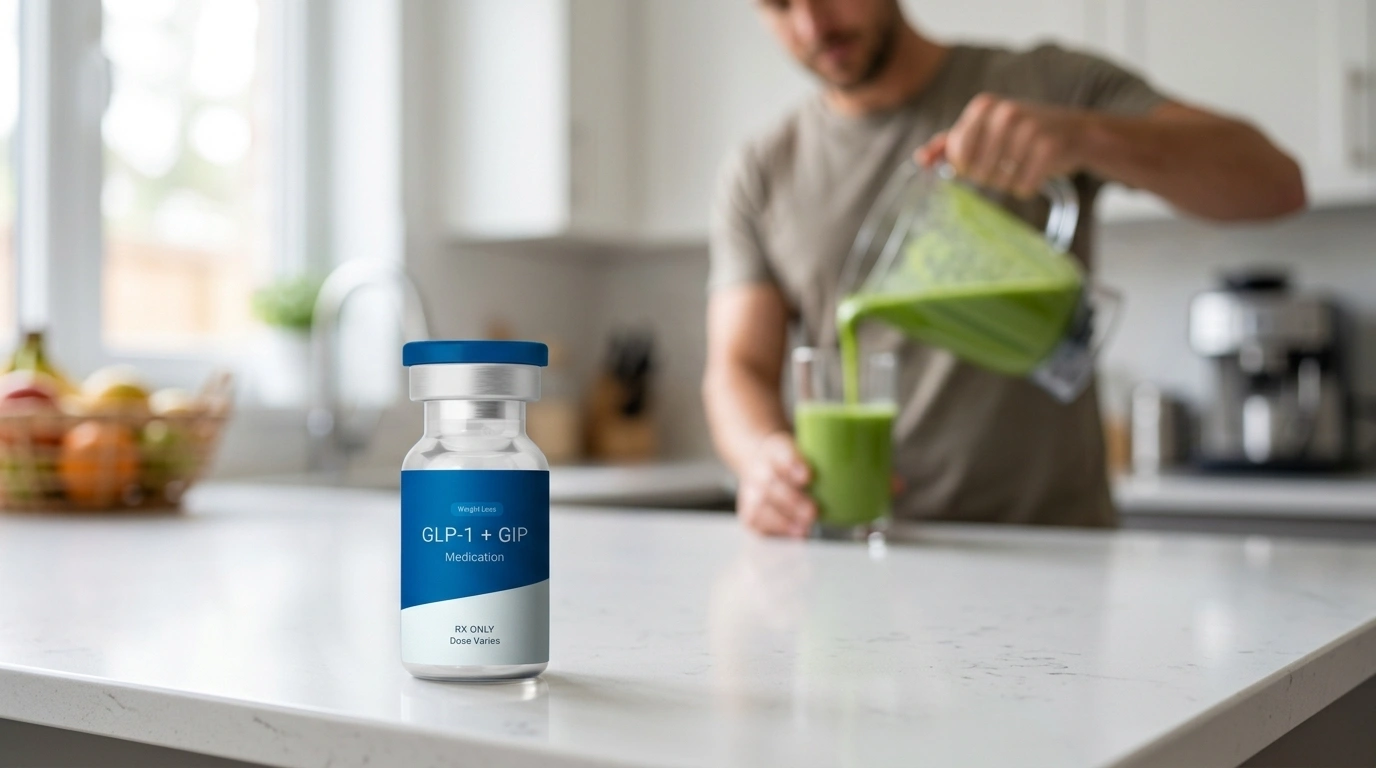
Tirzepatide is a unique medication because it is a dual agonist. This means it acts on two different hormone receptors in the body: glucagon-like peptide-1 (GLP-1) and glucose-dependent insulinotropic polypeptide (GIP). Both of these hormones are naturally produced in the gut and play a massive role in how we process food. For a deeper look at that mechanism, our guide to how GLP-1 works in weight management breaks it down clearly.
The Role of GLP-1 and GIP
The GLP-1 component helps your pancreas release the right amount of insulin when your blood sugar is high. It also slows down the rate at which your stomach empties, a process known as gastric emptying. When food stays in your stomach longer, you feel full for a greater duration, which naturally reduces the amount of food you consume.
The GIP component works alongside GLP-1 to improve how your body breaks down sugar and fats. Together, these two pathways help regulate your metabolism and signal to your brain that you are satisfied. Because the medication changes the speed of your digestion, the foods you choose can either support this process or lead to temporary discomfort. If you want more context on the broader category, how GLP-1 helps you lose weight is a helpful companion read.
Can You Eat Onions on Mounjaro®?
The short answer is yes. You can absolutely eat onions while taking Mounjaro®. Onions are a non-starchy vegetable, which means they are low in calories and carbohydrates while being high in essential nutrients. They do not contain the types of sugars or fats that typically interfere with the medication’s ability to lower blood sugar or support weight loss.
In fact, onions are an excellent way to add flavor to your meals without relying on heavy sauces, sugars, or high-sodium seasonings. However, while they are “allowed,” the way your body reacts to them might change once you start your treatment. Because your digestion has slowed down, certain characteristics of onions—specifically their fiber content and sulfur compounds—might cause different sensations than they did before. If gas or burping has become a concern, our Mounjaro gas and digestive side effects guide covers that connection in more detail.
Nutritional Profile of Onions
Onions are rich in vitamin C, vitamin B6, and potassium. They also contain a high concentration of quercetin, a powerful antioxidant that supports heart health and may help reduce inflammation. For anyone on a weight loss program, onions provide a “high-volume” eating experience, meaning you can eat a significant amount for very few calories.
Key Takeaway: Onions are a nutritionally dense, non-starchy vegetable that is safe to eat while on Mounjaro®. They provide essential vitamins and antioxidants without adding significant calories or sugar to your diet.
Potential Digestive Considerations
While onions are healthy, they are also known as a “pungent” vegetable. This is due to their sulfur-containing compounds. When your digestion slows down due to a GLP-1 or GIP medication, these compounds stay in your system longer. For some individuals, this can lead to specific, though harmless, side effects. If you’re dealing with other digestive symptoms too, tirzepatide side effects and how to manage them may be useful.
Gas and Bloating
Onions contain a type of fiber called fructans. Fructans are fermentable carbohydrates that can sometimes be difficult for the small intestine to absorb. When they reach the large intestine, bacteria break them down, which can produce gas. If your stomach is emptying more slowly, this gas can feel more pronounced, leading to a feeling of bloating or “fullness” that is uncomfortable rather than satisfying.
Heartburn and Acid Reflux
For some people, raw onions can relax the lower esophageal sphincter, which is the muscle that acts as a valve between your esophagus and your stomach. When this muscle relaxes, stomach acid can move upward, causing heartburn. Since Mounjaro® already affects how acid and food sit in the stomach, you might find that you are more sensitive to this effect than usual. For a related perspective, heartburn on Zepbound explores the same slowed-digestion pattern.
The “Mounjaro Burp”
A common experience reported by people on GLP-1 and GIP medications is the occurrence of “sulfur burps.” Because food stays in the stomach longer, sulfur-rich foods like onions, garlic, and broccoli can produce gas that has a distinct smell when it is released. While not dangerous, it can be an unpleasant side effect of eating large amounts of onions.
How Preparation Changes the Experience
If you find that raw onions are causing you discomfort, you do not have to cut them out of your diet entirely. The way you prepare your onions can significantly change how your body processes them.
Raw vs. Cooked Onions
Raw onions have the highest concentration of sulfur compounds and fructans. They are the most likely to cause gas or heartburn. Cooking onions—whether you sauté, steam, or roast them—breaks down these complex fibers and softens the sulfur compounds. Most people find that well-cooked onions are much gentler on the digestive tract.
Pickled Onions
Pickling onions in vinegar can also help. The acidity of the vinegar starts to “pre-digest” some of the fibers. Additionally, if the onions are fermented, they may provide beneficial probiotics that support your gut health, though most store-bought pickled onions are simply preserved in brine and do not offer probiotic benefits.
Green Onions and Shallots
If large white or red onions are too intense, consider switching to green onions (scallions) or shallots. The green tops of scallions are much lower in fructans and are often better tolerated by people with sensitive stomachs. Shallots offer a milder, sweeter flavor that may be less likely to trigger acid reflux.
Building a Balanced Plate with Onions
Onions should be used as a supporting player in a well-balanced meal. When taking a medication for weight loss, your primary focus should be on protein and fiber to maintain muscle mass and keep your energy levels stable. If you want a broader strategy for making the most of treatment, how to get the most out of GLP-1 treatment offers practical habits that pair well with food choices like this.
Pairing with Lean Proteins
Try adding sautéed onions to grilled chicken, baked fish, or tofu. The onions provide moisture and flavor, which is helpful if you are experiencing a decreased appetite and find dry foods difficult to eat.
Mixing with Non-Starchy Vegetables
Onions pair perfectly with other non-starchy vegetables like bell peppers, zucchini, and spinach. A large vegetable stir-fry with a lean protein source is an ideal meal for someone on a Tirzepatide-based program.
Avoiding the “Fried” Trap
The one way you should avoid eating onions is deep-fried, such as onion rings. High-fat, fried foods are the most common trigger for severe nausea and diarrhea when taking GLP-1 medications. The grease slows down digestion even further, which can lead to significant gastrointestinal distress.
Bottom line: While onions themselves are healthy, avoid eating them in fried or heavily greased forms. Stick to raw, sautéed, or roasted preparations to minimize side effects and support your weight loss goals.
Managing Side Effects While Eating Onions
If you love onions but are struggling with the side effects, there are several strategies you can use to manage your comfort without giving up your favorite flavors.
- Eat smaller portions: Instead of a whole slice of onion on a sandwich, try finely dicing a smaller amount.
- Drink plenty of water: Hydration is essential for moving fiber through your digestive system. It can also help dilute stomach acid.
- Identify your triggers: Keep a simple food log. If you notice that red onions cause issues but yellow onions don’t, you can adjust your cooking accordingly.
- Time your meals: Avoid eating large amounts of onions or other pungent vegetables right before bed, as lying down can make acid reflux worse.
Why a Personalized Program Matters
No two bodies react to medication or food in exactly the same way. While one person may be able to eat raw onions without a second thought, another may find them too difficult to digest. This is why a personalized approach to weight loss is so important.
Our platform connects you with licensed healthcare providers who can help you navigate these nuances. Every individual who joins our program starts with a detailed assessment to ensure their treatment plan matches their health history and goals. If that sounds like the right fit, complete the free assessment quiz and see what options may be available to you. We believe that medical weight loss is not just about a prescription; it is about the ongoing support and clinical guidance that helps you make sense of your body’s signals.
The TrimRx program is designed to be telehealth-first, meaning you can get the support you need from the comfort of your home. This includes access to medications shipped from compounding pharmacies when prescribed by your provider. Having a dedicated team to answer questions about side effects or dietary choices can make the difference between a frustrating experience and a successful one.
What to Eat for Optimal Results
While onions are a great addition, they are just one piece of the puzzle. To get the most out of your treatment, we recommend focusing on these food categories:
- High-Quality Protein: Chicken, turkey, fish, eggs, and Greek yogurt help preserve lean muscle.
- Fiber-Rich Carbohydrates: Small portions of lentils, beans, and berries support digestion.
- Healthy Fats: Avocado and olive oil provide essential nutrients in small, manageable doses.
- Hydration: Water is your best friend. If you need flavor, try adding a squeeze of lemon or lime instead of sugary mixers.
If you find it difficult to get all your nutrients in due to a suppressed appetite, we offer quick-access support options designed to help you stay on track during your weight loss journey.
Conclusion
Onions are a versatile and healthy vegetable that can certainly have a place in your diet while taking Mounjaro®. They offer a wealth of antioxidants and vitamins that support your overall metabolic health. While the slowed digestion associated with Tirzepatide might make you more sensitive to gas or heartburn from raw onions, simple changes in preparation—like cooking or pickling—can usually resolve these issues.
At TrimRx, our mission is to help you embrace a healthier lifestyle through science and empathy. We provide the tools, technology, and clinical expertise to help you achieve sustainable weight loss without the guesswork. By focusing on whole foods, lean proteins, and a personalized medical plan, you can reach your goals and feel your best throughout the process.
Next Steps:
- Take the free assessment quiz to see if you are eligible for a personalized program.
- Focus on cooking your vegetables to improve digestibility.
- Prioritize protein at every meal to protect your muscle health.
FAQ
Can onions make Mounjaro® side effects worse?
Onions themselves are not harmful, but their high fiber and sulfur content can sometimes increase gas, bloating, or “sulfur burps” because the medication slows down digestion. If you experience these issues, try eating smaller amounts or switching from raw to cooked onions. If you want to compare symptom patterns more broadly, what to expect from tirzepatide side effects is a useful reference.
Are there any vegetables I should avoid?
No vegetables are strictly off-limits, but you may want to be cautious with high-fiber or gas-producing vegetables like broccoli, cabbage, and cauliflower if you are feeling bloated. It is usually best to cook these thoroughly rather than eating them raw.
Is it better to eat red or white onions?
Both red and white onions are nutritionally similar and safe to eat. Red onions tend to have higher levels of certain antioxidants, while white onions are often slightly milder when cooked. Choose the variety that you enjoy most and that your stomach tolerates best.
Can I eat onion rings while on this medication?
It is generally recommended to avoid deep-fried foods like onion rings. The high fat content in fried foods can lead to severe nausea and digestive upset when combined with GLP-1 or GIP medications. Stick to grilled, roasted, or sautéed onions instead. If you’re considering prescription treatment and want help getting started, see whether you qualify with the free assessment quiz.
Disclaimer: This content is for informational purposes only and does not constitute medical advice. It is not intended to diagnose, treat, cure, or prevent any disease or condition. Individual results may vary. Always consult a qualified healthcare professional before starting any weight loss program or medication.

Transforming Lives, One Step at a Time
Keep reading

Mounjaro Alternatives: What Else to Consider
If Mounjaro isn’t the right fit, the closest alternatives are other GLP-1 medications, chiefly semaglutide (Ozempic for diabetes, Wegovy for weight), along with a…

Mounjaro vs Zepbound: Same Drug, Two Brands
Like their semaglutide counterparts, Mounjaro and Zepbound are the same medication (tirzepatide) sold under two names for two purposes: Mounjaro is approved for type…

Retatrutide vs Mounjaro: Triple Agonist vs Dual Agonist
The core difference between retatrutide and Mounjaro comes down to how many hormone targets each hits: retatrutide activates three receptors, while Mounjaro (tirzepatide) activates…


