Can You Eat Pasta on Mounjaro? Best Tips for Success
Introduction
Standing in your kitchen, looking at a box of pasta, you might feel a wave of uncertainty. If you have recently started a weight loss journey using Mounjaro®, you are likely relearning how your body responds to your favorite comfort foods. At TrimRx, we believe that understanding the relationship between medication and nutrition is the key to sustainable health. You do not have to abandon the foods you love, but you do need to adjust how you approach them. This article addresses whether you can eat pasta while on this medication, how to manage potential digestive side effects, and how to optimize your meals for the best results. The short answer is that you can still enjoy pasta, but success requires focusing on portion sizes, nutrient density, and how your body processes carbohydrates while on a GLP-1 and GIP medication.
If you are considering prescription support as part of your weight loss journey, you can complete a free eligibility assessment to learn whether a personalized program may be appropriate for you.
How Mounjaro® Changes Your Relationship with Food
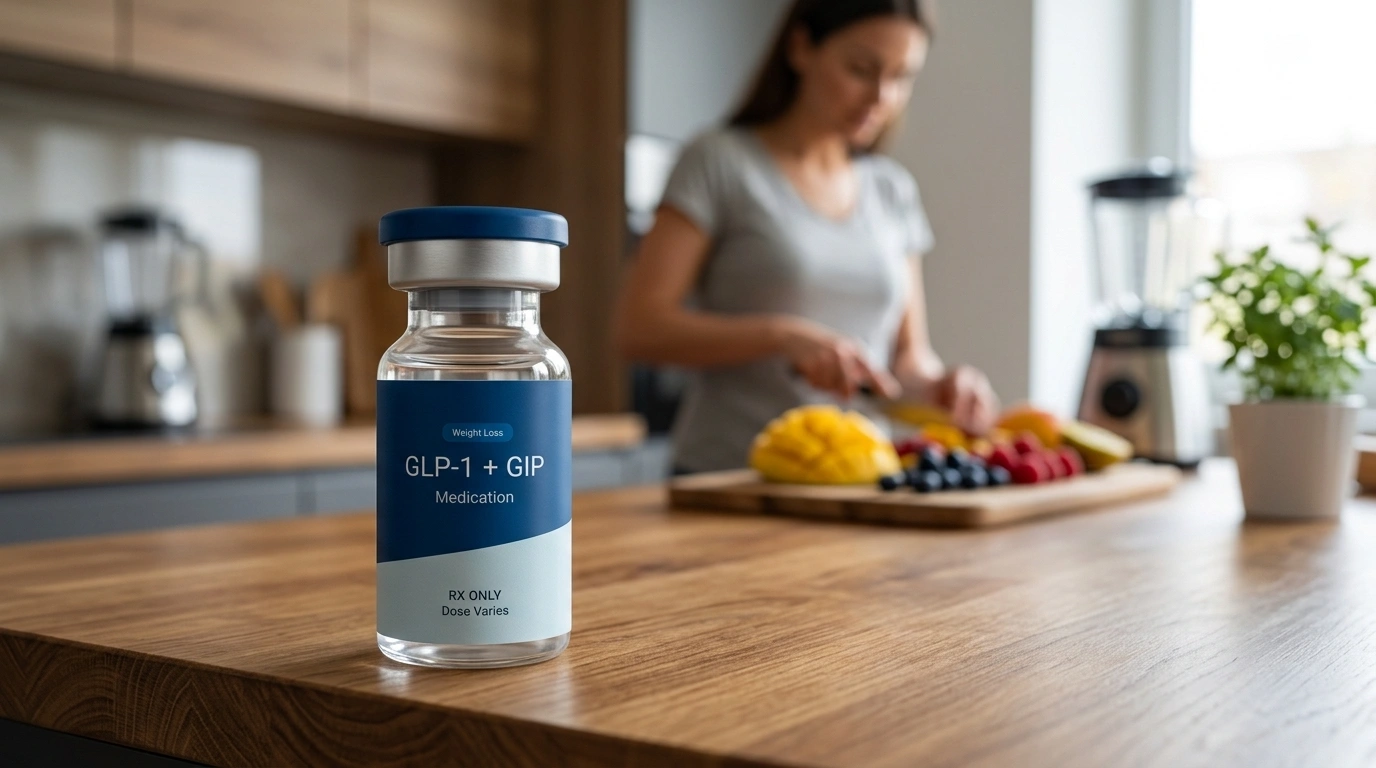
Before deciding what to put on your plate, it is essential to understand how the medication works within your body. Mounjaro® is a brand-name medication containing tirzepatide, which is a dual-acting receptor agonist. It mimics two specific hormones: glucagon-like peptide-1 (GLP-1) and glucose-dependent insulinotropic polypeptide (GIP). These hormones play a critical role in how your body handles insulin, blood sugar, and digestion.
One of the primary ways this medication supports weight loss is through a process called delayed gastric emptying. This means the food you eat stays in your stomach for a longer period. While this helps you feel full much faster and stay satisfied longer, it also changes how you react to heavy or high-carb meals like pasta. When a large bowl of refined pasta sits in the stomach longer than usual, it can lead to feelings of heaviness, bloating, or even nausea.
For a deeper explanation, read about how GLP-1 medications slow digestion.
Quick Answer: Yes, you can eat pasta while taking Mounjaro®, but it is best to focus on smaller portions and higher-fiber alternatives. Because the medication slows digestion, eating large amounts of refined carbohydrates can lead to discomfort like bloating or nausea.
The Problem with Refined Carbohydrates
Traditional pasta is typically made from refined white flour. These are “simple” carbohydrates, meaning the body breaks them down into glucose (sugar) very quickly. For an individual not taking a metabolic medication, this can cause a rapid spike in blood sugar followed by a crash.
When you are using a medication like tirzepatide, your body is working hard to stabilize blood sugar and improve insulin sensitivity. Consuming large amounts of refined pasta can work against these goals. Furthermore, because your stomach is emptying more slowly, those simple sugars have a longer window to cause digestive distress.
The goal is not to eliminate pasta entirely but to choose versions that provide more than just empty calories.
For additional guidance, explore what to eat on a GLP-1 medication.
Strategies for Eating Pasta Safely and Effectively
If you want to include pasta in your diet while on a weight management program, you should consider a “protein-first” strategy. This approach ensures that you are meeting your nutritional needs before your stomach becomes full.
Prioritize Protein and Fiber
When eating a pasta dish, the pasta itself should ideally be a side component rather than the main event. Start your meal with a lean protein source, such as grilled chicken, sautéed shrimp, or lean ground turkey. Protein is essential for maintaining muscle mass while you lose weight. After protein, focus on non-starchy vegetables like spinach, broccoli, or zucchini. By the time you reach the pasta, you will likely find that a small portion is more than enough to satisfy your craving.
Control Your Portions
Because of the delayed gastric emptying mentioned earlier, your “fullness” signal may hit you much faster than it used to. A traditional restaurant serving of pasta can often be three to four times the recommended portion size. Aim for a portion that is roughly the size of your fist. If you find yourself feeling full halfway through, it is important to stop eating. Forcing yourself to finish a high-carb meal on this medication is a common cause of overnight indigestion.
Timing Your Meal
It is often recommended to avoid heavy, carb-rich meals late in the evening. Since the medication slows down your digestion, a bowl of pasta eaten at 8:00 PM might still be sitting in your stomach when you go to bed at 11:00 PM. This can lead to acid reflux, heartburn, and a restless night of sleep. Try to consume your largest carbohydrate portions during lunch or early dinner.
For more information about reflux and tirzepatide, review this guide to tirzepatide-related acid reflux.
Managing Potential Side Effects
Many people taking GLP-1 or GIP medications report gastrointestinal side effects. These are often manageable with dietary adjustments. If you choose to eat pasta, be aware of how certain preparations might trigger these issues.
- Nausea: This is often triggered by eating too quickly or eating foods that are too heavy. If you plan to eat pasta, eat slowly and chew thoroughly to help your digestive system.
- Bloating and Gas: Simple carbohydrates can sometimes ferment in the gut if they sit too long. Pairing pasta with plenty of water and fiber can help move things along.
- Heartburn: Rich, acidic tomato sauces or heavy cream sauces can trigger reflux. Opting for lighter sauces like olive oil with herbs or a light pesto can be a safer choice.
You can also review these practical strategies for managing common GLP-1 side effects.
Key Takeaway: Success on Mounjaro® involves listening to your body’s new fullness cues. Instead of a large bowl of white pasta, aim for a balanced plate where pasta occupies only a small corner, supported by lean protein and fiber-rich vegetables.
Healthier Pasta Alternatives to Consider
If traditional white pasta makes you feel sluggish or causes digestive upset, there are many modern alternatives that are much more compatible with a weight loss journey. Many of these alternatives have a lower glycemic index, meaning they impact your blood sugar more gradually.
Whole Wheat and Grain-Based Pasta
Whole wheat pasta contains the bran and germ of the grain, providing significantly more fiber than white pasta. Fiber is your best friend when taking these medications because it supports healthy digestion and keeps you full. Other grain-based options include spelt or kamut pasta, which offer unique nutty flavors and better nutritional profiles.
Legume-Based Pastas
Pasta made from chickpeas, lentils, or black beans has become widely available in US grocery stores. These are excellent choices because they are naturally high in both fiber and protein. For example, a serving of chickpea pasta can have double the protein and triple the fiber of traditional pasta. This makes it much easier to stay within your nutritional goals while still enjoying the texture of a noodle dish.
Vegetable-Based “Noodles”
If you find that even small amounts of grain cause bloating, vegetable alternatives are a great way to enjoy pasta sauces without the heavy carb load.
- Zucchini Noodles (Zoodles): These can be made at home with a spiralizer and offer a fresh, light base for pesto or marinara.
- Spaghetti Squash: Once roasted, the inside of this squash shreds into ribbons that mimic the texture of thin spaghetti.
- Hearts of Palm Pasta: This is a low-calorie, low-carb option that holds its shape well and absorbs the flavor of whatever sauce you use.
For a broader overview of food choices, read the GLP-1 diet guide.
The Role of Personalized Support
Navigating dietary choices can feel overwhelming, especially when you are also managing a new medication. This is why a personalized approach is so valuable. We provide access to programs that include medical consultations and ongoing support to help you figure out what works best for your unique body.
Through our platform, you can connect with licensed providers who may prescribe medications tailored to your needs. This includes options like Compounded Tirzepatide or Compounded Semaglutide, which are prepared by FDA-registered and inspected compounding pharmacies. While these compounded versions are not FDA-approved, they offer a way for patients to access important treatments through a supervised telehealth model. Having a dedicated team at TrimRx means you always have a place to turn when you have questions about side effects or how to structure your meals.
If you are ready to explore whether a personalized prescription program may fit your needs, take the free assessment quiz.
Building a Balanced Plate: A Step-by-Step Guide
To ensure you are getting the most out of your treatment, try following this structure whenever you have a craving for pasta:
- Step 1: Select your base. Choose a high-fiber option like chickpea pasta or whole grain spaghetti.
- Step 2: Add your protein. Include at least 20–30 grams of lean protein, such as chicken breast, tofu, or lean beef.
- Step 3: Bulk it up with vegetables. Add a cup or more of sautéed greens, peppers, or mushrooms to add volume without excessive calories.
- Step 4: Choose a “thin” sauce. Opt for olive oil, lemon, garlic, or a simple red sauce over heavy “white” or “alfredo” sauces which are high in saturated fats.
- Step 5: Practice mindful eating. Eat slowly, enjoy the flavors, and stop as soon as you feel a sense of satisfaction, even if the plate isn’t empty.
Common Misconceptions About Carbs and Weight Loss
There are many myths surrounding what you can and cannot eat while on a GLP-1 medication. Let’s clarify some of the most common ones.
Myth: You must follow a keto or zero-carb diet for the medication to work. Fact: Carbohydrates are your body’s primary energy source. While reducing refined carbs is helpful for weight loss and blood sugar management, you do not need to eliminate them entirely to see results.
Myth: Eating pasta will immediately stop your weight loss progress. Fact: Weight loss is about the total quality and quantity of your diet over time. A single meal containing pasta will not stall your progress as long as you remain in a consistent calorie deficit and prioritize nutrition overall.
Myth: If you don’t feel side effects, the medication isn’t working, and you can eat whatever you want. Fact: Not everyone experiences severe nausea or bloating. However, the medication is still affecting your insulin and glucose levels. Maintaining a healthy diet even in the absence of side effects will lead to better long-term metabolic health.
Why Quality Matters Over Quantity
On your weight loss journey, you will likely find that you are eating significantly less than you did before. When your total food intake decreases, the quality of every bite becomes more important. If you fill your limited stomach capacity with refined flour and sugar, you may end up with nutritional deficiencies or lose muscle mass.
This is why we focus on a comprehensive approach. By combining medical support with lifestyle education, we help you make choices that support fat loss while preserving your energy and health. Whether you are using branded medications or compounded alternatives through our platform, the goal remains the same: a healthier, more vibrant you.
To understand more about available Mounjaro-related program considerations, read this guide to tirzepatide and personalized weight management.
Summary of Pasta Best Practices
To summarize, eating pasta while taking a medication like Mounjaro® is perfectly acceptable if done with intention.
| Feature | Best Choice | Why? |
|---|---|---|
| Pasta Type | Chickpea, Lentil, or Whole Wheat | Higher fiber and protein content. |
| Portion Size | 1/2 cup to 1 cup (cooked) | Prevents overfilling a “slow” stomach. |
| Sauce | Marinara, Pesto, or Olive Oil | Lower in fat and easier to digest. |
| Meal Structure | Protein and Veggies first | Ensures nutrient needs are met before fullness. |
Conclusion
The journey toward a healthier weight is rarely about perfection; it is about making informed, sustainable choices. You can absolutely eat pasta on Mounjaro®, provided you adapt to your body’s new way of processing food. By prioritizing protein, choosing high-fiber pasta alternatives, and listening to your body’s fullness signals, you can enjoy your favorite meals without compromising your goals.
At TrimRx, our mission is to empower you with the tools, medication, and clinical support needed to navigate these changes with confidence. We are here to provide an empathetic, science-backed path to help you reach your metabolic health goals through a program that fits your life. If you are ready to take the next step in your personalized weight loss journey, we invite you to begin your free assessment today.
Bottom line: Enjoy your pasta in moderation, choose nutrient-dense varieties, and always prioritize lean protein to support your body’s transformation.
FAQ
Will eating pasta cause a “stall” in my weight loss on Mounjaro®?
Eating pasta occasionally will not stop your progress, provided you are maintaining an overall calorie deficit and focusing on balanced nutrition. However, if you frequently eat large portions of refined white pasta, the high carbohydrate count and potential for blood sugar spikes may slow your results compared to a higher-protein, lower-carb approach.
Why does pasta make me feel so nauseous lately?
Nausea after eating pasta is often due to the medication’s ability to slow down your digestion. Because pasta is dense, it stays in your stomach longer, which can lead to feelings of extreme fullness or indigestion. Try reducing your portion size by half and eating more slowly to see if the symptoms improve.
What is the best type of sauce to use with pasta on this medication?
Lighter sauces are generally better tolerated by the digestive system while on GLP-1 or GIP medications. Opt for tomato-based marinara, olive oil with garlic, or a light pesto. Avoid heavy cream-based sauces like Alfredo or carbonara, as the high fat content combined with slowed digestion can often lead to heartburn or nausea.
Can I eat pasta for dinner, or should I only eat it for lunch?
While you can eat it at either time, many people find that eating heavier carbohydrates like pasta for lunch is easier on their digestion. Because the medication slows stomach emptying, eating pasta late at night may lead to discomfort or acid reflux when you lie down to sleep. If you do eat it for dinner, try to eat at least three hours before bedtime.
If you are still deciding whether prescription support is right for you, you can complete a free assessment for a personalized program.
Disclaimer: This content is for informational purposes only and does not constitute medical advice. It is not intended to diagnose, treat, cure, or prevent any disease or condition. Individual results may vary. Always consult a qualified healthcare professional before starting any weight loss program or medication.

Transforming Lives, One Step at a Time
Keep reading

Mounjaro Alternatives: What Else to Consider
If Mounjaro isn’t the right fit, the closest alternatives are other GLP-1 medications, chiefly semaglutide (Ozempic for diabetes, Wegovy for weight), along with a…

Mounjaro vs Zepbound: Same Drug, Two Brands
Like their semaglutide counterparts, Mounjaro and Zepbound are the same medication (tirzepatide) sold under two names for two purposes: Mounjaro is approved for type…

Retatrutide vs Mounjaro: Triple Agonist vs Dual Agonist
The core difference between retatrutide and Mounjaro comes down to how many hormone targets each hits: retatrutide activates three receptors, while Mounjaro (tirzepatide) activates…


