Can You Eat Rice on Mounjaro?
Introduction
Starting a weight loss journey often brings a wave of questions about what is “allowed” on your plate. You might find yourself standing in the kitchen, looking at a bag of rice, and wondering if this familiar staple will help or hinder your progress. At TrimRx, we understand that navigating nutritional choices can feel overwhelming, especially when you are using a powerful medication like Mounjaro®. The short answer is yes, you can eat rice while taking this medication, but the way you incorporate it into your diet matters significantly for your comfort and results. This post covers how rice interacts with your digestion, which varieties are best for metabolic health, and how to manage potential side effects. The key to success is not about strict elimination, but about understanding how your body now processes carbohydrates differently.
If you are considering a medically supervised weight loss program, you can complete a free eligibility assessment to see whether personalized support may be appropriate for you.
How Tirzepatide Changes Your Digestion
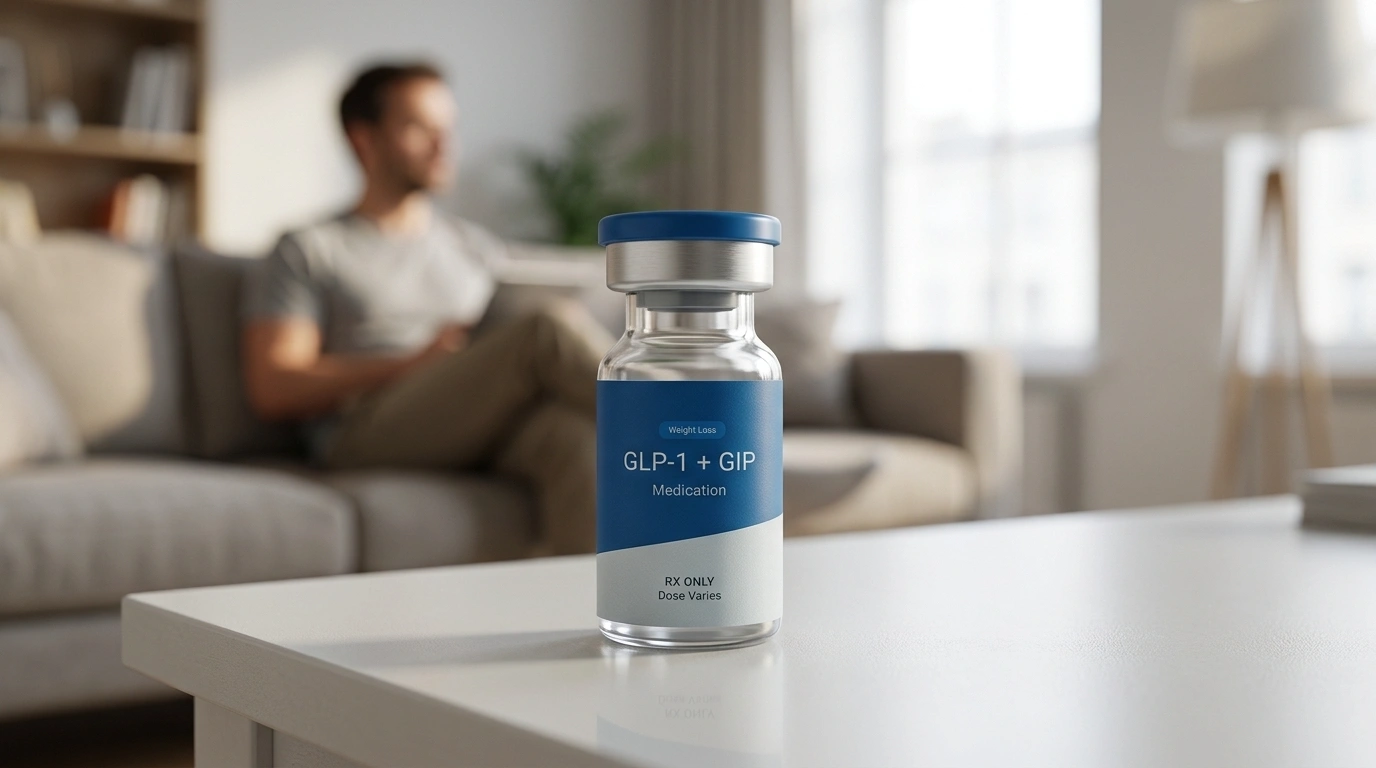
To understand how rice fits into your life, it is helpful to look at how Mounjaro® (tirzepatide) works in the body. Tirzepatide is a dual agonist that mimics two naturally occurring hormones: glucagon-like peptide-1 (GLP-1) and glucose-dependent insulinotropic polypeptide (GIP). These hormones play a critical role in how your body handles insulin, blood sugar, and hunger signals.
One of the most significant effects of this medication is delayed gastric emptying. This means that the food you eat stays in your stomach for a longer period before moving into the small intestine. While this helps you feel full much faster and for longer, it also means that heavy or high-volume foods—like a large bowl of rice—can sit in the stomach longer than they used to. This shift in digestion is the primary reason why your “old” portion sizes might suddenly feel uncomfortable.
For a broader look at how GLP-1 medications affect digestion and common symptoms, read this guide to tirzepatide side effects and how to manage them.
Quick Answer: You can absolutely eat rice on Mounjaro®, but you may need to reduce your portion size and choose high-fiber varieties. Because the medication slows down digestion, large amounts of refined carbohydrates can lead to discomfort or blood sugar fluctuations.
The Role of Rice in a Balanced Program
Rice is a foundational carbohydrate for many cultures and a convenient source of energy. However, on a weight loss program involving tirzepatide, your nutritional priorities often shift toward high protein and high fiber. Protein helps maintain muscle mass during weight loss, while fiber supports digestive regularity—a common concern for those on GLP-1 medications.
Rice is primarily a starch. When you consume white rice, your body breaks it down into glucose relatively quickly. On its own, this can lead to a spike in blood sugar, followed by a crash. Since tirzepatide works to stabilize blood sugar, eating large amounts of plain white rice may work against the medication’s primary metabolic benefits. However, when rice is used as a small component of a meal rich in lean protein and fiber-dense vegetables, it can still be part of a healthy, sustainable plan.
For more guidance on building balanced meals while using GLP-1 medication, explore this GLP-1 diet guide.
Comparing Rice Varieties: Which Is Best?
Not all rice is created equal. The nutritional profile and fiber content vary wildly between different types. Choosing the right variety can make the difference between feeling energized and feeling sluggish or bloated.
White Rice
White rice has had the husk, bran, and germ removed. This process removes most of the fiber and many essential vitamins. It has a high glycemic index, meaning it raises blood sugar rapidly. For someone on a GLP-1 medication, white rice is often the most likely variety to cause “heavy” stomach feelings or rapid fullness followed by digestive discomfort. If you choose white rice, keep the portion very small—around half a cup—and always pair it with a protein and a healthy fat.
Brown Rice
Brown rice is a whole grain that retains the bran and germ. This means it contains more fiber, magnesium, and B vitamins than white rice. The fiber in brown rice slows down the absorption of glucose, which aligns better with the blood sugar-stabilizing goals of your treatment. Because fiber is essential for preventing constipation—a common side effect of tirzepatide—brown rice is generally a superior choice.
Wild Rice
Technically a grass rather than a grain, wild rice is even higher in protein and fiber than brown rice. It has a nutty texture and takes longer to chew, which can naturally help you eat more slowly. This is a significant advantage when your body is sending “fullness” signals earlier in the meal.
Cauliflower Rice
While not a grain at all, cauliflower rice has become a favorite in the weight loss community. It is extremely low in calories and carbohydrates but high in volume and fiber. For those who enjoy the texture of rice but find that grains make them feel too full or bloated, cauliflower rice is an excellent alternative. It allows you to enjoy “rice-based” dishes like stir-fry or burrito bowls without the heavy carbohydrate load.
Managing Potential Side Effects
When you eat rice while taking a GLP-1 or GIP medication, you may experience specific digestive feedback. Understanding why these sensations happen can help you adjust your habits without frustration.
Bloating and Fullness
Because rice expands as it absorbs liquid, it can feel very heavy in a stomach that is emptying slowly. If you eat a large portion of rice, you might feel an intense sense of pressure or bloating. This is your body’s way of saying the stomach is at capacity. To avoid this, try eating your protein and vegetables first, then having a few bites of rice at the end of the meal.
You can also review these practical strategies for managing common tirzepatide side effects.
The “Rice Belly” Sensation
Some people report feeling a “brick” in their stomach after eating heavy starches. This is often due to the combination of slowed motility and the high-starch nature of the grain. If this happens, it is a sign to reduce the portion size next time or switch to a more fibrous grain like quinoa or wild rice.
Blood Sugar Stability
If you are using medication to manage weight or metabolic health, the goal is to avoid the “rollercoaster” of high and low blood sugar. White rice can trigger a spike. When the medication is working to lower blood sugar, this spike can sometimes be followed by a sharp drop, leaving you feeling shaky or fatigued. Pairing rice with vinegar (like in sushi rice) or healthy fats can help blunt this glucose response.
Key Takeaway: Prioritize fiber and protein before reaching for the rice. This “food sequencing” helps you stay full longer and reduces the likelihood of digestive discomfort or blood sugar spikes.
If you are interested in learning whether a personalized treatment plan may fit your health profile, you can take the free assessment quiz.
The Secret Benefit of Cold Rice: Resistant Starch
There is a fascinating piece of food science that can make rice much friendlier for your weight loss journey. When you cook rice and then let it cool completely (usually in the refrigerator), a portion of the starch converts into “resistant starch.”
Resistant starch, as the name suggests, resists digestion in the small intestine. Instead, it travels to the large intestine where it acts as a prebiotic, feeding your healthy gut bacteria. This process lowers the glycemic index of the rice and reduces the number of calories your body actually absorbs. Even if you reheat the rice later, much of that resistant starch remains. For those on a program with us, we often recommend this “cook-and-cool” method for any starches like rice or potatoes.
For additional meal ideas that support reduced appetite during treatment, read about what to eat on GLP-1 medication.
Practical Tips for Eating Rice on Mounjaro®
If you aren’t ready to give up rice, you don’t have to. You just need a strategy. Following these steps can help you enjoy your favorite meals while supporting your health goals.
Step 1: Focus on Portion Control
Start with a portion the size of a golf ball. It sounds small, but remember that your stomach is processing food at a different speed now. You can always have a little more later, but overeating rice can lead to hours of discomfort.
Step 2: Pair with Lean Protein
Never eat rice alone. Whether it is grilled chicken, tofu, fish, or lean beef, protein is the most important part of your meal. It helps maintain muscle and keeps your metabolism running efficiently.
Step 3: Add Non-Starchy Vegetables
Bulk up your bowl with spinach, peppers, broccoli, or bok choy. These add volume and nutrients without the heavy starch of the rice itself.
Step 4: Chew Thoroughly and Eat Slowly
The brain takes about 20 minutes to receive satiety signals from the gut. On tirzepatide, these signals are amplified. By eating slowly, you give your body time to tell you it has had enough rice before you overdo it.
For more information about prioritizing protein and balanced nutrition during treatment, read this guide to nutrition strategies for weight loss.
When to Consult a Healthcare Provider
While dietary adjustments can solve most issues with rice and digestion, it is important to stay in touch with your clinical team. If you find that you cannot tolerate any carbohydrates, or if you experience persistent nausea, vomiting, or severe constipation, you should seek professional guidance.
Our platform, TrimRx, connects you with licensed providers who can help you navigate these side effects. They can determine if your dosage needs adjustment or if there are specific underlying digestive issues that need attention. Personalized medical supervision is a cornerstone of a safe and effective weight loss journey.
If you are ready to discuss whether prescription weight loss support may be appropriate for you, complete the free assessment process.
The TrimRx Approach to Sustainable Weight Loss
We believe that weight loss should not mean a life of deprivation. Our mission at TrimRx is to provide a path that combines the latest clinical advancements with practical, livable strategies. We don’t just provide access to medication; we provide a framework for a healthier lifestyle.
Whether you are using branded Mounjaro® or a compounded tirzepatide option through our partner pharmacies, the goal is the same: sustainable health. We advocate for a “whole-person” approach where nutrition, medication, and professional support work in harmony. By learning how to eat foods like rice in a way that respects your body’s new biological rhythm, you are setting yourself up for long-term success rather than a temporary fix.
Bottom line: Rice is not a “bad” food, but its high starch content and volume require a mindful approach when your digestion is slowed by tirzepatide.
Conclusion
Can you eat rice on Mounjaro®? Yes, but your relationship with it will likely change. By choosing whole-grain varieties like brown or wild rice, utilizing the “cook-and-cool” method for resistant starch, and keeping portions small, you can keep this staple in your diet without stalling your progress or feeling unwell. Remember to prioritize protein and listen to your body’s earlier fullness cues.
Weight loss is a marathon, not a sprint, and learning how to navigate real-world foods is essential for keeping the weight off for good. At TrimRx, we are here to support you every step of the way with clinical expertise and empathetic care. Our personalized programs are designed to help you understand these nuances so you can reach your goals with confidence.
Take the first step today: If you are ready to start a medically supervised weight loss journey tailored to your unique health profile, take our free assessment quiz to see which program is right for you.
FAQ
Does rice cause more side effects on Mounjaro® than other carbs?
For some people, rice can cause more bloating because it expands in the stomach and is high in starch. However, this varies by individual; some find rice easier to tolerate than heavy breads or high-fiber beans. The key is to monitor how your specific body reacts to different grains and adjust accordingly.
Is brown rice better than white rice when taking tirzepatide?
Generally, yes, because brown rice contains more fiber. Fiber is crucial for maintaining digestive health and preventing constipation, which can occur when using GLP-1 and GIP medications. Brown rice also has a lower glycemic index, leading to more stable blood sugar levels throughout the day.
For more information about constipation and tirzepatide, read this guide to why tirzepatide may cause constipation.
Can I eat sushi while on a weight loss medication?
You can, but be mindful that sushi rice is often treated with sugar and vinegar, making it higher in simple carbohydrates. Additionally, the cold rice provides resistant starch, which is a plus. Try to focus on sashimi or rolls with more protein and fewer “crunchy” or mayo-based toppings to keep the meal balanced.
What should I do if rice makes me feel extremely nauseous?
If rice or any other food causes significant nausea, it is best to pause that food and focus on bland, high-protein options. Nausea is often a sign that the stomach is emptying too slowly for the volume or type of food consumed. Consult your healthcare provider if the nausea persists, as they may need to adjust your treatment plan. If you are not yet enrolled in a medically supervised program, you can see if you qualify for personalized support.
Disclaimer: This content is for informational purposes only and does not constitute medical advice. It is not intended to diagnose, treat, cure, or prevent any disease or condition. Individual results may vary. Always consult a qualified healthcare professional before starting any weight loss program or medication.

Transforming Lives, One Step at a Time
Keep reading

Mounjaro Alternatives: What Else to Consider
If Mounjaro isn’t the right fit, the closest alternatives are other GLP-1 medications, chiefly semaglutide (Ozempic for diabetes, Wegovy for weight), along with a…

Mounjaro vs Zepbound: Same Drug, Two Brands
Like their semaglutide counterparts, Mounjaro and Zepbound are the same medication (tirzepatide) sold under two names for two purposes: Mounjaro is approved for type…

Retatrutide vs Mounjaro: Triple Agonist vs Dual Agonist
The core difference between retatrutide and Mounjaro comes down to how many hormone targets each hits: retatrutide activates three receptors, while Mounjaro (tirzepatide) activates…


