Can You Eat Spicy Food on Mounjaro? Tips for Digestive Comfort
Introduction
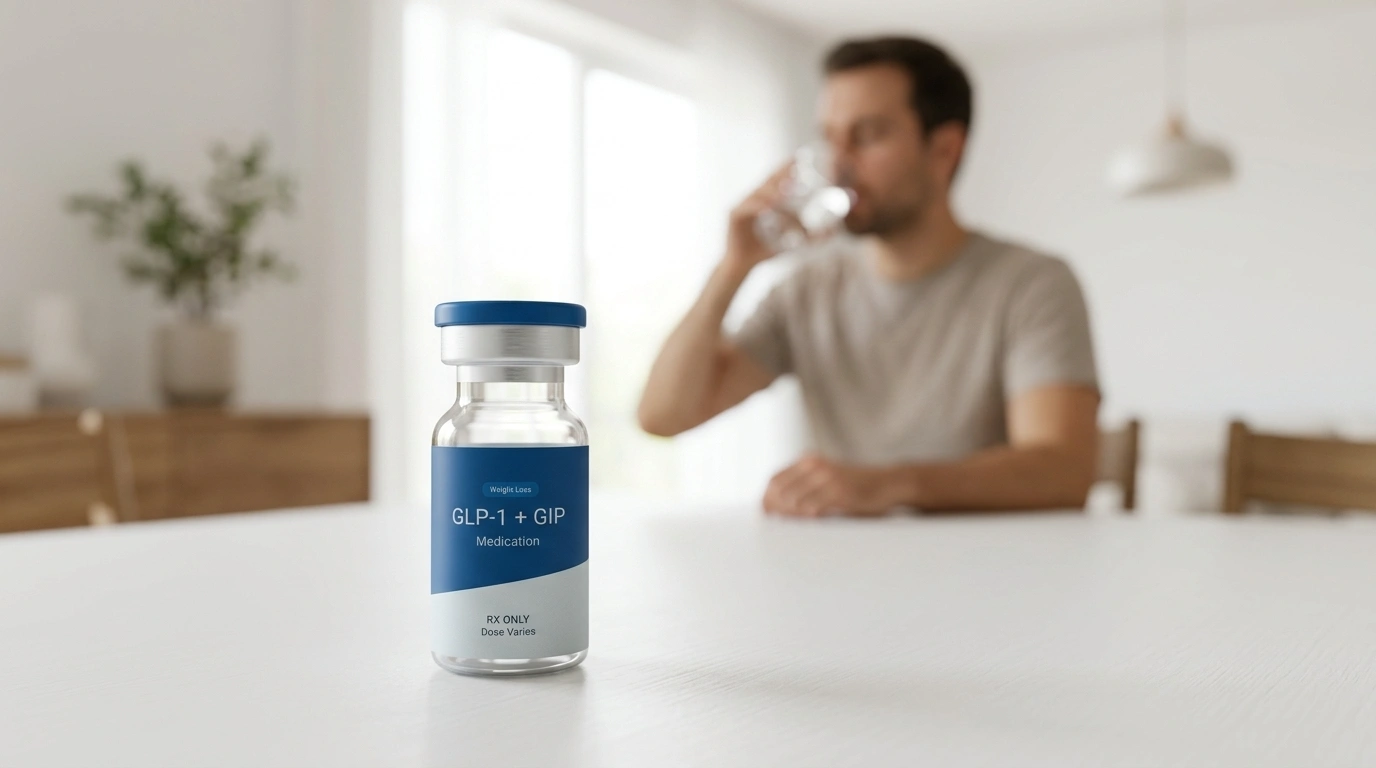
If you are a fan of bold flavors and heat, starting a new weight loss medication can feel like a daunting change for your palate. Many people beginning their journey with Mounjaro® (tirzepatide) find themselves wondering if their favorite hot sauces, curries, or peppers are still on the menu. While the simple answer is that you can physically eat spicy food, the way your body processes that heat changes significantly when you are on a GLP-1 (glucagon-like peptide-1) or GIP (glucose-dependent insulinotropic polypeptide) medication.
At TrimRx, we believe that sustainable weight loss shouldn’t mean losing the joy of eating. However, managing the unique way these medications affect your digestive system is key to staying comfortable and consistent with your goals. This post covers how spicy foods interact with tirzepatide, the risks of gastrointestinal discomfort, and how you can manage your diet to optimize your results. Navigating your diet with a personalized approach is the best way to ensure long-term success without unnecessary side effects.
Understanding How Tirzepatide Affects Your Body
To understand why spicy food might suddenly feel different, it is important to understand what Mounjaro® does inside your body. Tirzepatide is a dual-acting medication that mimics two natural hormones: GLP-1 and GIP. These hormones help regulate blood sugar and signal to your brain that you are full. One of the primary ways it supports weight loss is through a process called delayed gastric emptying.
Delayed gastric emptying means that the food you eat stays in your stomach for a much longer period than it used to. Under normal circumstances, your stomach might move food into the small intestine relatively quickly. On this medication, that “transit time” slows down significantly. While this is excellent for making you feel satisfied with smaller portions, it creates a unique environment for irritating substances like capsaicin, the compound that gives chili peppers their heat.
Quick Answer: Yes, you can eat spicy food while taking Mounjaro®, but many people find they need to reduce the intensity and frequency. Because the medication slows down digestion, spicy ingredients sit in the stomach longer, which can significantly increase the risk of acid reflux, heartburn, and nausea.
For additional guidance on food choices, see this guide to what to eat while on GLP-1 medications.
The Role of Capsaicin and Gastric Transit
Capsaicin is a chemical irritant for many mammals, including humans. When you consume it, it binds to receptors in the mouth and the digestive tract that signal “heat” or “pain” to the brain. In a typical digestive system, the irritation is temporary as the food moves along the digestive tract.
When you are on a program that includes tirzepatide, that irritating capsaicin is held against the lining of your stomach for several extra hours. This prolonged contact can lead to increased inflammation or sensitivity in the gastric lining. This is why a dish that used to cause no issues might suddenly result in a night of intense discomfort or indigestion.
Common Side Effects When Combining Spice and GLP-1s
Many people on weight loss medications report that their “stomach feels more sensitive.” This is often a result of the medication’s impact on the gastrointestinal tract. When you introduce spicy foods into the mix, several specific side effects can become more pronounced.
For a broader look at common reactions, read about tirzepatide side effects and tolerability.
Acid Reflux and Heartburn
Gastroesophageal reflux disease (GERD) or simple heartburn is perhaps the most common issue reported when eating spicy food on Mounjaro®. Because the stomach takes longer to empty, acid production can increase or stay elevated for longer periods. Spicy foods are known to relax the lower esophageal sphincter—the muscular valve that keeps stomach contents from moving back up into the throat. When this valve relaxes while your stomach is full of slow-moving, spicy food, acid reflux is almost inevitable for many.
For more guidance on managing reflux during treatment, see this tirzepatide-related acid reflux guide.
Nausea and Stomach Pain
Nausea is a frequently cited side effect of tirzepatide, especially during the first few weeks of treatment or when increasing a dose. Spicy foods are naturally stimulating to the digestive system. For someone already experiencing mild medication-induced nausea, the aggressive nature of spicy ingredients can push that feeling into actual vomiting or significant abdominal cramping.
“Sulfur Burps” and Bloating
A unique side effect often discussed in GLP-1 communities is the occurrence of “sulfur burps.” This happens when food sits in the stomach so long that it begins to break down in a way that releases gas. Spicy, complex foods—especially those containing garlic, onions, or heavy oils—can exacerbate this unpleasant sensation, making the gas more frequent and more pungent.
Key Takeaway: The medication’s ability to slow digestion is a double-edged sword. It helps you stay full, but it also means spicy irritants stay in your system longer, potentially worsening reflux and nausea.
Evaluating Your Tolerance: The Spice Sensitivity Scale
Not everyone will react the same way to spicy food while on a weight loss program. Your reaction depends on your baseline tolerance, your current dosage, and how long you have been on the medication.
| Spice Level | Pre-Medication Experience | Potential Experience on Mounjaro® |
|---|---|---|
| Mild (Poblano, Bell Pepper) | No reaction. | Generally well-tolerated by most. |
| Medium (Jalapeño, Sriracha) | Pleasurable heat, mild sweat. | May cause mild heartburn or “heavy” stomach feeling. |
| Hot (Habanero, Cayenne) | Significant heat, clear sinuses. | High risk of intense reflux, nausea, or indigestion. |
| Extreme (Ghost Pepper) | Challenge level heat. | Not recommended; likely to cause significant GI distress. |
Why Your “Safe Foods” Might Change
It is common to find that your previous “safe” meals no longer agree with you. This can be frustrating, especially if spicy food was a staple of your diet. Many individuals find that as they progress through their program, their taste preferences actually shift. This is sometimes called “GLP-1 taste changes.” You might find yourself craving simpler, fresher flavors, or you might find that your tolerance for heat fluctuates depending on where you are in your weekly injection cycle.
For more meal-planning ideas, explore these foods to eat with GLP-1 medications.
The Injection Cycle Effect
Often, the 24 to 48 hours after your injection is the time when your stomach is most sensitive. During this window, the medication is at its peak concentration in your blood, and gastric emptying is at its slowest. If you are going to experiment with spicy foods, it is often better to do so toward the end of your injection week, when the medication’s effects are slightly tapering off. Keeping a simple food journal can help you identify these patterns.
Practical Tips for Eating Spicy Food Safely
If you aren’t ready to give up the heat entirely, there are ways to mitigate the risks. By making small adjustments to how and when you eat, you can often still enjoy the flavors you love without the physical backlash.
The “First Bite” Rule
Always start with a very small portion of the spicy dish. Wait 15 to 20 minutes to see how your stomach reacts before consuming a full serving. Because digestion is slower, it may take longer for your brain to receive the signal that the food is irritating your system.
Pair Heat with Cooling Agents
Traditional cuisines often pair spice with fat or acid to balance the heat. On a weight loss medication, you want to be careful with heavy fats, but “cooling” additions can help soothe the stomach:
- Greek Yogurt: A high-protein, low-fat alternative to sour cream that can help coat the stomach lining.
- Cucumber: Provides hydration and a cooling crunch that offsets chemical heat.
- Lime Juice: The acidity can sometimes help cut through the “heaviness” of a spicy dish, though use caution if you are prone to acid reflux.
Avoid Spice Before Bed
Because your stomach will be working on that meal for many hours, eating spicy food for dinner is much riskier than eating it for lunch. Lying down flat after a spicy meal is a recipe for severe acid reflux. Try to finish any spicy meals at least four to five hours before you plan to sleep.
Hydrate, But Don’t “Gulp”
Drinking water is essential, but drinking large amounts of fluid during a spicy meal can actually make you feel overly full and bloated when combined with the slow-emptying effect of the medication. Sip water consistently throughout the day rather than chugging it to “put out the fire” in your mouth during the meal.
When to Avoid Spicy Food Altogether
There are certain times in your weight loss journey when it is best to stick to bland, “safe” foods to avoid unnecessary distress.
- During Dose Escalation: When you move up to a higher dose, your body needs time to adjust to the increased hormonal signal. This is not the time to test your limits with a spicy curry.
- If You Are Already Nauseated: If you wake up feeling a bit “off,” adding spice will almost certainly make the sensation worse.
- If You Have Pre-existing Gastritis: If you have a history of stomach ulcers or severe GERD, be extra cautious, as the medication can amplify these conditions.
Note: If you experience persistent, severe abdominal pain, excessive vomiting, or an inability to keep fluids down after eating, you should contact a licensed healthcare provider immediately.
Alternatives to Traditional Heat
If you find that capsaicin-heavy foods like hot peppers are causing too much trouble, you can still find intense flavor through other aromatic ingredients that tend to be easier on the stomach.
- Fresh Herbs: Cilantro, mint, and basil can provide intense flavor profiles without the chemical “burn” of peppers.
- Ginger: While it has a distinct zing, ginger is actually known for its anti-nausea properties and can be a great way to add flavor while supporting digestion.
- Mild Aromatics: Onions and garlic (in moderation) or shallots can provide the savory depth you crave without the intense heat.
- Lemon and Vinegar: Brightness and acidity can often satisfy the palate in a way similar to spice, provided your reflux is under control.
The Importance of a Personalized Program
At TrimRx, we understand that weight loss is not just about the medication; it’s about how that medication fits into your real life. Every person’s digestive system reacts differently to tirzepatide or semaglutide. This is why a personalized approach is so vital to long-term success.
Our platform merges clinical expertise with modern technology to deliver treatment programs that are supervised by licensed medical providers. When you work with us, you have 24/7 access to a team that can help you navigate these dietary shifts. If you find that your favorite foods are causing distress, it may be a sign that your dosage needs adjustment or that you could benefit from specific nutrient support. If you are ready to explore whether a program may fit your needs, the first step is to complete a free eligibility assessment.
Managing Your Nutrient Intake
When your stomach is sensitive to spice, you might find yourself gravitating toward simple carbohydrates like white bread or crackers to “soothe” the burn. While this helps in the moment, it can stall your weight loss progress if it becomes a regular habit.
Our GLP-1 Daily Support supplement is designed to provide the micronutrients your body needs during this transition. When you are eating less—and perhaps avoiding certain flavorful foods due to sensitivity—ensuring you have the right vitamin and mineral balance is essential for maintaining energy levels and muscle mass. For additional energy support during weight loss, we also offer the Weight Loss Boost supplement, which can be purchased without an assessment.
Step-by-Step: How to Safely Reintroduce Spice
If you have been avoiding heat and want to see if your body is ready to handle it again, follow this structured process:
Step 1: Check your timing. Only try spicy foods if you have been on your current dose for at least two weeks and are not currently experiencing any nausea or bloating.
Step 2: Start small. Choose a “mild” version of a dish you like. Eat a very small portion (about a third of what you would normally have) and wait several hours to see how your stomach reacts.
Step 3: Keep it lean. Avoid “greasy-spicy” combinations like buffalo wings or spicy pepperoni pizza. The high fat content combined with spice is a recipe for severe heartburn and prolonged nausea.
Step 4: Stay upright. Ensure you have several hours of activity or upright posture ahead of you. Never eat a spicy meal right before a nap or bedtime.
Step 5: Document the result. Note how you felt. If you experienced reflux, try an even milder version next time or wait another two weeks before trying again.
Looking at the Long Term
As your body adjusts to the medication over several months, many people find that their initial sensitivity to spicy food diminishes. Your “new normal” may involve a slightly lower spice tolerance than before, but it doesn’t usually mean a lifetime of bland food.
The goal is to find a balance where you can enjoy the social and cultural aspects of eating without compromising your physical comfort or your health goals. By listening to your body’s signals and making mindful choices, you can successfully integrate variety into your new, healthier lifestyle.
Conclusion
Can you eat spicy food on Mounjaro®? The answer is generally yes, but it requires a strategic and cautious approach. Because tirzepatide slows your digestion, the heat and irritation from spicy ingredients can last much longer in your system, potentially leading to heartburn, nausea, and general discomfort. By focusing on lean proteins, staying hydrated, and testing your tolerance in small amounts, you can find a balance that allows you to enjoy your food while reaching your weight loss goals.
We at TrimRx are dedicated to making this journey as comfortable as possible. We provide the medical expertise and the personalized support needed to help you navigate everything from dose changes to dietary tweaks. Our mission is to empower you with the tools for sustainable, science-backed weight loss that respects your lifestyle and your taste buds.
Bottom line: Respect the slowed digestion caused by your medication. Start with mild spice, avoid late-night heat, and always listen to your stomach’s cues to avoid unnecessary side effects.
If you are ready to see how a personalized, medically supervised program can change your life, the best next step is to take the free assessment quiz. This helps our partners understand your unique health profile and determine the best path forward for your sustainable weight loss journey.
FAQ
Why does spicy food taste different on Mounjaro?
Some people experience “dysgeusia,” or a change in taste, while on GLP-1 and GIP medications. This, combined with the way the medication affects your brain’s reward centers, can make very spicy or very sweet foods taste overly intense or even unpleasant compared to how they tasted before you started the program.
Is it dangerous to eat spicy food while taking tirzepatide?
It is generally not dangerous, but it can be extremely uncomfortable. The primary risks are severe acid reflux, nausea, and vomiting, which can lead to dehydration if not managed properly. If you have a history of stomach ulcers or severe GERD, you should consult your healthcare provider before consuming spicy foods.
How long should I wait after my injection to eat spicy food?
Sensitivity is usually highest 24 to 48 hours after your injection when the medication concentration is at its peak. Many patients find they tolerate spicy meals better on day five or six of their weekly cycle, when the medication’s slowing effect on the stomach is at its lowest point.
Can I take antacids if I eat spicy food on this medication?
Most over-the-counter antacids are safe to use, but you should always confirm this with your licensed healthcare provider. Keep in mind that some antacids can affect the absorption of other medications, so professional guidance is important for proper timing and safety.
Disclaimer: This content is for informational purposes only and does not constitute medical advice. It is not intended to diagnose, treat, cure, or prevent any disease or condition. Individual results may vary. Always consult a qualified healthcare professional before starting any weight loss program or medication.

Transforming Lives, One Step at a Time
Keep reading

When You and Your Spouse Are Both on Mounjaro
It is increasingly common for both people in a couple to be on the same medication. Sometimes one partner starts and the other follows…

Black Friday Shopping on Mounjaro
For a lot of families, Black Friday is a tradition: lining up before dawn, racing through stores with a list, and shopping until the…

Mounjaro Alternatives: What Else to Consider
If Mounjaro isn’t the right fit, the closest alternatives are other GLP-1 medications, chiefly semaglutide (Ozempic for diabetes, Wegovy for weight), along with a…


