Can You Eat Steak on Mounjaro? Best Practices for Success
Introduction
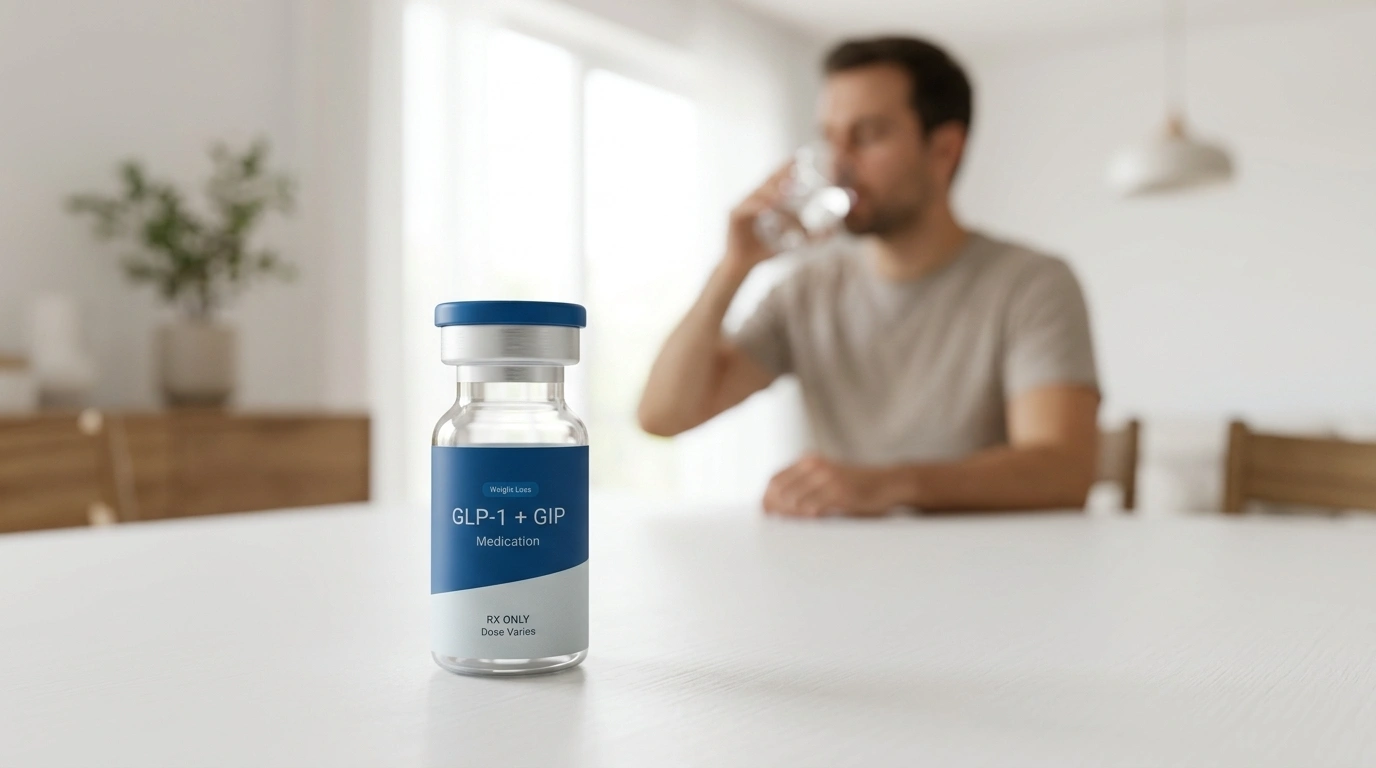
Sitting down to a favorite meal like a grilled steak should be an enjoyable experience, but when you are starting a medication like Mounjaro®, your body’s relationship with food changes significantly. Many people beginning their weight loss journey through our platform ask if they have to give up red meat or if certain foods are “off-limits” while on a GLP-1 and GIP receptor agonist. At TrimRx, we believe that sustainable weight loss is about balance and personalization rather than strict deprivation. This article will explore how Mounjaro®—a branded version of the medication tirzepatide—interacts with your digestive system and what that means for your favorite protein sources. We will cover the best ways to incorporate steak into your diet, how to avoid common digestive pitfalls, and how to maintain your nutritional goals while using these modern medications.
For a broader look at beef and Mounjaro®, read our guide to eating beef while taking Mounjaro.
How Mounjaro Affects Digestion and Appetite
To understand how to eat steak while on this medication, it is essential to understand what the medication is doing inside your body. Mounjaro® contains the active ingredient tirzepatide, which is a dual-acting receptor agonist. It mimics two different hormones in the body: glucagon-like peptide-1 (GLP-1) and glucose-dependent insulinotropic polypeptide (GIP). These hormones work together to regulate blood sugar levels and, perhaps more importantly for weight loss, slow down the rate at which food leaves your stomach.
This process is known as delayed gastric emptying. When food stays in your stomach longer, you feel fuller for a greater duration after eating. While this is the primary mechanism that supports weight loss, it also means that the types of food you choose to eat can have a more prolonged impact on your digestive comfort. A heavy, high-fat meal like a large steak takes more work for the stomach to break down than a light salad or a piece of fish. Because the medication has already slowed the “exit door” of the stomach, eating something heavy can sometimes lead to feelings of extreme fullness, bloating, or even nausea if not managed correctly.
For additional guidance on common digestive symptoms, explore this guide to tirzepatide side effects and management.
Quick Answer: Yes, you can eat steak while taking Mounjaro®, but it requires a strategic approach. Focusing on leaner cuts, smaller portions, and mindful chewing can help you enjoy red meat without the common digestive side effects associated with delayed gastric emptying.
Eating Steak on Mounjaro: Is It Recommended?
There is no medical rule that strictly forbids red meat or steak while on a GLP-1 medication. In fact, steak is an excellent source of several key nutrients that are vital during a weight loss journey. However, the “how” and “what” of your steak consumption matters more now than it did before you started your treatment.
The Importance of Protein Intake
When you are losing weight rapidly, your body often pulls energy from both fat stores and muscle tissue. To preserve lean muscle mass, it is crucial to consume adequate amounts of protein. Steak is a “complete protein,” meaning it contains all the essential amino acids your body cannot produce on its own. It is also a significant source of:
- Iron: Essential for oxygen transport in the blood and energy levels.
- Vitamin B12: Critical for nerve function and the production of red blood cells.
- Zinc: Supports a healthy immune system and metabolic function.
For more on protein and muscle preservation during treatment, read about how skeletal muscle supports metabolic health.
Maintaining muscle mass is one of the most important aspects of long-term metabolic health. Muscle burns more calories at rest than fat does, so the more muscle you retain, the more efficient your metabolism remains as you reach your goal weight.
Potential Digestive Challenges with Red Meat
The challenge with steak lies in its density and fat content. Red meat is naturally more difficult to digest than poultry or plant-based proteins. Because Mounjaro® slows down the digestive tract, a piece of steak that would normally pass through your stomach in a few hours might now sit there for much longer.
If the steak is a high-fat cut, such as a ribeye or prime rib, the fat content further slows digestion and can relax the esophageal sphincter, leading to acid reflux or heartburn. Many individuals report that “heavy” meals feel like a lead weight in their stomach when they are on a tirzepatide or semaglutide program. This is not a reason to avoid steak entirely, but it is a reason to be selective.
You can also review these Mounjaro food choices to approach with caution.
Key Takeaway: Protein is vital for muscle preservation during weight loss, making steak a nutritionally dense option. However, its slow digestion rate means you must prioritize leaner cuts to avoid discomfort.
How to Safely Include Steak in Your Diet
If you want to keep steak on your menu, you should follow a few best practices to ensure it supports your goals rather than causing a “food hangover” of nausea or indigestion.
Choosing Leaner Cuts
The most significant change you can make is switching from marbled, high-fat cuts to leaner options. Fat is the primary trigger for many of the gastrointestinal side effects associated with GLP-1 medications. By choosing a lean cut, you get the protein benefits with a much lower risk of reflux and bloating.
| Cut of Steak | Fat Content | Suitability for Mounjaro Users |
|---|---|---|
| Eye of Round | Very Low | Excellent; lean and easy on the stomach. |
| Sirloin Tip Side | Low | Good; versatile and high protein. |
| Top Sirloin | Moderate-Low | Good; widely available and relatively lean. |
| Filet Mignon | Moderate | Fair; tender, but can be rich if seasoned heavily. |
| Ribeye | High | Use Caution; high fat may cause nausea or reflux. |
Top Round and Bottom Round are also excellent choices for those looking to keep their fat intake low while still enjoying the flavor of beef.
Preparation and Cooking Methods
How you cook your steak is just as important as the cut you buy. Frying a steak in butter or heavy oil adds unnecessary fat that can aggravate side effects. Instead, consider these methods:
- Grilling: Allows excess fat to drip away from the meat.
- Broiling: Similar to grilling, this high-heat method works well for lean cuts.
- Sous Vide: This method keeps lean cuts tender without needing added fats or oils.
- Searing with Minimal Oil: Use a high-quality non-stick pan and a small amount of heart-healthy oil like avocado oil.
Avoid heavy, cream-based sauces or large amounts of butter. Instead, flavor your steak with dry rubs, herbs like rosemary and thyme, or a squeeze of fresh lemon juice to keep the meal light.
Portion Control and Mindful Eating
On Mounjaro®, your “fullness” cues will trigger much earlier than you might be used to. A standard 8-ounce or 12-ounce steak is likely far more than your body can comfortably process in one sitting while on this medication.
Step 1: Start Small. Aim for a portion roughly the size of a deck of cards (about 3 to 4 ounces). You can always save the rest for the next day.
Step 2: Chew Thoroughly. Digestion begins in the mouth. By chewing each bite until it is almost a liquid consistency, you take a significant amount of work off your stomach. This is especially important for fibrous foods like red meat.
Step 3: Listen to Your Body. If you feel full halfway through your portion, stop eating. Forcing yourself to finish a meal is a common cause of vomiting or severe nausea for those on GLP-1 treatments.
If you are considering a prescription weight loss program, you can complete a free eligibility assessment.
Managing Side Effects While Eating Solid Proteins
Even with the best intentions, you might occasionally experience discomfort after eating steak. Understanding why this happens and how to manage it can make your journey much smoother.
The most common side effect after a heavy meal is nausea. This usually happens because the stomach is physically overstretched or because the high-fat content is taking too long to break down. If you experience this, try sipping on ginger tea or water with a small amount of lemon.
Heartburn and Reflux are also common. Since food stays in the stomach longer, acid production can increase. To prevent this, avoid eating steak late in the evening. Give your body at least three to four hours to digest before you lie down for sleep.
Note: If you experience persistent or severe abdominal pain, vomiting that prevents you from keeping liquids down, or other concerning symptoms, you should consult your healthcare provider immediately. While mild digestive changes are common, your provider can help determine if your dosage or dietary habits need adjustment.
Many patients find that their tolerance for certain foods changes over time. You might find that in the first few days after your weekly injection, your stomach is more sensitive. During this window, you may want to stick to lighter proteins like chicken or fish and save your steak for the end of the week when the medication’s levels in your system are slightly lower.
If reduced appetite makes it difficult to maintain your nutritional intake, consider GLP-1 Daily Support for nutritional support during treatment.
Alternative Protein Sources to Consider
While steak can be a part of your diet, variety is the key to a healthy metabolism. If you find that red meat is becoming difficult to digest, there are many other ways to meet your protein goals.
- Poultry: Chicken breast and turkey are naturally lean and generally much easier for the stomach to process than beef.
- Fish and Seafood: White fish like cod or tilapia are very low in fat and high in protein. Salmon provides healthy omega-3 fatty acids, which can support heart health.
- Plant-Based Proteins: Lentils, chickpeas, and quinoa provide fiber alongside protein, which can help keep your digestive system moving.
- Egg Whites: An excellent way to get pure protein without the fat found in the yolk.
If you struggle to get enough protein through solid food alone due to a reduced appetite, some individuals find success with high-quality protein shakes. However, we always recommend prioritizing whole foods where possible.
For related nutrition guidance, see this overview of protein-forward eating on GLP-1 medications.
Supporting Your Journey with TrimRx
Navigating the nuances of what to eat while on a medical weight loss program doesn’t have to be a solo effort. We provide a telehealth-first platform that connects you with licensed providers who understand the complexities of GLP-1 and GIP medications. Our personalized programs are designed to look at your health profile, goals, and medical history to ensure you have the support you need.
Whether you are prescribed Compounded Tirzepatide or another medication, the goal remains the same: sustainable, healthy weight loss. We also offer specialized supplements like GLP-1 Daily Support and Weight Loss Boost, which are designed to complement your program and provide the nutrients your body needs as your diet evolves. These supplements can be purchased directly without a quiz, providing a simple way to support your metabolic health.
Our approach at TrimRx is built on the idea that everyone’s body reacts differently to medication. While one person may be able to eat a small sirloin without issue, another may prefer to stick to lighter fare. Our dedicated team of specialists is available to help you navigate these personal differences, ensuring you feel empowered rather than restricted.
Bottom line: Eating steak on Mounjaro® is possible and even beneficial for protein intake, provided you choose lean cuts, control your portions, and pay close attention to your body’s signals of fullness and discomfort.
Summary of Best Practices
To make the most of your meals while on Mounjaro®, keep these final points in mind:
- Priority: Always eat your protein first. Since you will get full quickly, you want to ensure you’ve consumed the most nutritionally dense part of your meal before your appetite disappears.
- Hydration: Drink plenty of water throughout the day, but try not to drink large amounts during your meal, as this can add to the feeling of being overfull.
- Consistency: Stick to a regular eating schedule. Skipping meals can lead to overeating later, which is much more likely to cause digestive distress when taking a GLP-1.
- Quality over Quantity: Since you are eating less, make sure what you do eat is of high quality. Fresh, lean steak is a better choice than processed beef or fast-food burgers.
By staying mindful of how your body processes different foods, you can continue to enjoy a varied diet while reaching your weight loss goals. The journey to better health is a marathon, not a sprint, and finding a way to enjoy the foods you love in a new, healthier way is a key part of that process.
Conclusion
At TrimRx, our mission is to help individuals embrace healthier lifestyles through science, empathy, and a transparent, personalized approach to sustainable weight loss. We understand that starting a medication like Mounjaro® or Zepbound®—or using Compounded Tirzepatide through a licensed compounding pharmacy—is a big step. It requires more than just a prescription; it requires a shift in how you think about nutrition and your body’s needs.
You don’t have to navigate these changes alone. By focusing on lean proteins like steak and adjusting your eating habits to match your body’s new rhythm, you can achieve lasting results. Whether you are just starting or looking to optimize your current program, we are here to provide the clinical expertise and modern technology needed to help you succeed.
Key Takeaway: Success on a GLP-1 program isn’t about what you can’t eat, but about how you adapt your favorite foods to support your new metabolic reality.
Ready to take the next step in your weight loss journey? Take the free assessment quiz today to see if a personalized prescription program is right for you. If you are looking for immediate nutritional support, explore the GLP-1 Daily Support supplement to help you stay on track.
FAQ
Can eating steak cause nausea while taking Mounjaro®?
Yes, steak can cause nausea if the cut is very high in fat or if the portion is too large. Because the medication slows down the rate at which your stomach empties, heavy or fatty foods sit in the stomach longer, which can lead to feelings of indigestion, bloating, and nausea. Choosing lean cuts and eating smaller portions can significantly reduce this risk.
For more information, review these strategies for managing tirzepatide side effects.
What is the best cut of steak to eat for weight loss?
The best cuts are those labeled “round” or “sirloin,” such as Eye of Round, Top Sirloin, or Sirloin Tip. These cuts have the highest protein-to-fat ratio, providing the essential amino acids you need to preserve muscle without the excess calories and digestive strain of fattier cuts like ribeye or T-bone.
Is it okay to eat steak on the same day as my injection?
Many people find that their stomach is most sensitive in the 24 to 48 hours following their weekly injection. If you are prone to side effects, it may be better to eat lighter, easily digestible proteins like chicken or fish on your injection day and save steak for later in the week when your appetite and digestion have stabilized.
Should I avoid steak if I am experiencing constipation?
If you are experiencing constipation, which is a common side effect of GLP-1 medications, you should prioritize high-fiber foods and hydration. While steak provides protein, it does not contain fiber. If you choose to eat steak, ensure you pair it with a generous serving of fibrous vegetables like steamed broccoli or a leafy green salad to help keep your digestive system moving. If you are exploring whether a personalized prescription program may fit your needs, start with the free assessment quiz.
Disclaimer: This content is for informational purposes only and does not constitute medical advice. It is not intended to diagnose, treat, cure, or prevent any disease or condition. Individual results may vary. Always consult a qualified healthcare professional before starting any weight loss program or medication.

Transforming Lives, One Step at a Time
Keep reading

Mounjaro Alternatives: What Else to Consider
If Mounjaro isn’t the right fit, the closest alternatives are other GLP-1 medications, chiefly semaglutide (Ozempic for diabetes, Wegovy for weight), along with a…

Mounjaro vs Zepbound: Same Drug, Two Brands
Like their semaglutide counterparts, Mounjaro and Zepbound are the same medication (tirzepatide) sold under two names for two purposes: Mounjaro is approved for type…
Retatrutide vs Mounjaro: Triple Agonist vs Dual Agonist
The core difference between retatrutide and Mounjaro comes down to how many hormone targets each hits: retatrutide activates three receptors, while Mounjaro (tirzepatide) activates…


