Can You Eat Sugar on Zepbound? What You Need to Know
Introduction
Standing in the grocery aisle, looking at a favorite treat, and wondering if it will derail your progress is a common experience for those starting a weight loss journey. When you begin a medication like Zepbound®, the rules of nutrition often feel like they have changed overnight. You may have heard conflicting advice about whether sweets are strictly off-limits or if you can still enjoy a dessert now and then. At TrimRx, we believe that understanding the science behind your medication is the first step toward a sustainable, stress-free lifestyle. This post covers how Zepbound interacts with sugar, why your cravings might change, and how to manage your diet to avoid unwanted side effects. While you can technically eat sugar, the way your body responds to it while on this medication is significantly different than before.
Quick Answer: Yes, you can eat sugar while taking Zepbound, but moderation is essential. Because the medication slows digestion and changes how your body handles insulin, high amounts of sugar can lead to increased side effects like nausea or bloating.
How Zepbound Interacts with Sugar in Your Body
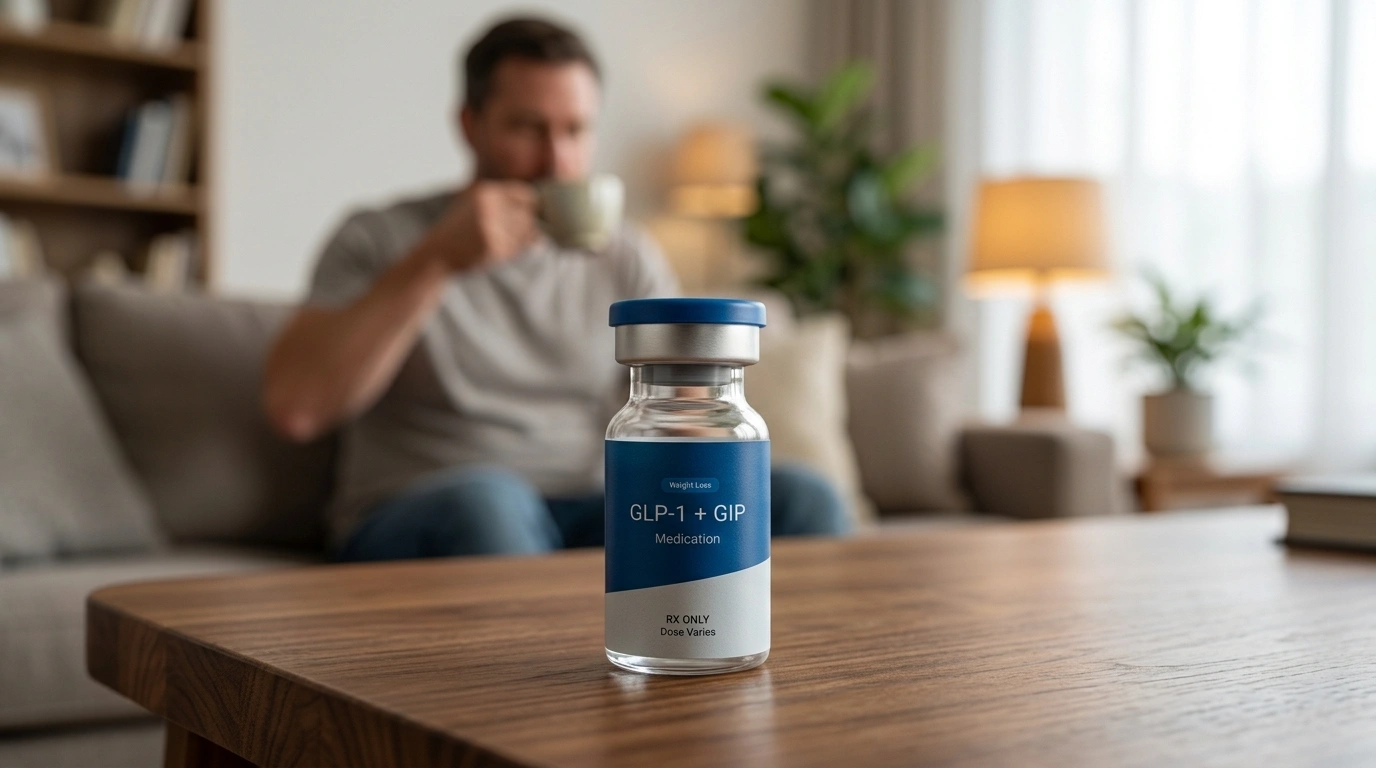
To understand why sugar matters on this medication, it helps to understand what the drug actually does. Zepbound is a dual-hormone medication. It mimics two natural hormones in your body: glucagon-like peptide-1 (GLP-1) and glucose-dependent insulinotropic polypeptide (GIP). These are receptor agonists, which means they bind to specific sites in your body to trigger helpful metabolic responses.
The GLP-1 component primarily focuses on slowing down “gastric emptying.” This is the clinical term for how quickly food moves from your stomach into your small intestine. When this process slows down, you feel full for much longer. The GIP component works alongside GLP-1 to improve how your body breaks down sugar and stores fat. Together, they help regulate blood sugar levels by prompting the pancreas to release the right amount of insulin after you eat.
Because the medication is already working hard to manage your blood glucose (blood sugar), dumping a large amount of refined sugar into your system can create a bit of a metabolic traffic jam. Your body is more sensitive to insulin while on this treatment, which is generally a good thing, but it also means that the “sugar crashes” you might have felt in the past could feel more intense or uncomfortable now.
The Impact of Slowed Digestion
One of the most significant reasons to be cautious with sugar is the change in your digestive speed. When you eat a high-sugar food—like a glazed donut or a sugary soda—it typically moves through your system quickly, causing a rapid spike in energy followed by a crash. If you want a broader look at how this medication changes eating patterns, our guide on what to eat while on a GLP-1 is a helpful next read.
On Zepbound, that sugary food stays in your stomach for a much longer period. If sugar sits in the stomach for too long, it can begin to ferment, leading to gas, bloating, and a very specific type of nausea. Many people report that after eating something very sweet, they feel “heavy” or “sour” for several hours. This isn’t necessarily because the sugar is “poisonous” to the medication, but rather because your digestive tract is now optimized for slower, more consistent nutrient absorption rather than quick hits of simple carbohydrates.
Key Takeaway: Zepbound changes your metabolic architecture. Sugar is processed more slowly and can stay in your stomach longer, which may lead to gastrointestinal discomfort if consumed in large quantities.
Managing the “Sugar Trap” Side Effects
Most people who experience negative reactions to sugar while on a GLP-1 or GIP medication describe a specific set of symptoms. If you consume a high-sugar meal, you may notice:
- Intense Nausea: This is the most common feedback. The sweetness can feel overwhelming, and the delayed digestion can make the nausea linger.
- Heartburn or Acid Reflux: Sugary and fatty foods are known triggers for the lower esophageal sphincter to relax, which, combined with slow digestion, allows acid to creep up.
- Changes in Bowel Habits: For some, high sugar intake can lead to “osmotic diarrhea,” where the sugar pulls water into the gut. For others, it might contribute to constipation if the diet lacks fiber.
- The “Sugar Hangover”: Because your insulin sensitivity is improved, your body may over-correct for a sugar spike, leading to a dip in blood sugar that leaves you feeling shaky, tired, or irritable.
If you find yourself dealing with these issues, it is important to consult with a licensed healthcare provider. They can help determine if your dosage needs adjustment or if your symptoms are a standard part of the titration process (the period where your dose is gradually increased).
The Dissappearance of “Food Noise”
One of the most fascinating aspects of modern weight loss medications is their effect on the brain. Many individuals struggle with what researchers call “food noise”—the constant, intrusive thoughts about the next meal, the snack in the cupboard, or the craving for something sweet.
Zepbound helps quiet this noise by affecting the reward centers in the brain. For many, this means that the intense, driving desire for sugar simply fades away. You might find that you can walk past a box of cookies without needing to exercise extreme willpower. This change in brain chemistry makes it much easier to make intentional choices about sugar rather than reacting to a physiological craving.
Myth: You must cut out all sugar to lose weight on Zepbound. Fact: While cutting sugar helps, the medication works by regulating hormones and appetite. You can still lose weight while consuming occasional sweets, provided you stay within a calorie deficit and manage side effects.
Practical Strategies for Eating Sugar Responsibly
If you decide to have something sweet, you don’t have to feel guilty. Instead, use these strategies to help your body process the sugar more effectively and minimize the risk of feeling unwell.
The “Protein First” Rule
Always pair sugar with protein or fiber. If you want a piece of chocolate, try having it after a meal that included lean protein and vegetables. The protein and fiber act as a buffer, further slowing the absorption of the sugar and preventing a massive insulin spike. This “cushioning” effect is one of the best ways to enjoy a treat without the subsequent nausea.
Focus on Small Portions
Because your appetite is likely reduced, you may find that a single bite of a dessert satisfies you just as much as a full serving used to. Many people on our programs find that the “three-bite rule” works wonders: the first bite to taste it, the second to savor it, and the third to say goodbye. Since your stomach capacity is physically limited by the slowed digestion, eating a large dessert can result in painful fullness.
Prioritize Natural Sugars
When you do have a craving, try reaching for fruit first. The fiber in berries, apples, or citrus helps regulate the sugar’s impact on your system. Many patients report that their taste buds change while on medication, and naturally sweet foods start to taste much more vibrant, while processed sweets may begin to taste chemically or overly cloying.
Hydrate, Hydrate, Hydrate
Sugar can contribute to dehydration, and being dehydrated can actually make nausea worse. If you have consumed more sugar than usual, increase your water intake. We often suggest adding electrolytes to your water, especially if you are in the early stages of your program, to keep your energy levels stable.
Choosing the Right Path for Your Journey
Weight loss is rarely about a single food item like sugar; it is about the total picture of your metabolic health. This is why a personalized approach is so vital. What works for one person’s digestion might not work for another’s. Some individuals can handle a moderate amount of sugar without any issues, while others find that even a small amount of fruit causes bloating.
Through the TrimRx platform, we focus on providing access to medically supervised programs that acknowledge these individual differences. We connect you with licensed providers who can help navigate these dietary shifts. If you are struggling with side effects or aren’t sure how to structure your meals, the guidance of a professional can make the difference between a frustrating experience and a successful one. If you want to see whether a personalized program fits your goals, you can take the free assessment quiz to get started.
The Role of Compounded Alternatives
While Zepbound® is a specific branded medication, many people explore similar pathways through compounded versions of the underlying active ingredients, such as Compounded Tirzepatide. It is important to note that compounded medications are not FDA-approved in the same way branded drugs are, but they are prepared by FDA-registered and inspected compounding pharmacies to meet specific patient needs.
These programs often provide the same hormonal support—targeting both GLP-1 and GIP receptors—allowing for a similar reduction in food noise and improved blood sugar regulation. Regardless of whether you are using a branded or compounded option, the advice regarding sugar remains the same: your body is in a state of metabolic repair, and fueling it with high-quality nutrients will always yield the best results. For a closer look at cravings, our article on how Zepbound can help with sugar cravings goes deeper into the brain side of the equation.
When to Seek Professional Guidance
While adjusting your diet is a normal part of the process, certain signs should prompt a conversation with a healthcare professional. If you find that eating even small amounts of sugar or carbohydrates leads to persistent vomiting, severe abdominal pain, or extreme lightheadedness, do not ignore it.
Your provider can help distinguish between standard side effects and more serious issues like hypoglycemia (low blood sugar) or gallbladder concerns. Our mission at TrimRx is to ensure you never feel alone in this process. With 24/7 access to specialists, you can get answers to these specific dietary questions as they arise, ensuring your journey remains safe and effective. If you are comparing treatment pathways, how tirzepatide and semaglutide side effects compare can help you understand common GI reactions.
Long-Term Habits vs. Short-Term Restrictions
The goal of using a GLP-1 or GIP medication isn’t to live in a state of permanent restriction. Instead, it’s an opportunity to reset your baseline. By quieting the cravings and improving your body’s internal chemistry, these medications provide a “window of opportunity” to build new habits.
If you spend your time on the medication learning how to enjoy sugar in a way that doesn’t trigger a cycle of overeating, you are much more likely to maintain your weight loss in the long run. Use this time to experiment with new recipes, discover low-sugar alternatives, and learn to listen to your body’s new fullness signals. If you want a broader diet framework, can you eat carbs on Zepbound is a useful companion article.
Bottom line: Sugar is not “banned” on Zepbound, but your body’s tolerance for it will likely decrease. By focusing on protein, small portions, and natural sources, you can enjoy sweets without compromising your comfort or your weight loss goals.
The TrimRx Approach to Sustainable Health
We understand that weight loss is about more than just a number on a scale; it is about reclaiming your relationship with food. Our programs are designed to be telehealth-first, removing the barriers of waiting rooms and in-person appointments. By merging clinical expertise with a supportive, personalized platform, we help you navigate the complexities of medications like tirzepatide or semaglutide.
Whether you are looking for a prescription program or supplemental support like our GLP-1 Daily Support supplement, we are here to provide the tools you need for a healthier lifestyle. We believe in transparency, empathy, and science-backed solutions that fit into your actual life—sweets and all.
Conclusion
Navigating your diet on Zepbound requires a shift in mindset from restriction to intuition. You can eat sugar, but you will likely find that your body asks for it less often and reacts more strongly when you do indulge. By prioritizing protein, staying hydrated, and paying attention to your body’s signals, you can maintain a balanced diet that includes the occasional treat.
The most successful journeys are those that are supported by professional guidance and a personalized plan. If you are ready to see how a medically supervised program can change your approach to weight loss, the first step is simple.
- Step 1: Take our free assessment quiz to determine your eligibility.
- Step 2: Connect with a licensed provider to discuss your health history and goals.
- Step 3: Receive your personalized treatment plan and medication delivered to your door.
- Step 4: Enjoy ongoing, 24/7 support as you reach your milestones.
FAQ
Does sugar make Zepbound less effective for weight loss?
Sugar does not stop the medication from working, but it can slow your overall progress if consumed in excess. Because Zepbound aims to improve metabolic health and insulin sensitivity, a diet high in refined sugar can work against these internal improvements. Most people find the best results when they use the medication’s appetite-suppressing effects to naturally reduce their sugar intake. If you are ready to see whether treatment is a fit, you can take the free assessment quiz.
Why do I feel sick after eating chocolate or candy on Zepbound?
This is usually due to the medication’s effect on your digestive system. Because Zepbound slows down how quickly your stomach empties, sugary foods stay in your gut longer, which can cause nausea, gas, or reflux. Additionally, the medication makes your body more sensitive to blood sugar changes, so a “sugar rush” can feel more physically taxing than it used to. For a related look at early side effects, see what to expect after your first injection of Zepbound.
Are sugar-free alternatives better to use?
Sugar-free alternatives can be a helpful tool, but they should be used with caution. Some artificial sweeteners can cause bloating or digestive upset, which may compound the existing side effects of the medication. Many patients find that focusing on small amounts of natural sugar, like those found in fruit, is more satisfying and gentler on the stomach than highly processed sugar-free treats.
Will I still crave sugar after I start the medication?
Many people experience a significant reduction in sugar cravings, often referred to as a decrease in “food noise.” This happens because the medication affects the brain’s reward pathways. While you may still occasionally want something sweet, you will likely find that the urge is much less intense and that you feel satisfied with much smaller portions than before you started the program. If you want extra support during treatment, our Weight Loss Boost supplement may be a helpful option.
Disclaimer: This content is for informational purposes only and does not constitute medical advice. It is not intended to diagnose, treat, cure, or prevent any disease or condition. Individual results may vary. Always consult a qualified healthcare professional before starting any weight loss program or medication.

Transforming Lives, One Step at a Time
Keep reading

Can You Lower Your Zepbound Dose Without Losing Your Progress?
Often yes, and the honest caveat is that the evidence for dose reduction specifically is thinner than the evidence for stopping. We know a…
Why Is There a Bruise Where I Injected My Zepbound?
A bruise means a small blood vessel was disturbed under the skin and blood spread into the surrounding tissue. It is one of the…

My Zepbound Pen Won’t Click Past a Certain Dose
Start by checking which device you are holding, because the answer depends entirely on that. Zepbound has commonly been supplied in the United States…


