Can You Eat Whatever You Want on Wegovy? What to Know
Introduction
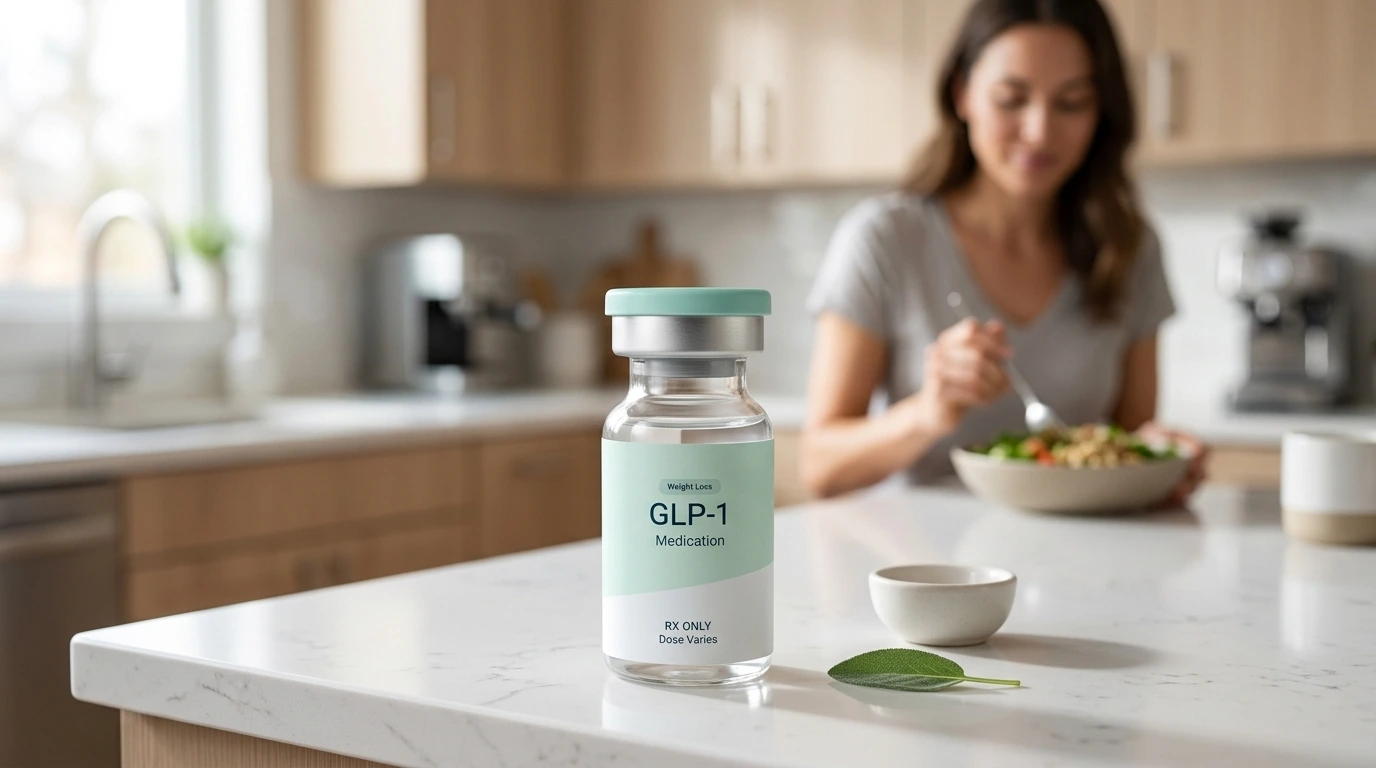
The promise of modern weight loss medication often sounds like a dream: a weekly injection that quietens “food noise” and helps the pounds melt away. Many people starting their journey wonder if this means they can finally stop worrying about what is on their plate. At TrimRx, we believe that understanding the relationship between your medication and your nutrition is the key to long-term success. While Wegovy® (semaglutide) significantly reduces your appetite and changes how your body handles hunger, the idea that you can eat whatever you want without consequence is a common misconception. In reality, your food choices play a critical role in how well you tolerate the medication and how sustainable your results will be. This article explores why food quality still matters, which foods might trigger discomfort, and how to fuel your body for the best possible outcome.
Quick Answer: While you technically can eat any food on Wegovy®, eating “whatever you want” in terms of high-fat or sugary foods often leads to significant gastrointestinal side effects like nausea and bloating. For the best results and most comfort, focus on lean proteins, fiber, and hydration while following a personalized program.
If you are considering prescription support, you can take the free assessment quiz to see whether a personalized program may be a fit.
How Wegovy® Interacts With Your Digestion
To understand why you cannot simply eat anything in any amount, it is helpful to look at how the medication works. Wegovy® is a brand-name version of semaglutide, which is a GLP-1 receptor agonist. A GLP-1 receptor agonist is a type of medication that mimics a naturally occurring hormone in your body called glucagon-like peptide-1. This hormone targets areas of the brain that regulate appetite and food intake. For additional background, read what GLP-1 is and how it works.
One of the primary ways this medication helps with weight management is by slowing down gastric emptying. This is the medical term for the speed at which food leaves your stomach and enters your small intestine. When this process slows down, you feel full much faster and stay full for a significantly longer period. However, this slower digestion means that whatever you eat sits in your stomach longer. If you choose foods that are difficult to digest—such as heavy fats or highly processed sugars—they may sit in the stomach long enough to cause discomfort, reflux, or nausea.
The Reality of Side Effects and Food Choices
The most common side effects associated with semaglutide are gastrointestinal. Many patients report feelings of nausea, vomiting, diarrhea, or constipation, especially when they are first starting the medication or increasing their dosage. Research suggests that these side effects are often directly linked to what and how much an individual eats. You can review common GLP-1 side effects and what to expect for more information.
Because the medication makes your stomach more sensitive to volume and richness, “eating whatever you want” often results in your body sending a very loud signal of protest. For example, a person who might have previously enjoyed a large portion of fried food may find that even a few bites lead to intense bloating or “sulfur burps” (burps that smell like rotten eggs caused by food sitting in the stomach).
Key Takeaway: The medication changes your physical tolerance for certain foods. Avoiding discomfort is often the primary reason patients shift their eating habits, as the body naturally begins to prefer lighter, easier-to-digest options.
Foods to Approach With Caution
While no food is strictly “banned” on a GLP-1 program, certain categories are notorious for causing issues. By being selective, you can help your body adjust to the medication more smoothly. For more guidance, see what to eat on Wegovy to avoid nausea.
High-Fat and Fried Foods
Fats are naturally slow to digest. When you combine high-fat foods—like french fries, heavy cream sauces, or fatty cuts of meat—with a medication that already slows digestion, you create a recipe for significant GI distress. This can lead to severe nausea and even vomiting because the stomach is struggling to process the heavy load.
Sugary Foods and Refined Carbs
Highly processed sugars and refined carbohydrates (like white bread or sugary pastries) can cause rapid shifts in blood sugar. While semaglutide helps regulate insulin, consuming large amounts of sugar can still lead to “dumping syndrome” or feelings of lethargy and nausea.
Carbonated Beverages and Alcohol
Carbonation introduces gas into a digestive system that is already moving slowly. This often results in painful bloating and pressure. Alcohol can also irritate the stomach lining and, for some, may increase the risk of low blood sugar or worsen the dehydration that sometimes accompanies these medications.
Spicy and Acidic Foods
Since the medication slows the movement of food, acid can back up into the esophagus more easily. If you are prone to heartburn, spicy foods, citrus, or heavy tomato sauces might become more problematic than they were before you started treatment.
Myth: You have to follow a strict, restrictive diet for the medication to work.
Fact: The medication will work regardless of your diet, but eating a balanced, lower-fat diet makes the experience much more comfortable and helps you maintain the weight loss long-term.
What You Should Prioritize in Your Diet
If you aren’t eating “whatever you want,” what should you be eating? The goal of a personalized program like the ones we facilitate is to ensure your body gets the nutrients it needs even while you are eating less food.
The Critical Role of Lean Protein
When you lose weight rapidly, your body may lose muscle mass along with fat. This is something we want to avoid, as muscle is vital for your metabolism and overall strength. Lean proteins—such as chicken breast, turkey, fish, tofu, eggs, and legumes—should be the centerpiece of your meals. Aiming for a consistent intake of protein helps protect your lean muscle tissue.
Focusing on Fiber
Constipation is one of the most frequently reported side effects of GLP-1 medications. Increasing your intake of fiber is the best natural way to manage this. Whole grains, leafy greens, berries, and cruciferous vegetables like broccoli can help keep your digestive system moving. However, introduce fiber gradually; too much fiber too fast can also cause bloating.
Hydration and Electrolytes
Many people on these medications find their thirst cues decrease along with their hunger cues. Dehydration can lead to fatigue, headaches, and worsened nausea. We recommend sipping water throughout the day rather than drinking large amounts at once, which can make you feel uncomfortably full. For additional reading, explore how hydration supports metabolism during weight loss.
Note: If you struggle to get enough nutrients or feel fatigued, our GLP-1 Daily Support supplement is designed to help bridge the gap. It provides essential nutrients that support the body’s natural pathways during weight loss.
Practical Eating Habits for Success
How you eat is often just as important as what you eat when using medications like Wegovy®. Because the signal of fullness is much stronger, your old eating habits may need a refresh. For more ideas, read what to eat when nauseous on Wegovy.
Step 1: Eat Slowly and Mindfully
It takes time for your brain to receive the “full” signal from your stomach. When you eat slowly, you give that signal a chance to arrive before you’ve overconsumed. Many patients find that they are satisfied after just a few bites.
Step 2: Prioritize Protein First
Since you will likely get full quickly, always eat your protein source first. This ensures that even if you can’t finish your meal, you’ve provided your muscles with the most important macronutrient.
Step 3: Stop Before You Are Full
On these medications, the line between “satisfied” and “uncomfortably stuffed” is very thin. Learning to stop when you no longer feel hungry—rather than when you feel full—is a key skill for avoiding nausea.
Step 4: Small, Frequent Meals
If a standard-sized dinner feels like too much, try breaking your food intake into four or five very small snacks or “mini-meals” throughout the day. This keeps your energy stable without overwhelming your stomach.
Why Personalization Matters
No two bodies react to medication in exactly the same way. One person might find they can handle a bit of spicy food without issue, while another might find it triggers immediate reflux. This is why a “one size fits all” diet plan rarely works for those on GLP-1 treatments.
Our approach focuses on the individual. Through our platform, we connect you with licensed healthcare providers who can help tailor your treatment based on your health history and how your body responds to the medication. This level of medical supervision is essential for navigating side effects and ensuring your weight loss is both safe and sustainable.
If you are curious about whether a GLP-1 medication is right for your specific health profile, we offer a free eligibility assessment. This quiz is the first step in our process, helping providers determine your eligibility for various programs, including those involving Compounded Semaglutide or Compounded Tirzepatide. These compounded options are prepared in FDA-registered, inspected compounding pharmacies and can be a vital part of a personalized weight loss journey.
Comparison of Common Food Types on Wegovy®
| Food Category | Effect on Digestion | Recommendation |
|---|---|---|
| Lean Protein | Supports muscle mass; generally well-tolerated. | High Priority; include in every meal. |
| High-Fiber Veggies | Helps prevent constipation; provides nutrients. | High Priority; introduce gradually. |
| Fried Foods | Very slow to digest; high risk of nausea/vomiting. | Limit or Avoid; especially in the first 48 hours after a dose. |
| Sugary Drinks | Can cause blood sugar spikes and crashes. | Limit; replace with water or electrolyte drinks. |
| Complex Carbs | Provides steady energy and fiber. | Moderate; choose whole grains over white flour. |
Managing Nutrient Gaps
Because your appetite is significantly suppressed, it can be challenging to consume enough vitamins and minerals through food alone. This is particularly true for those who experience initial aversions to certain food groups like vegetables or heavy proteins.
In addition to our prescription-based programs, we offer quick-access supplements like Weight Loss Boost. These products are available for immediate purchase without an assessment and are designed to complement your lifestyle changes. They provide an extra layer of support for your metabolism and energy levels as your body adapts to a lower-calorie intake.
The Importance of Professional Guidance
Starting a medication like Wegovy® is a medical decision that requires professional oversight. It is not just about the prescription; it is about the ongoing support needed to manage your health holistically. A telehealth provider can help you understand if your symptoms are normal or if your dosage needs adjustment. They can also provide guidance if you have underlying conditions like type 2 diabetes or kidney concerns, which may change how you should approach your nutrition. For more information, review this guide to getting Wegovy through medical care.
Bottom line: While the medication does the heavy lifting of reducing hunger, your food choices and habits are the tools that refine your results and keep you feeling your best.
The TrimRx Mission
We are committed to helping you navigate the complexities of modern weight loss with clarity and empathy. Our mission is to provide a science-backed, telehealth-first platform that removes the barriers to high-quality care. We believe that everyone deserves a personalized path to health—one that combines the best of clinical expertise with the convenience and support required for lasting lifestyle changes.
Through our transparent program, we provide everything from doctor consultations and lab work to medication shipped directly to your door from trusted pharmacies. We are here to be your partner in metabolic health, ensuring you have the resources and the dedicated team needed to reach your goals.
To see if you are a candidate for a personalized program, the best next step is to complete a free assessment quiz. This simple tool helps our partner providers understand your needs and determine the most effective path forward for your unique body.
FAQ
Can I still eat my favorite foods while taking Wegovy®?
Yes, you can generally still enjoy your favorite foods, but you will likely find that you want much smaller portions than before. Many people also find that their tastes change, and very rich or sweet foods become less appealing. It is best to test small amounts of “treat” foods to see how your stomach reacts before eating a full serving.
What happens if I eat a high-fat meal on this medication?
Eating a high-fat or greasy meal while on a GLP-1 medication often leads to significant gastrointestinal discomfort, including nausea, bloating, and diarrhea. Because the medication slows down your digestion, the fat stays in your stomach longer, which can trigger these unpleasant side effects. Most providers recommend sticking to lower-fat options to keep your experience as comfortable as possible.
Why am I not losing weight even though I’m eating less on Wegovy®?
Weight loss is a complex process that involves more than just calorie counting. While the medication helps reduce intake, factors like sleep, stress, hydration, and the quality of your food also matter. If your weight loss has stalled, it may be helpful to consult with your provider to review your protein intake or discuss a potential dosage adjustment.
Do I need to take vitamins while on a weight loss program?
While not everyone needs supplements, many people find them helpful when their food intake is significantly reduced. Because you are eating less, it can be harder to get all the essential nutrients your body needs to function at its best. Supplements like our GLP-1 Daily Support supplement are specifically designed to help maintain nutrient levels and support your energy during the weight loss process.
Disclaimer: This content is for informational purposes only and does not constitute medical advice. It is not intended to diagnose, treat, cure, or prevent any disease or condition. Individual results may vary. Always consult a qualified healthcare professional before starting any weight loss program or medication.

Transforming Lives, One Step at a Time
Keep reading

Wegovy Prior Authorization Approved, Then Reversed: What Happens Now
Getting an approval and then losing it is worse than never being approved, and not only because of the medication. You made a plan…
Can the Wegovy Pill Hold the Weight You Lost on Semaglutide Injections?
Most likely yes, once you reach the maintenance dose. The risk is not the destination but the trip: switching means restarting titration on the…

Wegovy Alternatives: What Else Works for Weight Loss
If Wegovy isn’t working out, the strongest alternative is tirzepatide (Zepbound), which tends to produce more weight loss, followed by other GLP-1 options and…


