Can You Go Blind Taking Ozempic? Risks and Eye Safety Facts
Introduction
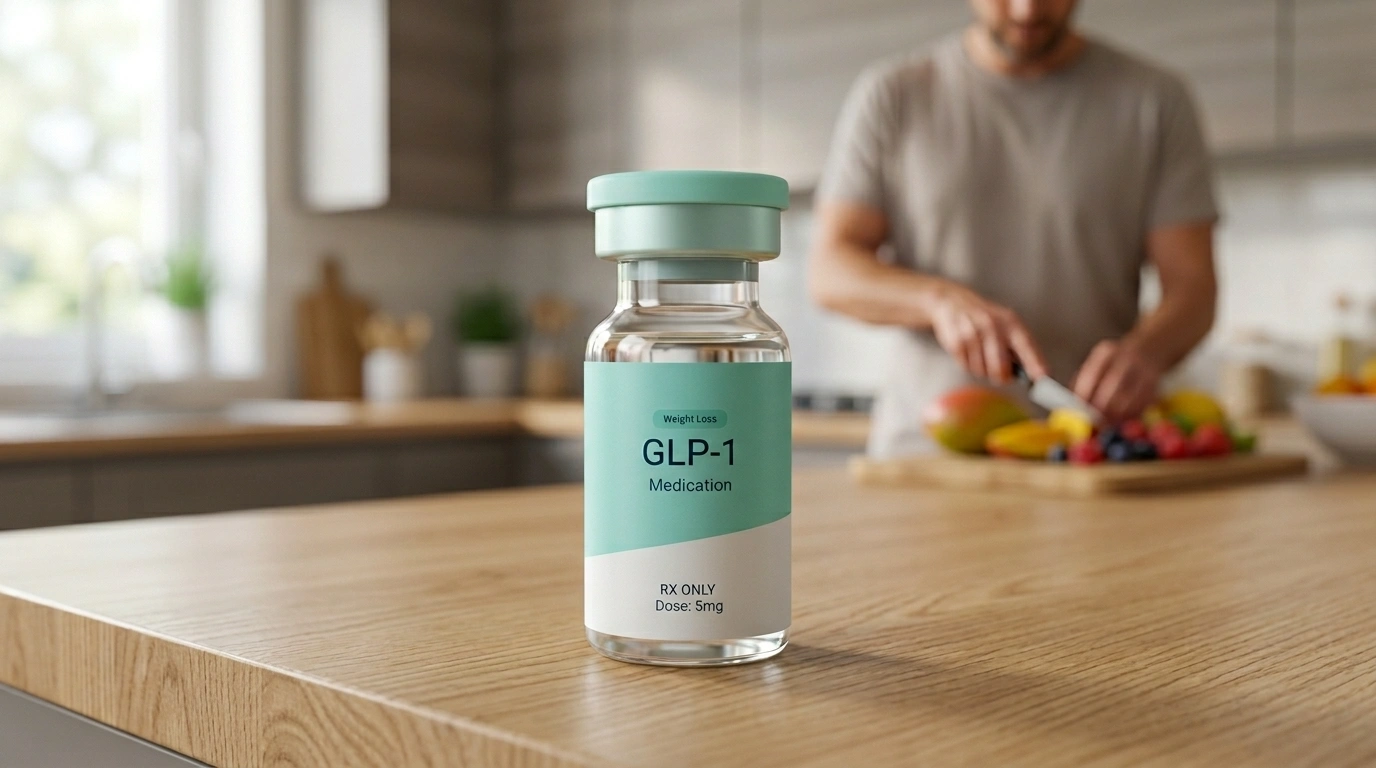
Finding a weight loss solution that finally works can feel like a massive relief. For many, GLP-1 medications have provided that breakthrough after years of frustration with traditional diets. However, recent headlines about “Ozempic blindness” have caused understandable concern for those currently on these medications or considering starting them. At TrimRx, we believe that transparency and education are the foundations of a successful health journey.
This post will explore the recent research regarding Ozempic® (semaglutide) and eye health. We will look at why some patients experience temporary blurry vision and the rare condition known as NAION that has recently made news. We will also cover how our personalized programs help you monitor your health while pursuing your weight loss goals. Most importantly, we will address the central question: what is the actual risk to your vision when taking these medications?
The Mechanism of GLP-1 Medications and Your Eyes
To understand how a weight loss medication might affect your sight, it helps to understand how GLP-1 drugs work for weight loss. Ozempic® and other semaglutide-based drugs are GLP-1 receptor agonists. GLP-1 stands for glucagon-like peptide-1. This is a hormone your body naturally produces to regulate blood sugar and appetite.
These medications mimic that hormone. They signal your pancreas to release insulin, slow down how quickly your stomach empties, and tell your brain that you are full. While these actions primarily happen in the digestive and endocrine systems, your eyes are highly sensitive to the changes in blood sugar that follow.
Why Your Vision Might Change Initially
Many people notice a slight blurriness when they first start a GLP-1 program. This is usually not a sign of permanent damage. Instead, it is a physical reaction to your blood sugar levels stabilizing.
When blood sugar levels shift rapidly, it can change the fluid balance in your body. Your eyes are not exempt from this. The lens of your eye can actually change shape slightly as it absorbs or releases fluid in response to sugar levels. Because the lens is responsible for focusing light, a change in its shape leads to blurry vision.
As you age, the lens becomes less flexible. This is why older adults may notice this blurriness more than younger patients. In most cases, this is a temporary side effect. As your body adapts to its new, healthier blood sugar levels, the lens stabilizes. This usually happens within three to four months of starting the medication.
Key Takeaway: Initial blurry vision on GLP-1 medications is often caused by the eye lens changing shape due to shifting blood sugar levels, not permanent nerve damage.
Understanding the “Ozempic Blindness” Headlines
The term “Ozempic blindness” has been used in media reports to describe a condition called non-arteritic anterior ischemic optic neuropathy, or NAION. If you want a broader overview of GLP-1’s role in weight management, it helps to understand why these medications have become such a major part of the conversation.
It is a very rare but serious condition. It occurs when blood flow to the optic nerve is reduced or blocked. The optic nerve acts like a cable connecting your eye to your brain. If that cable loses its blood supply, it can lead to sudden vision loss.
What the Research Actually Says
A study published in JAMA Ophthalmology in July 2024 brought this issue into the spotlight. Researchers at a specialized eye hospital looked at several years of patient data. They found that patients taking semaglutide injections for diabetes or weight loss appeared to have a higher risk of being diagnosed with NAION compared to those not taking the drug.
The study reported that people with diabetes on semaglutide were about four times more likely to develop NAION. Those taking it for weight loss were about seven times more likely. While these numbers sound significant, it is vital to look at the context:
- Association is not causation: The study found a link, but it did not prove that the medication caused the condition.
- Small sample size: The actual number of cases was very small. For example, in the weight loss group, only 20 out of 979 people developed the condition.
- Referral bias: The study took place at a specialized eye center. These centers naturally see more people with rare eye diseases than a standard doctor’s office would.
- Existing risks: People with obesity and diabetes are already at a higher risk for NAION, regardless of the medications they take.
How Rare is the Risk?
According to data from the European Medicines Agency, the risk of NAION may affect roughly 1 in 10,000 people taking semaglutide. For the vast majority of users, the benefits of weight loss and blood sugar control far outweigh this extremely low risk. Medical organizations like the American Academy of Ophthalmology currently do not recommend that patients stop taking their medication based on this study.
Bottom line: While a statistical link was found between semaglutide and a rare eye condition, the absolute risk remains very low, and more research is needed to determine if the drug is the direct cause.
GLP-1s and Diabetic Retinopathy
For individuals with type 2 diabetes, there is another eye concern called diabetic retinopathy. This happens when high blood sugar damages the tiny blood vessels in the retina. If these vessels leak or grow incorrectly, it can lead to vision loss.
The Paradox of Rapid Improvement
It may seem confusing, but improving your blood sugar too quickly can sometimes cause a temporary worsening of diabetic retinopathy. Doctors have observed this for decades, long before GLP-1 medications existed.
When the body is used to very high sugar levels, a sudden drop can “stress” the blood vessels in the eye as they try to adapt to the new metabolic environment. In clinical trials for Ozempic®, a small percentage of patients (around 3% to 4%) saw their retinopathy worsen during the initial phase of treatment.
However, the long-term outlook is different. Controlling your diabetes is the best way to protect your vision for the rest of your life. Once the initial adjustment period passes, stable blood sugar levels generally help prevent the progression of eye disease.
Symptoms to Watch For
While the risk of serious vision loss is low, you should always be proactive about your eye health. Knowing the warning signs of NAION or worsening retinopathy allows you to seek help quickly.
Common symptoms of NAION include:
- Sudden loss of vision in one eye.
- A “smudge” or dark shadow in the lower or upper half of your vision.
- Vision loss that is painless and occurs overnight or upon waking.
- A decrease in how brightly you see colors.
Common symptoms of general vision changes include:
- Increased “floaters” or flashes of light.
- Persistent blurry vision that does not improve after a few months.
- A “curtain” coming down over your field of vision.
If you experience sudden or painless vision loss, you should contact a healthcare provider or an eye specialist immediately. In some cases of optic nerve issues, there is a very short window of time where medical intervention might help.
Who is at Higher Risk?
Not everyone has the same risk profile for eye issues. When we develop our personalized programs, we consider your medical history to ensure the treatment is appropriate for you.
Factors that may increase the risk of NAION include:
- A history of high blood pressure or significant drops in blood pressure during sleep.
- Sleep apnea, which can affect oxygen levels and blood flow.
- A “crowded” optic nerve (an anatomical feature some people are born with).
- A history of NAION in the other eye.
- Smoking, which damages blood vessels throughout the body.
If you have a history of significant eye disease, it is important to discuss this with your doctor before starting any GLP-1 medication. The weight loss medication checklist can help you think through the early steps as you progress through your weight loss journey.
How TrimRx Supports Your Health Journey
We understand that starting a new medication can bring up many questions. Our mission at TrimRx is to provide a safe, telehealth-based path to weight loss that doesn’t leave you searching for answers on your own. Take the free assessment quiz to see what your starting point looks like.
Personalized Treatment Plans
We don’t believe in a one-size-fits-all approach. Every program we facilitate starts with a thorough assessment of your health profile. This includes looking at your BMI, your medical history, and your specific health goals. This personalization helps ensure that you are on the right medication and the right dosage for your body. Complete the free assessment quiz to see if a plan fits your needs.
Medically Supervised Onboarding
Our process is designed to be gradual. Many of the side effects associated with GLP-1s, including the temporary blurry vision caused by blood sugar shifts, can be managed by starting with a lower dose. This allows your body to adjust slowly. Through our platform, you have access to a dedicated team of specialists who can answer questions about side effects at any time.
High-Quality Compounded Options
We connect our patients with licensed providers who may prescribe compounded medications when appropriate. These medications are prepared by FDA-registered and inspected compounding pharmacies. For those concerned about the availability of branded options like Wegovy® or Zepbound®, these compounded versions offer a way to access the benefits of semaglutide or tirzepatide under medical supervision.
Steps to Protect Your Eyes While on GLP-1s
While your medical team monitors your progress, there are steps you can take to support your eye health at home.
Step 1: Get a baseline eye exam. If you have diabetes or a history of eye issues, see an ophthalmologist before or shortly after starting your medication. This gives your doctor a “starting point” for comparison.
Step 2: Stay hydrated. Proper hydration helps maintain the fluid balance in your eyes. This may help lessen the severity of temporary blurry vision or dry eyes.
Step 3: Monitor your blood sugar. If you are using these medications for diabetes, keep a regular log of your levels. Avoiding extreme “spikes” and “crashes” is better for the blood vessels in your retinas.
Step 4: Supplement wisely. Nutritional support can play a role in overall wellness. Some users choose to support their journey with products like GLP-1 Daily Support supplement, which is designed to provide essential nutrients that may be lacking during a period of reduced calorie intake.
Step 5: Don’t ignore changes. If your vision changes suddenly, don’t wait for your next scheduled appointment. Early detection is the most important factor in managing rare eye conditions.
The Big Picture: Benefits vs. Risks
It is easy to focus on rare side effects, but it is equally important to remember why people seek these treatments in the first place. Obesity and uncontrolled type 2 diabetes are major risk factors for a host of life-threatening conditions, including heart disease, stroke, and kidney failure. They are also leading causes of long-term blindness through diabetic retinopathy.
For the majority of people, the health improvements gained from losing significant weight — such as lower blood pressure, better mobility, and improved cardiovascular health — far outweigh the very small statistical risk of rare eye conditions.
At TrimRx, we are committed to helping you navigate these choices, and GLP-1 support can be part of the broader picture. We provide the clinical expertise and the personalized support needed to make your weight loss journey both effective and informed. Weight loss is about more than just a number on the scale; it is about reclaiming your health and your quality of life.
Conclusion
The question of whether you can go blind from taking Ozempic® has a complex answer. While there is a rare condition called NAION that has been associated with these medications in recent studies, the actual occurrence is extremely low. Most vision changes associated with GLP-1s are temporary and related to the body adjusting to better blood sugar levels.
Taking a proactive approach to your health is the best way to stay safe. This includes regular eye exams, staying hydrated, and working with a medical team that understands your unique health profile. We are here to guide you through every step of this process, ensuring you have the tools and the information you need to succeed safely.
Key Takeaway: The best way to protect your vision is to maintain regular communication with your healthcare providers and stay consistent with your eye exams while using GLP-1 medications.
If you are ready to see if a personalized weight loss program is right for you, the first step is simple. You can see if a personalized weight loss program is right for you and begin your journey toward a healthier lifestyle.
FAQ
Does Ozempic cause permanent blindness?
Permanent blindness is not a common side effect of Ozempic®, but a very rare condition called NAION, which causes sudden vision loss, has been associated with it in a recent study. For most users, vision changes are limited to temporary blurriness that resolves as blood sugar levels stabilize. You should discuss your specific risk factors with a healthcare provider.
Why is my vision blurry after starting semaglutide?
Blurry vision is a common early side effect caused by rapid changes in your blood sugar levels. These shifts can change the shape of the lens in your eye, making it harder to focus. This effect is usually temporary and typically improves within a few months as your body adjusts to the medication.
What should I do if my vision changes while taking a GLP-1?
If you notice a gradual, mild blurriness, mention it to your prescribing doctor at your next check-up. However, if you experience sudden, painless vision loss or a dark shadow in your field of vision, seek medical attention immediately. Early evaluation by an eye specialist is critical if serious symptoms occur.
Can I take Ozempic if I already have eye problems?
Many people with existing eye conditions like diabetic retinopathy can safely take GLP-1 medications, but they require closer monitoring. Your doctor may suggest more frequent eye exams to ensure that the rapid improvement in blood sugar doesn’t cause a temporary worsening of your condition. Always disclose your full medical history during your initial consultation, and see if you qualify for a personalized program if you want to better understand your options.
Disclaimer: This content is for informational purposes only and does not constitute medical advice. It is not intended to diagnose, treat, cure, or prevent any disease or condition. Individual results may vary. Always consult a qualified healthcare professional before starting any weight loss program or medication.

Transforming Lives, One Step at a Time
Keep reading
Why Does My Tongue Feel Coated on Ozempic?
Usually because there is less saliva washing your tongue clean, and less food passing over it to do the same job mechanically. Your tongue…
Starting a New Job With No Insurance While on Ozempic
The problem is usually a waiting period rather than a permanent loss, and waiting periods are plannable in a way that job loss is…
Does Collagen Help With Loose Skin on Ozempic?
Probably not for the thing you are hoping it will fix, and it is unlikely to do harm. Collagen supplements have been studied mainly…


