Can You Lose Weight on Lowest Dose of Zepbound?
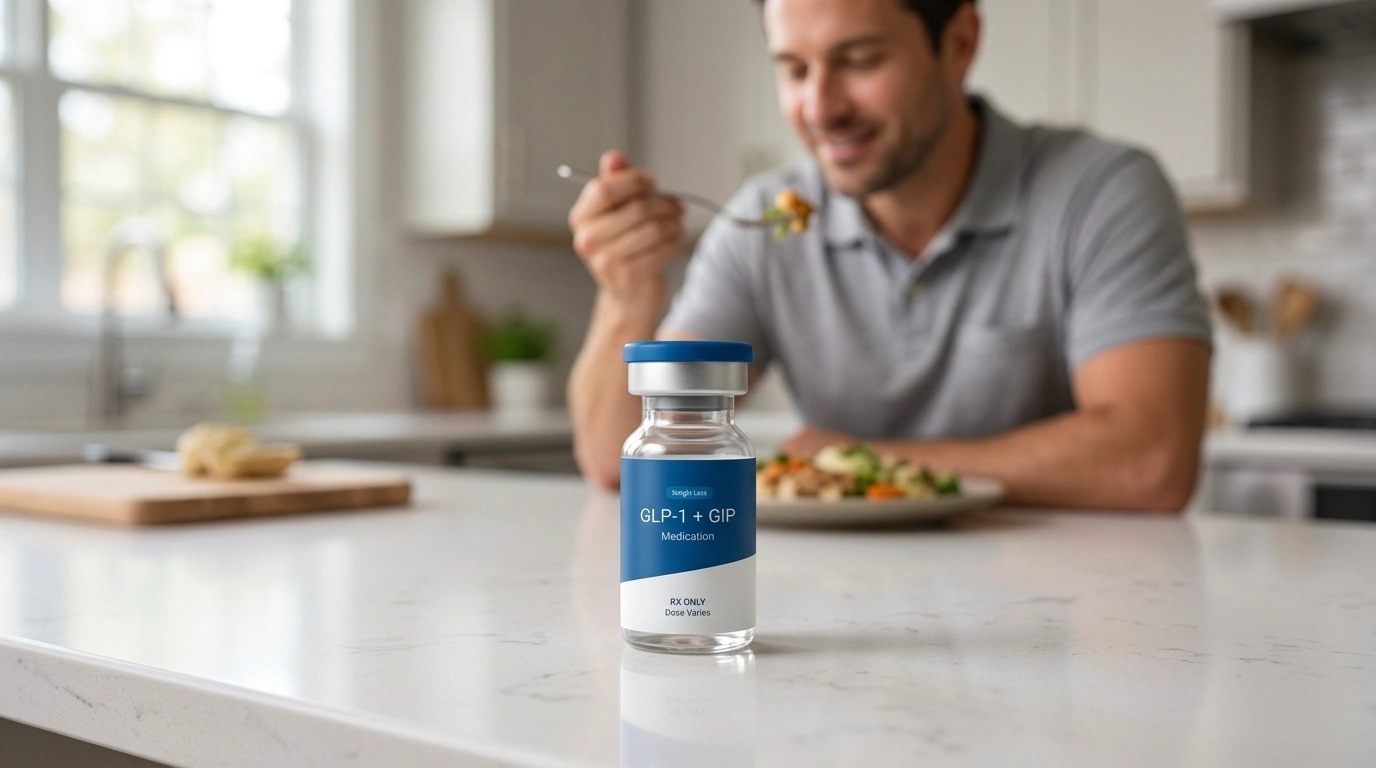
Table of Contents
- Introduction
- What is the Lowest Dose of Zepbound?
- How Tirzepatide Works in the Body
- Can You Lose Weight on the 2.5 mg Dose?
- The Science of Titration: Why Slow is Better
- Factors That Influence Weight Loss at the Starting Dose
- Managing Side Effects While Starting Your Journey
- When to Move from 2.5 mg to 5 mg
- Comparison: Zepbound® vs. Compounded Tirzepatide
- Personalized Support Through TrimRx
- Maximizing Results with Lifestyle Habits
- Step-by-Step: Starting Your Weight Loss Journey
- Conclusion
- FAQ
Introduction
Standing on the scale after the first week of a new medication can be a moment of high anxiety and even higher hope. If you have recently started your journey with Zepbound® (Tirzepatide), you may be wondering if the 2.5 mg starting amount is enough to see real changes. It is a common frustration to feel like you are “waiting” for the medication to kick in while your body adjusts. If you want to see whether you may be a fit for a personalized program, take the free assessment quiz. At TrimRx, we understand that every individual’s metabolic health is unique, and the path to sustainable weight loss is rarely a straight line. This article will explain the clinical purpose of the lowest dose, whether weight loss is expected at this stage, and how to manage your expectations as you begin. While 2.5 mg is primarily an initiation dose designed to acclimate your system, its impact on your weight can vary significantly based on your biological response.
What is the Lowest Dose of Zepbound?
The lowest dose of Zepbound® is 2.5 mg, which is administered as a once-weekly injection. In the world of metabolic medicine, this is often referred to as a “loading dose” or an “initiation dose.” Its primary function is not necessarily to maximize fat loss immediately, but to introduce the medication to your body slowly.
To understand the science behind that start, this GLP-1 explainer breaks down how these hormones affect appetite, satiety, and metabolism. By starting at 2.5 mg, healthcare providers allow your gastrointestinal system and your brain’s hunger centers to adapt to the presence of Tirzepatide. Zepbound® is a dual-receptor agonist, meaning it mimics two different natural hormones in the body: Glucagon-like peptide-1 (GLP-1) and Glucose-dependent insulinotropic polypeptide (GIP). These hormones are responsible for regulating insulin secretion, slowing down stomach emptying, and signaling to the brain that you are full.
Because these hormones have a powerful effect on the digestive tract, jumping straight into a high dose could lead to significant discomfort. The 2.5 mg dose acts as a bridge, helping to minimize potential side effects like nausea or indigestion before you move toward the higher, more therapeutic doses used in clinical studies.
How Tirzepatide Works in the Body
To understand if weight loss is possible on the lowest dose, it is helpful to look at the science behind Tirzepatide. This medication represents a significant step in weight management because it targets two separate pathways instead of just one.
For readers comparing real-world response patterns, this tirzepatide article on stalled progress is helpful context.
Glucagon-like Peptide-1 (GLP-1) Receptor Agonism
GLP-1 is a hormone naturally produced in your gut when you eat. It tells your pancreas to release insulin, which lowers blood sugar. More importantly for weight loss, it acts on the hypothalamus—the part of the brain that controls appetite. It also slows down gastric emptying, which is the process of food leaving your stomach. This means you feel physically full for a longer period after a meal.
Glucose-dependent Insulinotropic Polypeptide (GIP) Receptor Agonism
GIP is the second hormone that Tirzepatide mimics. While researchers are still learning about the full extent of GIP’s role, evidence suggests it complements GLP-1 by further improving how the body breaks down sugar and fats. It may also help reduce the nausea often associated with GLP-1 medications, potentially making the treatment easier to tolerate.
Quick Answer: Yes, it is possible to lose weight on the 2.5 mg dose of Zepbound®, but it is not guaranteed for everyone. While some “super-responders” see immediate results, the 2.5 mg dose is clinically intended to prepare your body for higher doses rather than serve as the primary weight-loss stage.
Can You Lose Weight on the 2.5 mg Dose?
The short answer is yes, many people do lose weight while taking the 2.5 mg dose. However, it is essential to distinguish between a “starting response” and a “therapeutic response.”
If you want a realistic timeline for what weight changes can look like over time, this tirzepatide results guide is a useful reference. In clinical trials like the SURMOUNT-1 study, participants did not stay on the 2.5 mg dose for the duration of the trial. Instead, they increased their dose every four weeks. However, data showed that even in the first month, many participants began to see a downward trend on the scale.
For some individuals, even this small amount of medication is enough to significantly dampen “food noise”—the intrusive, constant thoughts about eating. When food noise disappears, it becomes much easier to maintain a calorie deficit without feeling deprived. If your body is particularly sensitive to these hormonal signals, you might find that you lose several pounds during the first four weeks on 2.5 mg.
Key Takeaway: The 2.5 mg dose is an introductory phase. Success at this stage is often measured more by how well you tolerate the medication and the reduction in appetite rather than a specific number of pounds lost.
The Science of Titration: Why Slow is Better
Titration is the process of gradually increasing the dose of a medication to find the most effective amount while minimizing side effects. For Zepbound®, the standard titration schedule involves staying on each dose for at least four weeks.
If you are just getting started and want a broader look at the first steps, how to start a weight loss journey that lasts offers a helpful framework.
- Month 1: 2.5 mg (Initiation)
- Month 2: 5 mg
- Month 3: 7.5 mg
- Month 4: 10 mg (and so on, up to 15 mg)
If you were to skip the 2.5 mg dose and go straight to a higher dose, the risk of severe nausea, vomiting, or diarrhea would increase significantly. By following this steady climb, your body’s GLP-1 and GIP receptors have time to adjust. This gradual approach is a cornerstone of the programs we facilitate at TrimRx, as it prioritizes patient comfort and long-term adherence. If you feel too sick to eat or go about your day, you are less likely to stick with the treatment.
Myth: If I don’t lose weight on 2.5 mg, the medication isn’t working.
Fact: The 2.5 mg dose is sub-therapeutic for many people. Its primary job is to prepare your system for the 5 mg dose and beyond, where more significant weight loss typically occurs.
Factors That Influence Weight Loss at the Starting Dose
Not everyone will have the same experience during their first month. Several factors determine whether the scale moves while you are on the lowest dose.
Initial Body Composition
Individuals with a higher starting BMI (Body Mass Index) may notice a more rapid initial drop in weight, which is often a combination of water weight, reduced inflammation, and fat loss. Someone closer to their goal weight might find that their body requires a higher dose of the medication to overcome metabolic plateaus.
Metabolic Sensitivity
Biology is not uniform. Some people are “super-responders” to GLP-1 medications. Their receptors are highly sensitive to the hormone, meaning even a tiny amount of Tirzepatide sends a strong “stop eating” signal to the brain. Others are “slow responders” who may not feel any change in appetite until they reach 7.5 mg or 10 mg.
Diet and Activity Levels
While Zepbound® is a powerful tool, it works best in tandem with lifestyle changes. If an individual uses the reduced hunger from the 2.5 mg dose to focus on high-protein meals and regular movement, they are far more likely to see results than someone who does not change their habits.
Previous Experience with GLP-1s
If you are switching from another medication, such as Wegovy® (Semaglutide), your body may already have some tolerance to these hormones. In such cases, the 2.5 mg initiation dose of Zepbound® might feel very mild, and weight loss might not pick up until you reach a dose that exceeds your previous medication’s potency.
Managing Side Effects While Starting Your Journey
Even at the lowest dose, some people experience mild side effects. Managing these early on is key to staying on track. Common experiences include:
- Mild Nausea: Often occurs a day or two after the injection.
- Changes in Bowel Habits: Constipation or mild diarrhea as the digestive tract slows down.
- Fatigue: As the body adjusts to a lower caloric intake and the medication’s effects. If you are looking for extra energy support during this phase, Weight Loss Boost supplement may be worth exploring.
To support your body during this phase, focus on hydration. Drinking plenty of water is essential, as GLP-1 medications can change how your body manages fluids. Many patients find that GLP-1 Daily Support supplement can help provide the nutritional support their body needs when they are eating less.
Bottom line: Side effects at 2.5 mg are usually a sign that the medication is interacting with your system. Most of these symptoms are temporary and subside as you move through the program.
When to Move from 2.5 mg to 5 mg
Standard clinical guidance suggests moving from 2.5 mg to 5 mg after the first four weeks. However, this is always a decision made in consultation with a licensed healthcare provider.
If you are ready to see whether a provider-guided program is a fit, take the free assessment quiz.
Signs it may be time to move up:
- You have completed your first four weeks and have had no severe side effects.
- You are starting to feel “food noise” return toward the end of the week.
- The initial suppression of appetite has decreased.
- Your weight loss has plateaued for several weeks (though this is less common in the first month).
Signs you might stay on 2.5 mg longer:
- In some cases, if a patient is losing weight consistently and safely on 2.5 mg with zero side effects, a provider might choose to keep them at that level. However, for most, the move to 5 mg is necessary to reach the target weight-loss goals seen in clinical research.
Comparison: Zepbound® vs. Compounded Tirzepatide
When looking for weight loss solutions, many people consider both branded medications like Zepbound® and compounded versions. It is important to understand the differences in how these are accessed and what they contain.
| Feature | Zepbound® | Compounded Tirzepatide |
|---|---|---|
| Active Ingredient | Tirzepatide | Tirzepatide |
| FDA Status | FDA-approved branded drug | Not FDA-approved; prepared in pharmacies |
| Availability | Retail pharmacies | Specialized compounding pharmacies |
| Administration | Single-use autoinjector pen | Multi-dose vial and syringe |
| Insurance | May be covered by some plans | Usually not covered; direct-to-patient |
Through the platform at TrimRx, we connect you with licensed providers who can prescribe compounded Tirzepatide. These medications are prepared in FDA-registered, inspected compounding pharmacies. This can be an excellent option for those who face insurance hurdles or supply shortages at traditional retail pharmacies.
Personalized Support Through TrimRx
Weight loss is not a one-size-fits-all experience. A dose that works for one person may be insufficient for another. This is why we advocate for a personalized approach. When you use the TrimRx platform, you aren’t just getting a prescription; you are getting a supervised program tailored to your health profile.
For a closer look at the process behind medication access, how to order GLP-1 medications for effective weight loss walks through the telehealth side of treatment. The journey starts with a comprehensive assessment quiz. This helps the independent providers we work with understand your medical history, your previous attempts at weight loss, and your specific goals. From there, if you are eligible, a program is designed for you that includes:
- Doctor Consultations: Access to licensed professionals who can adjust your dosage as needed.
- Medication Access: Convenient shipping from high-quality compounding pharmacies.
- Ongoing Support: A dedicated team to help you navigate side effects and plateaus.
By centralizing these services, we remove the friction of traditional weight loss clinics. There are no waiting rooms or complex insurance forms—just science-backed care delivered to your door.
Maximizing Results with Lifestyle Habits
To get the most out of the 2.5 mg dose and every dose that follows, your lifestyle habits should act as a force multiplier for the medication.
Prioritize Protein
Because Zepbound® makes you feel full faster, you will likely be eating less. It is critical that the food you do eat is nutrient-dense. Aim for high protein intake to protect your lean muscle mass while you lose fat. This also helps keep your metabolism strong.
Hydrate and Replenish Electrolytes
Slowing digestion can affect how your body absorbs water. Drinking water throughout the day—not just when you are thirsty—can prevent headaches and constipation.
Focus on Strength Training
Resistance training is one of the best ways to ensure that the weight you lose comes from fat stores rather than muscle. Even two days a week of bodyweight exercises or lifting weights can make a significant difference in your body composition.
Monitor Your Progress Beyond the Scale
On the 2.5 mg dose, you might not see a huge change in your weight, but you might notice:
- Your clothes fit differently.
- You have more energy throughout the day.
- You no longer feel the urge to snack late at night.
- Your blood sugar levels are more stable.
Step-by-Step: Starting Your Weight Loss Journey
If you are ready to see how a personalized GLP-1 or GIP/GLP-1 program can help you, here is how the process works with us.
- Step 1: Take the Free Assessment Quiz. Answer questions about your health, BMI, and weight loss goals to see if you are a candidate for treatment.
- Step 2: Consult with a Licensed Provider. A healthcare professional will review your profile and, if appropriate, prescribe a treatment plan tailored to your needs.
- Step 3: Receive Your Medication. Your medication is shipped directly from a regulated compounding pharmacy to your home, including all necessary supplies.
- Step 4: Begin Your Program. Start with the 2.5 mg initiation dose and receive ongoing guidance on how to manage your progress and move to higher doses when the time is right.
Key Takeaway: Success is a long-term game. The lowest dose of Zepbound® is simply the first step in a multi-month process designed to reset your metabolic health.
Conclusion
Losing weight on the lowest dose of Zepbound® is possible, but it is not the primary goal of the 2.5 mg phase. This initial month is about safety, adaptation, and preparing your body for the higher therapeutic doses that lead to sustainable results. Whether you see an immediate drop on the scale or are waiting for the higher doses to kick in, the important thing is that you have started.
At TrimRx, our mission is to help individuals embrace healthier lifestyles through science, empathy, and a transparent, personalized approach to weight loss. We believe that by combining modern telehealth with proven medications, we can make lasting health more accessible for everyone.
If you are ready to take the next step toward a healthier version of yourself, complete the assessment quiz.
- Focus on protein-rich nutrition and hydration.
- Stay consistent with your weekly injections.
- Consider supportive options like GLP-1 Daily Support supplement if your appetite drops significantly.
FAQ
Is it normal to not lose weight in the first month on 2.5 mg?
Yes, it is very common. The 2.5 mg dose is intended to help your body adjust to the medication and is often not high enough to produce significant weight loss. Most clinical results are based on patients moving up to the 5 mg, 10 mg, or 15 mg doses over several months.
How do I know if the 2.5 mg dose is working?
Even if the scale isn’t moving, you can look for other signs. These include a decrease in “food noise,” feeling full sooner during meals, and a reduced desire for high-calorie or sugary snacks. These are all indicators that the Tirzepatide is beginning to interact with your hormone receptors.
Can I stay on the 2.5 mg dose if I am losing weight?
While the standard protocol involves moving to 5 mg after four weeks, some healthcare providers may choose to keep a patient on 2.5 mg if they are achieving consistent results and wish to minimize side effects. If you want to see whether a supervised program is appropriate for you, take the free assessment quiz.
What should I do if I have nausea on the lowest dose?
Mild nausea is a frequent side effect as your body adapts. You can manage this by eating smaller, more frequent meals, avoiding greasy or spicy foods, and staying well-hydrated. If the nausea is persistent or severe, you should contact your healthcare provider to discuss strategies or potential dosage adjustments.
Disclaimer: This content is for informational purposes only and does not constitute medical advice. It is not intended to diagnose, treat, cure, or prevent any disease or condition. Individual results may vary. Always consult a qualified healthcare professional before starting any weight loss program or medication.

Transforming Lives, One Step at a Time
Keep reading

Kids’ Birthday Party on Zepbound
If you have young children, birthday parties are a regular part of life: your own child’s, and the steady stream of classmates’ parties most…
Water Aerobics on Zepbound
For people with painful knees, hips, or backs, water aerobics and pool exercise are often the first kind of exercise that feels possible. The…

New Year’s Eve on Zepbound
New Year’s Eve is built around staying up late. There is usually a big dinner or a party spread, drinks through the evening, champagne…


