Can You Overdose on Tirzepatide Compound?
Introduction
Starting a medical weight loss journey often brings a mix of excitement and nerves. For many, the transition to self-injectable medications like compounded tirzepatide involves a learning curve regarding dosing and administration. A common concern for those new to this treatment is whether it is possible to take too much. Understanding the safety profile and proper usage of your medication is the first step toward a successful outcome. At TrimRx, we prioritize your safety by connecting you with licensed providers who create personalized plans tailored to your specific health needs. If you’re ready to see whether treatment is a fit, you can take the free assessment quiz. This post will cover the risks of accidental overdose, how to recognize the symptoms of taking too much medication, and the steps you can take to ensure your dosing remains accurate and safe.
Quick Answer: Yes, it is possible to overdose on compounded tirzepatide if you exceed the prescribed dose or miscalculate the volume in a syringe. While usually not life-threatening, an overdose typically causes severe gastrointestinal distress, such as intense nausea and prolonged vomiting.
What Is Tirzepatide Compound?
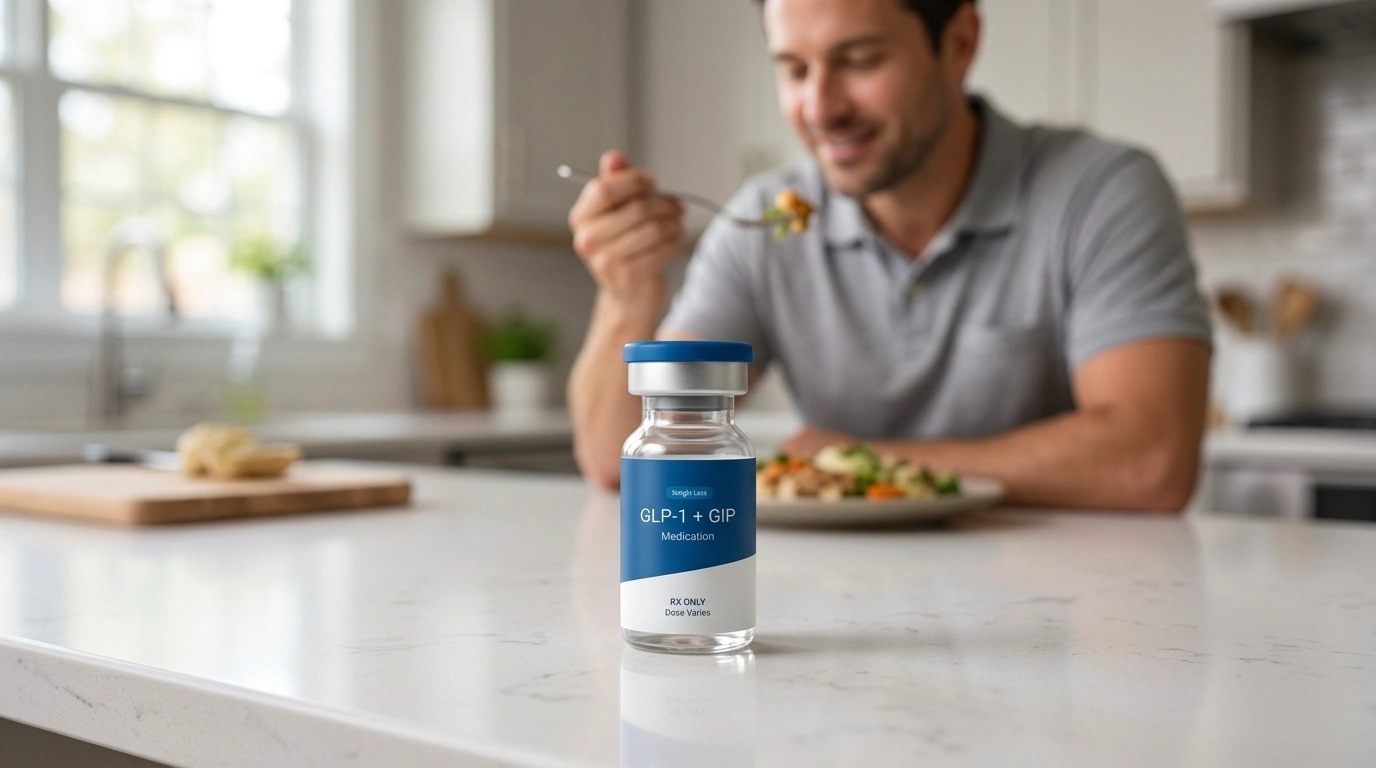
Tirzepatide is a unique medication known as a dual agonist. It works by mimicking two natural hormones in your body: glucagon-like peptide-1 (GLP-1) and glucose-dependent insulinotropic polypeptide (GIP). These hormones play a critical role in how your body manages blood sugar and signals feelings of fullness to your brain. By activating both receptors, tirzepatide helps slow down stomach emptying and reduces appetite more significantly than medications that only target one hormone. For a broader overview of GLP-1 treatment support, see our guide on what GLP-1 support means in a weight loss program.
Compounded tirzepatide refers to a version of the medication prepared by a specialized pharmacy. These pharmacies combine, mix, or alter ingredients to create a medication tailored to an individual’s needs. It is important to note that while the ingredients are often sourced from high-quality suppliers, compounded tirzepatide is not FDA-approved. However, the pharmacies we work with are FDA-registered and inspected, ensuring they meet strict quality and safety standards.
The medication is typically administered once a week via a subcutaneous injection—meaning it goes into the fatty tissue just under the skin. Because compounded versions often come in a vial rather than a pre-filled pen, the user must manually draw the medication into a syringe. This manual process is where the importance of dosing education becomes vital.
Can You Overdose on Tirzepatide?
An overdose occurs when you take more than the medically recommended or prescribed amount of a substance. With tirzepatide, an overdose is rarely a toxic “poisoning” in the traditional sense, but rather an extreme intensification of the drug’s side effects. Because the medication stays in your system for a long time—having a half-life of about five days—the effects of taking too much can last for a week or more. If you want help getting started with a supervised program, the free assessment quiz is the natural next step.
Most cases of overdose with compounded medications happen due to human error. This often involves a misunderstanding of “units” versus “milligrams” on a syringe. If a patient is prescribed 2.5 milligrams but draws 25 units of a highly concentrated solution without checking the math, they may inadvertently take a much higher dose than intended.
Key Takeaway: Overdosing on tirzepatide is usually a result of dosing calculation errors rather than the drug’s inherent toxicity, leading to severe but generally manageable gastrointestinal symptoms.
Symptoms of a Tirzepatide Overdose
If you accidentally take more tirzepatide than prescribed, your body will likely react within a few hours to a day. The symptoms are primarily related to the digestive system and the way the medication influences blood sugar levels.
Severe Gastrointestinal Distress
The most common sign of taking too much tirzepatide is extreme nausea. This is often accompanied by forceful or repeated vomiting that can last for several days. Because the medication slows gastric emptying, the food remains in your stomach longer, which can lead to intense bloating, abdominal cramping, and “sulfur burps.” For more context on what is normal versus concerning, our article on common tirzepatide side effects may help.
Dehydration
When vomiting and diarrhea are severe and prolonged, dehydration becomes a significant risk. Symptoms of dehydration include:
- Extreme thirst
- Dry mouth and skin
- Dizziness or lightheadedness
- Dark-colored urine or decreased urination
- Rapid heartbeat
Hypoglycemia (Low Blood Sugar)
Tirzepatide is designed to help the body release insulin when blood sugar is high. While it does not typically cause dangerously low blood sugar in healthy individuals, an overdose—especially when combined with other medications or a lack of food intake—can cause hypoglycemia. Signs include shakiness, sweating, confusion, and palpitations.
Acute Pancreatitis
While rare, very high levels of GLP-1 and GIP activity can put stress on the pancreas. If you experience severe, persistent abdominal pain that radiates to your back, you should seek medical attention immediately, as this could indicate inflammation of the pancreas.
Why Dosing Errors Happen with Compounds
The shift from branded medications to compounded versions often means moving from an “auto-injector” to a “vial and syringe” system. Branded medications like Mounjaro® or Zepbound® use pre-set pens that click when the dose is delivered. With compounded tirzepatide, the responsibility for measuring the dose falls on the patient.
Common reasons for errors include:
- Confusing Units and Milligrams: Most insulin syringes are marked in units. However, your prescription is written in milligrams (mg). You must know exactly how many units on your specific syringe equal your prescribed milligram dose.
- Concentration Variations: Different compounding pharmacies may provide the medication in different concentrations. If you switch pharmacies, the number of units you need to pull into the syringe might change, even if your milligram dose stays the same.
- Poor Visibility: The markings on small syringes can be difficult to read, leading to “eyeballing” the dose, which is never safe.
Myth: “If I miss a dose, I should take two doses at once to catch up.” Fact: You should never double your dose. If you miss a dose of tirzepatide, consult your provider. Taking a double dose significantly increases the risk of an overdose and severe illness.
The Importance of the Titration Schedule
To minimize the risk of illness and ensure your body tolerates the medication, we follow a strict titration schedule. This means you start at a very low dose, typically 2.5 mg per week, for the first month. This “loading dose” is not usually meant for significant weight loss; rather, it prepares your metabolic system for the medication.
Gradually, under the guidance of a licensed healthcare provider, your dose is increased. This slow build-up allows your brain and gut to adjust to the hormonal changes. Skipping steps in this schedule or jumping to a high dose too quickly can mimic the effects of an overdose, causing your body to react negatively to the sudden influx of the medication. If you’re curious about how treatment progresses over time, read our guide to the tirzepatide journey and what to expect.
What to Do if You Take Too Much
If you realize you have administered more than your prescribed dose, do not panic. Most people recover from a tirzepatide overdose with supportive care and time. However, you should take the following steps:
- Contact Your Healthcare Provider: Inform the medical team supervising your weight loss program immediately. They can provide specific guidance based on your health history and the exact amount you took.
- Monitor Your Symptoms: Keep a close eye on how you feel. If you are able to keep liquids down, prioritize hydration with water or electrolyte-rich drinks.
- Check Your Blood Sugar: If you have access to a glucose monitor, check your levels to ensure you are not experiencing hypoglycemia.
- Seek Emergency Care if Needed: If you cannot stop vomiting, feel extremely faint, or experience severe abdominal pain, go to an urgent care center or emergency room. They can provide intravenous (IV) fluids and anti-nausea medication to help you recover.
How to Prevent an Overdose
Prevention is the best strategy when handling injectable medications. Being proactive about your dosing routine can eliminate the vast majority of risks.
Verify Every Dose
Before you draw the medication into the syringe, double-check your prescription. Confirm the concentration listed on the vial and match it to the instructions provided by your clinical team. If your instructions say “30 units,” make sure the plunger stops exactly at the 30 line.
Use the Correct Supplies
Only use the syringes provided or recommended by the pharmacy. Using a syringe with a different scale (such as a 1mL syringe vs. a 0.5mL syringe) can lead to confusion if you are not familiar with the markings.
Educate Yourself on “Units”
A “unit” is a measurement of volume, while a “milligram” is a measurement of the drug’s weight or strength. At TrimRx, we ensure you have access to clear guides that explain exactly how to measure your specific dose using the supplies provided.
Avoid Distractions
Administer your medication in a well-lit area when you are not rushed. Distractions are the leading cause of accidental “double-dosing” or drawing too much liquid into the syringe.
The TrimRx Approach to Safety
We believe that personalized care is the foundation of safe weight loss. Our platform connects you with licensed providers who oversee your progress and ensure your dosing is appropriate for your body’s response. When you use the TrimRx platform, you aren’t just getting a prescription; you are getting a structured program designed to reduce the risk of errors.
Our process begins with a comprehensive assessment quiz that looks at your medical history and goals. From there, if you are a candidate for treatment, you receive medication from high-quality compounding pharmacies that include clear, easy-to-follow instructions. We also provide 24/7 access to support, so if you ever have a question about your dose, you can get an answer before you ever pick up the syringe. If you want to see whether you qualify, you can complete the free assessment quiz.
Bottom line: While the risk of a life-threatening overdose is low, the discomfort of taking too much tirzepatide is significant. Following a professional, supervised program is the best way to stay safe.
Managing Common Side Effects vs. Overdose
It is important to distinguish between the normal side effects of tirzepatide and the signs of an overdose. Most people will experience some mild nausea or a change in bowel habits when they first start or when they increase their dose.
Normal Side Effects:
- Mild nausea that comes and goes.
- Feeling full quickly after small meals.
- Occasional constipation or mild diarrhea.
- Slight fatigue on the day after the injection.
Overdose Signs:
- Inability to keep any food or water down for more than 12 hours.
- Severe, cramping abdominal pain.
- Significant dizziness or fainting.
- Confusion or extreme lethargy.
If your symptoms feel unmanageable or prevent you from going about your daily life, it is time to consult your healthcare provider, regardless of whether you think you took too much or not. For a deeper look at symptom patterns, see our post on understanding tirzepatide side effects.
Nutritional Support During Treatment
When taking medications that affect your appetite, like tirzepatide, it is essential to support your body with the right nutrients. Since you will be eating less, the quality of what you eat—and the supplements you take—becomes more important.
Many people find that a GLP-1 Daily Support supplement helps manage the common “background” digestive issues that can occur during treatment. This can make the journey more comfortable and help you stay on track with your weight loss goals. Additionally, a Weight Loss Boost supplement can provide the metabolic support needed to ensure you are losing fat while maintaining energy levels.
Step-by-Step: How to Safely Start Your Program
If you are ready to explore how tirzepatide can support your health journey, the process is straightforward and designed with safety as the priority.
Step 1: Complete the Free Assessment Quiz. Visit our platform to fill out a detailed health questionnaire. This helps licensed providers determine if a GLP-1 or GIP medication is the right fit for your body.
Step 2: Consult with a Provider. A licensed healthcare professional will review your information. They will determine your starting dose and create a titration plan that minimizes side effects.
Step 3: Receive Your Personalized Program. If prescribed, your medication and supplies are shipped directly to your door from an FDA-registered compounding pharmacy. This includes everything you need for accurate dosing.
Step 4: Ongoing Monitoring and Support. As you progress, you can check in with your team to adjust your dosage. This ensures you are always taking the minimum amount necessary to see results while staying well within safety limits.
Conclusion
Can you overdose on tirzepatide compound? While the word “overdose” sounds frightening, in the context of GLP-1 and GIP medications, it almost always refers to an accidental dosing error that leads to temporary but severe gastrointestinal distress. By understanding the difference between milligrams and units, following a professional titration schedule, and working with a dedicated support team, you can virtually eliminate this risk.
Our mission is to help you achieve sustainable, healthy weight loss through a transparent and medically supervised approach. We combine clinical expertise with the convenience of telehealth to make sure you feel confident in every step of your treatment. If you are ready to take a realistic and safe next step in your weight loss journey, you can start with the free assessment quiz.
Summary Takeaways:
- Overdoses are usually caused by manual dosing errors with vials and syringes.
- The primary symptoms are severe nausea, vomiting, and potential dehydration.
- Prevention relies on clear education, careful measurement, and following a slow titration schedule.
- Always consult a licensed provider if you suspect you have taken the wrong amount.
FAQ
What are the signs of a tirzepatide overdose?
The most common signs include severe and persistent nausea, forceful vomiting, intense abdominal pain, and symptoms of dehydration like dizziness or dark urine. Some individuals may also experience low blood sugar, which can cause shakiness, sweating, and confusion. These symptoms are generally an extreme version of the medication’s standard side effects.
What should I do if I take too much tirzepatide?
If you suspect an overdose, contact your healthcare provider or the clinical team at your weight loss platform immediately for guidance. Focus on staying hydrated with small sips of water or electrolytes if you can tolerate them. If you experience uncontrollable vomiting or severe pain, seek care at an urgent care or emergency department for supportive treatments like IV fluids.
Why is dosing confusion common with compounded medications?
Confusion often arises because compounded tirzepatide is typically drawn from a vial into a syringe manually, rather than using a pre-filled auto-injector pen. Patients may confuse “units” on the syringe with “milligrams” of the medication, or they may be unaware that different pharmacies use different concentrations. This makes careful reading of the pharmacy’s specific instructions essential for safety.
Can a tirzepatide overdose cause low blood sugar?
While tirzepatide is designed to only stimulate insulin release when blood sugar is elevated, a significant overdose can potentially lead to hypoglycemia, especially if the person is not eating or is taking other glucose-lowering medications. Symptoms of low blood sugar include feeling faint, shaky, sweaty, or confused. It is important to monitor how you feel and have a source of fast-acting sugar nearby if you are prone to blood sugar fluctuations.
Disclaimer: This content is for informational purposes only and does not constitute medical advice. It is not intended to diagnose, treat, cure, or prevent any disease or condition. Individual results may vary. Always consult a qualified healthcare professional before starting any weight loss program or medication.

Transforming Lives, One Step at a Time
Keep reading

How to Get Tirzepatide Hollywood — Prescribed Online Today
Get tirzepatide Hollywood through licensed telehealth — California residents receive FDA-registered compounded prescriptions shipped in 48 hours without

Tirzepatide Online Hollywood — Prescription Access &
Tirzepatide online Hollywood connects residents to licensed telehealth providers who prescribe and ship compounded GLP-1 medications directly to your door

Telehealth Tirzepatide Hollywood — Licensed RX Delivered
Telehealth tirzepatide Hollywood connects you with licensed providers remotely — compounded medication ships within 48 hours. No office visits required.


