Can You Put Zepbound Back in the Fridge? Storage and Safety Tips
Introduction
Finding your medication box sitting on the kitchen counter instead of in the refrigerator can cause an immediate wave of anxiety. When you are investing time, effort, and resources into a weight loss journey, the last thing you want is for a simple storage mistake to compromise your progress. At TrimRx, we understand that managing modern medications like GLP-1s involves a learning curve, and logistical questions about temperature stability are among the most common concerns we hear from our community.
Whether you accidentally left your Zepbound® out overnight or you are planning for an upcoming trip, knowing how to handle temperature fluctuations is essential for maintaining the medication’s potency. This article covers the specific storage requirements for different versions of the medication, the science behind why temperature matters, and practical steps to take if your medication has been left out. We will also look at how our personalized programs help you navigate these clinical details with confidence.
Quick Answer: If you are using standard single-dose Zepbound® pens or vials, the manufacturer recommends that you do not return them to the refrigerator once they have reached room temperature. They remain safe and effective for up to 21 days at room temperature (up to 86°F). However, if you have the multi-dose KwikPen®, it can be stored in either the fridge or at room temperature for up to 30 days after the first use.
The Science of Temperature and Tirzepatide
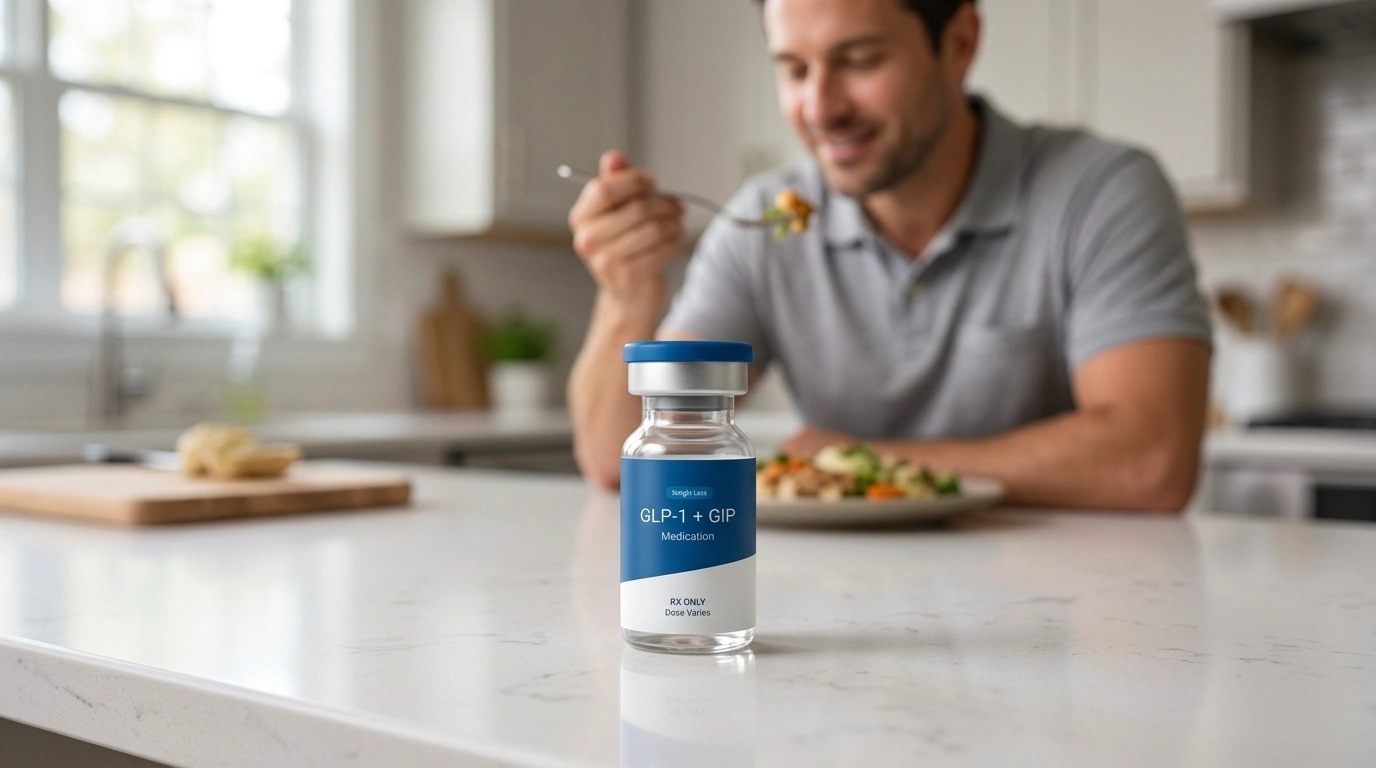
To understand why storage rules are so specific, it helps to know what is happening inside the pen. Zepbound® contains the active ingredient tirzepatide. This is a dual agonist that mimics two natural hormones in the body: glucagon-like peptide-1 (GLP-1) and glucose-dependent insulinotropic polypeptide (GIP). These hormones are essentially proteins, specifically called peptides.
Peptides are complex chains of amino acids that are held together in a very specific shape. This shape is what allows the medication to bind to receptors in your body, signaling your brain to feel full and helping your metabolism manage blood sugar more effectively. These protein structures are delicate. They are highly sensitive to their environment, particularly temperature and light. For broader context, review these GLP-1 medication refrigeration guidelines.
Why Peptides Degrade
When a peptide-based medication like tirzepatide is exposed to heat or freezing temperatures, the molecular bonds can begin to break or “unfold.” This process is known as denaturation. Once the protein loses its shape, it can no longer fit into the body’s receptors like a key fits into a lock.
If the medication degrades, it does not necessarily become toxic or “poisonous.” Instead, it simply loses its strength. An individual using degraded medication might find that their appetite returns sooner or that their weight loss stalls because the active ingredient is no longer potent enough to produce the desired biological response.
The Problem with Temperature Cycling
The reason manufacturers often advise against putting medication back in the fridge after it has warmed up is a phenomenon called temperature cycling. Moving a pen back and forth between cold and warm environments can cause microscopic condensation to form inside the mechanism or the vial.
This moisture, combined with the repeated expansion and contraction of the liquid, can potentially compromise the stability of the solution or the integrity of the delivery device. Consistency is the primary goal for keeping the medication effective until its expiration date. You can also review this tirzepatide storage and handling guide for additional handling considerations.
Storage Guidelines for Single-Dose Pens and Vials
The most common form of this medication in the United States is the single-dose prefilled pen. Because each pen is designed for one-time use, the storage instructions are geared toward protecting that single, high-value dose.
The 21-Day Rule
If you have single-dose pens or vials, they should ideally live in your refrigerator between 36°F and 46°F (2°C to 8°C). However, life happens. If a pen is removed from the fridge, it can stay at room temperature for up to 21 days.
“Room temperature” in this context has a very specific definition. It refers to temperatures that do not exceed 86°F (30°C). If your home or travel environment is warmer than this—for instance, during a summer heatwave or in a car without air conditioning—the 21-day window disappears, and the medication can be ruined much faster. For a detailed explanation, read how long Zepbound can remain outside the refrigerator.
Why You Should Not Re-Refrigerate
Once a single-dose pen has reached room temperature, you should leave it out and plan to use it within that three-week window. According to the manufacturer’s official prescribing information, you should not return these pens to the refrigerator.
This rule helps you avoid the confusion of “re-starting” the clock. It also protects the pen from the temperature cycling mentioned earlier. If you find yourself with multiple pens left out, the best course of action is to label the box with the date they were removed from the cold. This ensures you use the “room temperature” pens first before moving back to your refrigerated stock.
If you are considering a prescription weight management program, you can complete a free eligibility assessment.
Key Takeaway: Single-dose pens and vials are stable for 21 days at room temperature. Once they have warmed up, keep them at room temperature and use them first. Do not put them back in the fridge.
The Multi-Dose KwikPen Exception
In some instances, patients may be prescribed the KwikPen®, which is a multi-dose delivery system. Because this device is designed to be used for four consecutive weekly doses, the storage rules are slightly different and more flexible.
Storing an “In-Use” KwikPen
The KwikPen can be stored in the refrigerator or at room temperature (up to 86°F) after the first use. Unlike the single-dose pens, you are permitted to put this device back in the fridge if you prefer.
Regardless of whether you choose the fridge or the counter, the KwikPen must be discarded 30 days after the first use, even if there is still medication left inside. This 30-day limit is based on the preservatives in the multi-dose vial and the risk of bacterial contamination once the seal has been punctured for the first dose.
Comparison Table: Zepbound® Storage Guidelines
| Medication Format | Ideal Temperature | Room Temp Limit | Return to Fridge? |
|---|---|---|---|
| Single-Dose Pen | 36°F–46°F | 21 Days | No |
| Single-Dose Vial | 36°F–46°F | 21 Days | No |
| Multi-Dose KwikPen | 36°F–46°F | 30 Days | Yes |
Managing Storage Accidents: A Step-by-Step Guide
It is incredibly common to forget a box of medication on the counter after a trip to the pharmacy or to have a power outage that affects your kitchen appliances. If you find your medication has been out of the fridge, follow these steps to determine if it is still safe to use.
Step 1: Check the Duration
Try to determine exactly how long the medication was unrefrigerated. If it was left out overnight (8–12 hours) and your home stayed below 86°F, the medication is perfectly fine to use. Simply mark that pen to be used within the next 21 days.
Step 2: Evaluate the Temperature
Think about the environment where the medication was sitting. Was it in a dark bag, or was it on a windowsill in direct sunlight? Was it in a hot car? If the medication was exposed to temperatures above 86°F for any significant amount of time, the potency may be compromised even if it has been out for less than 21 days.
Step 3: Inspect the Liquid
Before any injection, you should perform a visual inspection of the medication. The liquid should be clear and colorless to slightly yellow.
- Do not use the medication if it is cloudy.
- Do not use the medication if you see visible particles or “floaties.”
- Do not use the medication if the color has changed significantly.
For additional guidance on identifying changes in injectable medication, review this tirzepatide storage, travel, and handling resource.
Step 4: Confirm It Has Not Frozen
Freezing is often more damaging to GLP-1 medications than warmth. If your refrigerator malfunctioned and the pens actually froze, or if you accidentally placed them too close to the cooling element in the back of the fridge, they must be discarded. Freezing completely destroys the protein structure of tirzepatide. Even if the pen thaws out and looks clear, it will likely not work.
Traveling with GLP-1 Medications
Traveling requires extra vigilance, but it should not prevent you from maintaining your treatment schedule. With a little preparation, you can keep your medication safe across time zones and climates.
Air Travel and TSA
When flying, always keep your medication in your carry-on luggage. The cargo hold of an airplane is not temperature-controlled and can reach freezing temperatures or extreme heat, both of which will ruin the medication.
Per TSA guidelines, medically necessary liquids and syringes are allowed through security checkpoints. You do not need to put your pens in a quart-sized plastic bag; simply keep them in their original packaging with the prescription label attached. It is helpful to notify the agent that you are carrying injectable medication.
Using Travel Coolers
If you are traveling for more than 21 days, or if you are going to a very hot climate, an insulated travel cooler is a wise investment.
- Avoid Direct Ice Contact: Never place your pens directly against an ice pack. This can freeze the medication. Wrap the pens in a small hand towel or use a cooler designed specifically for insulin or GLP-1 pens.
- Hotel Mini-Fridges: Be cautious with hotel mini-fridges. These are notorious for having inconsistent temperatures. They often freeze items placed in the back or near the cooling plate. If you use one, keep your medication in the door or toward the front, and consider leaving a bottle of water next to it as a “test” to see if the water freezes overnight.
For more planning advice, see this guide to tirzepatide storage, travel, and handling.
Road Trips and Heat
During car travel, never leave your medication in the glove box, the trunk, or on the dashboard. These areas can reach temperatures well over 100°F in minutes, even on a mild day. Keep the medication in the passenger cabin where the air conditioning can keep it at a stable temperature.
Bottom line: When traveling, the goal is to avoid extremes. Keep your medication with you in a temperature-controlled environment and protect it from light and direct contact with ice.
Protecting Your Medication from Light
Temperature is not the only environmental factor to consider. Tirzepatide is also light-sensitive. This is why the pens are made of opaque plastic and the vials are often kept in cardboard boxes.
Exposure to UV light can speed up the degradation of the peptide bonds. To ensure your medication lasts until its expiration date, always keep your pens or vials in their original cardboard carton until you are ready to use them. If you are using a clear travel case, make sure it is stored inside a bag or a dark drawer.
How TrimRx Supports Your Journey
At TrimRx, we believe that weight loss is about more than just a prescription; it is about having a dedicated team to help you navigate the practicalities of modern treatment. Our telehealth platform connects you with licensed providers who understand the nuances of GLP-1 and GIP therapy.
When you join a program through us, you gain 24/7 access to specialists who can answer questions exactly like “Is my medication still good?” or “How do I manage travel?” Our personalized programs are designed to fit into your actual life, not a laboratory setting. We provide the clinical oversight and the educational resources you need to ensure your treatment is safe, effective, and sustainable.
Whether you are prescribed compounded tirzepatide shipped from our partner FDA-registered compounding pharmacies or are managing branded medications, our team is there to support your metabolic health goals. We focus on transparency and empathy, ensuring you never feel alone in managing the logistics of your health.
If you want to explore whether prescription treatment may be appropriate for you, see if you qualify for a personalized program.
Safety and Disposal
Once you have determined that a pen is no longer usable—either because it has been out for more than 21 days, it was frozen, or it was exposed to extreme heat—it must be disposed of properly.
Using a Sharps Container
Never throw used or expired pens in the regular household trash. These devices contain needles that can pose a risk to sanitation workers and others. Use an FDA-cleared sharps disposal container. If you do not have one, a heavy-duty plastic container with a tight-fitting, puncture-resistant lid (like a laundry detergent bottle) can serve as a temporary alternative until you can dispose of it at a designated site.
When to Consult a Provider
If you are ever unsure about the safety of your medication, the safest step is to consult a healthcare professional. Injecting medication that has been improperly stored is unlikely to cause a medical emergency, but it can lead to “therapy failure,” where you stop seeing results and begin to feel the return of food noise and hunger. A provider can help you decide if it is time to start a new box or if your current supply is likely still potent.
Key Takeaway: Visual inspection is your last line of defense. If the liquid looks different than usual, err on the side of caution and replace the dose.
Conclusion
Managing Zepbound® storage does not have to be a source of stress. While the “no return to the fridge” rule for single-dose pens can be surprising, it is designed to ensure the medication stays as stable and effective as possible. By keeping your medication in its original packaging, monitoring the 21-day window for room-temperature storage, and avoiding extreme heat and freezing, you protect the investment you are making in your future self.
At TrimRx, our mission is to simplify this process through science-backed guidance and a personalized approach to weight loss. We are here to help you move past the frustrations of the past and into a healthier, more sustainable lifestyle.
If you are ready to take the next step toward your health goals with a team that supports you every step of the way, your journey starts with a simple assessment.
Take the free assessment quiz today to see which personalized program is right for you.
FAQ
Can I use Zepbound if it was left in a hot car for two hours?
If the temperature inside the car exceeded 86°F, which happens very quickly in the sun, you should exercise extreme caution. Heat causes tirzepatide to break down rapidly. Inspect the liquid for cloudiness or particles; if it looks changed in any way, or if the car was significantly hot, the medication may have lost its potency and should be replaced.
Why can the KwikPen go back in the fridge but the single-dose pen cannot?
The multi-dose KwikPen is specifically designed and tested for repeated use and temperature flexibility over a 30-day period. The single-dose pens are optimized for a one-time delivery and are more sensitive to the “temperature cycling” (moving from cold to warm and back) which can cause condensation and affect the stability of the single, concentrated dose.
Is Zepbound still effective if I inject it while it is cold?
Yes, the medication is equally effective whether it is cold or at room temperature. Many people choose to let the pen sit out for 30 minutes before injecting because a room-temperature liquid can be more comfortable and less likely to cause a stinging sensation at the injection site.
What should I do if my medication arrives warm from the pharmacy?
If your medication was shipped and the ice packs are completely melted and the box feels warm, contact the pharmacy immediately. Most pharmacies use specialized packaging to maintain the “cold chain” for a specific number of hours. If that window was exceeded, they may need to send a replacement to ensure you are receiving a potent product.
If you are considering treatment and want to discuss your options with a provider, complete a free eligibility assessment.
Disclaimer: This content is for informational purposes only and does not constitute medical advice. It is not intended to diagnose, treat, cure, or prevent any disease or condition. Individual results may vary. Always consult a qualified healthcare professional before starting any weight loss program or medication.

Transforming Lives, One Step at a Time
Keep reading

Kids’ Birthday Party on Zepbound
If you have young children, birthday parties are a regular part of life: your own child’s, and the steady stream of classmates’ parties most…
Water Aerobics on Zepbound
For people with painful knees, hips, or backs, water aerobics and pool exercise are often the first kind of exercise that feels possible. The…

New Year’s Eve on Zepbound
New Year’s Eve is built around staying up late. There is usually a big dinner or a party spread, drinks through the evening, champagne…


