Can You Split Tirzepatide Doses Safely?
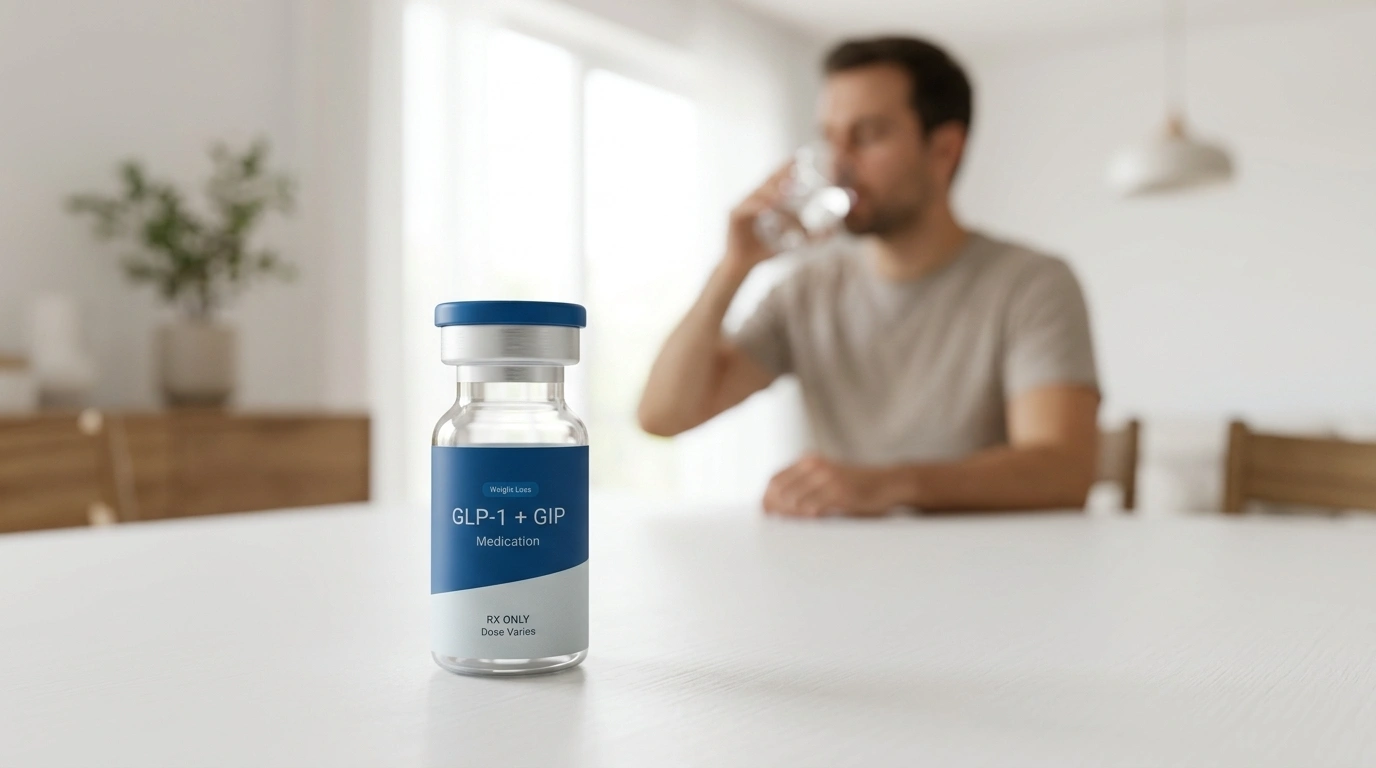
Table of Contents
- Introduction
- Understanding How Tirzepatide Works in the Body
- The Physical Reality of Branded Pens vs. Vials
- Why Some Patients Consider Splitting Doses
- The Risks of Unsupervised Dose Splitting
- How Personalized Programs Address Dosing Challenges
- Alternatives to Splitting Doses for Side Effect Management
- The Importance of Professional Guidance
- Preparing for Your Telehealth Consultation
- Conclusion
- FAQ
Introduction
Finding the right balance with a new medication can feel like a journey of trial and error, especially when managing weight loss. If you’re wondering whether tirzepatide is the right fit for your goals, you can take the free assessment quiz to see whether a GLP-1 program may be appropriate for you. You might also be curious whether spreading out your medication—often referred to as dose splitting—could help minimize side effects or make the transition easier. At TrimRx, we believe that understanding the science and safety behind your treatment is the most important step toward achieving sustainable health goals. This article will examine the clinical considerations of splitting tirzepatide doses, the physical limitations of different delivery systems, and why medical supervision is non-negotiable.
Understanding How Tirzepatide Works in the Body
Tirzepatide is a unique medication known as a dual agonist. For a fuller explanation of that mechanism, our GLP-1 breakdown guide is a helpful companion read. This means it targets two different hormone receptors in the body: the glucagon-like peptide-1 (GLP-1) receptor and the glucose-dependent insulinotropic polypeptide (GIP) receptor. Both hormones are naturally produced in the gut and play a significant role in how our bodies process food and signal fullness.
By mimicking these hormones, the medication helps slow down the rate at which the stomach empties. It also sends signals to the brain to decrease appetite and increase the feeling of satiety after eating. Because tirzepatide works on two pathways instead of one, it is highly effective for weight management in many adults.
The medication is designed with a specific “half-life,” which is the time it takes for the concentration of the drug in your body to reduce by half. Tirzepatide has a half-life of approximately five days. This specific timing is why it is typically prescribed as a once-weekly injection. The weekly schedule is intended to keep a steady level of the medication in your bloodstream to provide consistent appetite suppression and metabolic support.
The Physical Reality of Branded Pens vs. Vials
When discussing whether you can split doses, the answer often depends on the physical way the medication is packaged. There is a significant difference between branded delivery systems and compounded options provided through a telehealth platform.
Branded Auto-Injector Pens
Branded medications like Mounjaro® and Zepbound® are typically distributed in single-dose, pre-filled auto-injector pens. These devices are designed for a “one and done” application. Once the needle is triggered and the medication is dispensed, the mechanical components of the pen are exhausted.
Attempting to split a dose from a single-use pen is not only difficult but highly dangerous. These pens are not designed to be disassembled or “paused” mid-injection. Trying to manually extract medication from these devices can lead to:
- Complete loss of the medication if the device malfunctions.
- Exposure of the needle to non-sterile surfaces.
- Inaccurate dosing, as there is no way to measure a partial dose accurately from an auto-injector.
Compounded Tirzepatide in Vials
Compounded Tirzepatide, which is prepared by FDA-registered, inspected compounding pharmacies, is often provided in a multi-dose vial. In this format, the patient uses a sterile syringe to draw up a specific amount of medication as directed by their healthcare provider.
Because the medication is in a vial, it is physically possible to draw up a smaller amount than the total volume. However, just because it is physically possible does not mean it is medically advisable or safe to do so without a specific plan from a licensed provider. Every change to your prescribed protocol must be vetted by a professional to ensure the medication remains effective and safe.
Quick Answer: You should never attempt to split a dose from a single-use branded auto-injector pen. While vials allow for flexible dosing, any change to your injection schedule must be authorized by your healthcare provider to avoid safety risks.
Why Some Patients Consider Splitting Doses
The motivation to split a dose usually comes from a desire to manage the body’s reaction to the medication. Weight loss journeys are deeply personal, and the way one person’s body processes a dual agonist can differ significantly from another’s.
Managing Gastrointestinal Side Effects
The most common reason individuals ask about splitting doses is to mitigate nausea, bloating, or indigestion. Some believe that taking two smaller doses (for example, half on Monday and half on Thursday) might keep the levels more stable and prevent the “peak” that can cause discomfort shortly after a full weekly injection. If side effects are the main concern, this tirzepatide side effects guide can help you understand what to expect.
Fear of Dosing Escalation
As patients move up in dosage according to a standard titration schedule, they may feel nervous about how their body will handle the increase. Splitting the dose is sometimes seen as a way to “ease into” a higher concentration.
Supply Concerns
In some cases, individuals may consider splitting doses to make their supply last longer during periods of medication shortages. While understandable, this approach can compromise the efficacy of the treatment, as the medication may not reach the therapeutic levels necessary to support weight loss.
The Risks of Unsupervised Dose Splitting
While the intention behind splitting doses is often to improve the experience, the risks of doing so without medical guidance are significant. At TrimRx, we prioritize patient safety above all else, and that involves highlighting the potential dangers of deviating from a prescribed plan.
1. Risk of Contamination and Infection
Every time a needle enters a vial or touches a surface, there is a risk of introducing bacteria. Compounded medications contain preservatives to keep the solution sterile, but these preservatives have limits. Splitting a dose means more frequent “pokes” into the vial and more opportunities for contamination. If the medication becomes contaminated, it can lead to serious skin infections or systemic illness.
2. Medication Stability and Efficacy
Tirzepatide is a sensitive peptide. Once a vial is punctured or medication is drawn into a syringe, it is exposed to light, air, and temperature changes. These factors can cause the peptide to break down or “degrade.” If the medication degrades, it loses its potency. You may find that you are injecting the medication but not experiencing the appetite suppression or metabolic benefits you expect.
3. Inaccurate Dosing
Precision is vital when dealing with dual agonists. A small error in measuring a dose on a syringe can lead to taking too much or too little. Taking too much increases the risk of severe side effects like vomiting or dehydration. Taking too little can stall your progress and make it harder to maintain the momentum of your weight loss program.
4. Overwhelming the Regulatory System
The body’s receptors need a specific “washout” period and a specific “peak” to function correctly within the metabolic cycle. Constant, smaller “hits” of the medication may lead to receptor desensitization. This could potentially make the medication less effective for you in the long run.
Key Takeaway: Splitting doses without a doctor’s order increases the risk of infection, reduces the medication’s effectiveness through degradation, and can lead to dangerous dosing errors.
How Personalized Programs Address Dosing Challenges
The strength of a telehealth-based weight loss platform is the ability to customize the experience to the individual. If you’re still deciding whether treatment is right for you, the safest next step is to complete the free assessment quiz. We recognize that a “one size fits all” approach rarely works for long-term weight management. Instead of taking matters into your own hands by splitting doses, a personalized program allows for professional adjustments.
Clinical Consultations
If you are struggling with side effects, the first step is to speak with a licensed healthcare provider. They can evaluate your symptoms and determine if a slower titration schedule is necessary. In some cases, a provider may actually prescribe a split dose, but this will come with specific instructions on how to maintain sterility and accuracy.
Adjusting the Titration Schedule
Standard protocols often involve increasing the dose every four weeks. However, if your body needs more time to adjust, a provider can keep you at a lower dose for a longer period. This achieves the goal of minimizing side effects without the risks associated with manual dose splitting.
Nutritional and Lifestyle Support
Often, the side effects that drive people to want to split doses can be managed through diet and hydration. For example, focusing on high-protein, low-fat meals around injection day can significantly reduce nausea. We provide resources to help you align your lifestyle with your medication for the best possible results.
Alternatives to Splitting Doses for Side Effect Management
If your goal is to reduce discomfort, there are several evidence-based strategies to try before considering a change to your dosing frequency.
- Injection Site Rotation: Many patients find that injecting in the thigh or back of the arm results in fewer gastrointestinal side effects than injecting in the stomach.
- Hydration is Key: Dehydration can worsen nausea and headaches. Increasing water intake—especially with electrolytes—can make a world of difference.
- Monitor Meal Timing: Avoid eating large or high-fat meals immediately before or after your injection. Since the medication slows digestion, heavy meals can “sit” in the stomach longer, leading to discomfort.
- Supplementation: Using targeted support like GLP-1 Daily Support can help provide the nutrients your body needs while on a reduced-calorie diet, which may help stabilize your energy levels and overall feeling of wellness.
The Importance of Professional Guidance
Weight loss is not just about the number on the scale; it is about metabolic health and safety. Medications like tirzepatide are powerful tools, but they must be used as intended to provide the best outcomes.
When you participate in a medically supervised program, you have access to specialists who understand the pharmacology of these drugs. They can explain why your body is reacting a certain way and provide a safe, clinical path forward. Attempting to “hack” your medication by splitting doses without this oversight puts your health at risk and may hinder the very progress you are trying to achieve.
Bottom line: Your healthcare provider is your best resource for managing dosing concerns. They can offer safe alternatives like dose titration adjustments or site rotation that achieve your goals without compromising the medication’s integrity.
Preparing for Your Telehealth Consultation
If you are considering starting a program or are currently struggling with your dosage, being prepared for your consultation can help you get the most out of your care.
- Track Your Symptoms: Keep a log of when side effects occur and how long they last.
- Be Honest About Your Goals: If you are worried about the speed of your weight loss or the intensity of the medication, tell your provider.
- Ask About Compounded Options: If the delivery system of branded pens is a concern for you, discuss whether compounded tirzepatide from an FDA-registered pharmacy is an appropriate option for your needs.
Our mission is to help individuals embrace healthier lifestyles through science, empathy, and a transparent, personalized approach. We are here to ensure you have the support you need at every step, from your initial assessment to reaching your long-term goals.
Conclusion
While the question of whether you can split tirzepatide doses is common, the answer is rooted in safety and clinical precision. For those using branded auto-injector pens like Mounjaro® or Zepbound®, splitting is physically impossible and dangerous. For those using compounded vials, while it is physically possible, it should only ever be done under the direct supervision of a licensed healthcare provider. The risks of contamination, medication degradation, and inaccurate dosing far outweigh the perceived benefits of “micro-dosing” on your own.
Sustainable weight loss is a marathon, not a sprint. By working with the team at TrimRx, you gain access to a platform that prioritizes your unique health profile. We provide the medical oversight, personalized programs, and specialized support necessary to navigate the complexities of GLP-1 and GIP medications safely. If you are ready to take the next step in your journey with a program designed specifically for you, begin with our free assessment quiz.
FAQ
Can I save half of a Mounjaro® pen for later?
No, you cannot save or split the medication in a branded auto-injector pen. These devices are designed for single use only and cannot be safely disassembled or re-used. Attempting to do so can lead to injury, infection, or the total loss of the medication.
Does splitting tirzepatide doses reduce nausea?
Some individuals believe that splitting a dose might reduce nausea by lowering the peak concentration of the drug in the bloodstream. However, there is no clinical evidence to support this as a standard practice, and doing so without a doctor’s guidance can make the medication less effective. It is better to discuss a slower titration schedule with your provider instead.
Is it safe to use the same needle twice if I split a dose from a vial?
No, you must never reuse a needle. Reusing a needle significantly increases the risk of serious skin infections and introduces bacteria into the medication vial. Always use a fresh, sterile syringe for every single injection, even if you are drawing from the same vial.
Will splitting my dose make the medication last longer?
While taking smaller amounts might technically make your supply last longer, it may result in the medication falling below the “therapeutic threshold.” This means the drug may no longer be effective at suppressing your appetite or improving your metabolism, effectively stalling your weight loss progress. If you want a broader look at how people access treatment, see our guide on getting GLP-1 for weight loss.
Disclaimer: This content is for informational purposes only and does not constitute medical advice. It is not intended to diagnose, treat, cure, or prevent any disease or condition. Individual results may vary. Always consult a qualified healthcare professional before starting any weight loss program or medication.

Transforming Lives, One Step at a Time
Keep reading

Hormone Replacement Therapy and Tirzepatide: Is There an Interaction?
The question that matters is whether your hormone therapy is oral or transdermal, because that determines whether the one plausible interaction applies to you….

Can You Build Muscle While Losing Weight on Tirzepatide?
Possible for some people and unlikely for others, and the difference is mostly about where you are starting from. Someone new to resistance training…

Anxiety Around Food Got Worse on Tirzepatide, Not Better
Most people expect appetite suppression to make eating simpler. For a meaningful number it does the opposite, and there are four identifiable reasons why….


