Can You Store Zepbound at Room Temperature?
Introduction
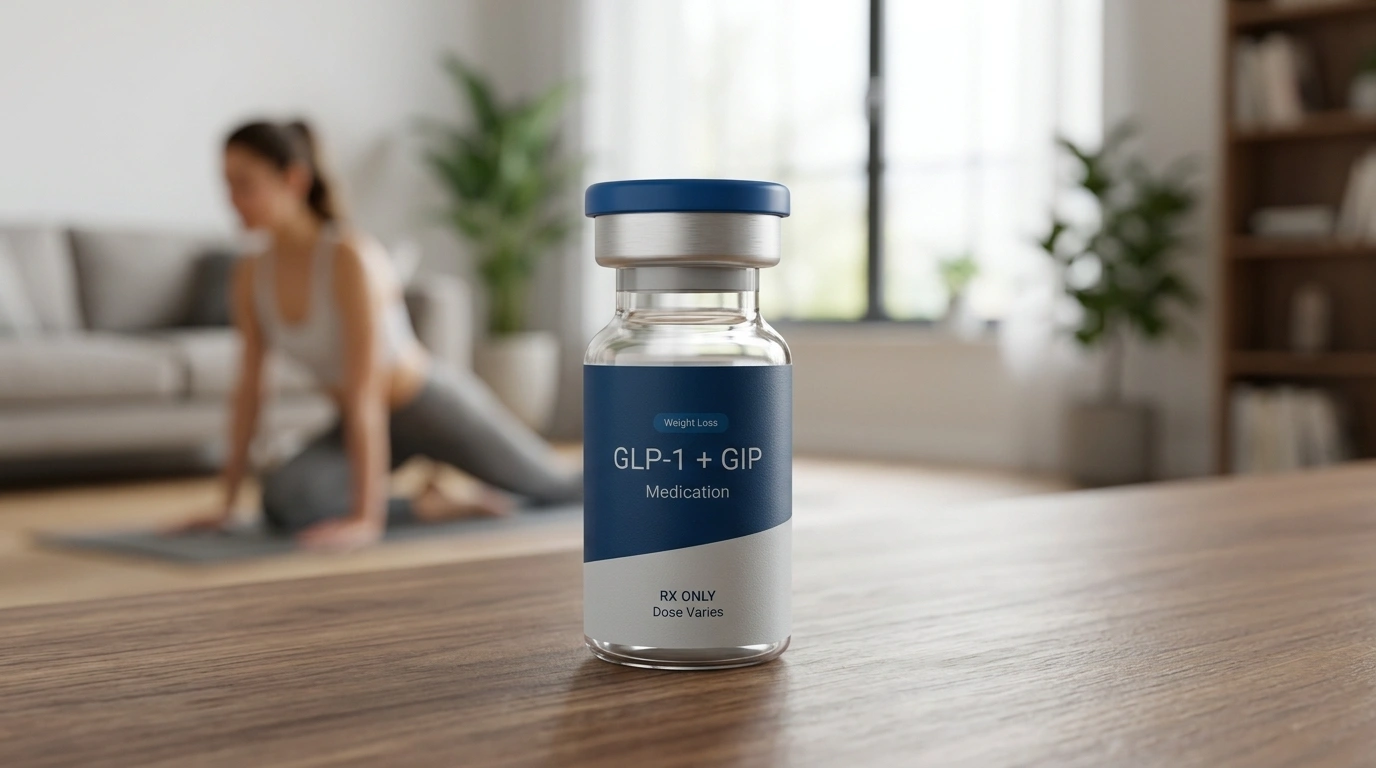
Managing a weight loss journey involves more than just staying consistent with your doses; it requires understanding how to handle the medications that support your progress. If you have been prescribed Zepbound®, you may find yourself wondering if you can leave your medication on the counter or how to pack it for a vacation without a refrigerator. If you want a broader look at tirzepatide handling, our tirzepatide storage guide is a helpful companion read. At TrimRx, we believe that clarity is the foundation of a successful health transformation. Knowing the specific temperature requirements for your treatment ensures the medication remains effective and safe to use. This article will detail the precise storage guidelines for Zepbound®, explaining the 21-day room temperature rule, the dangers of freezing, and how to maintain the stability of your treatment whether you are at home or on the go.
Quick Answer: You can store Zepbound® at room temperature for up to 21 days, provided the temperature does not exceed 86°F (30°C). For long-term storage, the medication should always be kept in the refrigerator between 36°F and 46°F (2°C to 8°C).
The Importance of Proper Medication Storage
Zepbound® belongs to a class of medications known as dual GIP (glucose-dependent insulinotropic polypeptide) and GLP-1 (glucagon-like peptide-1) receptor agonists. These are complex proteins designed to mimic hormones in your body that regulate appetite and blood sugar. Because they are biological products, they are sensitive to environmental factors like heat, light, and extreme cold.
The chemical structure of the medication is delicate. When proteins are exposed to temperatures outside their recommended range, they can undergo a process called denaturation. This means the protein loses its shape and, consequently, its ability to work effectively in your body. If the medication is stored improperly, it may lose its potency, meaning it will not provide the full weight-management benefits you expect.
At the platform provided by TrimRx, we emphasize that your medication is an investment in your health. Protecting that investment starts the moment your package arrives. If you are exploring prescription weight loss support, take the free assessment quiz to see whether a personalized program is a fit.
Standard Cold Storage Requirements
The manufacturer recommends that Zepbound® pens be stored in a refrigerator. This is the “gold standard” for keeping the medication stable until its expiration date.
The Ideal Temperature Range
The recommended temperature for your refrigerator should be between 36°F and 46°F (2°C to 8°C). Most modern home refrigerators are set within this range by default, but it is wise to verify this if you are starting a new treatment program.
Where to Place Pens in the Fridge
Avoid the door of the refrigerator. The temperature in the door fluctuates every time you open it to grab milk or a snack. Instead, store your medication on a middle shelf toward the back. However, do not push the pens all the way against the back wall, as many refrigerators have cooling elements there that can accidentally freeze items in direct contact with the surface.
Keep It in the Original Carton
You should always keep your individual pens inside their original paper carton. This provides two layers of protection:
- Light Protection: The medication is light-sensitive. Prolonged exposure to bright indoor light or sunlight can break down the active ingredients.
- Temperature Buffer: The cardboard acts as a minor insulator against brief temperature shifts when the fridge door is open.
The 21-Day Room Temperature Rule
Life does not always happen next to a refrigerator. Whether you are commuting, traveling, or experiencing a temporary power outage, there are times when cold storage is impossible.
You can store Zepbound® at room temperature for a maximum of 21 days.
This 21-day window begins the moment the pen is removed from the refrigerator and reaches room temperature. Once the medication has been kept at room temperature, it should not be put back in the refrigerator to “reset” the clock. The 21-day countdown is cumulative.
Defining “Room Temperature”
For the purposes of medication safety, room temperature is defined as any temperature up to 86°F (30°C). If your environment is hotter than this—such as inside a car on a summer day or a bathroom during a hot shower—the medication can degrade much faster than the 21-day guideline suggests.
Key Takeaway: If you take a pen out of the fridge and leave it out for more than 21 days, it must be discarded, even if there is still medication inside or if the expiration date on the box has not passed.
What Happens if Zepbound Freezes?
While heat is a concern, extreme cold is often more dangerous for GLP-1 and GIP medications. Never store Zepbound® in the freezer.
If the liquid inside the pen freezes, the medication is destroyed. Even if the pen thaws out and the liquid looks normal again, the internal chemical bonds have likely been broken. Using medication that has been frozen can lead to ineffective treatment and potentially unpredictable side effects.
Signs your medication may have frozen:
- You see ice crystals inside the glass pen.
- The liquid appears cloudy or “milky” after thawing.
- The pen was stored in a refrigerator that accidentally dropped below 32°F.
Note: If you suspect your medication has frozen at any point, do not use it. Dispose of the pen safely and contact your healthcare provider or a specialist through our platform for guidance on obtaining a replacement.
Traveling with Your Medication
Traveling is one of the most common reasons patients ask about room temperature storage. With a bit of planning, you can maintain your routine without stress.
Short Trips (Under 21 Days)
If your trip is shorter than three weeks, you can simply carry your pens in your hand luggage. Since they are stable at room temperature for 21 days, you do not necessarily need a cooling case, provided you can guarantee the pens will stay below 86°F.
Long Trips or Hot Climates
If you are traveling for more than 21 days or visiting a destination with high heat, you should use an insulated travel case. If you want another practical breakdown of travel and storage rules, read our tirzepatide storage, travel, and handling guide.
- Cooling Wallets: Some cases use evaporative cooling to keep the medication at a safe temperature.
- Gel Packs: If using a case with ice or gel packs, ensure there is a layer of insulation (like a cloth) between the pack and the medication pen to prevent accidental freezing.
Air Travel and TSA
Always carry your medication in your carry-on bag. The cargo hold of an airplane is not temperature-controlled and can reach extreme temperatures that will ruin the medication. Under TSA regulations, “medically necessary” liquids and syringes are allowed through security. It is helpful to keep the medication in its original packaging with the prescription label attached to avoid delays.
Storage Comparison: Branded vs. Compounded
While Zepbound® is a specific branded medication, many individuals access similar treatments through other avenues. Understanding the storage differences is essential for safety.
| Feature | Branded Zepbound® Pens | Compounded Tirzepatide (Vials) |
|---|---|---|
| Primary Storage | Refrigerator (36°F–46°F) | Refrigerator (36°F–46°F) |
| Room Temp Limit | Up to 21 days | Varies by pharmacy (often shorter) |
| Light Sensitivity | High (keep in carton) | High (use amber vials or dark storage) |
| Freezing | Never freeze | Never freeze |
| Delivery System | Single-use auto-injector | Multi-dose vial and syringe |
Through our service, we connect patients with licensed providers who may prescribe compounded versions of tirzepatide. These medications are prepared by FDA-registered, inspected compounding pharmacies. Because compounded medications do not use the same single-use pen technology as branded products, you must strictly follow the storage instructions provided by the specific pharmacy that prepares your medication. If you want to compare home storage guidance for compounded products, see our how to store compounded semaglutide or tirzepatide at home guide.
Compounded medications often have a “Beyond Use Date” (BUD) rather than a traditional expiration date. This date accounts for the stability of the compound and the sterility of the vial once it has been punctured by a needle.
How to Identify Spoiled Medication
Before every injection, you should perform a visual check of your medication. This applies to both branded pens and compounded vials.
Safe medication should be:
- Completely clear.
- Colorless.
- Free of any visible particles or “floaties.”
Do NOT use the medication if:
- The liquid looks cloudy or opaque.
- There are small flakes or particles floating in the liquid.
- The liquid has changed color (e.g., looks slightly yellow or brown).
- The pen or vial has been at room temperature for more than 21 days.
- The expiration date or Beyond Use Date has passed.
Bottom line: When in doubt, throw it out. Using compromised medication can lead to injection site reactions or simply fail to help you reach your weight loss goals.
Managing Power Outages
A power outage can be a major source of anxiety when you have medication in the fridge. If the power goes out, follow these steps:
- Keep the fridge door closed. A closed refrigerator will keep items cold for about 4 hours.
- Monitor the time. If the power is out for longer than 4 hours, your medication is now officially “at room temperature.”
- Start the clock. Note the time and date when the fridge became warm. You now have 21 days to use the remaining pens in that box.
- Do not refreeze. If you have ice packs in the freezer, you can move them to the fridge section to extend the cooling, but do not let them touch the medication pens directly.
Proper Disposal of Zepbound Pens
Whether your medication has expired, spoiled due to heat, or been used successfully, safe disposal is mandatory. Because the pens contain needles, they are considered “sharps.”
- Sharps Containers: Do not throw used or expired pens in the regular trash. Use an FDA-cleared sharps disposal container.
- Household Alternatives: If you do not have a dedicated sharps container, you can use a heavy-duty plastic container with a tight-fitting, puncture-resistant lid (like a laundry detergent bottle).
- Disposal Programs: Check your local waste management guidelines for “Sharps Disposal” to find drop-off locations in your community.
Maximizing Your Treatment Results
Storing your medication correctly is just one piece of the puzzle. For those looking to optimize their health, the environment in which you live and the support system you have are equally important.
If nutritional support is part of your plan, the GLP-1 Daily Support supplement is designed for people navigating GLP-1 treatment.
Our mission is to provide a seamless telehealth experience that removes the traditional barriers to weight loss. By combining medically supervised programs with a focus on convenience, we help you focus on what really matters: your progress. Whether you are using Zepbound® or a personalized compounded alternative, your journey is unique.
If you are ready to see whether treatment is a fit, complete the free assessment quiz to get started.
Common Myths About GLP-1 Storage
Myth: If I leave my pen out for 22 days, it’s still fine as long as it’s clear. Fact: The 21-day limit is based on rigorous stability testing. After this point, the chemical structure begins to degrade, even if you cannot see the change with your eyes.
Myth: Putting the medication in the freezer will make it last longer. Fact: Freezing will permanently damage the medication. It should only be stored in the refrigerator or at room temperature for a short period.
Myth: All weight loss medications have the same storage rules. Fact: Different medications, such as Wegovy® or Ozempic®, have different room temperature limits (some are 28 days, others 56). Always check the specific instructions for the product you are using.
Summary of Storage Best Practices
To keep your weight loss journey on track, follow these simplified steps:
- Step 1: Check the Fridge. Ensure your refrigerator is between 36°F and 46°F.
- Step 2: Store Safely. Keep the medication in its original box on a shelf, not in the door.
- Step 3: Track Room Temp. If a pen leaves the fridge, mark the date on the box. Use it within 21 days or discard it.
- Step 4: Inspect the Liquid. Always ensure the medication is clear and colorless before injecting.
- Step 5: Consult Experts. If you have any doubts about the safety of your dose, reach out to a healthcare provider.
Our approach at TrimRx is built on science and empathy. We understand that life is busy, and mistakes happen. By equipping yourself with this knowledge, you can minimize waste and ensure your path to metabolic health remains uninterrupted.
FAQ
What happens if I accidentally left my Zepbound pen on the counter overnight?
As long as your home temperature stayed below 86°F (30°C), the pen is still perfectly safe to use. However, you should now consider that pen to be on its 21-day room temperature countdown. You can either use it for your next scheduled dose or put it back in the fridge, but it still must be used within 21 days of that first exposure to room temperature.
Can I use Zepbound if the liquid is slightly yellow?
No, the medication should be completely colorless and clear. A change in color, such as a yellowish or brownish tint, is a sign that the medication has degraded or been exposed to too much light or heat. Using discolored medication may be less effective or could cause an adverse reaction at the injection site.
Does the 21-day rule apply to unopened boxes or just individual pens?
The 21-day rule applies to any part of the medication that has reached room temperature. If you take a whole box of four pens out of the refrigerator and leave them on the counter for a few hours, all four pens in that box now have a 21-day expiration date, regardless of the date printed on the carton.
Can I travel with Zepbound in my checked luggage on a plane?
You should never put Zepbound® or any GLP-1 medication in checked luggage. The cargo hold of an airplane is not temperature-controlled and can reach temperatures that are either freezing or excessively hot, both of which will ruin the medication. Always keep your pens in your carry-on bag where the temperature is regulated.
Disclaimer: This content is for informational purposes only and does not constitute medical advice. It is not intended to diagnose, treat, cure, or prevent any disease or condition. Individual results may vary. Always consult a qualified healthcare professional before starting any weight loss program or medication.

Transforming Lives, One Step at a Time
Keep reading
Zepbound Alternatives: Your Options Compared
If Zepbound isn’t the right fit, the main alternative is semaglutide (sold as Wegovy), which produces slightly less weight loss but works similarly, along…
Pemvidutide vs Zepbound: Muscle-Sparing Newcomer vs Proven Tirzepatide
Pemvidutide and Zepbound approach weight loss differently. Pemvidutide, an investigational GLP-1 and glucagon drug, stands out for preserving muscle unusually well (most of the…
Amycretin vs Zepbound: Investigational Newcomer vs Proven Option
Amycretin and Zepbound represent two ends of the weight-loss drug timeline. Amycretin, an investigational drug from the maker of Wegovy, has shown striking early…


