Can You Switch from Wegovy to Ozempic?
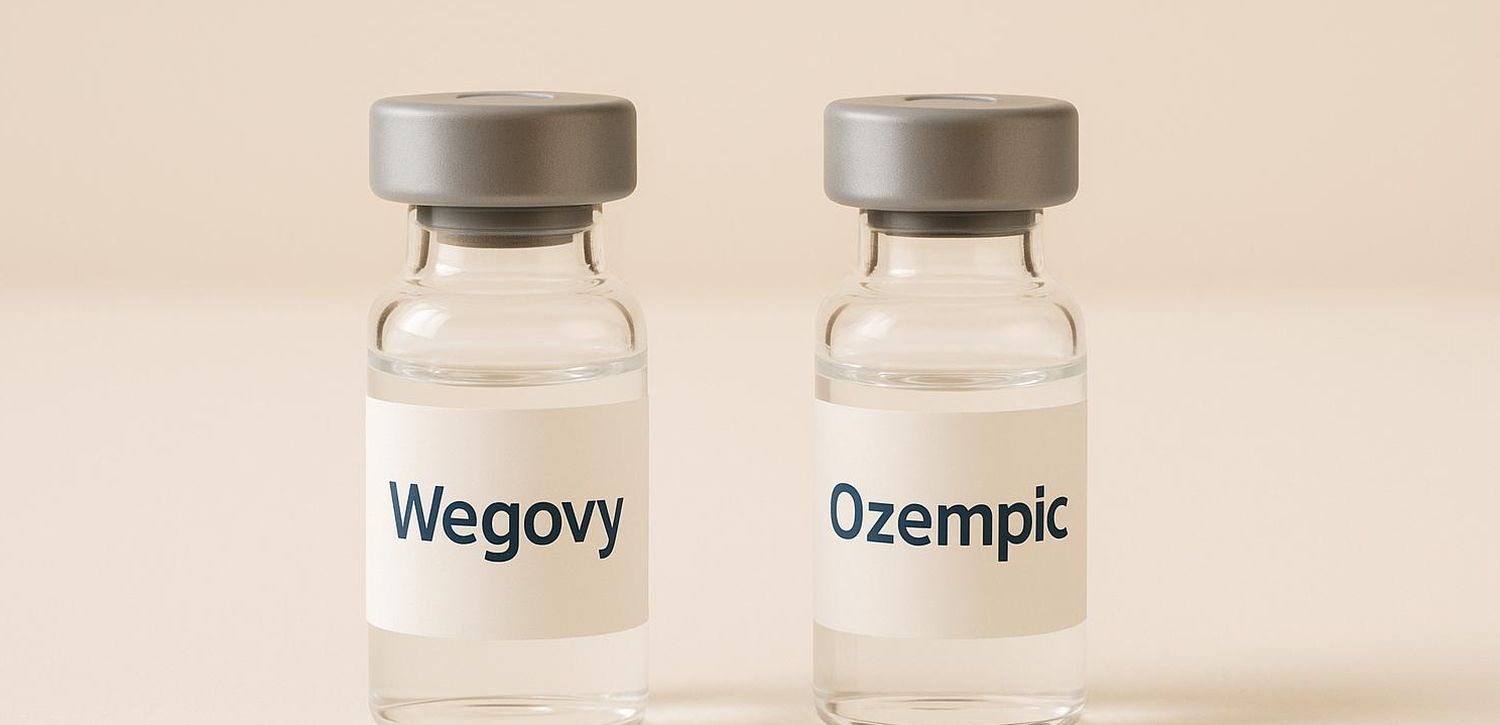
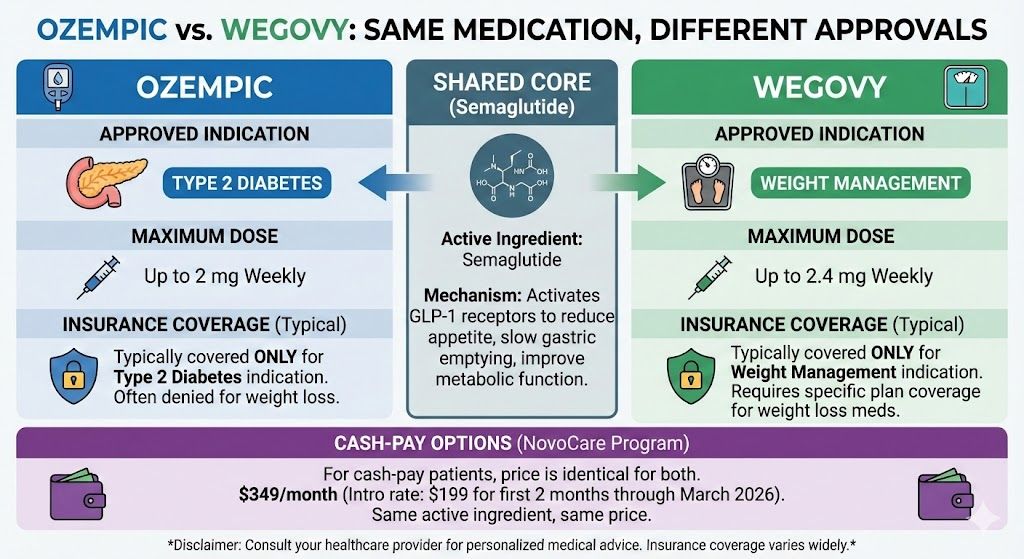
Yes, you can switch from Wegovy to Ozempic. Both medications contain the same active ingredient, semaglutide, manufactured by the same company (Novo Nordisk). The primary differences are their FDA-approved indications, dosing schedules, and how insurance covers them. Wegovy is approved specifically for weight management, while Ozempic is approved for type 2 diabetes but widely prescribed off-label for weight loss. Switching between them is medically straightforward since your body is already accustomed to semaglutide, though there are practical considerations around dosing, cost, and insurance that you’ll want to understand before making the change.
Here’s everything you need to know about why people switch, how it works, and what to watch for.
Why People Switch from Wegovy to Ozempic
The reasons almost always come down to access or cost, not effectiveness.
Wegovy has faced persistent supply shortages since its launch. Certain doses have been intermittently unavailable at pharmacies for months at a time, leaving patients unable to fill their prescriptions. When you can’t get your medication, switching to Ozempic (which uses the same molecule) is a practical workaround that keeps your treatment uninterrupted.
Cost is the other major driver. Wegovy’s list price without insurance is over $1,300 per month. While many insurance plans cover it for weight management, not all do, and prior authorization requirements can create delays. Ozempic, being a diabetes medication with a longer market history, sometimes has better insurance coverage or lower copays for certain patients. In some cases, patients find that their plan covers Ozempic but not Wegovy, or covers Ozempic with a lower out-of-pocket cost.
A less common but still valid reason is dose flexibility. Wegovy’s dosing tops out at 2.4 mg. Ozempic goes up to 2 mg. While Wegovy technically offers a higher maximum, some patients find that 2 mg of Ozempic provides adequate results at a lower cost, and they’d rather save money than chase that last 0.4 mg difference.
For patients looking at cost from every angle, compounded semaglutide offers another option entirely. TrimRx’s compounded semaglutide provides the same active ingredient through a telehealth model at significantly lower price points than either brand medication.
The Key Differences Between Wegovy and Ozempic
Since both contain semaglutide, the pharmacology is identical. Your body doesn’t know or care which brand name is on the pen. But the differences in packaging and dosing are worth understanding.
Wegovy’s dose escalation goes: 0.25 mg (weeks 1 to 4), 0.5 mg (weeks 5 to 8), 1 mg (weeks 9 to 12), 1.7 mg (weeks 13 to 16), and 2.4 mg (week 17 onward). Five dose tiers with a maximum of 2.4 mg.
Ozempic’s dose escalation is simpler: 0.25 mg (weeks 1 to 4), 0.5 mg (weeks 5 to 8), 1 mg (week 9 onward), with a 2 mg option available. Four dose tiers with a maximum of 2 mg.
The notable gap is between 1 mg and 2 mg on Ozempic. Wegovy has a 1.7 mg step that Ozempic lacks, which provides a more gradual escalation at higher doses. This matters for some patients who tolerate 1 mg well but experience significant side effects jumping straight to 2 mg.
The injection devices are also different. Wegovy uses single-dose, prefilled pens (one pen per injection). Ozempic uses multi-dose pens that contain several weeks’ worth of medication with adjustable dosing. The injection technique is essentially the same for both.
How the Switch Actually Works
Switching from Wegovy to Ozempic is straightforward because you’re staying on the same molecule. There’s no washout period, no bridging strategy, and no need to retitrate from the beginning.
The general approach is to take your last Wegovy injection as scheduled and then start Ozempic the following week at the closest equivalent dose. Here’s how the doses typically map:
If you’re on Wegovy 0.25 mg or 0.5 mg, you’d switch to Ozempic 0.25 mg or 0.5 mg respectively. A direct match.
If you’re on Wegovy 1 mg, you’d switch to Ozempic 1 mg. Another direct match.
If you’re on Wegovy 1.7 mg, this is where it gets slightly tricky. Ozempic doesn’t have a 1.7 mg dose. Your provider will likely start you at Ozempic 1 mg (stepping down slightly) or move you to 2 mg (stepping up slightly), depending on how you tolerated the 1.7 mg dose and your overall response. Stepping down to 1 mg is the more conservative approach but may result in reduced appetite suppression. Stepping up to 2 mg provides more coverage but could temporarily increase side effects.
If you’re on Wegovy 2.4 mg, you’d move to Ozempic 2 mg, which is the highest available Ozempic dose. You’re taking a 0.4 mg reduction in this scenario. For some patients, this difference is imperceptible. For others, it results in a modest decrease in appetite suppression. Your provider will monitor and adjust as needed.
What to Expect After Switching
Since you’re staying on semaglutide, the transition is typically smooth. Most patients report no noticeable change in appetite suppression, side effects, or energy levels, particularly when switching between equivalent doses.
There are a few situations where you might notice a difference:
If you step down in dose (for example, from Wegovy 2.4 mg to Ozempic 2 mg), you may experience a slight return of appetite. This is usually subtle. Some patients compensate by being more intentional about protein intake and meal timing during the first few weeks after switching.
If you step up in dose (from Wegovy 1.7 mg to Ozempic 2 mg), you might experience temporary GI effects like mild nausea or changes in bowel habits. These typically resolve within a week or two, similar to any other dose increase on semaglutide.
Let’s say a patient has been on Wegovy 2.4 mg for six months with good results. Their insurance changes and no longer covers Wegovy, so they switch to Ozempic 2 mg. During the first week, they notice slightly more hunger in the evenings. They add a high-protein afternoon snack (Greek yogurt with berries), and by week three the difference is barely noticeable. Their weight loss trajectory continues with minimal disruption.
The semaglutide 1-month results provides context for what early semaglutide treatment looks like. If you’re switching at an established dose, your experience will be more stable than what’s described there for new patients.
Will Your Weight Loss Continue?
For most people, yes. You’re on the same medication, and assuming the dose is reasonably equivalent, your body’s response should remain consistent.
The situations where weight loss might slow after switching include:
A meaningful dose reduction (2.4 mg to 2 mg) that reduces appetite suppression enough to shift your calorie balance. This can usually be addressed through modest dietary adjustments.
A gap between prescriptions. If there’s a period of days or weeks without medication during the transition (due to insurance processing, pharmacy availability, or provider scheduling), you may experience some rebound appetite. The longer the gap, the more noticeable this becomes. Try to coordinate the switch so there’s no break in treatment.
Psychological factors. Some patients worry that switching brands will reduce effectiveness, and that anxiety can influence eating behavior. Remind yourself that the molecule is identical. Your body responds to semaglutide, not to the label on the pen.
Insurance and Cost Considerations
This is often the entire reason for the switch, so it’s worth understanding the nuances.
Ozempic is covered by most insurance plans when prescribed for type 2 diabetes. Coverage for off-label weight loss use varies widely. Some plans cover it, some require prior authorization, and some deny it entirely for non-diabetic patients.
If your provider prescribes Ozempic and your insurance doesn’t cover it for weight management, you may end up paying cash price, which can be comparable to Wegovy’s cost. In that situation, the switch doesn’t actually save money.
Before switching, have your provider’s office verify insurance coverage for Ozempic specifically for your indication. Get the cost in writing before filling the prescription so there are no surprises.
If neither brand medication is affordable, compounded semaglutide through TrimRx offers the same active ingredient without insurance requirements. The Ozempic coupon and savings article also covers discount programs and savings strategies for brand medications.
When Switching Might Not Be the Best Move
Switching from Wegovy to Ozempic doesn’t always make sense.
If you’re on Wegovy 2.4 mg and losing weight well, switching to Ozempic 2 mg means accepting a lower dose. If your weight loss has been dose-dependent (meaning each increase produced more results), that 0.4 mg reduction could slow your progress.
If your reason for switching is a plateau, keep in mind that switching between two formulations of the same molecule won’t break a plateau. Semaglutide is semaglutide. If you’ve plateaued on Wegovy, you’ll likely plateau at the same point on Ozempic. In that case, switching medication classes entirely to tirzepatide may be more productive. The tirzepatide weight loss results show how the dual-receptor mechanism produces additional weight loss beyond what semaglutide alone achieves.
If access is the issue (Wegovy shortage), switching temporarily to Ozempic while waiting for Wegovy to become available again is perfectly reasonable. Just coordinate with your provider on dosing when you switch back.
How to Make the Switch
Talk to your prescribing provider about the transition. They’ll determine the appropriate Ozempic dose based on your current Wegovy dose and response. Verify insurance coverage before filling the new prescription. Plan the switch so your last Wegovy injection and first Ozempic injection are exactly one week apart with no gap.
If you need a provider experienced in managing GLP-1 transitions, TrimRx offers telehealth consultations with clinicians who handle these switches regularly. You can start with the intake quiz to get matched with a provider who can evaluate your specific situation and recommend the best path forward.
This information is for educational purposes and is not medical advice. Consult with a healthcare provider before starting any medication. Individual results may vary.

Transforming Lives, One Step at a Time
Keep reading
Wegovy Results at 6 Months: What the Data Shows
Six months into Wegovy is when the medication starts showing its full potential. By this point most patients have reached or are approaching the…

Wegovy Results at 3 Months: A Realistic Progress Check
Three months into Wegovy, you’re at a turning point. The early adjustment phase is behind you, the dose escalation is well underway, and your…

How to Get Wegovy Online: Step-by-Step
The process of getting Wegovy used to mean scheduling an in-person appointment with a physician, waiting weeks for availability, and then navigating pharmacy stock…


