Can You Take Antacids While on Ozempic? Managing Heartburn
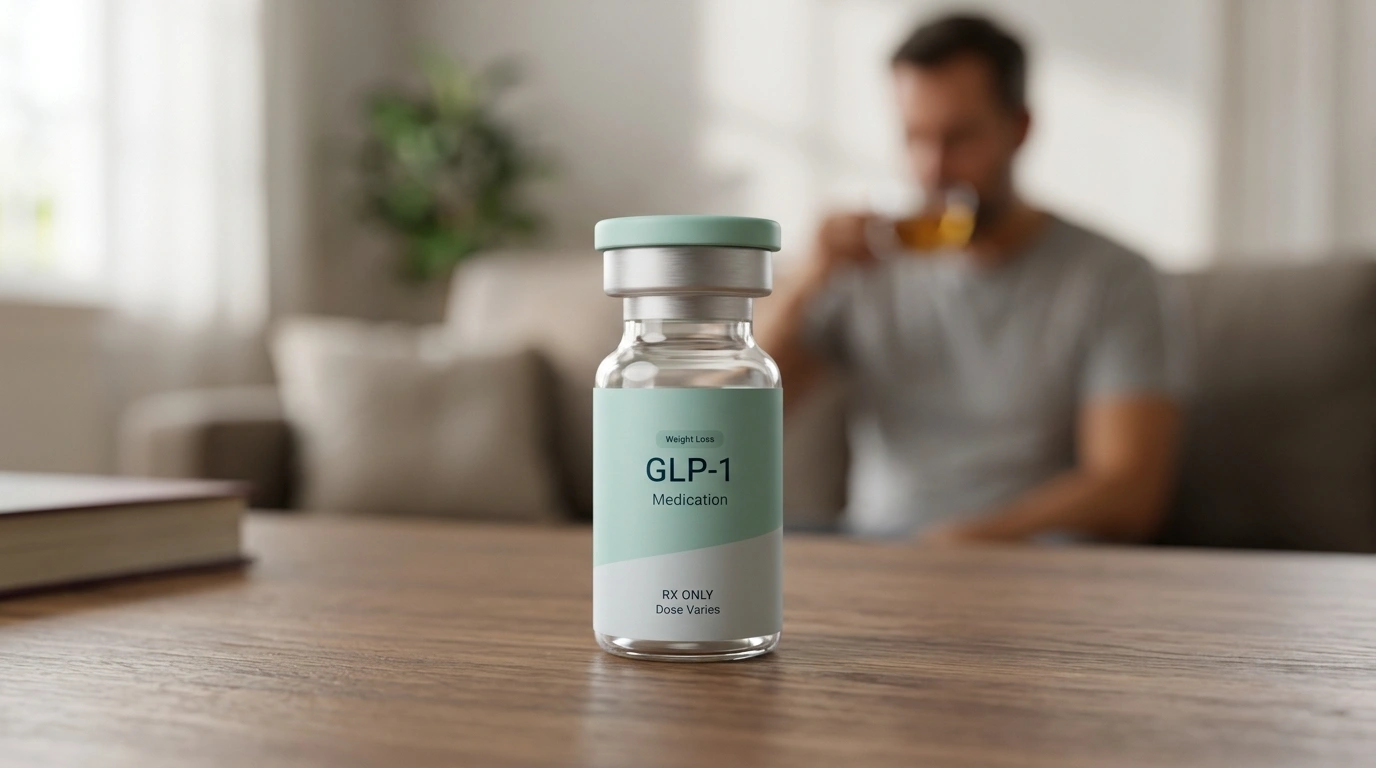
Introduction
Starting a weight loss journey with a GLP-1 medication often brings a mix of excitement and a few physical adjustments. You might finally feel in control of your appetite, but then a familiar, uncomfortable burning sensation creeps up your chest after dinner. Heartburn and acid reflux are among the most common hurdles for those using GLP-1 receptor agonists. If you find yourself reaching for a bottle of Tums after your weekly injection, you are certainly not alone.
At TrimRx, we believe that managing your weight should not come at the cost of your daily comfort. Understanding how your medication interacts with over-the-counter remedies is essential for a smooth experience. This post covers the safety of combining antacids with your treatment, why these digestive changes happen, and how to manage them effectively. Most importantly, yes, you can typically use antacids to find relief, but the timing and type of medication matter for your overall progress. If you are considering treatment, you can complete a free eligibility assessment to explore whether a personalized program may fit your needs.
Quick Answer: Yes, you can generally take antacids while on Ozempic®. Most over-the-counter options like Tums, Rolaids, or Pepcid are considered safe, but because GLP-1 medications slow down your digestion, you should consult your healthcare provider to ensure optimal timing for all your medications.
Why Does Ozempic® Cause Heartburn?
To understand how to treat the “burn,” it helps to understand why it is happening in the first place. Ozempic® is a brand-name version of the medication semaglutide, which belongs to a class of drugs called GLP-1 receptor agonists. These medications work by mimicking a natural hormone in your body that regulates appetite and blood sugar. For additional background, read this guide to the most common semaglutide side effects.
One of the primary ways semaglutide supports weight loss is through delayed gastric emptying. This means the medication slows down the speed at which food leaves your stomach and enters the small intestine. While this process is excellent for keeping you feeling full for longer periods, it means food and stomach acid sit in your stomach for an extended duration.
The Role of the Lower Esophageal Sphincter
The lower esophageal sphincter (LES) is a ring of muscle that acts as a valve between your esophagus and your stomach. Normally, it opens to let food in and closes tight to keep acid down. When your stomach remains full for hours due to a GLP-1 medication, it creates internal pressure.
Persistent pressure can occasionally force the LES to relax or weaken. When this happens, stomach acid can splash back up into the esophagus, leading to the irritation we recognize as heartburn or acid reflux. This is especially common if you eat a large meal or lie down too soon after eating.
Increased Acid Contact Time
Because digestion is moving at a slower pace, the lining of your stomach and the lower part of your esophagus are exposed to gastric acid for longer windows of time. For some individuals, this results in dyspepsia, which is the clinical term for indigestion or an upset stomach. You might also experience more frequent burping, sometimes referred to by patients as “sulfur burps,” because food is breaking down more slowly in the digestive tract.
Key Takeaway: Heartburn on GLP-1 medication is primarily caused by food staying in the stomach longer, which increases pressure on the valve leading to the esophagus and allows acid to move upward.
Choosing the Right Antacid While on GLP-1s
If you are experiencing discomfort, you have several categories of over-the-counter (OTC) medications to choose from. However, they work in different ways and have different durations of effectiveness. When you are on a personalized program like ours at TrimRx, we often discuss these options to help you find the best fit for your specific symptoms. You can also review this guide to managing semaglutide side effects for additional context.
Quick-Relief Antacids
Antacids like Tums®, Rolaids®, and Mylanta® are the first line of defense for many. These products contain calcium carbonate or magnesium, which work by neutralizing the acid currently sitting in your stomach.
- Pros: They work almost immediately, often within minutes.
- Cons: The relief is short-lived, usually lasting only an hour or two.
- Best for: Sudden, mild heartburn after a meal.
H2 Blockers for Longer Relief
H2 blockers, such as famotidine (brand name Pepcid®), work differently. Instead of neutralizing existing acid, they signal your stomach to produce less acid.
- Pros: They provide relief for up to 12 hours.
- Cons: They take longer to start working, typically 15 to 30 minutes.
- Best for: Preventive use before a meal or managing symptoms that last throughout the day.
Proton Pump Inhibitors (PPIs)
Proton Pump Inhibitors (PPIs) like omeprazole (Prilosec®) or esomeprazole (Nexium®) are the strongest OTC options. They shut down the “pumps” in your stomach that release acid.
- Pros: Highly effective for frequent, severe heartburn (GERD).
- Cons: They can take one to four days to reach full effectiveness and are generally not intended for long-term use without a doctor’s supervision.
- Best for: Chronic symptoms that occur more than twice a week.
| Medication Type | Common Brands | How It Works | Speed of Relief | Duration |
|---|---|---|---|---|
| Antacids | Tums, Rolaids | Neutralizes existing acid | 5–15 Minutes | 1–2 Hours |
| H2 Blockers | Pepcid, Tagamet | Reduces acid production | 30–60 Minutes | Up to 12 Hours |
| PPIs | Prilosec, Nexium | Blocks acid production | 1–4 Days | 24 Hours |
The Impact of Slowed Digestion on Medication Absorption
A critical factor to consider when taking any oral medication alongside a GLP-1 is the rate of absorption. Because your stomach is emptying more slowly, any pill you swallow will stay in your stomach longer before reaching the small intestine, where most medications are absorbed into the bloodstream.
Antacids and pH levels can also change how other medications dissolve. If you are taking essential medications for blood pressure, thyroid function, or other conditions, taking an antacid at the same time could potentially interfere with how well those drugs work.
Note: Always wait at least two hours between taking an antacid and taking your other vital prescription medications. This helps ensure that the change in stomach acidity doesn’t prevent your other treatments from working correctly.
Practical Lifestyle Strategies for Heartburn Relief
While antacids are a helpful tool, they are often a “band-aid” for the underlying issue. Adjusting your habits can significantly reduce the frequency of reflux without needing to rely on extra pills. Many members of our TrimRx community find that these small shifts make the biggest difference in their comfort levels. For more ideas, explore this guide to relieving semaglutide nausea and digestive side effects.
1. Re-evaluate Your Meal Timing
Avoid eating within three hours of bedtime. When you lie down, gravity no longer helps keep stomach acid where it belongs. Because your stomach takes longer to empty while on semaglutide or tirzepatide, that “safety window” between your last bite and sleep needs to be wider than it used to be.
2. Practice the “Left Side” Rule
The anatomy of the human stomach is slightly asymmetrical. The esophagus enters the stomach on the right side. When you sleep on your left side, the junction between your esophagus and stomach stays above the level of gastric acid. This simple gravity-based trick can drastically reduce nighttime “acid splash.”
3. Change Your Portion Sizes
Since your stomach is processing food more slowly, smaller, more frequent meals are much easier to handle than two or three large meals. Pushing your stomach to its capacity increases internal pressure and makes heartburn almost inevitable. Try eating half of your usual portion and waiting 20 minutes to see if you are actually full.
4. Identify Your Personal Triggers
Everyone has different triggers, but the most common culprits for those on GLP-1 medications include:
- Fried and Greasy Foods: Fat takes the longest to digest, further slowing an already slow system.
- Spicy Foods: These can directly irritate the lining of the esophagus.
- Caffeine and Alcohol: Both can relax the LES, making it easier for acid to travel upward.
- Carbonated Drinks: The gas in sodas or sparkling water adds extra pressure to the stomach.
5. Dress for Comfort
It may sound simple, but wearing loose clothing can help. Tight belts, high-waisted leggings, or restrictive waistbands put external pressure on your abdomen. This “squeezing” effect can force stomach contents toward the esophagus. Opting for stretchy, comfortable fabrics can provide immediate relief from that “full” or “bloated” feeling.
Bottom line: Managing heartburn is most effective when you combine occasional antacid use with lifestyle changes like smaller meals, left-side sleeping, and avoiding food triggers.
When to Consult a Professional
While occasional heartburn is a known side effect, it should not be something you simply “suffer through.” If you find yourself needing antacids every single day, it is time to have a conversation with a healthcare professional.
Persistent acid reflux can lead to a condition called GERD (Gastroesophageal Reflux Disease). Over time, untreated GERD can cause inflammation or even damage to the lining of the esophagus. If you are a TrimRx member, you have access to a dedicated team of specialists who can help you adjust your program. Sometimes, a slight adjustment in your dosage or the timing of your injection can alleviate these symptoms. If you are not yet enrolled, you can see whether you qualify for a personalized program.
Warning Signs to Watch For
Seek medical attention immediately if you experience:
- Severe chest pain that radiates to the jaw or arm.
- Difficulty swallowing or the feeling that food is “stuck” in your throat.
- Persistent vomiting or being unable to keep fluids down.
- Sudden, unexplained weight loss that feels rapid or unhealthy.
- Stools that appear black, tarry, or bloody.
Important: Never stop your prescribed weight loss medication or change your dosage without consulting your provider first. Sudden changes can lead to a rebound in appetite or other digestive issues.
Supporting Your Gut Health on GLP-1s
Beyond antacids, many people find success by supporting their overall digestive health. When your digestive system slows down, it needs a bit of extra help to keep things moving smoothly and comfortably.
Hydration is Essential
Dehydration can actually make heartburn worse. When you are dehydrated, your body produces less saliva. Saliva is naturally alkaline and helps neutralize acid in the esophagus. Sipping water throughout the day (rather than gulping a large amount at once) can help keep your digestive tract lubricated and functional.
The Role of Targeted Supplements
At TrimRx, we offer quick-access supplements like GLP-1 Daily Support that are designed to complement your journey. While antacids treat the acid, these types of supports are formulated to help manage the overall digestive environment. Ensuring you have the right nutrients and fiber levels can prevent the backup that leads to reflux in the first place.
The Importance of Lean Protein
Focusing on lean proteins like chicken, turkey, or tofu can be much easier on your stomach than red meats or high-fat proteins. Protein is vital for maintaining muscle mass during weight loss, but choosing lower-fat versions ensures that your stomach isn’t working overtime to break down heavy fats, which is a major trigger for indigestion.
Managing Expectations: How Long Does It Last?
For most individuals, the gastrointestinal side effects of GLP-1 medications are temporary. They are most common during the first few weeks of treatment or whenever your provider increases your dosage. This is known as the “adjustment period.” For more information, read how long semaglutide side effects may last.
As your body becomes accustomed to the medication, your digestive system often finds a new equilibrium. The frequency of heartburn usually decreases after the first month or two of consistent use. However, maintaining the lifestyle habits mentioned above—like smaller meals and better timing—is the best way to ensure those symptoms don’t return.
Myth: You have to live with heartburn if you want to lose weight on Ozempic®. Fact: Heartburn is a manageable side effect. With the right combination of OTC relief, lifestyle adjustments, and professional guidance, you can achieve your weight goals comfortably.
Starting Your Journey with Confidence
Navigating the world of medical weight loss can feel overwhelming, especially when side effects like heartburn arise. However, these challenges are much easier to face when you have a structured, supportive program behind you.
TrimRx is more than just a platform for medication; we are a dedicated partner in your long-term wellness. Our approach merges clinical expertise with the convenience of telehealth, ensuring you have the tools to manage side effects safely and effectively from the comfort of home. Every individual reacts differently to GLP-1 therapy, which is why a personalized treatment program is so vital. We help you navigate the nuances of your health profile, from dosing schedules to managing the occasional bout of reflux.
By staying informed and proactive, you can turn your focus back to what really matters: your health, your energy, and your progress toward a more sustainable lifestyle. If you are looking for energy support during weight loss, you can explore an option designed to complement your broader wellness routine.
FAQ
Is it safe to take Tums every day while on Ozempic®?
While taking Tums® occasionally is safe, you should not rely on them every day for more than two weeks without consulting your doctor. Excessive use of calcium-based antacids can lead to other issues, such as kidney stones or “acid rebound,” where your body produces even more acid once the antacid wears off.
When is the best time to take an antacid for the best results?
For immediate relief, take an antacid about 30 to 60 minutes after a meal or when symptoms first appear. If you are using an H2 blocker like Pepcid® for prevention, it is often best to take it 30 minutes before you eat a meal that you know might trigger your symptoms.
Can heartburn on Ozempic® be a sign of something more serious?
In most cases, it is a standard side effect of slowed digestion. However, if the pain is severe, constant, or accompanied by persistent vomiting, it could indicate something more serious like gastritis or pancreatitis. Always report severe or worsening abdominal pain to your healthcare provider immediately.
Will drinking more water help my heartburn?
Yes, staying hydrated helps your body produce saliva, which neutralizes acid. However, avoid drinking very large amounts of water all at once, as a very full stomach can increase the pressure on your esophageal valve and actually trigger reflux. Small, frequent sips are the most effective strategy.
Disclaimer: This content is for informational purposes only and does not constitute medical advice. It is not intended to diagnose, treat, cure, or prevent any disease or condition. Individual results may vary. Always consult a qualified healthcare professional before starting any weight loss program or medication.

Transforming Lives, One Step at a Time
Keep reading

Regained Weight After Stopping Ozempic? Don’t Restart at Your Old Dose
No. Whatever else you do, do not pick up where you left off. Tolerance to a GLP-1 is not assumed to persist through a…

Eating Less Than Ever on Ozempic but the Scale Won’t Move
Whatever else is true here, the answer is not to eat less. That needs saying first, because it is the direction this situation pushes…

Two Months on the Same Ozempic Dose With No Change: Is It Working?
Two months is long enough. Under four weeks is noise, four to eight weeks is a maybe, and eight weeks of a genuinely flat…


