Can You Take Glipizide With Mounjaro? Safety and Interactions
Introduction
Managing Type 2 diabetes or embarking on a weight loss journey often involves balancing multiple medications, which can lead to confusion and concern about how they interact. If you are currently taking glipizide to manage your blood sugar, you might be curious about adding newer, highly discussed treatments like Mounjaro®. Navigating these choices can feel overwhelming, especially when trying to understand how different drug classes affect your body. At TrimRx, we believe that clarity is the first step toward a successful health transformation.
This post covers the safety considerations of combining glipizide and tirzepatide, the primary risks you should monitor, and how healthcare providers manage these two medications simultaneously. While these medications can sometimes be used together, doing so requires careful coordination to avoid dangerous drops in blood sugar. If you are considering tirzepatide treatment, you can complete a free eligibility assessment to explore whether a personalized program may fit your needs.
How Glipizide and Mounjaro Work Together
To understand if you can take glipizide with Mounjaro®, it is essential to look at how each medication functions in your system. They belong to different drug classes and use different biological pathways to lower blood glucose (blood sugar). For additional context, review this guide to how tirzepatide interacts with other medications.
Glipizide is part of a class of drugs called sulfonylureas. It is an “insulin secretagogue,” which is a clinical term meaning it encourages your pancreas to release more insulin throughout the day. It does this regardless of whether your blood sugar is high or low, which is why it effectively lowers glucose but also carries a higher risk of causing it to drop too far.
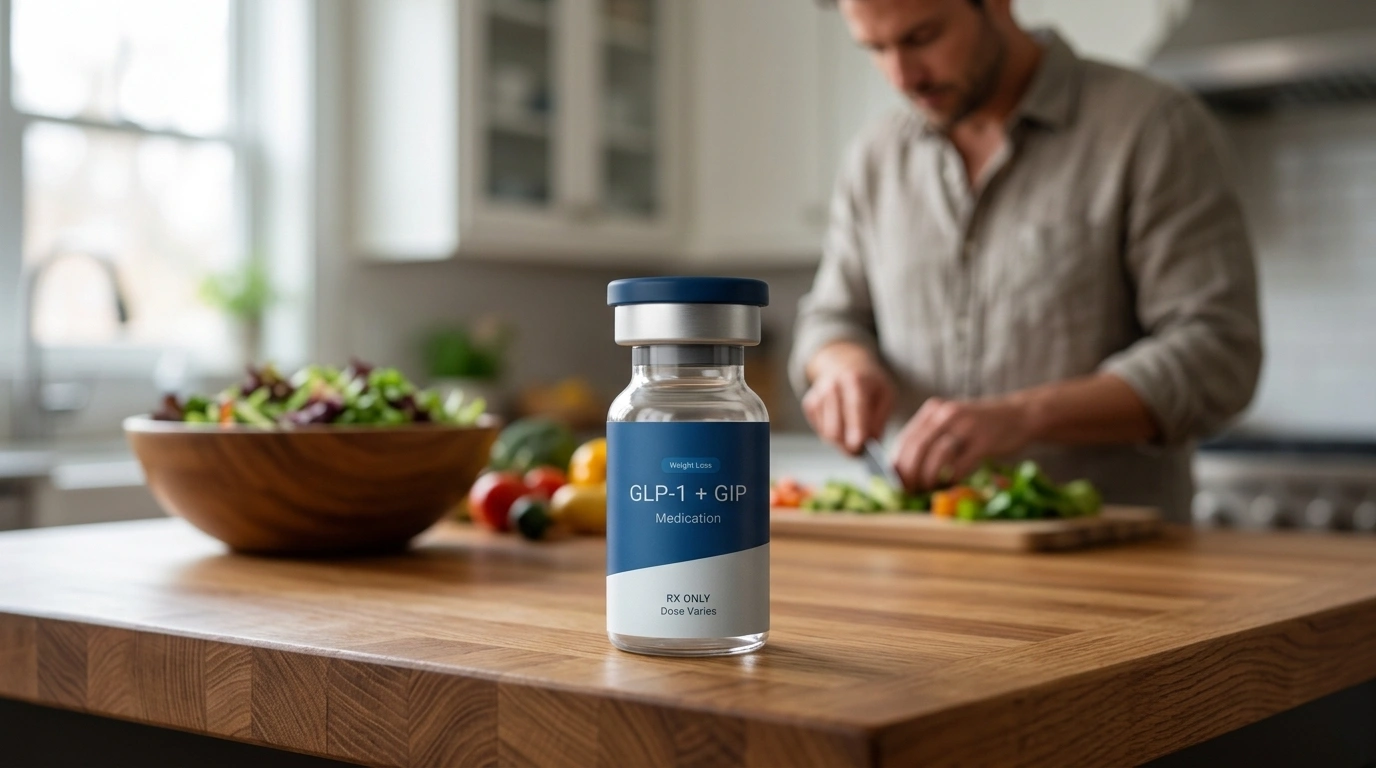
Mounjaro® (tirzepatide) is a dual receptor agonist. It mimics two natural hormones in the body: glucagon-like peptide-1 (GLP-1) and glucose-dependent insulinotropic polypeptide (GIP). Unlike glipizide, Mounjaro® stimulates insulin secretion primarily when your blood sugar is elevated. It also slows down how quickly your stomach empties (gastric emptying) and signals your brain to feel full, which supports weight management.
Quick Answer: Yes, you can take glipizide with Mounjaro®, but it must be done under strict medical supervision. Combining these medications significantly increases your risk of hypoglycemia (low blood sugar), which often requires your healthcare provider to adjust your glipizide dosage.
The Risk of Hypoglycemia
The most significant concern when combining these two medications is hypoglycemia, or dangerously low blood sugar. Because both drugs are working to lower your glucose levels, their effects can stack, leading to a “double-down” effect. You can also read about whether Mounjaro can lower blood sugar too much.
While Mounjaro® generally does not cause severe hypoglycemia when used on its own, glipizide is known for this side effect. When you add the potent glucose-lowering power of a dual GLP-1/GIP agonist to a sulfonylurea, the risk becomes much more pronounced.
Symptoms of Low Blood Sugar to Watch For
If you are using this combination, you must be able to recognize the early warning signs of hypoglycemia. These include:
- Sudden shakiness or tremors
- Excessive sweating or chills
- Dizziness or lightheadedness
- A rapid or pounding heartbeat
- Intense hunger (often called “hangry” feelings)
- Confusion or difficulty concentrating
- Feeling unusually tired or weak
If left untreated, severe hypoglycemia can lead to fainting, seizures, or loss of consciousness. It is a serious medical situation that requires immediate intervention.
Key Takeaway: Combining a sulfonylurea like glipizide with a dual agonist like Mounjaro® amplifies the body’s insulin response, making frequent blood sugar monitoring essential to prevent dangerous lows.
Managing the Combination Safely
If a healthcare provider determines that you need both medications, they will likely implement a specific management plan. This is not a “set it and forget it” routine; it requires active participation and communication. A tirzepatide interaction guide can help you prepare for a medication review with your provider.
Step 1: Dosage Adjustments
When starting Mounjaro®, your provider may proactively decrease your glipizide dose. This helps “make room” for the new medication’s effects without crashing your blood sugar levels. Never change your dose on your own; always follow the specific instructions provided by your clinical team.
Step 2: Frequent Monitoring
You will likely need to check your blood glucose levels more often than usual, especially during the first few weeks of treatment or after any dose increase. This data helps your provider decide if further adjustments are needed.
Step 3: Emergency Preparedness
Patients on this combination should always carry a quick-acting source of glucose, such as glucose tablets, fruit juice, or hard candy. This is often referred to as the “Rule of 15”: consume 15 grams of fast-acting carbs, wait 15 minutes, and check your sugar again.
Comparing Glipizide and Mounjaro®
| Feature | Glipizide | Mounjaro® (Tirzepatide) |
|---|---|---|
| Drug Class | Sulfonylurea | Dual GLP-1/GIP Agonist |
| Primary Action | Stimulates insulin release | Mimics gut hormones; slows digestion |
| Administration | Oral tablet | Weekly subcutaneous injection |
| Hypoglycemia Risk | High | Low (when used alone) |
| Weight Impact | Often leads to weight gain | Supports significant weight loss |
Broader Drug Interactions with Mounjaro®
Beyond glipizide, Mounjaro® has other interactions that are important for your overall health strategy. Because it slows gastric emptying—the process of food and medicine leaving your stomach—it can change how your body absorbs other oral medications. For a broader overview, review what medications may interact with Mounjaro.
Oral Contraceptives
Research suggests that Mounjaro® may reduce the effectiveness of birth control pills, particularly during the first month of treatment or following a dose increase. If you rely on oral contraceptives, we recommend discussing alternative or backup barrier methods with your doctor to prevent unintended pregnancy.
Warfarin and Blood Thinners
For those taking warfarin, the change in absorption speed caused by Mounjaro® can make blood-thinning levels unpredictable. This often requires more frequent blood tests (INR monitoring) to ensure your blood is not clotting too quickly or thinning too much.
Alcohol Consumption
While there is no direct chemical interaction between alcohol and Mounjaro®, both substances can affect your blood sugar. Alcohol can mask the symptoms of hypoglycemia, making it harder for you to realize your sugar is dropping. Additionally, both alcohol and GLP-1 medications are associated with an increased risk of pancreatitis, a painful inflammation of the pancreas.
Myth: Mounjaro® is just a stronger version of glipizide. Fact: They belong to entirely different drug classes and work through different biological pathways. While glipizide focuses solely on insulin secretion, Mounjaro® targets multiple hormones to manage glucose and appetite.
Compounded Medications and Personalized Care
In the current landscape of metabolic health, many individuals are looking for flexible options to access these life-changing treatments. While Mounjaro®, Ozempic®, Wegovy®, and Zepbound® are well-known branded medications, they are not the only path forward.
Our platform connects you with licensed healthcare providers who can evaluate your health history and goals. Depending on your needs, they may prescribe compounded medications. Compounded semaglutide and compounded tirzepatide are alternatives that are prepared by FDA-registered and inspected compounding pharmacies.
It is important to note that while these pharmacies follow strict quality standards, compounded medications themselves are not FDA-approved in the same way branded drugs are. However, they provide a vital option for patients when branded medications are in short supply or when a more personalized dosage is required. Through TrimRx, you get access to a comprehensive program that includes doctor consultations and medications shipped directly to your door, ensuring you have the support you need at every step. To explore whether a personalized program may be appropriate for you, start the free assessment quiz.
When to Consult a Healthcare Provider
Safety is paramount when dealing with metabolic health. You should always speak with a professional before mixing medications or starting a new weight loss protocol.
Immediate medical attention is necessary if you experience:
- Severe abdominal pain that radiates to your back (a sign of potential pancreatitis)
- Persistent vomiting or inability to keep fluids down
- Signs of a serious allergic reaction, such as swelling of the face or difficulty breathing
- Consistent hypoglycemia that does not improve with glucose tablets
Bottom line: While glipizide and Mounjaro® can be used together, the combination requires a tailored approach, lower doses of the sulfonylurea, and vigilant blood sugar monitoring to ensure your safety.
Personalizing Your Path to Health
Every individual’s metabolic profile is unique. What works for one person may not be the right fit for another, especially when underlying conditions like Type 2 diabetes are involved. A one-size-fits-all approach rarely leads to sustainable results, which is why personalized medical supervision is so valuable.
At TrimRx, we are dedicated to helping you navigate these complexities with empathy and scientific expertise. Our mission is to simplify your journey by providing a telehealth-first platform that removes the barriers of waiting rooms and confusing pharmacy visits. We believe everyone deserves a clear, medically backed plan for their weight loss and metabolic health. If you would like your health history and goals reviewed, see if you qualify for a personalized program.
Conclusion
Taking glipizide with Mounjaro® is possible, but it is a clinical decision that must be managed by a professional. The primary goal is to maximize the benefits of glucose control and weight loss while minimizing the dangerous risk of hypoglycemia. By staying informed about how these drugs interact and maintaining open communication with your care team, you can move toward your health goals with confidence.
- Always monitor your blood sugar closely when starting a new GLP-1 or GIP medication.
- Be aware of the symptoms of low blood sugar and have a treatment plan ready.
- Consider how your medications might interact with other aspects of your life, like birth control or alcohol.
- Seek out a personalized program that prioritizes your safety and long-term success.
Ready to see which treatment options are right for your health profile? Take the free assessment quiz today to explore a personalized program designed for your unique needs.
FAQ
What are the most common signs of low blood sugar when taking glipizide?
The most frequent symptoms include shakiness, sweating, dizziness, and a rapid heartbeat. You may also feel suddenly hungry, confused, or irritable. It is important to treat these symptoms immediately with a fast-acting carbohydrate like fruit juice or glucose tablets. You can review additional guidance on recognizing low blood sugar while using Mounjaro.
Can I stop taking glipizide once I start Mounjaro®?
You should never stop or change the dose of your diabetes medication without explicit instructions from your healthcare provider. While many patients are eventually able to reduce their reliance on older medications after starting a dual agonist, this transition must be managed slowly to prevent blood sugar spikes.
Does Mounjaro® interfere with birth control pills?
Yes, Mounjaro® can delay the absorption of oral contraceptives because it slows down gastric emptying. This is most likely to happen when you first start the medication or when your dose is increased. Healthcare providers often recommend using a backup barrier method for at least four weeks during these periods.
Why is there a warning about thyroid issues with Mounjaro®?
Mounjaro® has a boxed warning because, in animal studies, it was shown to cause certain types of thyroid tumors. While it is unknown if this happens in humans, individuals with a personal or family history of medullary thyroid carcinoma (MTC) or Multiple Endocrine Neoplasia syndrome type 2 (MEN 2) should not use this medication.
Disclaimer: This content is for informational purposes only and does not constitute medical advice. It is not intended to diagnose, treat, cure, or prevent any disease or condition. Individual results may vary. Always consult a qualified healthcare professional before starting any weight loss program or medication.

Transforming Lives, One Step at a Time
Keep reading

Mounjaro Alternatives: What Else to Consider
If Mounjaro isn’t the right fit, the closest alternatives are other GLP-1 medications, chiefly semaglutide (Ozempic for diabetes, Wegovy for weight), along with a…

Mounjaro vs Zepbound: Same Drug, Two Brands
Like their semaglutide counterparts, Mounjaro and Zepbound are the same medication (tirzepatide) sold under two names for two purposes: Mounjaro is approved for type…

Retatrutide vs Mounjaro: Triple Agonist vs Dual Agonist
The core difference between retatrutide and Mounjaro comes down to how many hormone targets each hits: retatrutide activates three receptors, while Mounjaro (tirzepatide) activates…


