Can You Take GLP 1 Temporarily? A Guide to Results That Last

Introduction
Many people starting their weight loss journey wonder if they can use medication as a short-term “jumpstart.” You might be facing a stubborn plateau or looking to lose those last fifteen pounds, leading you to ask: can you take GLP 1 temporarily? It is a valid question, especially when you are looking for a way to align your health goals with a lifestyle that feels sustainable.
At TrimRx, we believe that understanding the biology of weight management is the first step toward achieving lasting success. This post covers how these medications interact with your body, what happens when you stop using them, and how to approach your treatment plan with a long-term mindset. Our goal is to help you navigate these choices with clarity and confidence. While temporary use is biologically possible, the way you transition off the medication determines whether your results stay with you. If you are considering whether GLP-1 therapy fits your goals, you can complete a free eligibility assessment.
Quick Answer: While you can physically stop taking GLP-1 medications at any time, clinical data suggests that most individuals regain a portion of their weight if they stop without a comprehensive maintenance plan. These medications are typically designed for long-term management of metabolic health, but some individuals may successfully transition to lifestyle-only maintenance under medical supervision.
How GLP-1 Medications Work in Your Body
To understand if temporary use is right for you, it is helpful to first understand what these medications actually do. GLP-1 stands for glucagon-like peptide-1, which is a hormone your body naturally produces in the gut. Its primary job is to tell your brain that you are full and to help your pancreas manage blood sugar levels.
A GLP-1 receptor agonist—the technical name for medications like Compounded Semaglutide or Compounded Tirzepatide—is a synthetic version of this hormone. Because the synthetic version lasts much longer in your system than the natural version, it provides a consistent signal of fullness. You can also review how GLP-1 treatment works and how to make the most of it.
The Mechanism of Satiety
These medications work through three primary pathways:
- Brain Signaling: They target the areas of the brain that regulate appetite and “food noise,” which is the constant intrusive thought of eating.
- Gastric Emptying: They slow down the rate at which food leaves your stomach. This “slowed digestion” keeps you feeling physically full for a longer duration after a meal.
- Insulin Regulation: They help the body release insulin more efficiently when blood sugar is high, which can improve overall metabolic function.
By mimicking these natural signals, the medication allows you to consume fewer calories without the intense hunger pangs that usually accompany a calorie deficit.
The Reality of Stopping Treatment
The most common concern with temporary use is the “rebound” effect. When you stop taking a GLP-1 medication, the synthetic hormone leaves your system. For most people, this means the biological signals for hunger and the “food noise” return to their baseline levels.
Clinical Research Findings Studies, such as the STEP 1 trial extension involving Wegovy®, have shown that participants who stopped the medication after 68 weeks regained approximately two-thirds of their lost weight within the following year. This happens because obesity and weight management are often linked to chronic metabolic issues rather than just short-term habits. When the medication is removed, the underlying metabolic signals that encourage weight gain may become active again.
For more detail on the timeline and challenges involved, read what happens when you stop taking semaglutide.
Key Takeaway: GLP-1 medications address the biological drivers of hunger. When you stop the medication, those drivers often return, making it difficult to maintain weight loss through willpower alone unless significant lifestyle and metabolic shifts have occurred.
Short-Term vs. Long-Term Management
Deciding whether to use these tools temporarily often depends on your starting point and your health goals.
Cosmetic Weight Loss vs. Chronic Management
For an individual with a BMI over 30, or a BMI over 27 with weight-related health conditions, medical providers typically view GLP-1s as a long-term treatment for a chronic condition. Much like medication for high blood pressure, the treatment is effective as long as it is being used.
However, for individuals who are using the medication to overcome a specific plateau or to lose a smaller amount of weight, the conversation around “temporary” use is different. In these cases, the medication acts as a “reset” button for the metabolism.
| Feature | Short-Term Use (3–6 Months) | Long-Term Use (12+ Months) |
|---|---|---|
| Primary Goal | Breaking a plateau or “resetting” habits. | Managing chronic obesity or metabolic health. |
| Risk of Regain | High, unless habits are firmly established. | Lower, as long as medication continues. |
| Metabolic Impact | Temporary suppression of appetite. | Sustained improvement in insulin sensitivity. |
| Best For | Mild overweight with strong lifestyle habits. | Significant obesity or chronic metabolic issues. |
The Role of Personalization
At our platform, we emphasize that there is no one-size-fits-all timeline. When you participate in a program through TrimRx, you are connected with licensed providers who evaluate your specific health profile. This personalized approach is crucial because it determines whether a “maintenance dose” or a complete “off-ramp” is appropriate for you. To discuss your options with a provider, take the free assessment quiz.
We provide access to medications like Compounded Semaglutide and Compounded Tirzepatide that are prepared and shipped by FDA-registered, inspected compounding pharmacies. These options allow for flexible dosing schedules that can be adjusted as you reach your goal weight, which is often a more successful strategy than stopping “cold turkey.”
Strategies for a Successful Transition
If you and your healthcare provider decide that you will take a GLP-1 temporarily, you must have a plan for the transition. You cannot simply stop the medication and expect your body to maintain the new weight without support. A structured approach to building lasting habits after stopping GLP-1 medications can help you prepare.
Step 1: Establish Permanent Lifestyle Habits
The time you spend on the medication should be treated as a “training period.” Because the medication reduces hunger, it gives you the mental space to practice new habits without feeling deprived.
- Prioritize Protein: Protein is the most satiating macronutrient. Building a habit of high-protein intake helps preserve muscle mass and keeps you full after you stop medication.
- Strength Training: GLP-1 medications can lead to muscle loss if you aren’t careful. Resistance training is essential to keep your metabolism high.
For practical guidance on preserving muscle during treatment, explore strength training on GLP-1 medications.
Step 2: Utilize Targeted Support
Even after stopping a prescription, your body may need support to stay on track. We offer quick-access options like GLP-1 Daily Support and Weight Loss Boost. These are designed to support your body’s natural pathways and provide nutrients that may be lacking during and after your treatment period.
Step 3: Consider a Tapering Strategy
Rather than stopping abruptly, many providers suggest a “maintenance” or “tapering” phase. This involves gradually lowering the dose over several months. This slow reduction allows your natural hunger signals to return gradually, giving you time to adjust your caloric intake manually.
For more guidance about managing a pause, read how to approach pausing semaglutide or tirzepatide.
Myth: “Once you stop GLP-1s, you are guaranteed to gain all the weight back.” Fact: Regain is a high risk, but it is not a guarantee. Success after stopping depends on metabolic health, muscle mass preservation, and the permanence of lifestyle changes made during treatment.
Why Biology Makes “Temporary” Difficult
It is important to be realistic about why the body wants to regain weight. The human body has an evolutionary “set point.” If you lose weight quickly, your body perceives this as a period of starvation. In response, it increases the production of ghrelin (the hunger hormone) and decreases the production of leptin (the fullness hormone).
When you are on a GLP-1 medication, these signals are overridden. When you stop, the signals return, often stronger than before. This is why many people feel “ravenous” after stopping medications like Ozempic® or Mounjaro®. Understanding that this is a biological response—not a failure of willpower—is essential for your mental health during the process.
Who Should Consult a Provider?
The decision to start or stop any medication should always be made in consultation with a licensed healthcare professional. This is especially true for GLP-1s because of how they affect your endocrine system.
You should seek professional guidance if:
- You have a history of pancreatitis or gallbladder issues.
- You are managing Type 2 diabetes (stopping could lead to dangerous blood sugar spikes).
- You are experiencing significant side effects like persistent nausea or vomiting.
- You are planning to become pregnant.
Our telehealth-first model ensures you have 24/7 access to a team of specialists who can help you decide if a temporary course is safe for your specific medical history.
Maximizing Your Time on Medication
If you view your time on a GLP-1 as temporary, every week counts. You aren’t just losing weight; you are “re-coding” your relationship with food.
The “Food Noise” Window One of the most profound effects of these medications is the silencing of “food noise.” Use this quiet time to identify your triggers. Are you an emotional eater? Do you eat out of boredom? Because the medication removes the physical urge to snack, you can identify the emotional urges. Addressing these through coaching or behavioral changes while on the medication increases your chances of staying at your goal weight after the medication is gone.
Nutritional Foundations Many people find they have a decreased interest in highly processed, high-sugar foods while on treatment. This is an ideal time to transition your palate toward whole foods. When the medication is discontinued, having a palate that prefers nutrient-dense foods will make maintenance much easier.
Bottom line: Temporary use of GLP-1 medications can be a powerful tool to break through plateaus, but it requires a rigorous commitment to lifestyle changes and a structured “off-ramp” to prevent weight regain.
Conclusion
The question of whether you can take a GLP-1 temporarily doesn’t have a simple “yes” or “no” answer. While the medication can be stopped, the biology of weight loss suggests that for many, a longer-term or maintenance-based approach yields the most sustainable results. Success is not just about the number on the scale today, but about your metabolic health five years from now.
At TrimRx, our mission is to provide you with the tools, medication, and clinical expertise needed to make these changes last. Whether you are looking for a personalized program or supplements to support your journey, we are here to guide you with empathy and science-backed strategies.
Next Step: Are you ready to see which program fits your lifestyle? Take our free assessment quiz to explore your options and connect with a provider who can help you build a personalized plan for sustainable health.
FAQ
Will I gain weight back immediately if I stop taking GLP-1s?
Weight regain does not happen overnight, but most people notice a return of hunger and “food noise” within a few weeks of their last dose. Clinical studies show that without a maintenance plan or significant lifestyle changes, many individuals regain a portion of their weight over the following year. Consistent habits and metabolic support are key to preventing a rapid rebound.
Can I take a “break” from the medication for a vacation or event?
Some people choose to pause their medication briefly for special occasions to avoid side effects or enjoy specific meals, but this should only be done under a doctor’s guidance. If you miss more than two weeks of doses, you may need to restart at a lower dose to avoid gastrointestinal upset. Always consult your provider before altering your prescribed dosing schedule.
Is it possible to use a lower “maintenance dose” instead of stopping?
Yes, many providers recommend a maintenance dose, which is a lower amount of medication intended to keep hunger signals at bay without continued rapid weight loss. This “middle ground” can make the medication more manageable long-term and reduce the likelihood of regain. Your provider can help determine the lowest effective dose for your maintenance phase.
How can I keep my appetite low after I stop taking the medication?
To manage appetite naturally after treatment, focus on a high-protein diet, increased fiber intake, and staying hydrated, as these all support natural satiety signals. Regular strength training also helps maintain a healthy metabolism. Some individuals also find success using targeted nutritional support after transitioning off prescription therapy.
Disclaimer: This content is for informational purposes only and does not constitute medical advice. It is not intended to diagnose, treat, cure, or prevent any disease or condition. Individual results may vary. Always consult a qualified healthcare professional before starting any weight loss program or medication.

Transforming Lives, One Step at a Time
Keep reading
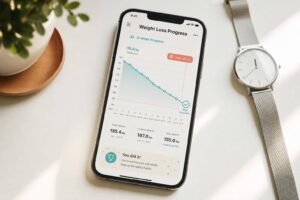
Weight Loss Progress Tracker
Track your weight loss over time, see progress clearly, and stay motivated with simple charts, summaries, and goal-based insights.
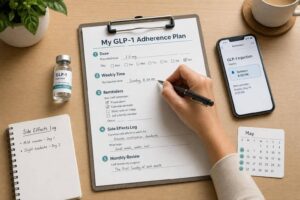
How to Create a Personalized Adherence Plan
Build a one-page GLP-1 adherence plan: record dose, pick a weekly time, set reminders, log side effects, and review monthly.

Weight Loss Medication Dosage Calculator
Estimate weight loss medication doses by weight and drug type, with starting guidance, dose progression info, and a clear medical disclaimer.


