Can You Take GLP-1 with Blood Thinners? Safety and Tips
Introduction
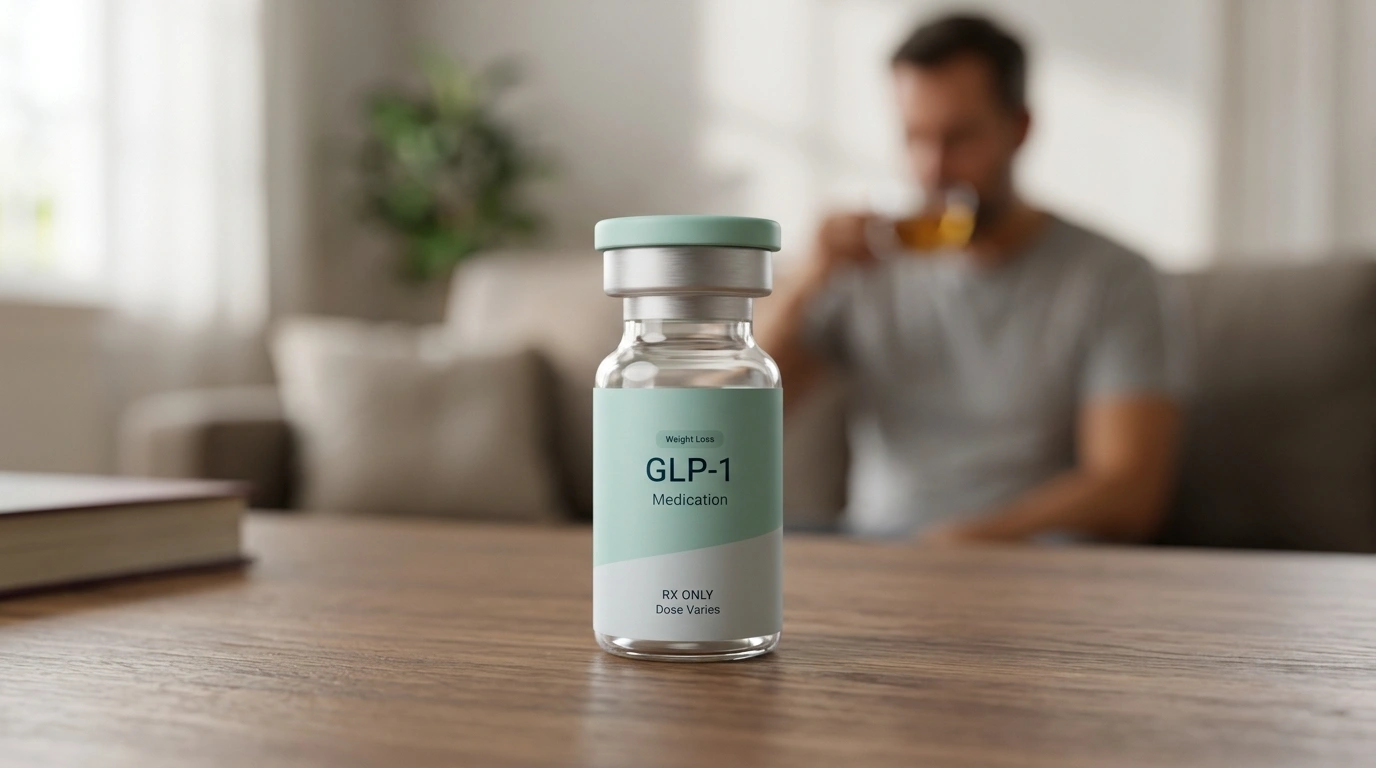
Managing multiple medications can often feel like a delicate balancing act, especially when you are considering adding a weight loss treatment to your routine. If you are currently prescribed a blood thinner—whether for heart health, a history of clots, or stroke prevention—and are curious about starting a GLP-1 medication, you likely have questions about safety. At TrimRx, we understand that your health journey is unique, and ensuring that different treatments work harmoniously is our top priority. This article covers the essential interaction details between glucagon-like peptide-1 (GLP-1) receptor agonists and anticoagulants, how absorption timing works, and the importance of clinical oversight. While many individuals successfully use both, the combination requires a personalized approach to ensure both medications remain effective and safe.
For additional context, review this guide to Ozempic and blood thinner interactions.
How GLP-1 Medications Interact with Other Drugs
To understand the relationship between weight loss medications and blood thinners, it is helpful to look at how the body processes them. GLP-1 receptor agonists, such as semaglutide or tirzepatide, work by mimicking a natural hormone in the body. These medications help regulate blood sugar and signal the brain that you are full. However, they also have a secondary effect: they slow down gastric emptying.
For a deeper explanation, read about how semaglutide works and affects gastric emptying.
Gastric emptying is the technical term for the speed at which food and medication leave the stomach and enter the small intestine. Because GLP-1 medications slow this process, any other medication you take orally may sit in the stomach for a longer period. This delay can potentially change the Cmax (the peak concentration of the drug in your bloodstream) or the tmax (the time it takes for the drug to reach that peak).
For many medications, a slight delay in absorption does not change how well the drug works. However, for medications with a “narrow therapeutic index”—where the dosage must be very precise to be effective without being toxic—this delay requires careful consideration by a healthcare provider.
Key Takeaway: The primary way GLP-1 medications interact with other oral drugs is by slowing down digestion, which can delay how quickly your body absorbs other medications.
Blood Thinners and Weight Loss Medication: A Closer Look
Blood thinners, or anticoagulants, are vital for preventing serious cardiovascular events. There are several different types of blood thinners, and each may interact slightly differently with the slowed digestion caused by GLP-1 treatments.
Direct Oral Anticoagulants (DOACs)
Many people today are prescribed DOACs, such as Eliquis® (apixaban) or Xarelto® (rivaroxaban). These medications are known for having more predictable effects than older blood thinners. Research generally suggests that while GLP-1 medications might delay the time it takes for these drugs to reach peak levels, the overall amount of medication absorbed by the body (the total exposure) usually remains consistent.
Warfarin and the Narrow Therapeutic Index
Warfarin is an older anticoagulant that requires regular blood testing to monitor the International Normalized Ratio (INR). Because Warfarin has a narrow therapeutic index, even small changes in how it is absorbed can shift your INR levels. If your digestion slows down due to a GLP-1 medication, your healthcare provider may want to monitor your blood levels more frequently during the first few weeks of treatment to ensure your blood remains at the correct thickness.
Antiplatelet Medications
Drugs like aspirin or Plavix® (clopidogrel) are antiplatelets rather than anticoagulants, but they are often grouped together in discussions about blood thinning. Similar to DOACs, the main concern here is the timing of the peak effect rather than the medication failing to work entirely.
Oral vs. Injectable GLP-1 Medications
The format of your GLP-1 medication matters significantly when discussing drug interactions. TrimRx connects patients with providers who can navigate these different formats based on your health profile.
Injectable Medications
Injectable versions of semaglutide or tirzepatide are administered once a week. Because these enter the bloodstream through the subcutaneous tissue (fatty layer under the skin), they do not need to be absorbed by the stomach. However, they still cause the systemic effect of slowing down the stomach’s movement. This means they can still affect other oral medications you take, like your blood thinner, even though the GLP-1 itself isn’t passing through your digestive tract.
For more on administration timing, see when to take your semaglutide shot.
Oral Medications
Oral formulations, such as oral semaglutide, have very specific requirements. These must typically be taken on an empty stomach, first thing in the morning, with a small sip of plain water (usually no more than 4 ounces). You must then wait at least 30 minutes before eating, drinking anything else, or taking any other oral medications—including your blood thinner.
| Feature | Injectable GLP-1 | Oral GLP-1 |
|---|---|---|
| Administration | Weekly injection | Daily tablet |
| Stomach Impact | Slows gastric emptying | Slows gastric emptying |
| Timing Rule | No specific timing for other meds | Must wait 30 mins for other meds |
| Absorption Concern | Affects other oral drugs | Affects other oral drugs + self |
Managing Side Effects and Blood Thinner Safety
When starting a weight loss journey, side effects can sometimes occur. While often manageable, some side effects can indirectly impact how blood thinners work or how your body handles them.
For a broader overview, review common GLP-1 side effects and what to expect.
Dehydration and Kidney Function Common side effects of GLP-1 medications can include nausea, vomiting, or diarrhea, especially when first starting or increasing a dose. If these symptoms lead to dehydration, it can put stress on the kidneys. Many blood thinners are processed through the kidneys, and any change in kidney function could potentially lead to higher levels of the blood thinner in your system.
Vitamin K and Diet If you are taking Warfarin, your diet plays a massive role in your medication’s effectiveness. Vitamin K (found in leafy greens) can interfere with Warfarin. As GLP-1 medications decrease your appetite and change your food preferences, you might inadvertently change your Vitamin K intake. This makes it even more important to work with a clinical team that can monitor these shifts.
Note: If you experience severe or persistent vomiting or diarrhea while on a GLP-1 and a blood thinner, contact your healthcare provider immediately to ensure you stay hydrated and your medication levels remain stable.
The Importance of a Personalized Program
Because the interaction between GLP-1s and blood thinners is largely about timing and individual response, a “one size fits all” approach is not appropriate. This is where a personalized telehealth program becomes essential. When you complete a free eligibility assessment, you provide the necessary information for a licensed provider to review your medical history, including your current use of anticoagulants.
Our mission is to ensure that your path to metabolic health is as smooth as possible. By accessing Compounded Semaglutide or Compounded Tirzepatide through FDA-registered, inspected compounding pharmacies, you receive a program tailored to your needs. A dedicated specialist can help you determine the best time of day to take your medications to avoid interference.
Myth: You cannot take weight loss injections if you are on blood thinners. Fact: Most people on blood thinners can safely use GLP-1 medications, provided they are under the supervision of a healthcare professional who can monitor for interactions and adjust timing if needed.
Steps to Safely Starting Your Journey
If you are ready to explore GLP-1 medications while managing a blood thinner, follow these steps to ensure a safe transition.
Step 1: Complete a thorough medical assessment. Disclose all current medications, including the specific name and dosage of your blood thinner. This allows the provider to evaluate the risk of delayed absorption.
Step 2: Establish a medication schedule. Work with your provider to determine when to take your blood thinner. For many, taking the blood thinner at a different time than the GLP-1 dose (if using oral versions) or simply staying consistent with timing is key.
Step 3: Monitor for signs of changes. If you are on Warfarin, schedule an INR check shortly after starting your GLP-1 medication. If you are on a DOAC, watch for any unusual bruising or bleeding, which could indicate a change in how the drug is working.
Step 4: Stay hydrated and nourished. Use support tools like GLP-1 Daily Support to maintain nutrient balance and help manage the digestive changes that occur during treatment.
The Role of Compounded Medications
Many patients look toward compounded options when branded medications like Ozempic®, Wegovy®, Mounjaro®, or Zepbound® are unavailable or not the right fit for their specific program. Compounded medications are prepared by pharmacists to meet a specific prescription. While these compounded versions are not FDA-approved, they are produced in facilities that follow strict quality standards. This flexibility allows for precise dosing, which can be beneficial when a provider wants to start a patient on a very low dose to see how it interacts with their current blood thinner regimen.
Conclusion
Combining GLP-1 medications with blood thinners is a common clinical scenario that can be handled safely with the right professional guidance. While the natural slowing of digestion caused by these weight loss treatments can affect the timing of drug absorption, it rarely prevents someone from being a candidate for the program. The key to success lies in careful monitoring, consistent timing, and open communication with your clinical team. We are committed to providing a science-backed, empathetic environment where you can pursue your weight loss goals without compromising your cardiovascular health.
Bottom line: While GLP-1s change how your stomach processes pills, most patients can safely combine them with blood thinners through careful scheduling and medical supervision.
If you are ready to see if you qualify for a personalized weight loss program, your next step is to take the free assessment quiz. This allows us to understand your health history and connect you with a provider who can create a plan that respects your existing medications while helping you reach your health goals.
FAQ
Can GLP-1 medications cause bleeding if I take them with Eliquis®?
GLP-1 medications themselves do not typically cause bleeding or affect blood clotting directly. However, because they slow digestion, they may change how quickly Eliquis® is absorbed into your system. It is important to have a healthcare provider monitor your progress to ensure your blood thinner remains at an effective level in your bloodstream.
Do I need to change my blood thinner dose when starting semaglutide?
Most people do not need to change their blood thinner dose, but those taking Warfarin may need more frequent blood tests. Since Warfarin is very sensitive to changes in metabolism and diet, your doctor will check your INR levels to see if an adjustment is necessary. For other thinners like Xarelto®, dosing usually stays the same.
Is it better to use injectable or oral GLP-1s if I’m on blood thinners?
Injectable medications are often preferred for those concerned about drug interactions because they bypass the initial digestive process. However, both formats slow down the stomach, meaning they both require careful timing of your oral blood thinner. Your provider will help you choose the format that best fits your lifestyle and medical needs.
What should I do if I feel dizzy while taking both medications?
Dizziness can be a sign of many things, including a drop in blood sugar or dehydration, which are possible when starting a GLP-1. Since you are also on a blood thinner, it is essential to contact your healthcare provider if you feel dizzy or lightheaded. They can determine if the symptom is a side effect of the weight loss medication or related to your cardiovascular health.
If you want to discuss your medications with a provider, find out if GLP-1 medications may be right for you.
Disclaimer: This content is for informational purposes only and does not constitute medical advice. It is not intended to diagnose, treat, cure, or prevent any disease or condition. Individual results may vary. Always consult a qualified healthcare professional before starting any weight loss program or medication.

Transforming Lives, One Step at a Time
Keep reading
Weight Loss Progress Tracker
Track your weight loss over time, see progress clearly, and stay motivated with simple charts, summaries, and goal-based insights.
How to Create a Personalized Adherence Plan
Build a one-page GLP-1 adherence plan: record dose, pick a weekly time, set reminders, log side effects, and review monthly.

Weight Loss Medication Dosage Calculator
Estimate weight loss medication doses by weight and drug type, with starting guidance, dose progression info, and a clear medical disclaimer.


