Can You Take GLP-1 With Mounjaro? Safety and Best Practices
Introduction
Finding the right path to sustainable weight loss often leads to questions about whether more is better when it comes to modern medical treatments. If you are currently taking a GLP-1 medication or are considering Mounjaro®, you might wonder if combining different therapies could accelerate your results. At TrimRx, we believe that understanding the science behind these medications is the first step toward a safer, more effective health journey.
This article explores the specific interactions between different classes of weight loss medications, the risks of “stacking” similar treatments, and how a personalized approach can help you reach your goals without compromising your safety. The short answer is that taking a GLP-1 medication alongside Mounjaro is generally not recommended by medical professionals due to the risk of severe side effects and overlapping mechanisms. Our goal is to provide the clarity you need to navigate these options with confidence.
Understanding Mounjaro and GLP-1 Medications
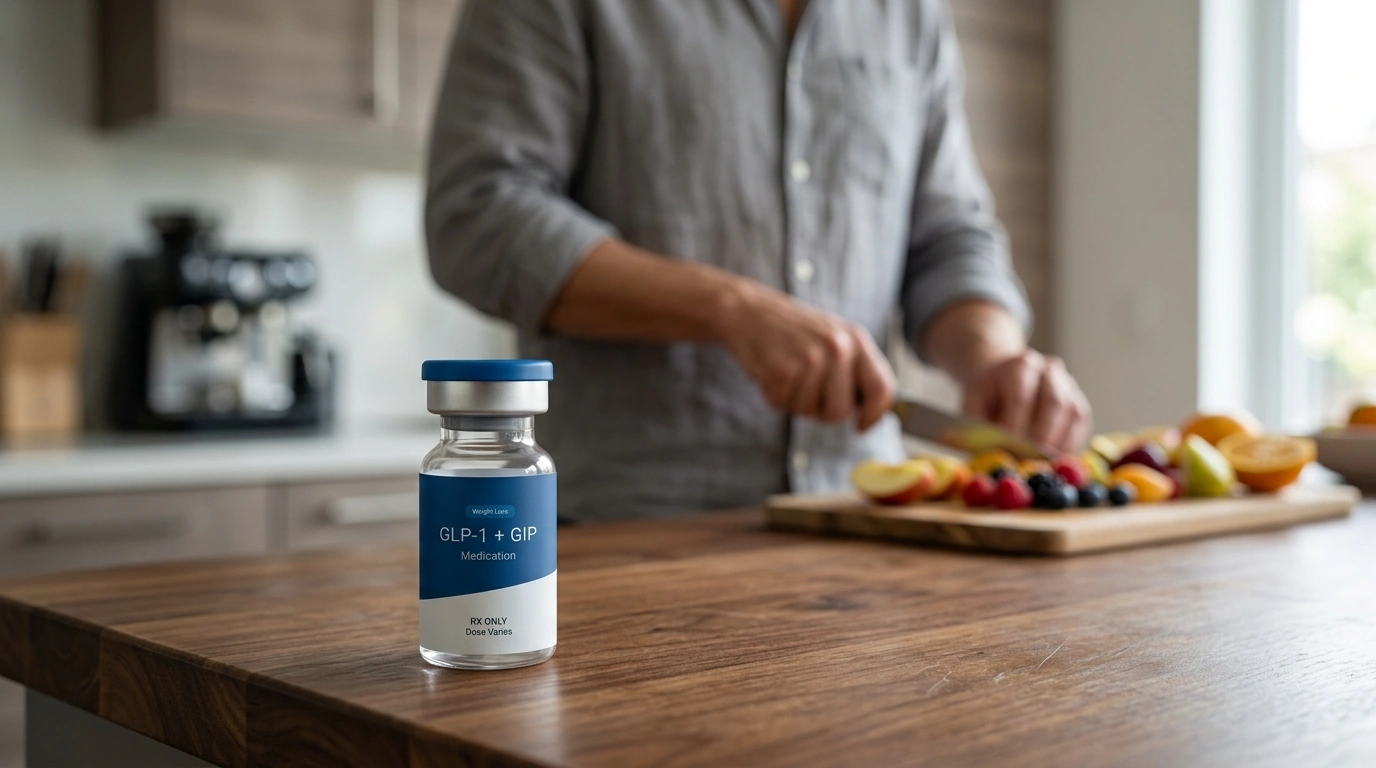
To understand why combining these treatments is a concern, we must first look at what these medications are and how they interact with your body. Mounjaro (tirzepatide) is a first-of-its-kind medication because it is a “dual agonist.” This means it targets two different hormone receptors in the body: the glucagon-like peptide-1 (GLP-1) receptor and the glucose-dependent insulinotropic polypeptide (GIP) receptor.
By activating both pathways, tirzepatide helps the body regulate blood sugar, slows down digestion, and sends signals to the brain that increase feelings of fullness. While Ozempic® and Wegovy® (semaglutide) only target the GLP-1 receptor, Mounjaro adds the GIP component, which research suggests may provide an additional boost to metabolic health and appetite suppression. For a broader comparison, see this guide to semaglutide versus tirzepatide.
Quick Answer: No, you should not take a GLP-1 medication (like semaglutide) with Mounjaro. Because Mounjaro already contains a GLP-1 component, adding another GLP-1 drug creates a “therapeutic duplication” that significantly increases the risk of dangerous side effects without providing proven additional benefits.
Can You Take GLP-1 With Mounjaro?
Medical guidelines and the U.S. Food and Drug Administration (FDA) explicitly advise against the co-administration of Mounjaro with other GLP-1 receptor agonists. This includes medications like Ozempic, Wegovy, Saxenda®, and Victoza®, as well as compounded semaglutide.
When you take a medication that is already a dual agonist like tirzepatide, your GLP-1 receptors are already being stimulated. Adding a second GLP-1 drug is essentially like trying to fill a glass that is already full; the excess medication does not necessarily help you lose more weight, but it does place an immense amount of stress on your digestive system. If you are considering a medication change, review this guide to switching between tirzepatide and other GLP-1 medications.
The Risk of Therapeutic Duplication
Therapeutic duplication occurs when a patient takes two or more medications from the same drug category to treat the same condition. While some medical conditions require “cocktail” therapies, weight loss treatment with incretin mimetics (the class these drugs belong to) is designed as a standalone protocol.
- Over-stimulation: Your body has a limited number of hormone receptors. Overloading them can lead to a “plateau” in effectiveness while skyrocketing the intensity of adverse reactions.
- Lack of Clinical Data: There are currently no large-scale clinical trials that support the safety or efficacy of taking tirzepatide and semaglutide together.
- Regulatory Warnings: The prescribing information for both Mounjaro and Zepbound® (the weight-loss-specific version of tirzepatide) specifically states they should not be used in combination with other GLP-1 receptor agonists.
Key Takeaway: Combining these medications is considered “off-label” and is generally avoided by licensed healthcare providers. A single, correctly dosed medication is the standard of care for safe and effective weight management.
The Risks of Combining These Therapies
The primary danger of combining a GLP-1 medication with Mounjaro is the high likelihood of severe gastrointestinal distress. Because both drugs work by slowing down “gastric emptying”—the rate at which food leaves your stomach—taking both at once can cause your digestion to slow to an uncomfortable or even dangerous pace.
Gastrointestinal Side Effects
When the digestive system is slowed down too much, the body reacts. Patients who attempt to combine these medications often report debilitating nausea, persistent vomiting, and severe constipation. In extreme cases, this can lead to gastroparesis (stomach paralysis) or bowel obstructions, which may require emergency medical intervention. For more context, review this overview of side effects during GLP-1 medication transitions.
Hypoglycemia (Low Blood Sugar)
Both GLP-1s and Mounjaro help the pancreas release the right amount of insulin when blood sugar is high. If you take both, you run the risk of your blood sugar dropping too low, a condition known as hypoglycemia. Symptoms of hypoglycemia include:
- Dizziness or lightheadedness
- Confusion and shakiness
- Extreme hunger
- Fast heartbeat or palpitations
Pancreatitis and Kidney Health
There is a known, albeit rare, risk of pancreatitis (inflammation of the pancreas) associated with this class of drugs. By doubling up on the medications, you may increase the stress on your pancreas and kidneys. Dehydration caused by severe vomiting and diarrhea can also lead to acute kidney injury, making it vital to stay within the prescribed limits of a single medication.
Why One Medication Is Usually Enough
Current clinical evidence suggests that Mounjaro is highly effective on its own. In clinical trials, individuals taking the highest dose of tirzepatide lost a significant percentage of their body weight when combined with diet and exercise. Because it targets two hormonal pathways (GLP-1 and GIP), many patients find it to be more potent than single-agonist medications.
If you feel that your current medication is not working as well as you had hoped, the solution is rarely to add another drug of the same class. Instead, you should consult with a healthcare provider to discuss:
- Dose Titration: Increasing the dosage of your current medication according to a standard schedule.
- Medication Switching: Transitioning from a single GLP-1 (like semaglutide) to a dual agonist (like tirzepatide) under medical supervision.
- Lifestyle Optimization: Evaluating protein intake, hydration, and resistance training to support the medication’s effects.
For additional background, read this semaglutide-to-tirzepatide switching guide.
How to Transition Between Medications
If you and your healthcare provider decide that switching from a GLP-1 to Mounjaro is the right move, the process must be handled carefully. You cannot simply take both at once during the transition. Usually, a provider will recommend a “washout period” or a specific schedule where you stop one medication before starting the other at a calculated introductory dose.
Step 1: Professional Consultation
Never attempt to switch or combine medications without a prescription and oversight from a licensed clinician. At TrimRx, we connect you with providers who evaluate your medical history to ensure the transition is safe for your specific health profile. If you are considering a supervised medication transition, you can complete a free eligibility assessment.
Step 2: The Washout Period
Your doctor may advise you to wait a certain number of days after your last dose of semaglutide before starting tirzepatide. This ensures the first medication has partially cleared your system, reducing the risk of compounded side effects.
Step 3: Starting Low and Going Slow
Even if you were on the highest dose of a GLP-1, you will often start Mounjaro at a lower introductory dose. This allows your body to adjust to the new GIP receptor stimulation.
Note: Transitioning medications is a common practice, but it requires patience. It may take several weeks to reach a maintenance dose where you see the most significant results.
Managing Side Effects Safely
Whether you are on a GLP-1 or Mounjaro, managing side effects is the key to staying on track with your program. Instead of adding more prescription drugs, many people find success by supporting their body’s natural processes.
- Hydration: Drink plenty of water and consider electrolytes to prevent the fatigue and headaches often associated with these treatments.
- Small Meals: Eat smaller, nutrient-dense meals throughout the day rather than three large ones to help your stomach process food more easily.
- Nutritional Support: Some individuals use targeted supplements, such as our GLP-1 Daily Support supplement, to provide the essential vitamins and minerals that can be missed when appetite is significantly reduced.
Bottom line: Taking multiple GLP-1-based medications at once is not a shortcut to better results; it is a recipe for increased complications. Success comes from the right dose of a single, effective medication paired with consistent lifestyle support.
Personalization at TrimRx
We believe that weight loss is not a one-size-fits-all experience. This is why our platform focuses on personalized programs that are tailored to your unique biology. Rather than trying to navigate complex medication questions alone, our members have access to licensed providers who can help determine which medication—whether it be a GLP-1 or a dual agonist—is the best fit for their goals.
Our process is designed to be simple and transparent:
- Free Assessment: You begin with a comprehensive health quiz that reviews your history and goals.
- Clinical Review: A licensed provider reviews your information to determine eligibility and the most appropriate treatment path.
- Medication Delivery: If prescribed, your medication is prepared by an FDA-registered, inspected compounding pharmacy and shipped directly to your door.
- Ongoing Support: You have 24/7 access to our team to help you manage side effects and adjust your program as needed.
To find out whether a personalized prescription program may fit your needs, take the free assessment quiz.
Comparing Your Options
When deciding between a standard GLP-1 and a dual agonist like Mounjaro, it helps to see how they differ in terms of their clinical profile.
| Feature | GLP-1 (e.g., Semaglutide) | Dual Agonist (e.g., Tirzepatide) |
|---|---|---|
| Active Receptors | GLP-1 Only | GLP-1 and GIP |
| Typical Format | Weekly Injection or Daily Oral | Weekly Injection or Daily Oral |
| Mechanism | Delays gastric emptying, reduces hunger | Delays gastric emptying, reduces hunger, improves glucose metabolism |
| Common Branded Names | Ozempic®, Wegovy® | Mounjaro®, Zepbound® |
| Compounded Versions | Available through TrimRx | Available through TrimRx |
Both types of medication are highly effective, and the “right” choice depends entirely on your body’s response and your provider’s recommendation. At TrimRx, we ensure that whichever path you take, it is medically supervised and personalized to your needs. This comparison of semaglutide and tirzepatide provides additional context.
The Role of Compounded Medications
In recent years, the popularity of Mounjaro and GLP-1s has led to significant shortages of branded medications. To help patients maintain their treatment, we work with FDA-registered compounding pharmacies that can prepare Compounded Semaglutide and Compounded Tirzepatide.
It is important to understand the distinction: Compounded medications are not FDA-approved. However, they are prepared in pharmacies that follow strict federal and state regulations. These pharmacies use the same active ingredients found in the branded versions to create personalized doses for patients. This ensures that you have access to your treatment even when branded supplies are limited.
Conclusion
The journey to a healthier you should be built on a foundation of safety and clinical evidence. While the temptation to combine Mounjaro with another GLP-1 might stem from a desire for faster results, the risks far outweigh the potential benefits. Doubling up on these medications can lead to severe gastrointestinal issues, metabolic imbalances, and unnecessary strain on your body.
At TrimRx, our mission is to help you achieve sustainable, science-backed weight loss through a program that prioritizes your long-term health. We provide a transparent, supportive environment where you can access high-quality medications and professional guidance from the comfort of your home. By focusing on a single, personalized treatment plan and supporting your body with the right nutrients and lifestyle habits, you can reach your goals safely and effectively.
Take the first step toward a personalized plan today by completing our free health assessment quiz. Whether you are starting fresh or looking to transition your current treatment, we are here to guide you every step of the way.
FAQ
Can I use Ozempic and Mounjaro at the same time?
No, it is not recommended to use Ozempic and Mounjaro simultaneously. Both medications stimulate the GLP-1 receptor, and taking them together can cause an overdose of this hormone pathway, leading to severe nausea, vomiting, and other dangerous side effects.
What happens if I switch from a GLP-1 to Mounjaro?
When switching, your healthcare provider will typically have you stop your current GLP-1 medication and wait for a brief period before starting Mounjaro at a low dose. This transition allows your body to adapt to the new GIP receptor activation while minimizing the risk of overlapping side effects. This guide to switching between tirzepatide and other GLP-1 medications offers more information.
Why is Mounjaro considered different from other GLP-1s?
Mounjaro is unique because it is a dual agonist, meaning it targets both the GLP-1 and GIP hormone receptors. Most other weight loss medications, like semaglutide, only target the GLP-1 receptor, making Mounjaro a more complex treatment that often results in greater weight loss.
Is it safe to combine weight loss supplements with Mounjaro?
Most general supplements are safe, but you should always consult your provider before starting any new products. At TrimRx, we offer specific supplements like GLP-1 Daily Support that are designed to complement these medications by providing essential nutrients without interfering with the drug’s mechanism.
Disclaimer: This content is for informational purposes only and does not constitute medical advice. It is not intended to diagnose, treat, cure, or prevent any disease or condition. Individual results may vary. Always consult a qualified healthcare professional before starting any weight loss program or medication.

Transforming Lives, One Step at a Time
Keep reading

Orthodox Easter on Mounjaro: Breaking the Fast at Pascha
For Greek, Russian, Serbian, Romanian, Ukrainian, Antiochian, and other Orthodox Christians, Pascha is the feast of feasts. It follows the seven weeks of Great…

Enjoying an Onam Sadya on Mounjaro
Onam, Kerala’s harvest festival, is celebrated in the month of Chingam, usually in August or September, over about ten days that build to Thiruvonam….

Enjoying an Obon Festival on Mounjaro
Obon is a Japanese Buddhist tradition of remembering and honoring those who have died. In the US, Buddhist temples and Japanese American communities hold…


