Can You Take Half Dose of Mounjaro Safely?
Introduction
Starting a weight loss journey with modern metabolic medications often brings a mix of hope and technical questions. If you have recently moved up a dose and felt a wave of nausea, or if you are concerned about how your body will handle the next step in your treatment, you may have wondered: can you take half dose of Mounjaro? This is a common question for individuals who want to take a “low and slow” approach to minimize discomfort. We at TrimRx understand that navigating the specifics of these prescriptions can be confusing, especially when you are balancing health goals with daily life.
This article explores the mechanical design of injection pens, the clinical risks of manual dose-splitting, and the safer alternatives available for personalizing your treatment. While the desire to customize your dose is a valid response to side effects or cost concerns, doing so without professional guidance can compromise your safety and your results. Our goal is to equip you with the facts so you can move forward with a plan that is both effective and medically sound.
Quick Answer: No, you cannot safely take a half dose of Mounjaro® using the standard single-dose autoinjector pens provided in the United States. These devices are designed to deliver a full, factory-sealed dose in one click. Attempting to split the dose leads to inaccurate medication levels, potential contamination, and a high risk of infection.
The Design of the Single-Dose Autoinjector
To understand why you cannot simply split a dose, it is essential to look at the engineering behind the delivery system. In the U.S. market, Mounjaro® (tirzepatide) is typically distributed in a pre-filled, single-dose autoinjector. This device is a closed mechanical system specifically designed for ease of use and precision.
The autoinjector is an all-or-nothing device. Inside the plastic casing is a glass syringe under high spring tension. When you press the injection button, the spring is released, the needle deploys into the skin, and the entire volume of the liquid is injected automatically. There is no dial to turn and no “pause” button to stop the plunger halfway through the cycle.
Manual interruption results in medication waste. If a user attempts to pull the pen away from their skin mid-injection, the internal mechanism continues to fire. The remaining medication will spray into the air or onto the skin. Because you cannot see or measure the exact volume being delivered during that brief window, you would have no way of knowing how many milligrams actually entered your system. This makes “half-dosing” impossible to calculate with the branded autoinjector format. For more information, read this guide to taking less than the standard tirzepatide dose.
Why Taking a Half Dose is Risky
Beyond the mechanical limitations of the pen, there are several clinical and safety risks associated with “hacking” or splitting a dose. These risks can have serious consequences for your health and the success of your weight loss program.
Inaccurate Dosing and Blood Sugar Fluctuations
Precise dosing is a pillar of metabolic health. Tirzepatide—the active ingredient in Mounjaro®—is a potent peptide that works on two different hormone receptors: glucagon-like peptide-1 (GLP-1) and glucose-dependent insulinotropic polypeptide (GIP). These hormones help regulate blood sugar and signal fullness to the brain.
If you attempt to split a dose and end up taking an inconsistent amount, you prevent the medication from reaching a “steady state” in your blood. This can lead to:
- Inconsistent appetite suppression
- Sudden spikes in hunger
- Unexpected drops or rises in blood sugar levels
- Reduced metabolic benefits over time
For a broader explanation of available strengths, review this guide to tirzepatide doses and titration.
Bacterial Contamination and Infection
Sterility is perhaps the most critical concern when dealing with injectable medications. The liquid inside the pen is kept in a factory-sealed, sterile environment. These pens are not formulated with the preservatives required for multi-use containers.
Some individuals consider “decanting” the medication—spraying it from the pen into a separate vial or syringe to divide it. This practice is dangerous. Exposing the medication to the air or transferring it to a non-sterile container introduces bacteria. Injecting contaminated medication can lead to:
- Skin abscesses at the injection site
- Cellulitis (a deep skin infection)
- Systemic infections that may require hospitalization
Peptide Stability and Degradation
Peptides are delicate strings of amino acids. They are sensitive to light, temperature changes, and agitation. The autoinjector is designed to protect the stability of the tirzepatide molecule until the moment it enters your body. Once the seal is broken or the liquid is moved to a different vessel, the medication begins to break down. Using degraded medication means you are not receiving the full therapeutic benefit, which can stall your progress.
Common Reasons People Consider Dose Splitting
It is helpful to identify why the urge to split a dose occurs. Most of the time, individuals are searching for a solution to a practical problem rather than trying to disregard medical advice.
Managing GI Side Effects
The most frequent motivation for wanting a half dose is the desire to mitigate side effects. Because tirzepatide slows down gastric emptying (the speed at which food leaves your stomach), it can cause nausea, bloating, or indigestion. When a patient is moving from a 2.5 mg dose to a 5 mg dose, the “jump” can feel intimidating. They may believe a 3.75 mg “half-step” would be easier to tolerate, but this dose does not exist in the standard pen format. You can also review this overview of Mounjaro dosing and titration.
Supply Shortages and Cost
Medication shortages have impacted many individuals. If a specific dose is unavailable at a pharmacy, someone might have higher-strength pens left over from a previous month. They may consider trying to use half of a 10 mg pen to get a 5 mg dose. While the logic seems simple, the mechanical and sterility risks remain the same.
Fear of Dose Escalation
For those who are seeing great results on a lower dose, there is often a fear that moving up will “ruin” the experience or cause new side effects. They may want to “stretch” their current success by taking a smaller amount. However, the titration schedule is designed by clinical researchers to help the body adapt safely over time.
Key Takeaway: While concerns about side effects and cost are valid, the autoinjector is a specialized medical device, not a refillable container. Any attempt to alter it bypasses safety features designed to protect you from infection and dosing errors.
Clinical Dosing and the Titration Schedule
To understand why “half-dosing” is discouraged, it helps to look at how these medications are meant to work. Your body needs time to adjust to the hormonal shifts caused by tirzepatide.
The Loading Phase
Every person begins at a “loading dose,” which is typically 2.5 mg once weekly. This dose is not usually intended for maximum weight loss. Instead, its purpose is to introduce the medication to your system slowly. This allows your digestive tract and your brain’s hunger centers to acclimate.
The 4-Week Titration Step
The standard protocol involves staying on a specific dose for at least four weeks before moving up to the next level (e.g., from 2.5 mg to 5 mg). This four-week window is critical because it takes about that long for the medication to reach a consistent level in your bloodstream.
If you try to split a dose and end up taking 1.25 mg or 3 mg, you are confusing your body’s receptors. Consistency is what allows the body to adapt. By following a structured plan, you and your healthcare provider can identify your “maintenance dose”—the lowest effective dose that helps you meet your goals with minimal side effects. This tirzepatide starting-dose guide provides additional context.
Safe Alternatives for Flexible Dosing
If you find that the rigid dosing of branded autoinjector pens does not meet your needs, there are safer, medically supervised ways to find flexibility. You do not have to resort to “pen hacks” to have a comfortable experience.
Talk to a Healthcare Provider About Slowing Down
The most effective way to handle side effects is to adjust your schedule, not your pen. If you are struggling with the transition to a higher dose, a licensed provider can suggest staying at your current lower dose for an additional four weeks. This is a common and safe practice. It allows your body more time to acclimate without compromising the sterility or accuracy of your medication.
If you are considering prescription treatment or need help evaluating your options, you can complete a free eligibility assessment.
The Role of Compounded Tirzepatide
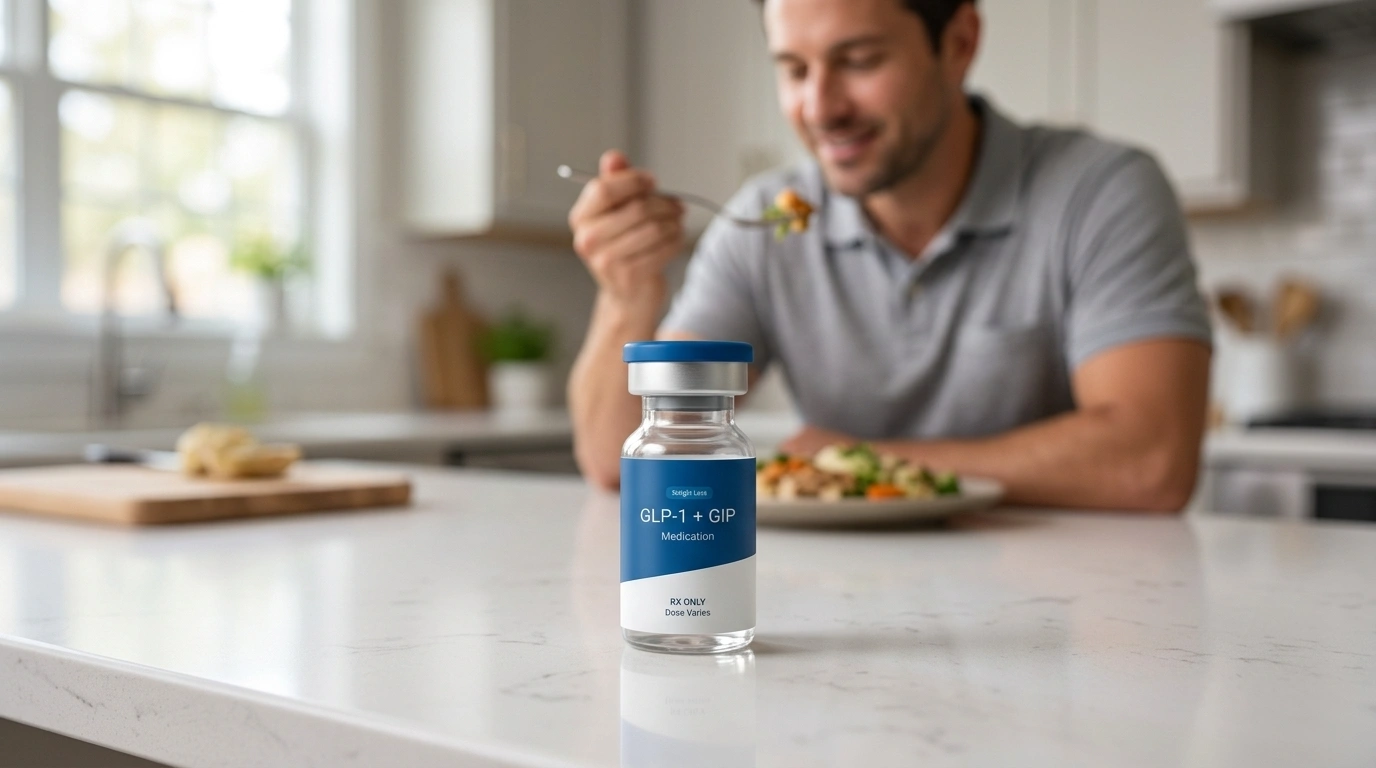
While branded medications like Mounjaro® and Zepbound® usually come in autoinjector pens, there is an alternative format. Compounded tirzepatide is often provided in multi-dose vials. Because you use a traditional, ultra-fine syringe to draw the medication from a vial, you have complete control over the volume.
This format allows for precise, customized dosing. If a provider decides that an intermediate dose is appropriate for you, a vial makes that possible. At TrimRx, we connect our members with medications prepared in FDA-registered, inspected compounding pharmacies. This ensures you receive a high-quality product while benefiting from the flexibility that a vial and syringe system provides.
Note: Compounded tirzepatide is not FDA-approved. It is a customized medication prepared by a licensed pharmacist for an individual patient based on a practitioner’s prescription.
Changing Injections Days (Within Guidelines)
Sometimes, the feeling that a dose is “too strong” is related to when you take it. If you find that side effects peak 24 hours after your injection, you can discuss timing with your provider. The official guidelines allow you to change your injection day as long as there are at least three days (72 hours) between doses. This doesn’t change the dose amount, but it can help you manage your symptoms around your work or family schedule.
Tips for Managing Side Effects Without Splitting Doses
If your motivation for wanting a half dose is nausea or discomfort, there are several evidence-based strategies you can use to feel better while staying on your prescribed amount.
Nutritional Adjustments
What you eat—and when you eat it—significantly impacts how your body handles the medication. Because your digestion is slower, food stays in your stomach longer.
- Eat smaller, frequent meals: Instead of three large meals, try five small snacks. This prevents your stomach from feeling overly full, which is a major trigger for nausea.
- Prioritize lean protein: High-quality protein helps maintain muscle mass.
- Avoid greasy or fried foods: High-fat meals are harder to digest and often cause significant discomfort when taking GLP-1/GIP medications.
- Limit high-sugar foods: Large amounts of sugar can cause “dumping” symptoms or increased nausea.
Hydration and Electrolytes
Dehydration is a leading cause of fatigue and headaches during weight loss. Many people find that their thirst cues diminish along with their hunger cues. Drinking plenty of water is essential. In some cases, adding an electrolyte supplement can help reduce the lightheadedness that sometimes accompanies rapid metabolic changes. If you are struggling to maintain your energy levels, our Weight Loss Boost supplement is designed to support your metabolic health during your journey.
Nutrient Support
When you are eating significantly less, it can be difficult to get all the vitamins and minerals your body needs. This lack of nutrients can contribute to feeling “run down” or unwell. Incorporating a targeted supplement like our GLP-1 Daily Support can help bridge the gap, providing the essential nutrients your body requires while your appetite is suppressed.
Injection Site Rotation
While it may sound simple, the location of your injection can influence your experience. The standard sites are the abdomen, the front of the thighs, and the back of the upper arm. Some patients report fewer gastrointestinal side effects when injecting into the thigh rather than the stomach. While clinical studies show similar absorption across these sites, rotating them each week can help reduce skin irritation and may improve your personal comfort.
How TrimRx Personalizes Your Journey
We believe that no two weight loss journeys are identical. A “one-size-fits-all” approach can lead to the very frustrations that make people want to split their doses. Our platform is built to provide the clinical support and flexibility needed for long-term success.
Our programs are designed around your specific health profile. When you join us, you gain access to a dedicated team of specialists who understand the nuances of metabolic health. You don’t have to guess how to handle a “jump” in dosage. You can reach out to our team for guidance on whether staying at a loading dose longer is the right move for you.
We provide a streamlined telehealth experience that includes:
- Licensed doctor consultations to determine the most appropriate path.
- Access to medications shipped from inspected, FDA-registered compounding pharmacies.
- The flexibility of vial-and-syringe dosing when clinically appropriate.
- Unlimited support to help you navigate side effects and titration.
By merging clinical expertise with modern technology, we ensure that you are never left alone to manage your medication. If you are ready to see if a personalized program is right for you, taking our free assessment quiz is the first step toward a medically supervised plan.
Step-by-Step: How to Address Dose Concerns Correctly
If you feel your current dose of Mounjaro® is too strong, follow these steps instead of attempting to split a pen.
Step 1: Track your symptoms. / Write down when your nausea or discomfort occurs and what you ate before it started. This data helps your provider make better decisions.
Step 2: Contact your provider. / Use our platform to message your medical team. Explain that the side effects are impacting your daily life.
Step 3: Discuss a titration pause. / Ask if you can remain on your current lower dose for another four weeks. This is the safest way to “slow down” the process.
Step 4: Review your medication format. / If you struggle with the rigid dosing of pens, ask your provider if a vial-and-syringe format (like compounded tirzepatide) might offer the precision you need.
Step 5: Implement lifestyle support. / Focus on hydration, small meals, and nutrient-dense foods while your body adjusts to the medication.
The Importance of Professional Supervision
Self-adjusting prescription medication is never recommended, especially with hormones that affect your metabolism. Your endocrine system is a delicate balance. When you are on a weight loss program, you are essentially retraining your body’s hunger and fullness signals. This requires a careful, evidence-based approach.
Licensed providers consider your BMI, your medical history, and your specific response to treatment before suggesting a change. By going through the proper channels, you ensure that your weight loss is not just fast, but sustainable and safe.
Bottom line: Your health is a long-term investment. While it might be tempting to “hack” a dose to save time or money, the risks of infection, injury, and ineffective treatment are far too high. Professional guidance is the only safe way to manage your medication levels.
Moving Forward with Confidence
Weight loss is a marathon, not a sprint. It is normal to hit bumps in the road, whether they are side effects or logistical challenges. You don’t have to navigate these hurdles alone. By choosing a program that offers personalized care and expert oversight, you can focus on your progress rather than worrying about the mechanics of your medication.
Our mission at TrimRx is to help you embrace a healthier lifestyle through science, empathy, and a transparent, personalized approach. We are here to guide you through the frustrations of weight loss and provide a clear, medically supervised path to success. You deserve a program that adapts to your body, not the other way around.
FAQ
Can I save the rest of a Mounjaro pen for later?
No, the autoinjector is a single-use device that locks after the first injection. Once the button is pressed, the entire amount of medication is released, and the needle retracts or the device becomes unusable. Attempting to save or reuse the pen is unsafe and will result in medication waste and potential infection.
What should I do if my dose feels too strong?
If you are experiencing significant side effects, you should contact your healthcare provider immediately. They can suggest staying at your current dose for a longer period or moving back down to a lower dose to allow your body more time to adjust. Never attempt to lower the dose yourself by tampering with the delivery device. If you need help determining whether a supervised prescription program is appropriate, start with a free eligibility assessment.
Is it possible to get tirzepatide in a vial instead of a pen?
Yes, compounded tirzepatide is often available in multi-dose vials through specialized pharmacies. This format allows for more precise control over the dosage amount using a traditional syringe. We can connect you with licensed providers who can determine if this option is appropriate for your personalized weight loss program.
Why does the medication increase in dose every four weeks?
The four-week titration schedule is designed to help your body build tolerance to the medication’s effects on your digestive system and brain. Starting at a low dose and increasing gradually helps minimize side effects like nausea while slowly ramping up the metabolic benefits. Following this schedule is key to long-term success and safety. For more detail, review this guide to tirzepatide maintenance dosing.
Disclaimer: This content is for informational purposes only and does not constitute medical advice. It is not intended to diagnose, treat, cure, or prevent any disease or condition. Individual results may vary. Always consult a qualified healthcare professional before starting any weight loss program or medication.

Transforming Lives, One Step at a Time
Keep reading
When You and Your Spouse Are Both on Mounjaro
It is increasingly common for both people in a couple to be on the same medication. Sometimes one partner starts and the other follows…
Black Friday Shopping on Mounjaro
For a lot of families, Black Friday is a tradition: lining up before dawn, racing through stores with a list, and shopping until the…

Mounjaro Alternatives: What Else to Consider
If Mounjaro isn’t the right fit, the closest alternatives are other GLP-1 medications, chiefly semaglutide (Ozempic for diabetes, Wegovy for weight), along with a…


