Can You Take Half a Dose of Zepbound?

Introduction
Managing weight loss with advanced medications often brings up practical questions about dosing and flexibility. If you have been prescribed Zepbound®, you might find yourself wondering if you can take half a dose to manage side effects or stretch your supply. At TrimRx, we understand that navigating the world of GLP-1 and GIP receptor agonists can feel overwhelming, especially when you are balancing health goals with the realities of medication management.
This article explores the mechanical and medical reasons why taking a half dose of this specific branded medication is not as straightforward as it might seem. We will examine how the medication delivery system works, the risks associated with tampering with auto-injector pens, and the clinical importance of following a prescribed titration schedule. Our goal is to provide a clear, science-backed explanation of why DIY dose adjustments are discouraged and what safer alternatives exist for those seeking more personalized dosing options.
How the Zepbound Delivery System Works
To understand why you cannot simply take half a dose, it is essential to look at how the medication is packaged. Zepbound is a brand-name version of tirzepatide, a dual-agonist medication that mimics two hormones in the body: glucagon-like peptide-1 (GLP-1) and glucose-dependent insulinotropic polypeptide (GIP). These hormones work together to regulate appetite and blood sugar.
Unlike some other injectable medications that come in multi-dose pens, Zepbound is distributed in single-dose, pre-filled auto-injector pens. These pens are designed for a “one-and-done” application. Each pen contains a single, specific dose—such as 2.5 mg, 5 mg, 7.5 mg, 10 mg, 12.5 mg, or 15 mg—and is engineered to deliver that entire amount in one click. For additional context, review this guide to Zepbound dosage and dose escalation.
The internal mechanism of the auto-injector is a spring-loaded system. Once the purple base cap is removed and the pen is unlocked, pressing the activation button releases a needle and a plunger simultaneously. There is no manual way to stop the plunger halfway or to measure out a partial dose. The device is a closed system, meaning it is not intended to be opened, disassembled, or manipulated by the user.
The Physical Risks of Tampering with Pens
When patients consider taking a half dose, they often look for ways to bypass the auto-injector’s design. This process, sometimes referred to as “pen splitting,” involves transferring the medication from the branded pen into a separate sterile vial. However, this practice carries significant health and safety risks that can compromise your treatment.
Sterility and Contamination Concerns
The medication inside the auto-injector is sterile. The moment the liquid is moved from its original housing into another container, it is exposed to the air and potential pathogens. Even in a clean home environment, bacteria or fungi can contaminate the solution. Injecting a contaminated substance can lead to serious skin infections, abscesses, or systemic illness.
Inaccurate Dosing
Weight loss medications like tirzepatide are highly potent. Their efficacy and safety rely on precise measurements. When a patient attempts to move the liquid to a vial and then draw up a “half dose” using a separate syringe, the margin for error is high. A small mistake in measurement could lead to taking too much or too little, neither of which supports your health goals.
Medication Degradation
Tirzepatide is sensitive to light and temperature. The branded pens are designed to protect the integrity of the molecule until the moment of injection. Transferring the liquid to a different container may expose the medication to conditions that cause it to break down, making it less effective or completely inert.
Key Takeaway: The Zepbound auto-injector is a single-use device designed for precision and sterility. Any attempt to split the dose manually poses significant risks of infection and incorrect dosing.
Why Someone Might Want to Take a Half Dose
There are several valid reasons why an individual might feel the need to reduce their dosage. Acknowledging these frustrations is the first step toward finding a clinical solution rather than a DIY fix.
Managing Gastrointestinal Side Effects
One of the most common reasons people consider a half dose is to mitigate side effects. Because GLP-1 and GIP medications slow down gastric emptying (how fast food leaves your stomach), they can cause nausea, vomiting, diarrhea, or constipation. If these symptoms are intense, a patient might assume that taking half the amount will provide the benefits of the medication with only half the discomfort. Our guide to common GLP-1 side effects and management strategies covers related concerns.
Navigating Medication Shortages
In the United States, branded weight loss medications have frequently appeared on the FDA’s drug shortage list. When patients cannot find their prescribed dose at a local pharmacy, they may consider “stretching” their existing supply by taking smaller amounts less frequently or splitting a higher-dose pen into two smaller doses.
The Importance of the Prescribed Titration Schedule
The way your body responds to tirzepatide depends heavily on a process called titration. This is the gradual increase of a medication dose over time. The standard schedule for Zepbound usually starts at 2.5 mg once a week for four weeks. This initial dose is not typically for significant weight loss; rather, it is designed to help your body adjust to the medication. You can also review this explanation of Zepbound titration and therapeutic dosing.
After the first month, a healthcare provider may increase the dose to 5 mg. This stepwise approach continues until the patient reaches their “maintenance dose.” When you take a half dose without medical guidance, you disrupt this schedule.
Maintaining “Steady State” Levels
The goal of weekly injections is to reach a “steady state” of the drug in your bloodstream. Tirzepatide has a half-life of approximately five days. By the time you take your next weekly dose, some of the previous dose is still in your system. This overlap ensures the medication remains effective throughout the week. If you take a half dose, the concentration in your blood may drop too low, leading to a return of hunger signals and a stall in progress.
Avoiding Severe Reactions to Dose Jumps
Conversely, if you take half doses for several weeks and then suddenly jump back to a full, higher dose, your body may react poorly. The slow titration is what protects you from the most severe gastrointestinal side effects. Skipping the built-in “adjustment period” by using inconsistent dosing can make the eventual transition to higher doses much harder to tolerate.
Clinical Alternatives for Dosing Flexibility
If you feel that your current dose is too high or if you are struggling with side effects, there are safer, medically supervised ways to address your concerns. You should never adjust your prescription without consulting a licensed healthcare professional.
Discussing a Dose Reduction with Your Provider
If you are on 5 mg and find the side effects unbearable, the most appropriate step is to ask your provider for a prescription for the 2.5 mg pens. This allows you to stay on a lower dose while maintaining the safety and sterility of the branded delivery system.
Considering Compounded Tirzepatide
For many patients, the rigidity of branded auto-injectors is a significant drawback. This is where personalized programs, like those offered through our platform, can provide a different experience. We connect patients with licensed providers who may prescribe compounded tirzepatide. If you want to discuss eligibility and dosing options with a licensed provider, you can complete a free eligibility assessment.
What is Compounded Tirzepatide?
Compounded medications are customized pharmaceutical products. Compounded tirzepatide is prepared by pharmacists to meet the specific needs of an individual patient.
Note: Compounded tirzepatide is not FDA-approved. However, the compounded medications we facilitate are prepared and shipped by FDA-registered, inspected compounding pharmacies.
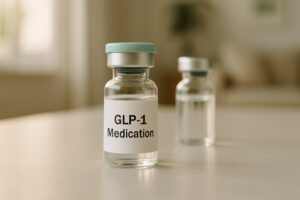
One of the primary benefits of compounded tirzepatide is the delivery method. It typically arrives in a multi-dose vial. Instead of an auto-injector, the patient uses a traditional syringe to draw up the exact amount prescribed by their doctor. This allows for much more granular control. If a provider decides that a patient needs a dose that falls between the standard branded increments, it is much easier to achieve with a vial and syringe. Read more about how telehealth tirzepatide programs work.
Personalized Treatment Plans
At TrimRx, our approach focuses on the individual. If a patient experiences significant side effects, their provider can adjust their program immediately. This might mean staying on a lower dose for an extra month or making smaller, more frequent adjustments that are not possible with branded pens. This level of oversight ensures that your weight loss journey is both sustainable and safe.
Managing Side Effects Without Reducing Your Dose
If your primary reason for wanting to take a half dose is discomfort, there are several lifestyle and supportive measures you can take to feel better while staying on your prescribed schedule.
Hydration and Electrolytes
Dehydration can worsen nausea and fatigue. Aim to drink plenty of water throughout the day. Many patients find that adding an electrolyte supplement can help maintain energy levels and reduce the lightheadedness sometimes associated with GLP-1 medications.
Protein-First Eating
Focusing on lean proteins can help stabilize blood sugar and ensure you are maintaining muscle mass while losing weight. Smaller, more frequent meals are often better tolerated than three large meals when your digestion is slowed down.
Nutritional Support
We offer specific supplements designed to complement your weight loss journey. Our GLP-1 Daily Support supplement is formulated to help manage common nutritional gaps, while our Weight Loss Boost supplement can provide an extra layer of support for your metabolism. These tools are designed to work alongside your primary treatment to make the experience more comfortable.
When to Seek Medical Advice
While mild nausea is common, some symptoms require immediate attention from a healthcare provider. If you experience severe abdominal pain, persistent vomiting, or signs of an allergic reaction, do not attempt to “fix” the issue by lowering your dose. Contact a medical professional immediately.
The Problem with Storing Used Pens
A frequent question regarding half-doses is whether a pen can be saved once it has been activated. The answer is a definitive no.
Once the needle in a Zepbound pen has been deployed, it cannot be retracted and used again safely. The internal mechanism is spent. Furthermore, the needle is no longer sterile. Attempting to store a used pen for a “second half” of a dose is a major safety violation. Even if you were able to stop the flow of medication, the lack of a preservative in the single-dose liquid means that bacteria would grow rapidly once the seal is broken.
A Better Path to Sustainable Weight Loss
Weight loss is a marathon, not a sprint. While the urge to take a half dose often comes from a place of practicality—trying to avoid feeling sick—it ultimately undermines the science that makes these medications effective.
We believe that the best results come from a combination of the right medication, professional guidance, and a supportive environment. Rather than trying to “hack” a branded pen, we recommend a program that offers flexibility through clinical expertise.
Our telehealth-first platform removes the barriers of waiting rooms and in-person visits. By choosing a program that includes ongoing support and personalized dosing through compounded options, you can move forward with confidence. You deserve a plan that adapts to your body’s needs, rather than a one-size-fits-all approach that leaves you wondering if you should be taking matters into your own hands.
How to Get Started with a Personalized Program
If you are currently struggling with the dosing of your weight loss medication or if you are looking to start your journey, the first step is a clinical assessment. At TrimRx, we have made this process simple and transparent. To begin, see if you qualify for a personalized program.
Step 1: Complete the free assessment quiz.
This helps us understand your health history, your current BMI, and your weight loss goals. This information is vital for the licensed providers we partner with to determine if you are a candidate for GLP-1 or GIP medications.
Step 2: Consult with a licensed provider.
If eligible, you will be connected with a provider who can discuss your options. This is the perfect time to bring up concerns about side effects or dosing flexibility. They can explain the benefits of compounded medications versus branded ones.
Step 3: Receive your personalized plan.
Your medication—whether it is compounded semaglutide or compounded tirzepatide—will be shipped directly to your door from an FDA-registered compounding pharmacy. Your program includes the medication, supplies, shipping, and ongoing support.
Step 4: Ongoing Support.
You are never alone in this process. You have 24/7 access to a team of specialists who can help you navigate side effects, nutrition, and any questions that arise as your body changes.
Bottom line: Taking half a dose of a branded Zepbound pen is unsafe due to its mechanical design and the risk of contamination. If you need a more flexible dosing schedule, a personalized program involving compounded medications and medical oversight is a safer route.
Conclusion
The question of whether you can take half a dose of Zepbound is a common one, born from the real-world challenges of side effects and supply issues. However, the design of the auto-injector pen and the biological requirements of the medication make DIY dose-splitting a dangerous choice.
At TrimRx, our mission is to help individuals embrace healthier lifestyles through science, empathy, and a transparent, personalized approach to sustainable weight loss. We provide the tools and medical connections you need to succeed without having to resort to risky medication “hacks.” By focusing on your unique health profile, we ensure that your treatment is as effective and comfortable as possible.
- Stick to your prescribed dose or consult your doctor for a formal dose reduction.
- Avoid tampering with single-use auto-injector pens to prevent infection.
- Explore compounded options if you require more dosing flexibility.
- Prioritize hydration and nutrition to manage side effects naturally.
Ready to find a weight loss program that fits your life? Start with a free assessment quiz.
FAQ
Can I manually stop a Zepbound pen to get a half dose?
No, the Zepbound pen is a spring-loaded auto-injector designed to deliver the entire dose with one click. There is no manual mechanism to stop the plunger or measure out a partial dose, and attempting to do so will likely break the pen or result in an incomplete, unsterile injection.
Is it safe to move Zepbound liquid into a separate vial?
Transferring medication from an auto-injector pen to a vial, often called “pen splitting,” is highly discouraged by medical professionals. It exposes the medication to air and bacteria, increasing the risk of serious infections and potentially causing the medication to lose its effectiveness.
What should I do if my side effects are too strong for the full dose?
If you are struggling with nausea or other side effects, you should contact your healthcare provider to discuss a dose reduction. You can also review these GLP-1 side-effect management strategies with your provider. They can prescribe a lower-strength pen, such as 2.5 mg instead of 5 mg, to help your body adjust more comfortably to the medication.
Does compounded tirzepatide allow for more flexible dosing?
Yes, because compounded tirzepatide is typically provided in a multi-dose vial rather than a single-use pen, providers can prescribe more specific or gradual dose adjustments. This allows patients to draw up the exact amount recommended by their doctor, which can be helpful for those sensitive to standard dose increases. If you are considering this option, you can complete a free assessment.
Disclaimer: This content is for informational purposes only and does not constitute medical advice. It is not intended to diagnose, treat, cure, or prevent any disease or condition. Individual results may vary. Always consult a qualified healthcare professional before starting any weight loss program or medication.

Transforming Lives, One Step at a Time
Keep reading

Kids’ Birthday Party on Zepbound
If you have young children, birthday parties are a regular part of life: your own child’s, and the steady stream of classmates’ parties most…
Water Aerobics on Zepbound
For people with painful knees, hips, or backs, water aerobics and pool exercise are often the first kind of exercise that feels possible. The…

New Year’s Eve on Zepbound
New Year’s Eve is built around staying up late. There is usually a big dinner or a party spread, drinks through the evening, champagne…


