Can You Take Melatonin on Ozempic?
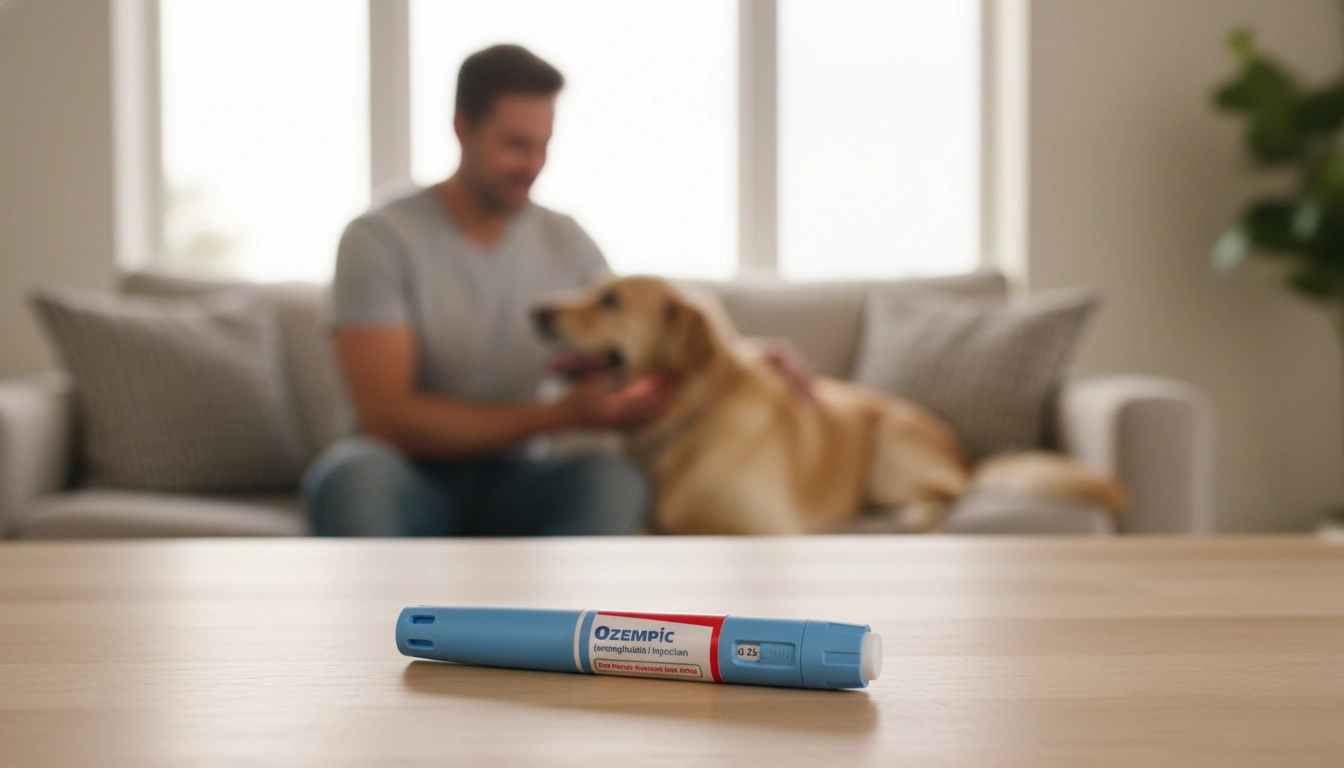
Generally yes, and it is worth mentioning to your provider as you would any supplement. There is no known interaction between melatonin and semaglutide.
The more useful question is why your sleep changed, because on this medication there are several plausible explanations and some of them respond better to a different fix than a supplement.
Why sleep changes during treatment
Reflux and lying flat. Slowed gastric emptying makes reflux more likely, and lying down after eating is when it happens. If you are waking with a sour taste, a cough, or discomfort, that is a mechanical problem rather than an insomnia one.
Nausea overnight, particularly in the days after an injection or after a dose increase.
Injection timing. Some people find an evening injection disturbs the following night. Moving it to the morning is worth testing before adding anything.
Under-eating. Going to bed on very little food can disturb sleep, and this is easy to do accidentally when appetite is suppressed.
Dehydration, which is common and causes headaches and restlessness.
Weight loss itself, which frequently improves sleep substantially over months, particularly where sleep apnea is involved. Our guides on sleep apnea and weight loss and tirzepatide and sleep apnea cover what the research shows.
Consider this scenario: a patient starts taking melatonin because they are waking at 3am most nights. The waking coincides with the two nights after their Sunday evening injection, and comes with a sour taste. What they have is reflux on a predictable weekly schedule. Eating dinner earlier and raising the head of the bed resolves it; the melatonin was addressing the wrong problem.
Work out which one you have
Before adding a supplement, spend two or three weeks noting when you wake, what it feels like, when you injected, and what you ate that evening.
Trouble falling asleep is the pattern melatonin is best suited to.
Waking with a sour taste, cough, or chest discomfort points to reflux.
Waking nauseated points to gastric emptying and evening food timing.
Waking hungry or shaky points to inadequate intake, which is worth raising rather than treating with a sleep aid.
Snoring, gasping, or unrefreshing sleep points to something that needs assessment rather than a supplement.
If you use melatonin
Tell your provider and pharmacist, because supplements get left off medication lists routinely and they belong on them.
Start low. More is not better with melatonin, and higher amounts are associated with more grogginess the next day rather than better sleep.
Take it well before bed rather than at the moment you get into bed.
Be aware it is loosely regulated. Supplement content varies between products, and independent testing has repeatedly found discrepancies between labelled and actual amounts. Buying from a reputable source matters more than it does for a prescription product.
Check interactions if you take other medications, particularly blood thinners, blood pressure medication, diabetes medication, sedatives, or antidepressants. Your pharmacist can check this quickly.
Do not combine sedating products without advice. Adding an antihistamine sleep aid on top of melatonin, or either on top of a prescription sedative, is worth checking rather than assuming.
The reflux fix, if that is what you have
Because it is the most common sleep disruptor on this medication and it responds well:
Eat your last meal at least three hours before lying down.
Make dinner smaller and lower in fat, since fat empties slowest.
Stay upright for a couple of hours after eating.
Raise the head of your bed by a few inches, using blocks under the legs or a wedge under the mattress. Extra pillows do not work as well because they bend you at the waist.
Skip carbonation in the evening.
These change the mechanism rather than masking the symptom, and most people notice a difference within a couple of weeks.
Energy and sleep are connected
Worth mentioning because they get treated separately. Fatigue is common on this medication and is frequently driven by inadequate food and fluid rather than by poor sleep.
If you are tired during the day and sleeping badly at night, look at intake before concluding it is a sleep problem. Our guide on GLP-1 medications and energy levels covers what is expected during treatment and what is not.
When to call your provider
Contact your provider if:
- Sleep problems persist for more than a few weeks
- You snore heavily, gasp, or wake unrefreshed, which warrants assessment
- You are waking with reflux most nights
- You are waking nauseated regularly
- You cannot eat enough during the day
- Sleep problems started or worsened sharply after a dose increase
- You are relying on a sleep aid most nights
That last point is worth raising rather than continuing quietly. Nightly reliance on any sleep aid, prescription or otherwise, is a reason to look at the cause.
Mental health can also affect sleep in both directions, and our guide on how GLP-1 medications affect mental health covers what is known.
The short version
Generally fine, no known interaction, and tell your provider you are taking it. Before you do, spend a couple of weeks working out what is actually disrupting your sleep, because reflux, overnight nausea, injection timing, and under-eating all present as bad sleep and none of them is fixed by melatonin. If you snore or wake unrefreshed, that warrants assessment rather than a supplement.
If you want a provider who will look at sleep, intake, and dosing together rather than separately, TrimRx includes ongoing clinical access alongside treatment.
This information is for educational purposes and is not medical advice. Consult with a healthcare provider before starting any medication. Individual results may vary.

Transforming Lives, One Step at a Time
Keep reading
Can You Take Ibuprofen on Ozempic?
For occasional use in someone who is well hydrated and has healthy kidneys, ibuprofen is generally considered reasonable, and it is worth checking with…

Why Do I Feel Best Two Days After My Ozempic Injection?
Because you are noticing the shape of a weekly dose, and day two often sits in a useful window: the initial side effects have…

Does Pepto Bismol Help Nausea on Ozempic?
Ask your pharmacist before using it, because Pepto Bismol is not the neutral stomach remedy most people assume. Its active ingredient, bismuth subsalicylate, contains…


