Can You Take Metformin and GLP-1 Together?
Introduction
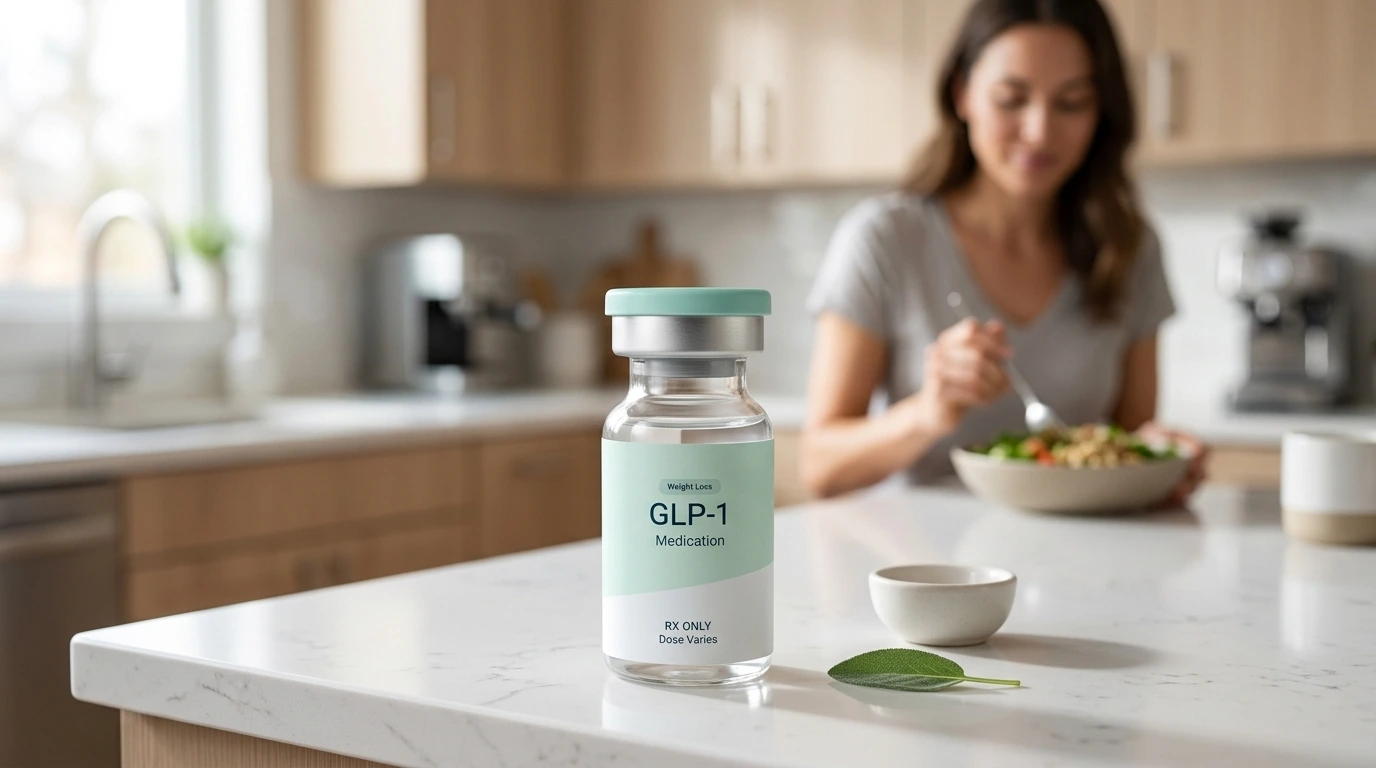
Many individuals find themselves at a crossroads when diet and exercise alone do not yield the metabolic results they need. You may have already been prescribed metformin to manage your blood sugar or support your metabolic health, only to wonder if adding a GLP-1 medication could help you reach your goals more effectively. At TrimRx, we understand that navigating the world of prescription weight loss and metabolic support can feel overwhelming, especially when you are considering multiple treatments and want to complete a free assessment quiz.
This post covers the safety, clinical benefits, and potential side effects of combining metformin with GLP-1 receptor agonists. We will look at how these two classes of medication work together to address insulin resistance and appetite. By the end of this article, you will have a clear understanding of whether this combination is a standard clinical practice and what the transition might look like for your personalized journey. For a deeper breakdown of the biology behind these medications, read our guide on how GLP-1 works for weight loss.
Quick Answer: Yes, it is generally safe and often clinically beneficial to take metformin and GLP-1 medications together. Many healthcare providers prescribe them in combination because they work through different biological pathways to improve blood sugar control and support weight management.
How Metformin and GLP-1 Medications Work Together
To understand why a provider might suggest taking both medications, it is helpful to look at how each one functions within the body. While they both aim to improve metabolic health, they take very different routes to get there.
The Role of Metformin
Metformin is an oral medication that has been a cornerstone of metabolic health for decades. It is primarily known as a “sensitizer.” This means it helps your body’s cells become more responsive to insulin, the hormone responsible for moving sugar from your blood into your cells for energy.
Metformin works in three main ways:
- It reduces the amount of glucose (sugar) your liver produces.
- It decreases the amount of sugar your intestines absorb from food.
- It improves insulin sensitivity, making your natural insulin work more efficiently.
The Role of GLP-1 Medications
GLP-1 receptor agonists—such as semaglutide (the active ingredient in Wegovy® and Ozempic®) or tirzepatide (the active ingredient in Mounjaro® and Zepbound®)—mimic a natural hormone called glucagon-like peptide-1. This hormone is normally released in the gut after you eat.
A GLP-1 medication works by:
- Signaling the brain that you are full, which helps reduce “food noise” or constant cravings.
- Slowing down gastric emptying, meaning food stays in your stomach longer.
- Prompting the pancreas to release the right amount of insulin when blood sugar levels are high.
If you want a closer look at the dual-action option, our tirzepatide guide explains how that medication works in more detail.
When you combine these two, you are addressing metabolic health from multiple angles. Metformin handles the liver and cellular sensitivity, while the GLP-1 handles appetite and the brain’s hunger signals.
The Synergy of Combination Therapy
Research suggests that combining these treatments can be more effective than using either one alone. This is often referred to as “synergy,” where the combined effect of the medications is greater than the sum of their individual parts.
For example, a study known as the PIONEER 2 trial demonstrated that adding a GLP-1 to a metformin regimen significantly improved blood sugar control and supported greater weight loss compared to other combinations. Because obesity is often linked to insulin resistance, the double-action of improving sensitivity (via metformin) and reducing caloric intake (via GLP-1) creates a powerful environment for sustainable change.
Why Providers Prescribe Both
A licensed healthcare provider may recommend this combination for an individual with a BMI over 30 who has not reached their health goals on metformin alone. It is also common for individuals with a BMI of 27 or higher who have weight-related health conditions like high blood pressure or high cholesterol. If you want to see whether this kind of program fits your profile, see if you qualify for a personalized program.
Key Takeaway: Metformin and GLP-1s are complementary. Metformin focuses on how your body processes sugar internally, while GLP-1s focus on how you interact with food and feel fullness.
Comparing the Two Medications
While they can be used together, it is important to recognize their differences in administration and primary effects.
| Feature | Metformin | GLP-1 (e.g., Semaglutide) |
|---|---|---|
| Format | Oral tablet or liquid | Weekly injection or daily oral |
| Primary Action | Liver glucose reduction | Appetite suppression |
| Common Use | First-line metabolic support | Weight loss and blood sugar |
| Typical Frequency | Once or twice daily | Usually once weekly |
| Metabolic Focus | Insulin sensitivity | Satiety and insulin release |
Managing Side Effects of the Combination
The most common concern when taking metformin and a GLP-1 together is the impact on the digestive system. Both medications are known to cause gastrointestinal (GI) side effects, particularly when you first start them or increase your dose.
Shared Gastrointestinal Issues
Because both medications interact with your digestive processes, you may experience:
- Nausea: This is the most common side effect for both.
- Diarrhea: Frequently associated with metformin, though GLP-1s can also cause it.
- Abdominal Discomfort: Bloating or cramping as the body adjusts.
- Vomiting: Usually occurs if the GLP-1 dose is increased too quickly or if you eat past the point of fullness.
For a more detailed look at digestive reactions and how people manage them, our guide to semaglutide side effects and management tips is a helpful companion read.
Strategies for Comfort
If you and your provider decide that a combination program is right for you, there are several ways to minimize discomfort:
- Start Low and Go Slow: Providers typically start both medications at the lowest possible dose and gradually increase them over several months.
- Timing with Meals: Metformin is almost always best taken with a meal to protect the stomach lining. GLP-1 injections can be taken with or without food, but eating smaller, bland meals on injection day can help.
- Hydration: Both medications can lead to fluid loss if diarrhea or nausea occurs. Drinking plenty of water is essential.
- Nutrient Support: Using targeted supplements can help bridge the gap if your appetite is significantly reduced. Our GLP-1 Daily Support supplement is designed to help maintain nutrient balance during this transition.
Note: If you experience severe abdominal pain that radiates to your back, or persistent vomiting that prevents you from keeping fluids down, contact a healthcare provider immediately.
Safety and Contraindications
While generally safe together, this combination is not for everyone. Your medical history plays a critical role in determining eligibility.
Who Should Avoid This Combination?
A licensed provider will carefully screen for the following:
- History of Pancreatitis: Both medications can affect the pancreas.
- Thyroid Cancer History: GLP-1 medications carry a boxed warning regarding a specific type of thyroid cancer (Medullary Thyroid Carcinoma).
- Kidney Function: Metformin is cleared through the kidneys, and severe kidney impairment is a major contraindication.
- Pregnancy or Breastfeeding: These medications are generally not recommended for those who are pregnant or planning to become pregnant soon.
The Risk of Hypoglycemia
Hypoglycemia, or dangerously low blood sugar, is relatively rare when these medications are used alone or together. However, the risk increases if you are also taking other medications like insulin or sulfonylureas. It is vital to monitor your body’s signals—such as shakiness, sweating, or confusion—and discuss them with your clinical team.
Branded vs. Compounded Options
When discussing GLP-1 medications, you will likely hear about branded products like Ozempic® or Wegovy®. These are FDA-approved medications manufactured by specific pharmaceutical companies. While they are highly effective, they can sometimes face supply shortages or insurance hurdles.
To ensure our members have consistent access to care, we connect patients with licensed providers who may prescribe compounded semaglutide or compounded tirzepatide. These medications are prepared by FDA-registered and inspected compounding pharmacies.
Myth: Compounded medications are the same as branded “generic” versions. Fact: Compounded medications are custom-prepared by pharmacists. While they contain the same active ingredients (like semaglutide), they are not “FDA-approved” in the same way the final branded product is. However, they are a legal and common alternative when a branded drug is on the FDA shortage list.
Starting Your Journey with TrimRx
We believe that weight loss is not a one-size-fits-all process. Our platform is designed to make the transition to a personalized metabolic program as straightforward as possible. We remove the traditional barriers—like waiting rooms and complex pharmacy logistics—by moving the entire process online.
The Onboarding Process
If you are currently taking metformin and want to explore adding a GLP-1 to your routine, the process follows these simple steps:
Step 1: Complete the Free Assessment. You will fill out a detailed health quiz that covers your medical history, current medications (including your metformin dosage), and your weight loss goals. Take the free assessment quiz to begin.
Step 2: Provider Review. A licensed healthcare professional reviews your profile to determine if a GLP-1 is safe and appropriate for you. They will consider potential interactions and your BMI.
Step 3: Personalized Treatment Plan. If approved, you will receive a personalized program. This includes your prescription, which is sent to one of our partner compounding pharmacies.
Step 4: Ongoing Support. We provide 24/7 access to our team. As you navigate the combination of metformin and your new medication, you can ask questions about side effects or dosage adjustments at any time.
Lifestyle Adjustments for Better Results
Medication is a powerful tool, but it works best when supported by a healthy foundation. When taking metformin and a GLP-1 together, your body is in a state of metabolic repair. You can support this process by making a few intentional choices.
Prioritize Protein
GLP-1 medications reduce your overall appetite. This means every bite you eat needs to count. To prevent muscle loss during weight loss, aim to consume adequate protein throughout the day. Lean meats, beans, tofu, and Greek yogurt are excellent choices.
Focus on Fiber
Metformin can sometimes cause loose stools, while GLP-1s can occasionally cause constipation by slowing down digestion. Fiber helps regulate the “middle ground.” Incorporating vegetables, berries, and whole grains can keep your digestive system moving predictably.
Monitor Your Progress
Weight loss is one metric, but it isn’t the only one. Pay attention to your energy levels, how your clothes fit, and your “food noise” levels. Keeping a simple journal can help you and your TrimRx provider make data-driven decisions about your dosage during your monthly check-ins. If you want extra metabolic support while you build these habits, Weight Loss Boost supplement is designed for that kind of support.
Bottom line: Success on a combination of metformin and a GLP-1 requires a holistic approach that pairs clinical expertise with sustainable lifestyle habits.
The Future of Your Metabolic Health
The goal of combining these medications is eventually to reach a state where your metabolism functions optimally. For some, this might mean a long-term maintenance dose. For others, it might be a temporary boost to help reset their system and establish new habits.
Our mission is to help individuals embrace healthier lifestyles through science, empathy, and a transparent, personalized approach to sustainable weight loss. We are here to guide you through the complexities of modern medicine so you can focus on feeling your best.
Conclusion
Taking metformin and a GLP-1 medication together is a clinically recognized strategy that addresses the multifaceted nature of weight gain and insulin resistance. By improving insulin sensitivity with metformin and managing appetite with a GLP-1, you can create a comprehensive path toward your health goals. While side effects like nausea are possible, they are often manageable with a “start low, go slow” approach and proper clinical supervision.
At TrimRx, we are committed to providing you with the tools, medication, and professional support needed to navigate this journey safely and effectively. Whether you are looking for compounded semaglutide or targeted nutrient support, we are here to help you every step of the way.
Next Step: Ready to see if a personalized GLP-1 program is the right addition to your current routine? Take our free online assessment today to connect with a licensed provider.
FAQ
Can I switch from metformin to a GLP-1 medication?
Yes, many people switch from metformin to a GLP-1 if they find metformin is not helping them reach their weight or blood sugar goals, or if they cannot tolerate the side effects. However, you do not always have to choose one or the other; many providers recommend staying on a low dose of metformin while starting a GLP-1 to maximize metabolic benefits.
Does combining metformin and a GLP-1 cause low blood sugar?
While both medications lower blood sugar, they rarely cause hypoglycemia (dangerously low blood sugar) when used together in people who do not take insulin. GLP-1 medications are “glucose-dependent,” meaning they primarily work when your blood sugar is actually high. You should still monitor for symptoms like dizziness or shakiness and report them to your provider.
Is weight loss faster when taking both medications?
Clinical evidence suggests that the combination can lead to more significant weight loss and better blood sugar control than using metformin alone. Because they target different biological mechanisms—insulin sensitivity and appetite suppression—they provide a more comprehensive approach to weight management, which may lead to more consistent results for those with high insulin resistance. For a closer look at the timeline, read our guide on how fast GLP-1 works for weight loss.
Should I take metformin and my GLP-1 at the same time?
Metformin is an oral pill taken daily, whereas most GLP-1s are weekly injections. On the day you perform your injection, it is perfectly fine to take your metformin as scheduled. The most important factor is taking your metformin with a meal to reduce stomach upset, regardless of when you administer your GLP-1 dose.
Disclaimer: This content is for informational purposes only and does not constitute medical advice. It is not intended to diagnose, treat, cure, or prevent any disease or condition. Individual results may vary. Always consult a qualified healthcare professional before starting any weight loss program or medication.

Transforming Lives, One Step at a Time
Keep reading

Mons Pubis Fat Loss on GLP-1s: The “Pubic Area” Change Nobody Mentions
One change that surprises people on GLP-1 medications rarely comes up in conversation: the mons pubis, the soft fat pad over the pubic bone,…

How to Adjust Weight Loss Goals on GLP-1 Medications
Adjust weight goals on GLP-1 meds by tracking body composition and labs, optimizing protein, activity, sleep, and working with your provider on dosing.
Falsified Mounjaro pens prompt urgent safety advisory
MHRA warns of counterfeit Mounjaro pens (batch D873576); stop use and check batch numbers for infection risk.


