Can You Take Mounjaro 2.5 and 5.0 Together for Weight Loss?
Introduction
Finding your way through the world of GLP-1 medications can feel like learning a new language. You may have heard about the impressive results people are seeing with Mounjaro®, a branded medication used for type 2 diabetes that is often prescribed off-label for weight management. However, as you move through different dosage levels, you might find yourself with extra pens or facing a temporary supply issue. This leads many to wonder: can you take Mounjaro 2.5 and 5.0 together to reach a higher dose? At TrimRx, we believe that understanding the science behind your treatment is the first step toward a safe and successful health journey. While it may seem like a simple math problem, combining different doses of this medication carries risks that require careful consideration. This article explains why following a prescribed titration schedule is vital for your safety and long-term success.
The Short Answer: Should You Combine Doses?
Quick Answer: It is not recommended to combine a 2.5 mg and a 5.0 mg Mounjaro® injection to create a 7.5 mg dose. The manufacturer, Eli Lilly, has not studied the safety or effectiveness of using multiple injections at once, and doing so increases the risk of severe side effects and dosing errors.
When you are eager to see results, it is natural to want to progress to the next level of your treatment as quickly as possible. However, GLP-1 medications like Mounjaro® (tirzepatide) are designed to be introduced to your system gradually. Taking two different pens to reach a specific dosage level—such as combining a 2.5 mg pen and a 5.0 mg pen—is considered “off-label” use that has not been clinically validated for safety. If you are considering prescription weight loss treatment, you can complete a free eligibility assessment to discuss your options with a licensed provider.
Understanding Mounjaro and Tirzepatide
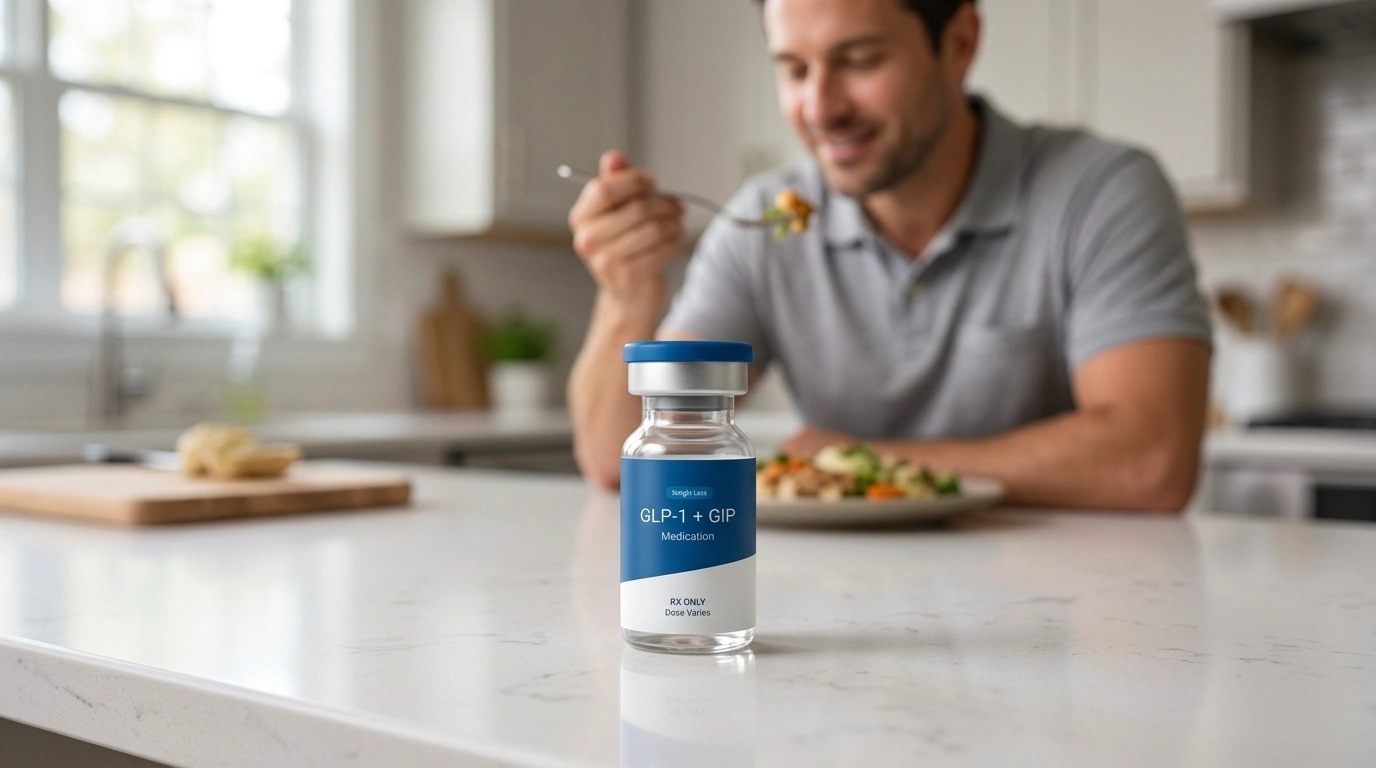
Before looking at why combining doses is problematic, it helps to understand what the medication actually does. Mounjaro® contains the active ingredient tirzepatide. Tirzepatide is a dual agonist, which means it mimics two different hormones in your body: glucagon-like peptide-1 (GLP-1) and glucose-dependent insulinotropic polypeptide (GIP).
These hormones work together to help regulate your blood sugar and signal to your brain that you are full. By slowing down the rate at which your stomach empties and influencing the hunger centers in the brain, tirzepatide helps many people reduce their calorie intake without the intense “food noise” that often derails traditional diets. Because this medication is so powerful, the body needs time to adjust to its presence. You can learn more about how tirzepatide works in this guide to what happens after missing a week of tirzepatide.
The Importance of the Titration Schedule
The process of slowly increasing a medication dose is called titration. This is a standard medical practice used to find the “sweet spot” where a patient receives the maximum benefit with the minimum amount of side effects. For tirzepatide, the titration schedule is very specific. TrimRx’s Mounjaro starting dose guide explains how providers evaluate dose progression and tolerance.
The Standard Dosing Timeline
Most providers follow a four-week cycle for each dose. This allows your metabolic system and your digestive tract to adapt to the hormonal changes.
| Month | Dosage Level | Purpose |
|---|---|---|
| Month 1 | 2.5 mg | Starting dose to build tolerance |
| Month 2 | 5.0 mg | First therapeutic increase |
| Month 3 | 7.5 mg | Secondary increase for continued progress |
| Month 4 | 10.0 mg | Higher therapeutic dose |
| Month 5 | 12.5 mg | Advanced therapeutic dose |
| Month 6+ | 15.0 mg | Maximum maintenance dose |
Step 1: Initiation. You begin at 2.5 mg. This dose is typically not considered “therapeutic” for significant weight loss, but it is essential for preparing your body.
Step 2: Escalation. After four weeks, if you are tolerating the medication well, your provider may move you to 5.0 mg.
Step 3: Maintenance. You continue this pattern until you reach a dose that provides consistent results, which is then maintained.
Key Takeaway: Titration is not about reaching the highest dose as fast as possible; it is about giving your body the time it needs to accept the medication safely.
For another overview of the step-up process, review this Mounjaro dosage chart for weight loss.
Why Combining 2.5 and 5.0 is Risky
If you happen to have a leftover 2.5 mg pen and a 5.0 mg pen, you might think that using both at the same time is an efficient way to get your 7.5 mg dose. However, there are several clinical and practical reasons why this is discouraged by healthcare professionals.
Increased Risk of Side Effects
The most common side effects of tirzepatide are gastrointestinal. These include nausea, vomiting, diarrhea, and constipation. These symptoms usually occur because the medication slows down gastric emptying.
When you take two separate injections at once, you are doubling the volume of the liquid and the “hit” of the active ingredient to your system. If your body has not had the full four weeks to adjust to the 5.0 mg dose, jumping to 7.5 mg by combining pens can overwhelm your digestive system. This can lead to severe dehydration or extreme nausea that might require medical intervention. TrimRx also covers tirzepatide side effects and ways to manage them.
Injection Site Complications
Each injection carries a small risk of redness, swelling, or irritation. By performing two injections instead of one, you are doubling the trauma to the skin and subcutaneous tissue. This increases the likelihood of discomfort and injection site reactions.
Lack of Clinical Data
Pharmaceutical companies spend years testing specific dosages. They have tested the 2.5 mg, 5.0 mg, and 7.5 mg doses as single-injection units. They have not tested what happens when a patient receives two separate injections of different strengths simultaneously. There is no data to confirm that the absorption rate remains the same when the medication is delivered via two different entry points in the body at once.
The Danger of Dosing Errors
Managing multiple pens with different strengths increases the margin for error. It is easy to become confused about which pen was used, leading to accidental double-dosing or missing a dose entirely. In the context of a powerful hormone-mimicking medication, even small errors can have significant health consequences.
The Role of Personalization in Your Journey
At TrimRx, we recognize that every individual reacts to medication differently. Some people may find that they reach their goals on a 5.0 mg dose and never need to move up to 7.5 mg. Others may need a more gradual approach.
Our platform connects you with licensed providers who can tailor your program to your specific needs. Rather than “DIY-ing” your dosage by combining pens, our specialists help you navigate the process based on your health profile and weight loss goals. We focus on a telehealth-first approach, meaning you have access to expert guidance without having to visit a physical office. This ensures that if you are experiencing a plateau or a side effect, you can get professional advice on how to adjust your protocol safely. If you want to explore whether a supervised program may be appropriate, see if you qualify for a personalized program.
Navigating Supply Issues Safely
One reason people consider combining doses is the occasional shortage of specific branded medication strengths. If you cannot find a 7.5 mg pen but have access to 2.5 mg and 5.0 mg pens, it can be tempting to improvise.
Myth: “It’s the same medicine, so taking two pens is the same as taking one higher-dose pen.” Fact: Medication delivery systems are precisely engineered. Taking two separate injections can change how the medication is absorbed and increases the risk of adverse reactions.
If you are facing a supply issue, the safest course of action is to:
- Consult your provider. They may suggest staying at a lower dose for an extra month or moving to an alternative treatment.
- Consider compounded options. We facilitate access to Compounded Tirzepatide through FDA-registered, inspected compounding pharmacies. Compounded medications are prepared by a pharmacist to meet an individual’s needs and can be a reliable alternative when branded medications are in short supply.
- Focus on lifestyle. If you have to stay on a lower dose temporarily, use that time to reinforce healthy habits like protein intake and resistance training.
Note: Compounded Tirzepatide is not FDA-approved. However, it is prepared in pharmacies that follow strict federal and state regulations to ensure quality and safety.
Managing Side Effects During Dosing Changes
Whether you are moving from 2.5 mg to 5.0 mg or 5.0 mg to 7.5 mg, the transition period is when you are most likely to feel side effects. If you were to combine doses without medical supervision, managing these symptoms would become much harder.
Listen to your body. If you experience intense stomach pain, persistent vomiting, or signs of an allergic reaction, you should seek medical attention immediately.
To support your body during titration, we often recommend:
- Hydration: Drink plenty of water throughout the day.
- Small Meals: Eat smaller, more frequent meals to avoid overwhelming your stomach.
- Nutrient Support: Consider supplements like our GLP-1 Daily Support to help fill nutritional gaps while your appetite is suppressed.
What to Do if You Miss a Dose
Another common reason people ask about combining doses is because they missed a previous week and want to “catch up.” This is highly dangerous. You should never take two doses of Mounjaro® or any tirzepatide medication within three days of each other.
If you miss a dose:
- If it has been 4 days or less: Take the missed dose as soon as you remember.
- If it has been more than 4 days: Skip the missed dose and wait until your next regularly scheduled injection day.
- Never double up: Taking a 2.5 mg and a 5.0 mg dose together because you missed last week’s 5.0 mg injection can lead to toxic levels of the medication in your system.
For additional guidance, read this article about what to do if you miss a GLP-1 dose.
The Importance of Professional Supervision
The journey toward metabolic health is a marathon, not a sprint. While the question of can you take mounjaro 2.5 and 5.0 together often comes from a place of wanting to stay on track, the safest answer is always to follow the guidance of a healthcare professional.
The TrimRx program is designed to provide this exact type of oversight. Our platform bridges the gap between modern technology and clinical expertise. By choosing a supervised program, you gain access to:
- A personalized plan based on your medical history.
- Medications shipped from inspected, high-quality compounding pharmacies.
- Continuous support to answer questions about dosing, side effects, and progress.
If you are ready to discuss your eligibility with a provider, complete the free assessment quiz.
Conclusion
The temptation to speed up your weight loss results by combining medication doses is understandable, but it is not a safe path. Taking Mounjaro® 2.5 mg and 5.0 mg together to reach a 7.5 mg dose has not been clinically studied and significantly increases your risk of complications. Your body requires a steady, guided titration process to adapt to the hormonal changes tirzepatide introduces.
Bottom line: Always use your medication exactly as prescribed by your healthcare provider. If you have extra pens or are facing a shortage, contact your provider for a safe adjustment to your plan.
Successful, sustainable weight loss is about more than just a number on a scale; it is about protecting your health throughout the process. At TrimRx, we are committed to helping you navigate this journey with science-backed programs and empathetic support. If you are ready to start a personalized weight loss program that prioritizes your safety and long-term success, your next step is simple.
Take the free assessment quiz today to see which personalized program is right for you.
FAQ
Can I take two 2.5 mg Mounjaro injections to make a 5.0 mg dose?
While the math equals 5.0 mg, you should not do this without explicit instructions from your healthcare provider. Using two pens at once doubles the injection site volume and has not been specifically studied for safety or absorption rates. It is always better to wait for the correct pen strength to be available.
What happens if I increase my Mounjaro dose too quickly?
Increasing your dose too fast can lead to severe gastrointestinal issues, including intense nausea, projectile vomiting, and abdominal cramping. These symptoms occur because your body hasn’t had time to adjust to the slowed digestion caused by the medication. Following the standard four-week titration schedule is the best way to avoid these complications.
Is it safe to use a 2.5 mg pen if I am supposed to be on 7.5 mg?
Taking a lower dose than prescribed is generally safe, though it may be less effective for weight loss or blood sugar control. If you cannot find your prescribed strength, staying at a lower dose for a week or two is a much safer alternative than trying to combine different pens to reach a higher dose.
Can I change my Mounjaro injection day to combine doses?
You should not change your injection day to take doses closer together. There must be at least 72 hours (three days) between any two doses of tirzepatide. Taking doses too close together increases the concentration of the medication in your bloodstream to potentially unsafe levels, which can lead to severe side effects.
If you need help determining whether a supervised treatment plan is right for you, start with a free eligibility assessment.
Disclaimer: This content is for informational purposes only and does not constitute medical advice. It is not intended to diagnose, treat, cure, or prevent any disease or condition. Individual results may vary. Always consult a qualified healthcare professional before starting any weight loss program or medication.

Transforming Lives, One Step at a Time
Keep reading

Mounjaro Alternatives: What Else to Consider
If Mounjaro isn’t the right fit, the closest alternatives are other GLP-1 medications, chiefly semaglutide (Ozempic for diabetes, Wegovy for weight), along with a…

Mounjaro vs Zepbound: Same Drug, Two Brands
Like their semaglutide counterparts, Mounjaro and Zepbound are the same medication (tirzepatide) sold under two names for two purposes: Mounjaro is approved for type…

Retatrutide vs Mounjaro: Triple Agonist vs Dual Agonist
The core difference between retatrutide and Mounjaro comes down to how many hormone targets each hits: retatrutide activates three receptors, while Mounjaro (tirzepatide) activates…


