Can You Take Mounjaro if You Have Low Blood Sugar?
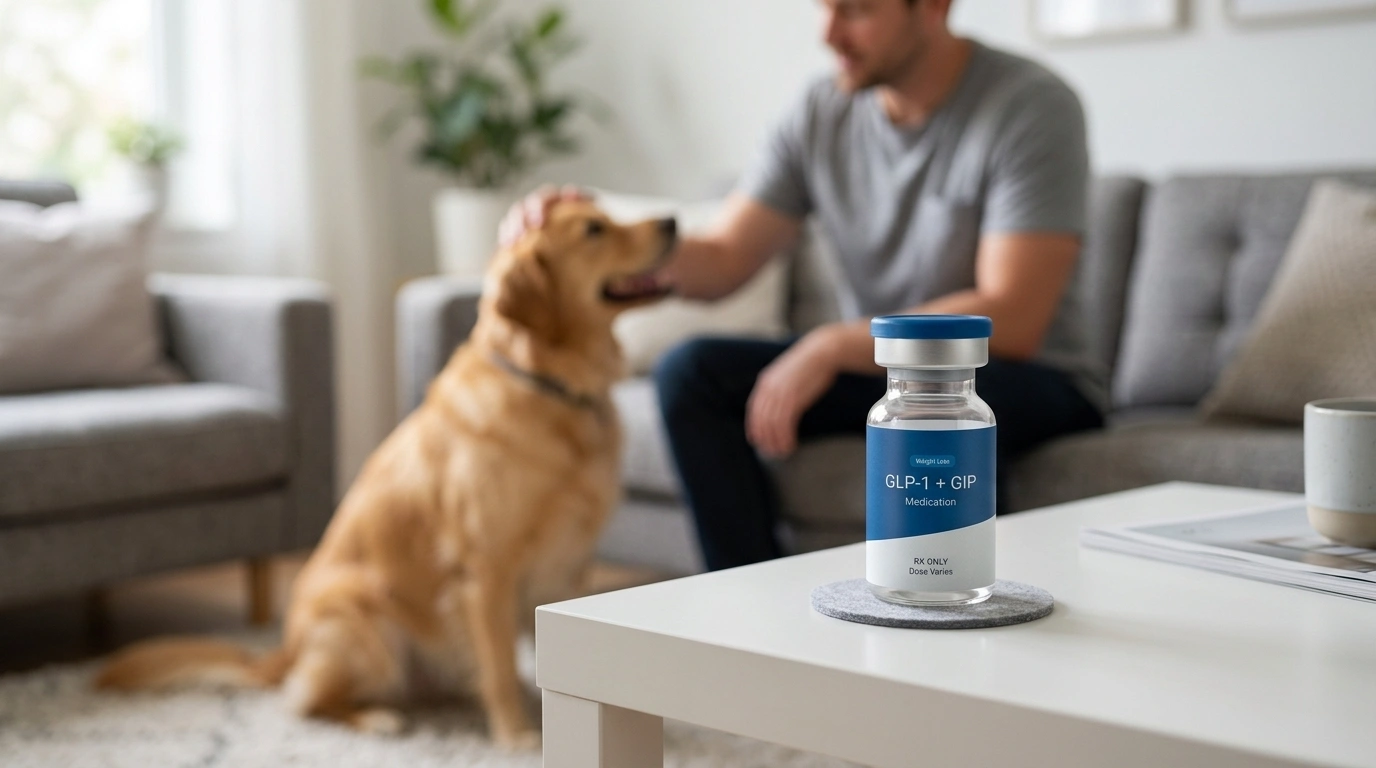
Table of Contents
- Introduction
- Understanding Mounjaro and Tirzepatide
- What is Low Blood Sugar (Hypoglycemia)?
- Does Mounjaro Cause Low Blood Sugar?
- Factors That Increase Hypoglycemia Risk
- Can You Take Mounjaro if You Already Have Low Blood Sugar?
- The Importance of a Personalized Program
- Compounded Tirzepatide as an Alternative
- How to Manage Blood Sugar While on Tirzepatide
- When to Contact a Healthcare Provider
- Supporting Your Journey with Supplements
- The Science of Stability: Why Tirzepatide is Unique
- How to Get Started with TrimRx
- Conclusion
- FAQ
Introduction
Managing your metabolic health often feels like a delicate balancing act, especially when introducing a powerful medication like Mounjaro®. If you have a history of low blood sugar or are concerned about “crashing” during your weight loss journey, it is natural to feel hesitant. You want to reach your health goals, but you also want to ensure your blood glucose levels remain stable and safe. At TrimRx, we understand that every individual health profile is unique, and a one-size-fits-all approach rarely works for metabolic concerns. This post explores the relationship between Mounjaro and blood sugar levels, how the medication affects your body’s natural insulin response, and what precautions you should take if you are prone to hypoglycemia. By understanding the science behind the treatment, you can move forward with confidence and clarity, and if you want a personalized review of your health history, you can complete the free assessment.
Understanding Mounjaro and Tirzepatide
Before addressing the specific concerns regarding low blood sugar, it is helpful to understand what Mounjaro is and how it functions. Mounjaro is a branded medication that contains the active ingredient tirzepatide. It is a first-of-its-kind treatment known as a dual agonist. This means it targets two different hormone receptors in the body: glucagon-like peptide-1 (GLP-1) and glucose-dependent insulinotropic polypeptide (GIP).
If you want a deeper look at the mechanism behind these medications, our guide on how GLP-1 actually works for weight loss is a helpful place to start.
Glucagon-like peptide-1 (GLP-1) is a hormone naturally produced in the gut that helps regulate appetite and blood sugar. It signals the brain to feel full and tells the pancreas to release insulin after you eat. Glucose-dependent insulinotropic polypeptide (GIP) is another hormone that works alongside GLP-1 to improve how the body breaks down sugar and stores fat.
By mimicking both of these hormones, tirzepatide helps lower blood sugar levels and slows down the rate at which the stomach empties. This dual action is why it is often noted for its effectiveness in weight management and glycemic control. However, because it impacts insulin, many people naturally worry if it will push their blood sugar too low.
What is Low Blood Sugar (Hypoglycemia)?
Hypoglycemia, or low blood sugar, occurs when the level of glucose in your blood drops below the range needed to fuel your body’s basic functions. For most people, a reading below 70 milligrams per deciliter (mg/dL) is considered low. Glucose is the primary energy source for your brain and muscles, so when it drops, your body begins to send out warning signals.
Common symptoms of low blood sugar include:
- Feeling shaky or jittery
- Sudden sweating or chills
- Dizziness or lightheadedness
- A rapid heartbeat
- Intense hunger
- Irritability or anxiety
- Blurred vision
For individuals without diabetes, the body usually does an excellent job of preventing these drops. When sugar levels fall, the pancreas stops releasing insulin and the liver releases stored glucose. However, when medications are introduced to manage weight or blood sugar, these natural safeguards can sometimes be altered.
Does Mounjaro Cause Low Blood Sugar?
The short answer is that Mounjaro typically has a low risk of causing hypoglycemia when used on its own. This is due to a very specific mechanism in how tirzepatide works: it is “glucose-dependent.”
Glucose-dependent insulin secretion means that the medication primarily stimulates the pancreas to release insulin only when your blood sugar is actually high—usually after a meal. When your blood sugar levels are in a normal or low range, the medication does not continue to force insulin production in the same way that some older diabetes medications might.
Research suggests that for individuals using tirzepatide specifically for weight loss who do not have Type 2 diabetes, the risk of experiencing clinically significant low blood sugar is very low. The medication helps the body become more sensitive to its own insulin rather than simply flooding the system with it regardless of need.
For a closer look at side effect patterns, including dizziness and low blood sugar concerns, you can read our article on tirzepatide side effects and how to manage them.
Key Takeaway: Mounjaro is designed to work with your body’s natural glucose levels, meaning it usually only triggers insulin release when your blood sugar is elevated.
Factors That Increase Hypoglycemia Risk
While Mounjaro itself has a low risk of causing hypoglycemia, certain factors can change that equation. If you are asking if you can take this medication while having low blood sugar concerns, you must consider your overall health profile and any other treatments you are using.
1. Combination with Other Medications
The most significant risk factor for low blood sugar while taking tirzepatide is the use of other medications that lower blood glucose. If an individual is already taking insulin or a class of drugs called sulfonylureas, adding a GLP-1/GIP receptor agonist can cause blood sugar to drop too low. This is because these other medications work independently of current blood sugar levels.
2. Significant Caloric Restriction
When starting a weight loss program, many people significantly reduce their food intake. While this is necessary for weight loss, a sudden and drastic drop in carbohydrates and calories can lead to feelings of weakness or mild hypoglycemia, especially if the body is still adjusting to a new metabolic medication.
3. Intense Physical Activity
Exercise naturally uses up blood glucose for fuel. If you engage in a high-intensity workout without adequate fuel in your system while taking a medication that affects glucose metabolism, you may experience a temporary dip in blood sugar.
4. Alcohol Consumption
Alcohol can interfere with the liver’s ability to release glucose into the bloodstream. Combining alcohol with metabolic medications can sometimes lead to unexpected blood sugar drops several hours later.
Can You Take Mounjaro if You Already Have Low Blood Sugar?
If you have a history of reactive hypoglycemia (low blood sugar that occurs after eating) or fasting hypoglycemia, you must proceed with caution. Having “low blood sugar” as a chronic condition is different from having a one-time drop.
For those with a history of hypoglycemia, the primary concern is whether tirzepatide will mask the symptoms of a drop or make the drops more frequent. Because the medication slows gastric emptying (the speed at which food leaves your stomach), it can actually help stabilize blood sugar for some people by preventing the “spike and crash” cycle associated with high-carb meals.
However, because everyone’s metabolic “starting point” is different, we emphasize that a personalized medical assessment is essential. A healthcare provider must review your history of low blood sugar episodes before determining if Mounjaro or a compounded tirzepatide alternative is appropriate for you.
The Importance of a Personalized Program
At TrimRx, we believe that weight loss should never come at the expense of your overall stability and well-being. This is why we focus on a telehealth-first model that prioritizes individual medical history. You should not simply “try” a medication like Mounjaro if you have concerns about low blood sugar without first undergoing a thorough screening.
Our process involves a comprehensive health assessment quiz. This allows licensed healthcare providers to look at your BMI, your history of metabolic issues, and any medications you are currently taking. If you have a history of low blood sugar, the provider can determine if a GLP-1 or GIP/GLP-1 medication is the right fit or if adjustments to your dosage and diet are necessary to keep you safe. If you are ready to take that next step, see if you qualify for a personalized program.
Compounded Tirzepatide as an Alternative
While Mounjaro is a well-known brand, many individuals choose to access the same active ingredient through compounded tirzepatide. Compounded medications are prepared by specialized pharmacies to meet the specific needs of a patient.
Note: Compounded tirzepatide is not FDA-approved. However, the pharmacies we partner with are FDA-registered and inspected, ensuring high standards of quality and safety in the preparation of these medications.
Choosing a program that offers compounded options can provide flexibility in dosing. For someone worried about low blood sugar, a provider might suggest starting at a very low dose to see how the body reacts before gradually increasing it. This “start low, go slow” approach is a hallmark of the personalized care we advocate for at TrimRx.
How to Manage Blood Sugar While on Tirzepatide
If you and your healthcare provider decide that tirzepatide is appropriate for you, there are several steps you can take to maintain stable blood sugar levels throughout your treatment.
Prioritize Protein and Complex Carbs
To prevent blood sugar dips, focus on eating small, frequent meals that include lean protein and fiber-rich carbohydrates. Protein helps stabilize insulin levels, while fiber slows the absorption of sugar into the bloodstream.
Stay Hydrated
Dehydration can sometimes mimic the symptoms of low blood sugar, such as dizziness and a rapid heartbeat. Ensure you are drinking plenty of water throughout the day, especially as your body adjusts to the medication.
Monitor Your Symptoms
Keep a log of how you feel, especially in the first few weeks of treatment. If you feel shaky or dizzy, note when it happens—was it after a workout? Did you skip a meal? Sharing this information with your provider helps them fine-tune your program.
Avoid Drastic Fasting
While intermittent fasting is popular, it may not be the best approach when first starting a dual GIP/GLP-1 medication if you are prone to low blood sugar. Consistency in your eating schedule helps your body maintain a steady glucose supply.
When to Contact a Healthcare Provider
Safety is the most important part of any weight loss journey. While Tirzepatide is generally well-tolerated, you should seek guidance if you experience:
- Frequent episodes of shakiness or dizziness that do not improve with a small snack.
- Confusion or extreme fatigue that interferes with your daily activities.
- Persistent nausea that prevents you from eating enough to maintain your energy.
- Any symptoms of a severe allergic reaction, such as swelling or difficulty breathing.
Licensed healthcare providers are there to help you navigate these symptoms. They can adjust your dosage or suggest supportive supplements to help manage side effects and keep your blood sugar in a healthy range.
Supporting Your Journey with Supplements
In addition to prescription treatments, some people find that specific nutrients help support their body’s balance during weight loss. We offer quick-access options like GLP-1 Daily Support supplement, which is designed to provide essential nutrients that may be lacking when your appetite is reduced.
Supporting your metabolic pathways with the right vitamins and minerals can help you feel more energetic and less prone to the “slumps” that people sometimes associate with blood sugar changes. For those looking for additional energy support while on GLP-1 treatment, this can be a practical option to consider alongside your plan.
The Science of Stability: Why Tirzepatide is Unique
To truly understand why tirzepatide is often considered safe even for those worried about low blood sugar, we have to look closer at the GIP component.
In a healthy body, GIP actually helps protect against hypoglycemia. When blood sugar levels are low, GIP can help stimulate the release of glucagon—a hormone that tells the liver to release sugar into the blood. This “buffer” effect is one of the reasons why tirzepatide has such a strong safety profile regarding blood sugar stability compared to some other classes of medications.
If you want more context on who may be a candidate for this type of program, our guide on how to get GLP-1 weight loss explains the broader intake and treatment process.
By balancing the actions of GLP-1 (which lowers high blood sugar) and GIP (which can help manage the body’s response to low blood sugar), tirzepatide provides a more nuanced approach to metabolic regulation.
How to Get Started with TrimRx
If you are ready to see if a personalized weight loss program is right for you, the first step is simple. We have designed our platform to be a bridge between you and the clinical expertise you need, all from the comfort of your home.
Step 1: Complete the Free Assessment. Answer a few questions about your health history, your goals, and your concerns—including any history of low blood sugar. Step 2: Provider Review. A licensed healthcare provider will review your information to determine if you are a candidate for a program involving compounded semaglutide or tirzepatide. Step 3: Personalized Plan. If approved, your provider will create a plan tailored to your needs. There are no hidden fees, and your medication is shipped directly to your door from a regulated pharmacy. Step 4: Ongoing Support. You will have 24/7 access to our team to ask questions about side effects, blood sugar management, or your progress.
Conclusion
Can you take Mounjaro if you have low blood sugar? For most people, the answer is yes, provided it is done under the careful supervision of a healthcare professional. Because of its glucose-dependent nature, tirzepatide is designed to help lower high blood sugar without typically forcing it into a dangerously low range. However, your history, your current medications, and your lifestyle play a massive role in your safety.
At TrimRx, our mission is to provide you with more than just a prescription; we provide a path to a healthier life built on science, empathy, and transparency. We believe in empowering you with the tools and medical guidance necessary to reach your goals safely and sustainably. If you are ready to move forward, start your free assessment today.
Bottom line: While the risk of low blood sugar on tirzepatide is low for most, a personalized medical consultation is the only way to ensure the treatment aligns with your specific health needs.
FAQ
Does tirzepatide cause hypoglycemia in non-diabetics?
Clinical studies show that for individuals without Type 2 diabetes, the risk of tirzepatide causing significant hypoglycemia is very low. This is because the medication stimulates insulin release primarily when blood sugar levels are elevated. Most people using it for weight loss do not experience “crashes” unless they are severely under-eating or combining it with other glucose-lowering drugs.
What should I do if I feel dizzy while taking a GLP-1 medication?
If you feel dizzy, it is important to check if you have eaten enough or stayed hydrated, as these are the most common causes of lightheadedness on these medications. Try consuming a small snack with carbohydrates and protein and sit down until the feeling passes. If the dizziness persists or happens frequently, you should consult your healthcare provider to discuss a potential dosage adjustment.
Can I take Mounjaro if I have reactive hypoglycemia?
People with reactive hypoglycemia can often take Mounjaro or compounded tirzepatide, but they must do so under medical supervision. The medication’s ability to slow digestion may actually help prevent the rapid sugar spikes that trigger reactive low blood sugar. However, only a licensed provider can determine if this is safe based on the frequency and severity of your episodes.
Will I need to monitor my blood sugar while on this program?
If you do not have diabetes, most providers do not require routine blood sugar monitoring while on a tirzepatide program. However, if you have a history of blood sugar fluctuations, your provider might suggest occasional checks to see how your body is responding to the medication. Always follow the specific instructions provided during your telehealth consultation.
Disclaimer: This content is for informational purposes only and does not constitute medical advice. It is not intended to diagnose, treat, cure, or prevent any disease or condition. Individual results may vary. Always consult a qualified healthcare professional before starting any weight loss program or medication.

Transforming Lives, One Step at a Time
Keep reading

Mounjaro Alternatives: What Else to Consider
If Mounjaro isn’t the right fit, the closest alternatives are other GLP-1 medications, chiefly semaglutide (Ozempic for diabetes, Wegovy for weight), along with a…

Mounjaro vs Zepbound: Same Drug, Two Brands
Like their semaglutide counterparts, Mounjaro and Zepbound are the same medication (tirzepatide) sold under two names for two purposes: Mounjaro is approved for type…

Retatrutide vs Mounjaro: Triple Agonist vs Dual Agonist
The core difference between retatrutide and Mounjaro comes down to how many hormone targets each hits: retatrutide activates three receptors, while Mounjaro (tirzepatide) activates…


