Can You Take NSAIDs With Ozempic? Safety and Best Practices
Introduction
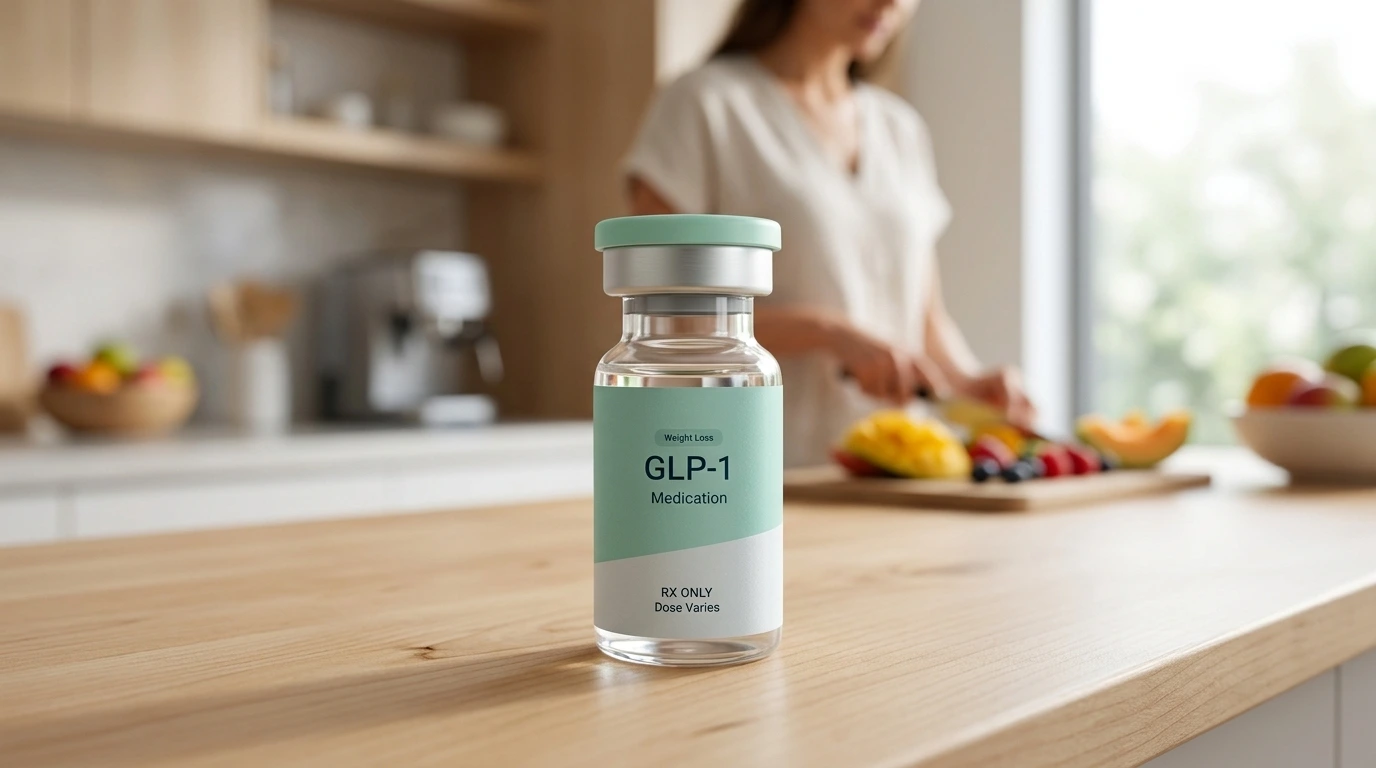
Managing a weight loss journey often involves navigating small daily hurdles, like how to handle a sudden headache or joint pain while on medication. If you are using Ozempic® for weight management or type 2 diabetes, you might wonder if reaching for a standard over-the-counter painkiller is safe. Many people rely on nonsteroidal anti-inflammatory drugs (NSAIDs) like ibuprofen or naproxen for routine relief, but combining them with GLP-1 medications requires a clear understanding of how they interact with your body.
At TrimRx, we believe that successful weight management is built on a foundation of safety and informed choices. For a broader look at the medication itself, our guide to how GLP-1 works explains the basics. While there is no direct “drug-drug” interaction that prevents you from taking these medications together, they can both impact your digestive system and kidney health in overlapping ways. This article explains the clinical considerations for combining NSAIDs with semaglutide (the active ingredient in Ozempic®), identifies potential risks, and offers safer alternatives for managing pain during your program. If you’re wondering whether a personalized program is the right next step, you can take the free assessment quiz to see what may fit your health goals.
How Ozempic® Affects Your Digestive System
To understand why NSAID use matters, we first need to look at how GLP-1 medications work. Ozempic® is a glucagon-like peptide-1 (GLP-1) receptor agonist. A receptor agonist is a type of drug that mimics a naturally occurring hormone in your body. In this case, it mimics GLP-1, which is responsible for regulating blood sugar and appetite.
One of the primary ways this medication helps with weight loss is by slowing down gastric emptying. This means the food you eat stays in your stomach for a longer period. While this helps you feel full for longer and reduces overall calorie intake, it also changes the environment of your gastrointestinal (GI) tract. For more context on these GI effects, see our article on GLP-1 side effects in 2026.
When stomach emptying is delayed, anything else you swallow—including other medications—also stays in the stomach longer. This increased “transit time” is often the root cause of common side effects like nausea, bloating, or a feeling of heaviness. Because the medication is physically changing how your stomach processes its contents, adding other substances that irritate the stomach lining can lead to increased discomfort.
Understanding NSAIDs and How They Work
Nonsteroidal anti-inflammatory drugs, or NSAIDs, are a class of medications used to reduce pain, decrease inflammation, and lower fevers. Common examples include:
- Ibuprofen (found in brands like Advil® or Motrin®)
- Naproxen (found in brands like Aleve®)
- Aspirin
- Celecoxib (a prescription NSAID)
These drugs work by blocking enzymes called COX-1 and COX-2. These enzymes produce prostaglandins, which are chemicals that signal pain and cause inflammation. However, prostaglandins also have a protective job: they help maintain the thick, mucous lining of your stomach that protects it from its own acid. They also help keep blood flowing smoothly to your kidneys.
By blocking these protective chemicals, NSAIDs can make the stomach lining more vulnerable to irritation, ulcers, and bleeding. This is why most healthcare providers recommend taking NSAIDs with food and avoiding them if you have a history of stomach issues. If you want a deeper look at pain relief choices on semaglutide, our article on what pain reliever you can take with semaglutide covers the main options.
Quick Answer: You can technically take NSAIDs with Ozempic® as there is no known direct chemical interaction. However, because both can irritate the digestive system and impact kidney function, healthcare providers often recommend caution or suggest using acetaminophen (Tylenol®) instead.
The Risks of Combining NSAIDs and GLP-1 Medications
When you combine a GLP-1 medication with an NSAID, you aren’t necessarily dealing with a new chemical reaction. Instead, you are dealing with “additive risks.” This means the side effects of one can make the side effects of the other worse.
Increased Gastrointestinal Irritation
As mentioned, Ozempic® slows down your digestion. If you take an NSAID like ibuprofen, that pill may sit in your stomach for much longer than it normally would. Because NSAIDs are known to irritate the stomach lining, this prolonged contact can increase the risk of:
- Gastritis (inflammation of the stomach lining)
- Heartburn or acid reflux
- Nausea and indigestion
- Gastric ulcers (in cases of frequent or high-dose use)
For someone already experiencing mild nausea from their weight loss medication, adding an NSAID can turn that mild discomfort into a more significant issue.
Kidney Health and Hydration
This is one of the most critical safety considerations. Both GLP-1 medications and NSAIDs can affect your kidneys, though in different ways.
NSAIDs reduce the blood flow to the kidneys by blocking those protective prostaglandins. For most healthy people, this isn’t an issue for occasional use. However, if you are dehydrated, the kidneys are already under stress.
Weight loss medications can sometimes lead to dehydration, especially if you are experiencing side effects like diarrhea or vomiting, or if you simply aren’t drinking enough water because you feel full. If you take an NSAID while you are even mildly dehydrated, it can significantly increase the risk of acute kidney injury.
Key Takeaway: The primary risk of combining these medications is not a chemical reaction, but the cumulative stress they place on your stomach lining and your kidneys, particularly if you are not properly hydrated.
Comparing Pain Relief Options
When you need relief from a headache, muscle soreness, or menstrual cramps, you have several choices. Not all of them carry the same risks when used alongside a GLP-1 program.
| Medication Type | Common Names | Interaction Concern | Recommendation |
|---|---|---|---|
| Acetaminophen | Tylenol® | Low GI or kidney risk | Generally the preferred first-line choice. |
| NSAIDs | Ibuprofen, Naproxen | High GI irritation; kidney risk | Use sparingly; take with food; stay hydrated. |
| Aspirin | Bayer® | High GI risk; blood thinning | Consult a doctor, especially if on blood thinners. |
| Topical Creams | Diclofenac, Menthol | Very low systemic absorption | Excellent for joint or muscle pain. |
Why Acetaminophen is Often Preferred
For most patients on a weight loss program, acetaminophen (Tylenol®) is the suggested alternative for general pain. Acetaminophen works differently than NSAIDs; it primarily acts on the central nervous system to block pain signals rather than blocking prostaglandins throughout the body.
This means acetaminophen does not irritate the stomach lining and does not significantly affect blood flow to the kidneys. If you are managing the common “starting” side effects of a GLP-1, such as mild nausea, acetaminophen is much less likely to make those symptoms worse.
Special Considerations for Oral Semaglutide
If you are taking oral semaglutide (Rybelsus®) instead of the injectable version, your timing matters even more. The oral version of this medication has very strict absorption requirements.
You must take oral semaglutide on an empty stomach, immediately upon waking, with no more than four ounces of plain water. You must then wait at least 30 minutes before eating, drinking, or taking any other oral medications—including NSAIDs.
If you take an ibuprofen at the same time as your oral semaglutide, you may significantly decrease the effectiveness of the weight loss medication. The presence of other pills or too much water in the stomach interferes with how the semaglutide molecule is absorbed through the stomach wall.
Managing Side Effects and Pain Effectively
If you must take an NSAID while on your medication—perhaps for an inflammatory condition like arthritis where acetaminophen isn’t enough—there are steps you can take to minimize the risk.
Step 1: Consult Your Provider
Before mixing medications, always speak with a licensed healthcare professional. They can review your kidney function (often checked via a lab test called GFR) and your medical history to tell you if NSAIDs are safe for you personally.
Step 2: Take the Lowest Dose
If your provider clears you for use, use the smallest effective dose for the shortest time possible. Avoid “preventative” doses of ibuprofen.
Step 3: Never Take NSAIDs on an Empty Stomach
Because your digestion is slower, taking an NSAID with a small amount of food can help buffer the stomach lining. Even a few crackers or a small piece of toast can make a difference in preventing irritation.
Step 4: Prioritize Hydration
Hydration is the best defense for your kidneys. If you are taking an NSAID, aim to drink extra water throughout the day. This helps ensure your kidneys have the blood volume they need to function correctly.
Step 5: Monitor for “Red Flags”
Be aware of how your body feels. If you notice new or worsening stomach pain, dark or tarry stools, or persistent vomiting, stop taking the NSAID and contact a healthcare provider immediately.
The Role of Personalized Support at TrimRx
At TrimRx, we understand that every individual’s health profile is unique. A medication that is safe for one person may not be ideal for another, especially if there are underlying conditions like chronic kidney disease or a history of ulcers. This is why our platform focuses on personalized care.
When you participate in our program, you aren’t just getting a prescription; you are gaining access to a dedicated team of specialists. We connect you with licensed providers who review your health history and lab work to ensure your program is tailored to your needs. This clinical oversight is vital when navigating questions about drug interactions, side effects, and long-term health. Our mission is to provide a transparent, telehealth-first experience that prioritizes your safety and sustainable success. If that sounds like the right fit, you can complete the free assessment quiz to get started.
When to Contact Your Healthcare Provider
While minor aches can often be managed at home, certain symptoms require professional medical attention. If you are taking Ozempic® or a compounded semaglutide and experience the following while using NSAIDs, please reach out to a doctor:
- Severe Abdominal Pain: Sharp or persistent pain in the upper stomach area that may radiate to the back.
- Changes in Urination: Significantly less urine than usual or very dark urine, which could indicate kidney stress.
- Signs of GI Bleeding: Stools that appear black, tarry, or bloody, or vomiting that looks like coffee grounds.
- Extreme Dizziness: Feeling faint or excessively weak, which could be linked to dehydration or blood pressure changes.
Note: If you have a history of kidney disease, heart failure, or stomach ulcers, you should generally avoid NSAIDs entirely unless specifically directed otherwise by your physician.
Protecting Your Long-Term Health
The journey to metabolic health is a marathon, not a sprint. While the goal is weight loss and improved vitality, protecting your organ function is the most important part of that process. By being mindful of how common over-the-counter drugs like ibuprofen interact with your treatment, you are taking an active role in your own safety.
Most people find that as they lose weight and reduce systemic inflammation through their program, their need for pain medication actually decreases. Carrying less weight reduces stress on the joints, and a healthier diet can often lead to fewer inflammatory flares.
Conclusion
The short answer to whether you can take NSAIDs with Ozempic® is yes, but with significant caution. There is no direct chemical clash, but the overlapping risks to your stomach and kidneys mean that NSAIDs should not be your first choice for pain relief. Acetaminophen remains the safer “default” for most people on GLP-1 medications.
We are committed to helping you navigate these nuances with science-backed guidance and empathetic support. By focusing on hydration, proper timing, and professional oversight, you can manage daily aches without compromising your progress. If you want a clearer path forward, take the free assessment quiz and see what a personalized program may look like for you.
Bottom line: Prioritize acetaminophen for pain, stay well-hydrated to protect your kidneys, and always take NSAIDs with food if your doctor confirms they are safe for you.
FAQ
Is ibuprofen or Tylenol better to take with Ozempic®?
Tylenol® (acetaminophen) is generally considered the better and safer choice. It does not irritate the stomach lining or affect kidney blood flow as much as ibuprofen, making it less likely to worsen common GLP-1 side effects like nausea or indigestion. For a fuller comparison, our guide on pain relief and semaglutide explains why acetaminophen is often preferred.
Can taking ibuprofen make Ozempic® side effects worse?
Yes, it can. Because Ozempic® slows down your stomach, ibuprofen stays in the stomach longer, which can increase the risk of nausea, heartburn, and stomach lining irritation. If you are already feeling “queasy,” ibuprofen may aggravate that feeling.
What should I do if I accidentally took an NSAID on an empty stomach?
If it was a one-time occurrence, try not to panic. Drink plenty of water and eat a small, bland snack like crackers to help buffer your stomach. Monitor yourself for any sharp stomach pain or nausea, and if symptoms become severe, contact your healthcare provider. If you’re still deciding whether a supervised program is right for you, you can take the free assessment quiz before starting.
Are there any pain relievers I should avoid entirely?
While no common pain reliever is strictly “banned,” people with pre-existing kidney issues or a history of stomach ulcers should avoid NSAIDs like ibuprofen, naproxen, and aspirin unless a doctor specifically approves them. For a related look at this topic, our article on ibuprofen with semaglutide covers why hydration and stomach safety matter so much.
Disclaimer: This content is for informational purposes only and does not constitute medical advice. It is not intended to diagnose, treat, cure, or prevent any disease or condition. Individual results may vary. Always consult a qualified healthcare professional before starting any weight loss program or medication.

Transforming Lives, One Step at a Time
Keep reading
Why Has My Stool Changed Color on Ozempic?
Most colour changes on this medication are harmless and trace back to two things: you are eating differently, and food is moving through your…
Is It Normal to Go Days Without Feeling Hungry at All on Ozempic?
Yes, it is commonly reported, and it is worth understanding what it actually means rather than treating it as a win. Hunger is a…

Why Does My Stomach Hurt Only on the Right Side on Ozempic?
Pain confined to one side is different from the general fullness, bloating, and cramping that this medication commonly causes, and it should be assessed…


